Short answer: the best place to order drought-tolerant plants online depends on what you want (seed vs. potted plants, regional natives vs. broad-spectrum waterwise perennials), but top, reliable choices are High Country Gardens and Monrovia for ready-to-plant waterwise perennials, Prairie Moon Nursery for native/dry‑prairie seed mixes, Bluestone Perennials for curated drought collections, and Nature Hills for a very large, ship‑nationwide catalog. These nurseries have clear “waterwise” or drought categories and shipping infrastructure to get healthy plants to home gardeners. (highcountrygardens.com)
Which Nurseries Specialize in Drought-Tolerant Plants?
If you want plants selected specifically for low water use, start with nurseries that label or filter by “waterwise” or “drought tolerant.” High Country Gardens focuses on drought‑tolerant perennials and offers education for low‑water landscapes. (highcountrygardens.com) Monrovia’s online Plant Finder includes a Waterwise filter and curated lists of drought‑tolerant varieties across many plant types. (monrovia.com) Prairie Moon Nursery is the go‑to for native seed mixes and prairie species that establish in dry soils when sited correctly. (prairiemoon.com) Bluestone Perennials runs drought‑tolerant collections and ready-made groupings if you want a simple, resilient planting plan. (bluestoneperennials.com) Nature Hills offers a very large catalog and often flags water‑wise options; it’s useful if you need quantity or broad availability. (naturehills.com)
🌱 Get Personalized Plant Picks
Answer a few quick questions and we’ll match plants to your exact yard conditions.
Find My Plants →How Do I Choose the Right Mail‑Order Nursery?
Make decisions with these checks:
- Zone & provenance: choose plants or seed mixes rated for your USDA hardiness zone and look for regionally appropriate natives if water conservation and wildlife value matter.
- Plant form: do you want seedlings, established potted plants, or seeds/bare‑root stock? Seeds are cheaper but take longer and sometimes need stratification; Prairie Moon provides germination codes and guidance for native species. (prairiemoon.com)
- Filters & info pages: pick sites with a waterwise or drought filter (Monrovia and High Country Gardens make browsing easy). (monrovia.com)
- Shipping & timing: read the nursery’s shipping policy-some ship seasonally to avoid transplant shock; others ship year‑round with protective packing.
- Guarantees & reviews: reputations and clear return or replacement policies matter, especially for mail‑order perennials.
What Are Fast Wins for a Dry Garden?
Plant these drought‑tolerant perennials that establish quickly and deliver pollinator value:
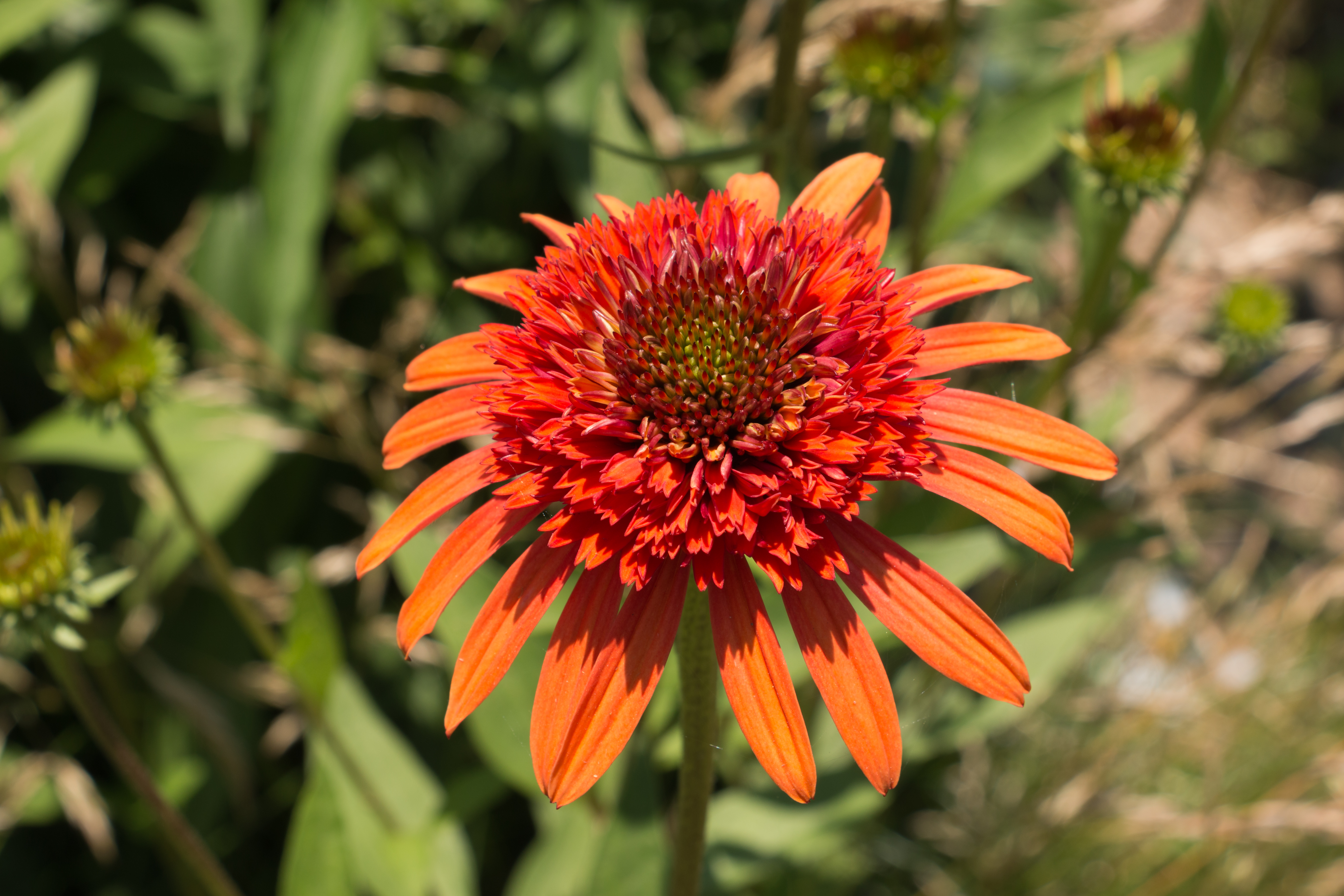
Coneflower (Echinacea) - long bloom, tough in dry soil.
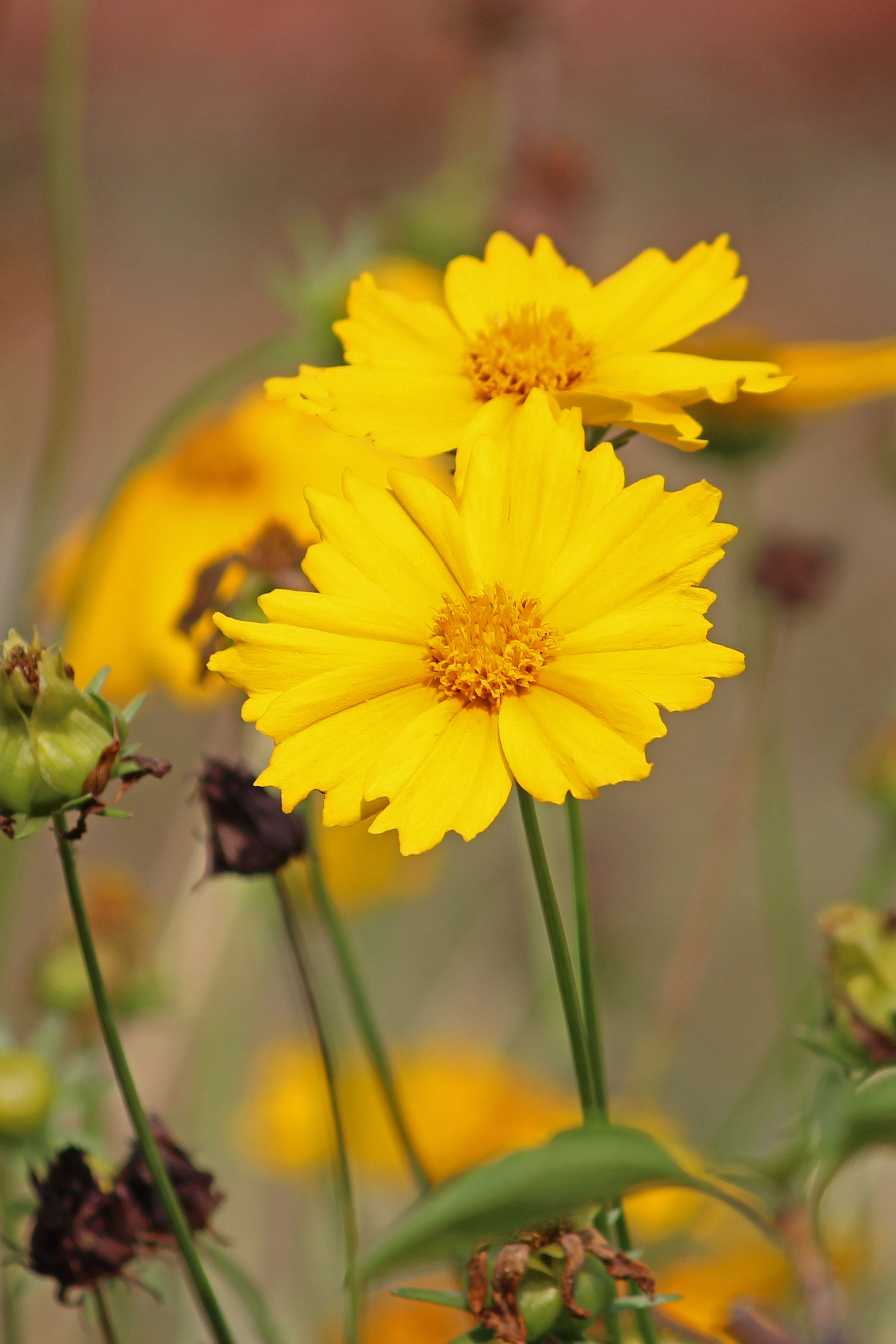
Coreopsis - cheerful, low water and floriferous.
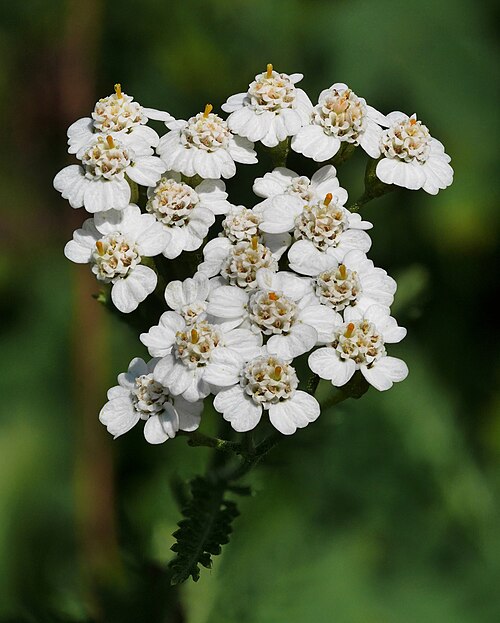
Yarrow - heat and drought tolerant, great for dry borders.
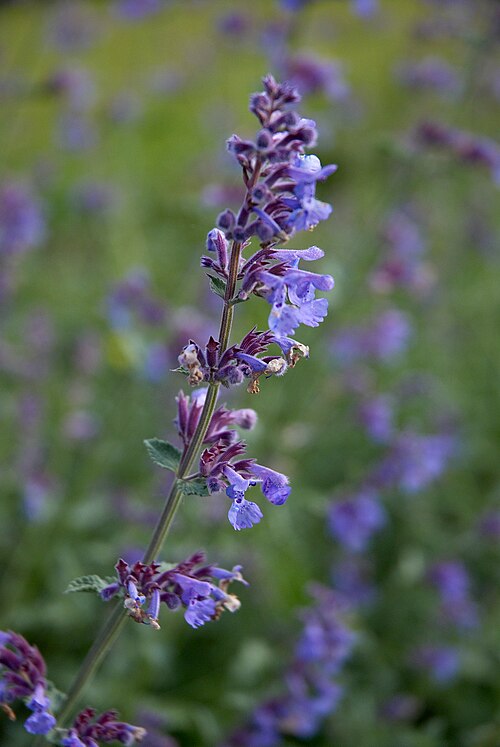
Catmint - aromatic, tough, and attractive to bees.
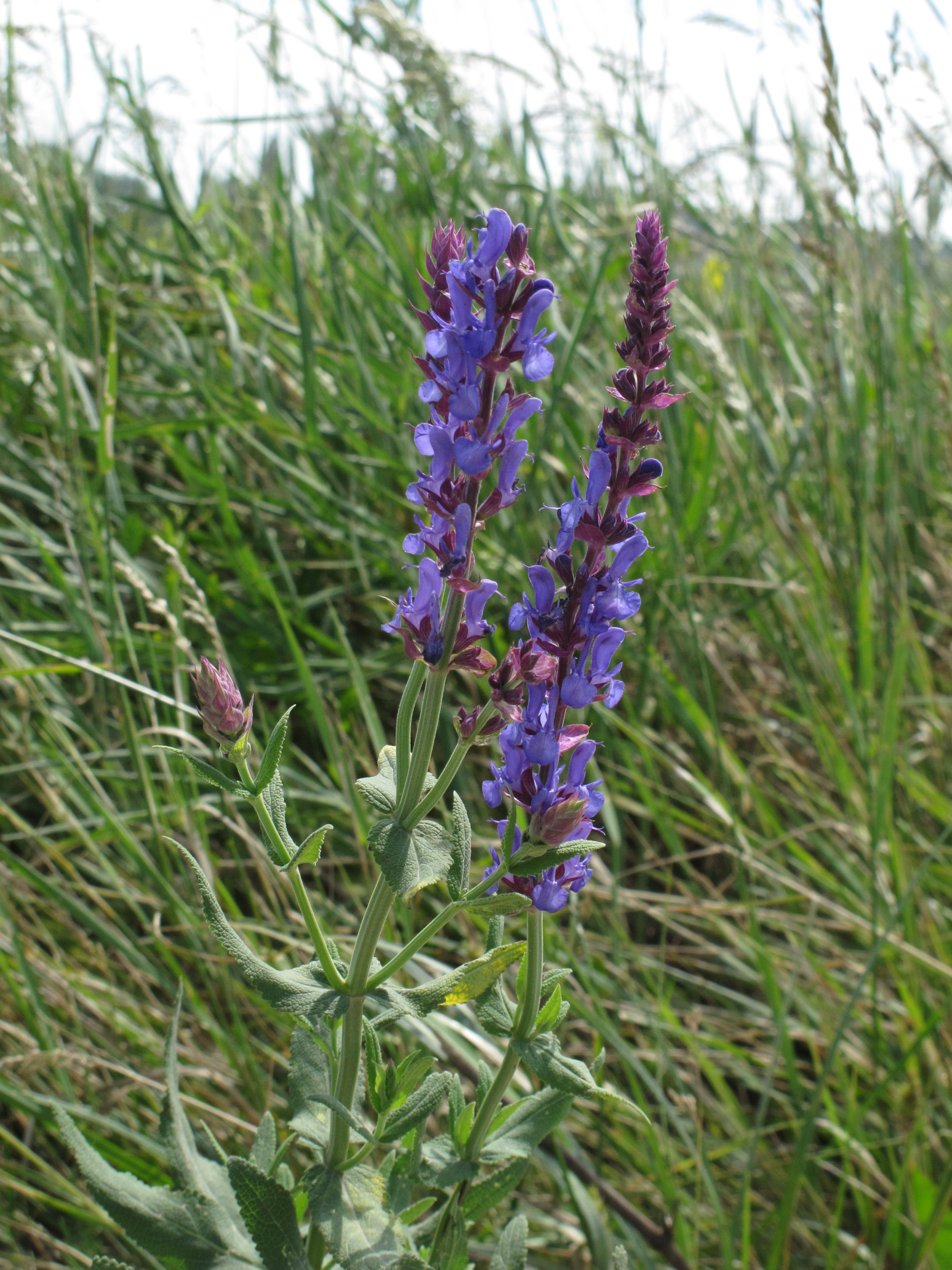
Salvia - drought‑tolerant, long bloom window for pollinators.
These are widely available at the nurseries above; Monrovia and Bluestone often include them in waterwise collections, and Prairie Moon sells prairie‑adapted seed mixes if you prefer starting from seed. (monrovia.com)
How Should I Plant & Care for Drought‑Tolerant Arrivals?
Actionable steps to give mail‑order drought plants the best start:
- Unpack promptly: remove packing, inspect roots and soil, and water if the rootball is dry.
- Sit for a day: let potted plants acclimate in partial shade for 24 hours if shipping occurred during heat.
- Plant properly: dig a hole as deep as the rootball but wider (1.5-2×). Backfill and firm soil to remove air pockets; don’t bury the crown deeper than in the pot.
- Establishing water schedule: water deeply at planting, then follow a “soak and dry” pattern - deep soak every 7-10 days for the first 2-3 weeks, tapering to less frequent deep waterings as roots spread. After 1 growing season many drought‑tolerant perennials will need little or no supplemental summer water depending on your climate.
- Mulch (2-3 inches) keeping mulch away from the crown to conserve moisture without encouraging crown rot.
- Don’t overfeed: many drought‑adapted plants thrive in lean soils; heavy fertilizing can encourage soft growth that demands more water.
Quick Reference
- High Country Gardens - Best for curated waterwise perennials and education on xeric gardening. (highcountrygardens.com)
- Monrovia - Large catalog with a Waterwise filter and zone info; good for mainstream perennials and shrubs. (monrovia.com)
- Prairie Moon Nursery - Best for native seeds and prairie/dry‑soil species; ideal if you want to seed larger areas or prioritize natives. (prairiemoon.com)
- Bluestone Perennials - Offers curated drought‑tolerant collections and plant packs for quick groupings. (bluestoneperennials.com)
- Nature Hills - Very large online nursery with nationwide shipping and a wide selection flagged for low‑water tolerance. (naturehills.com)
Ordering tip: if you’re uncertain about regional suitability, contact the nursery’s customer service with your USDA zone and a short description of sun, soil, and slope - reputable nurseries will recommend alternatives or note which plants need extra summer water in your region.
Ready to find the perfect plants for your yard? Try the PlantWise Plant Finder →