Best Deer-Resistant Shade Perennials for Zone 3
Finding deer-resistant perennials that also thrive in shade can feel like searching for a unicorn — but Zone 3 gardeners have more options than they might think. These 32 perennials combine reliable deer resistance with the ability to grow in partial to full shade, making them ideal for woodland gardens, north-facing beds, and spots under tree canopies.
🌱 Get Personalized Plant Picks
Answer a few quick questions and we’ll match plants to your exact yard conditions.
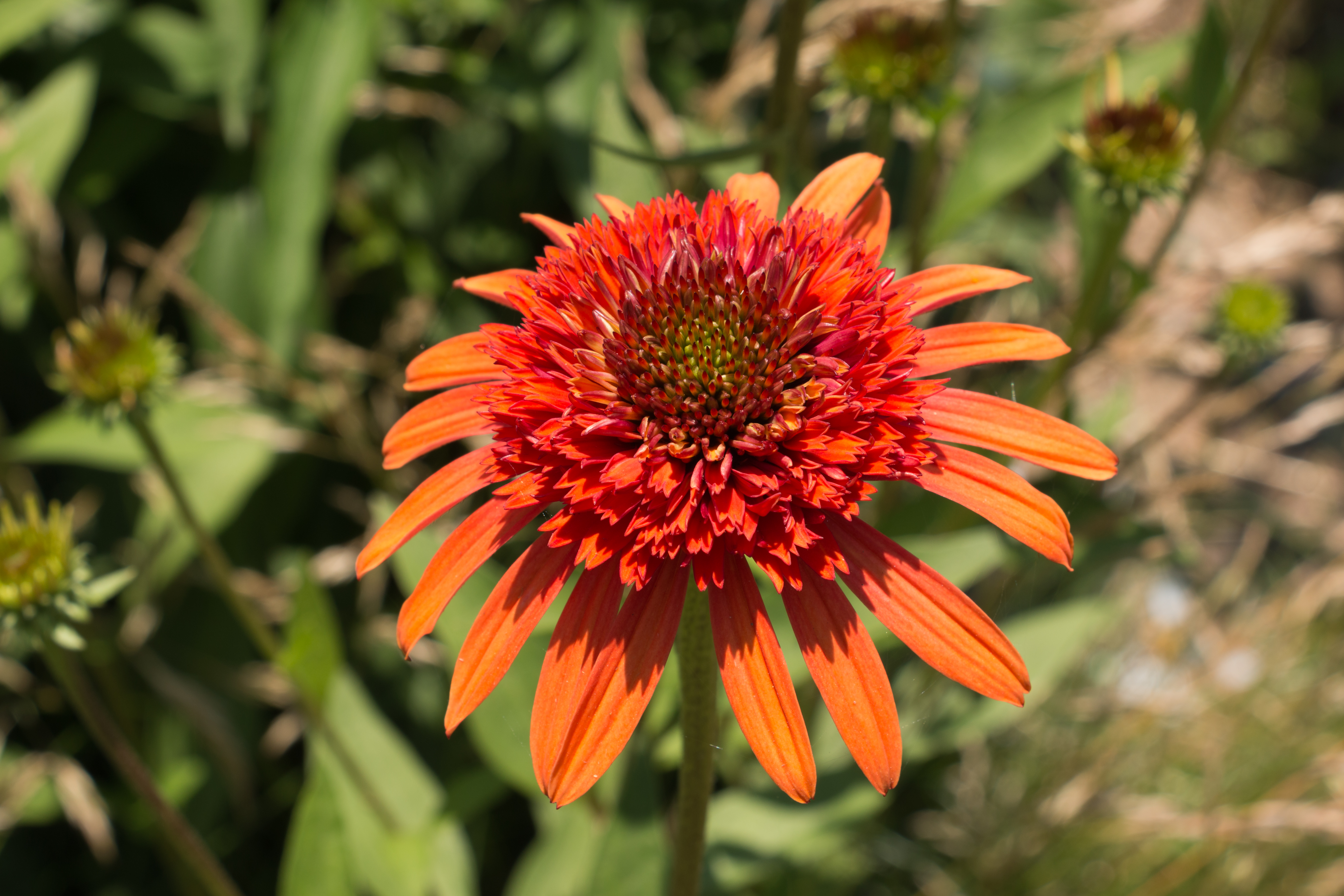
Find My Plants →Coneflower
Echinacea purpurea — Vibrant purple-pink blooms light up summer gardens from July to September, adding long-lasting color and charm. This deer-resistant coneflower thrives in zones 3-9 and attracts pollinators with ease.
- Height: 60 inches
- Light: full sun to partial shade
- Zones: zones 3–9 Not listed as toxic to dogs or cats.
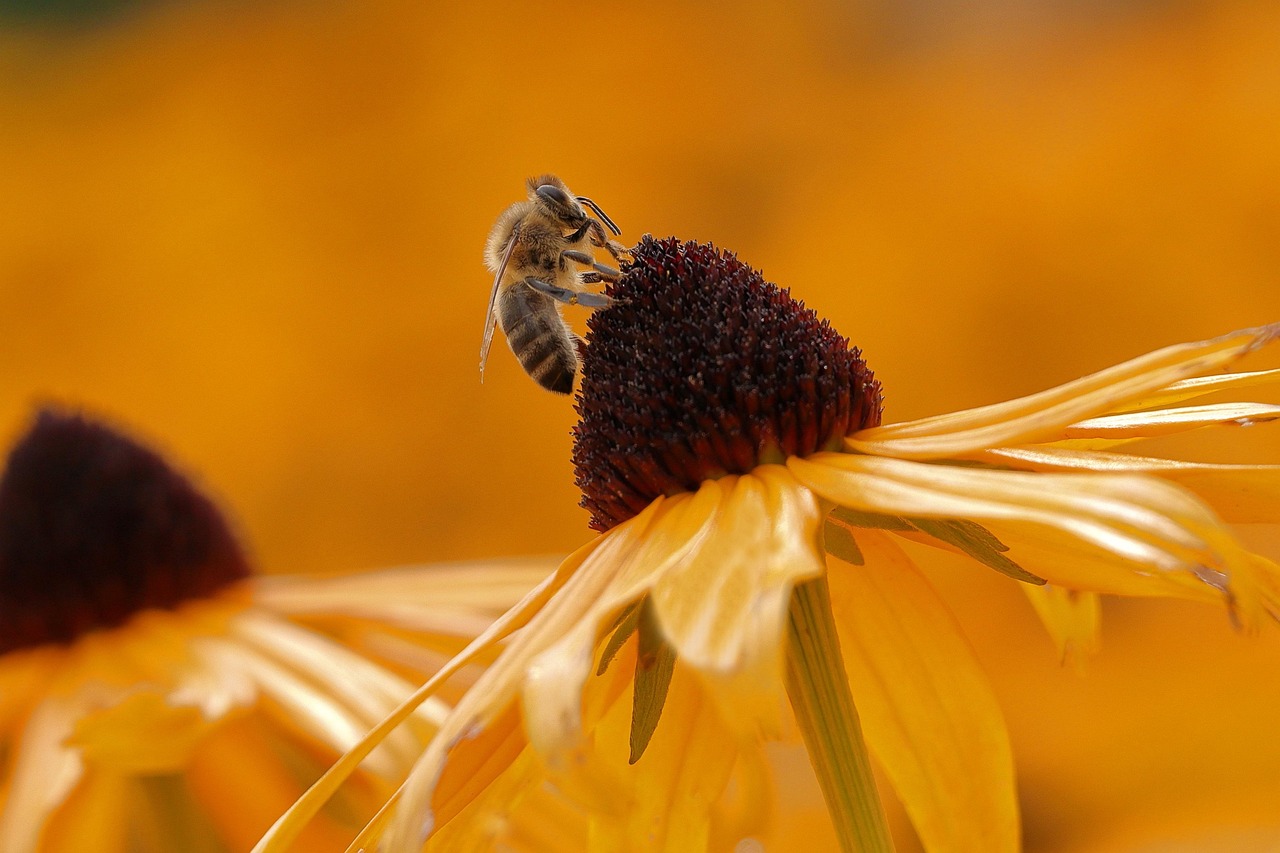
Black-eyed Susan
Rudbeckia hirta — Bright yellow blooms light up gardens from June to October, adding vibrant summer and fall color. Deer resistant and a magnet for pollinators, it thrives in USDA zones 3-9 with full sun.
- Height: 36 inches
- Light: full sun to partial shade
- Zones: zones 3–9 Not listed as toxic to dogs or cats.
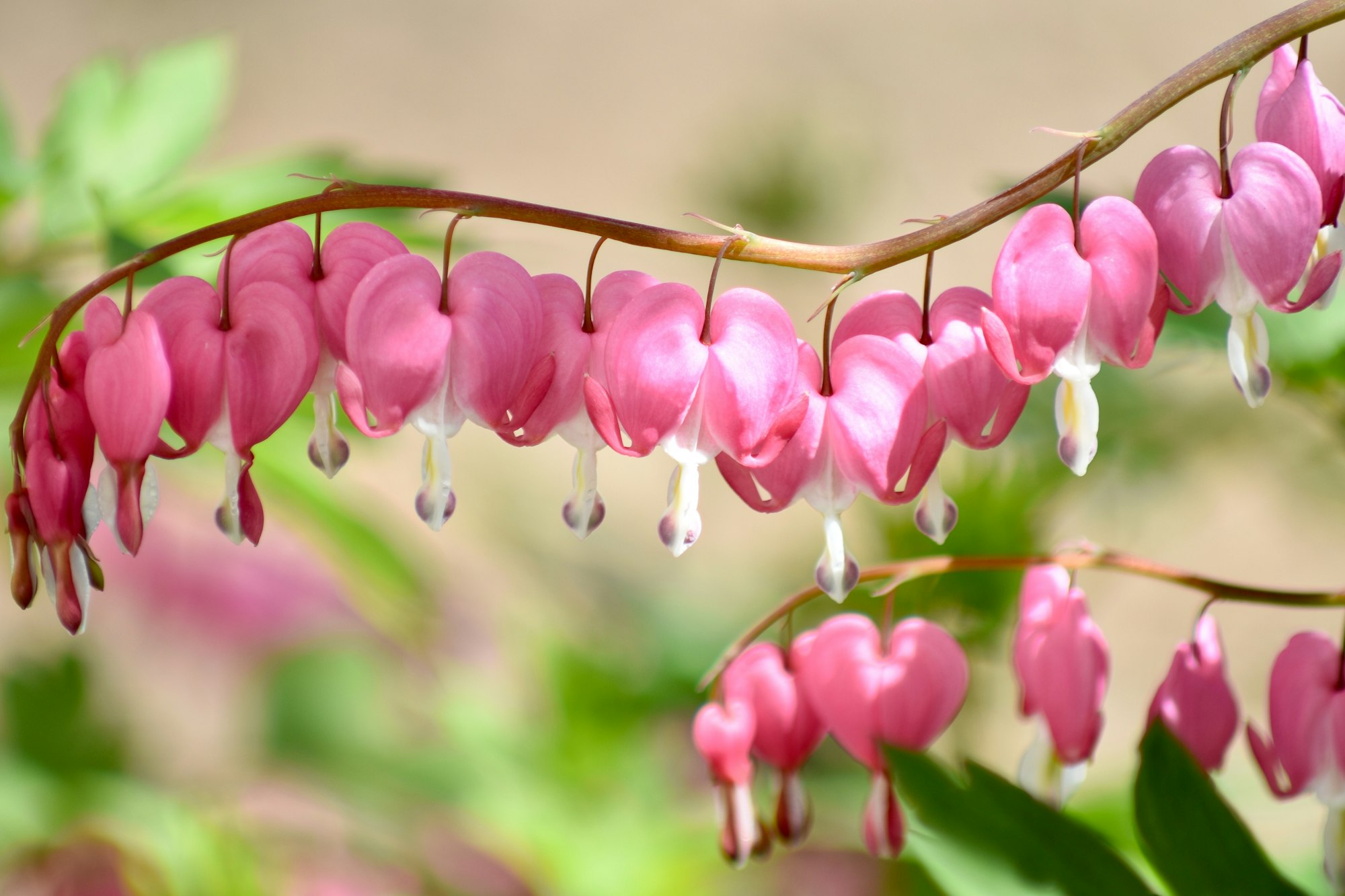
Bleeding Heart
Lamprocapnos spectabilis — Delicate pink and white heart-shaped blooms grace spring gardens with romantic charm. This shade-loving perennial attracts pollinators and thrives in USDA zones 3-9.
- Height: 36 inches
- Light: partial shade
- Zones: zones 3–9
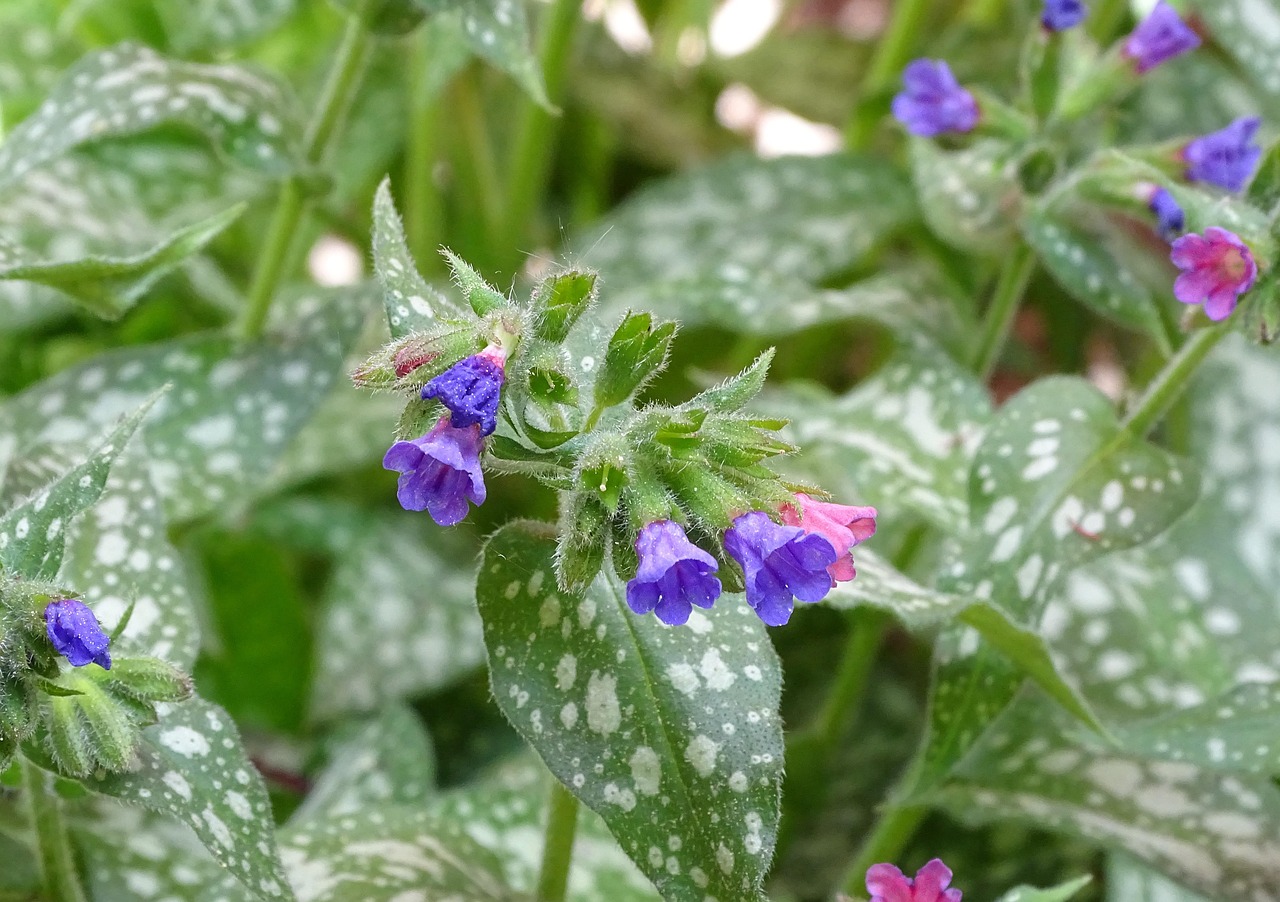
Lungwort
Pulmonaria officinalis — Delightful spotted leaves and clusters of pink to blue spring blooms add early color to shady spots. This deer-resistant, low-maintenance perennial thrives in USDA zones 3-8.
- Height: 12 inches
- Light: full shade
- Zones: zones 3–8 Not listed as toxic to dogs or cats.
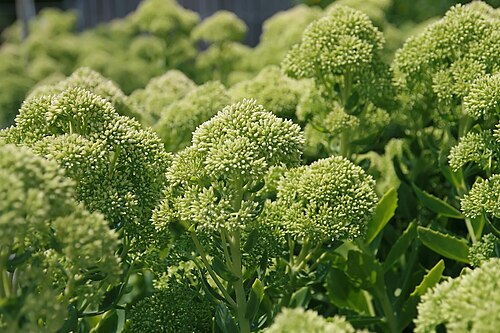
Sedum Autumn Joy
Hylotelephium Autumn Joy — Clusters of rosy-pink blooms light up late summer through fall, adding vibrant color to any garden. This drought-tolerant, deer-resistant succulent thrives in USDA zones 3-9 and attracts pollinators.
- Height: 24 inches
- Light: full sun to partial shade
- Zones: zones 3–9 Not listed as toxic to dogs or cats.
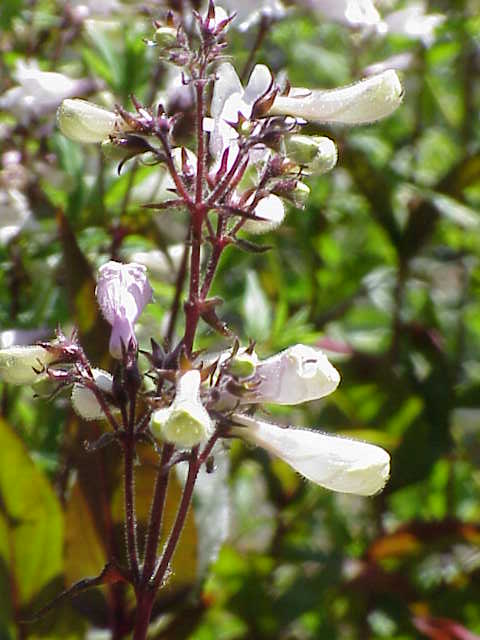
Penstemon
Penstemon digitalis — Showy white tubular blooms brighten late spring to early summer, creating a stunning display in any garden. This drought-tolerant perennial attracts pollinators and thrives in USDA zones 3-8.
- Height: 36 inches
- Light: full sun to partial shade
- Zones: zones 3–8 Not listed as toxic to dogs or cats.
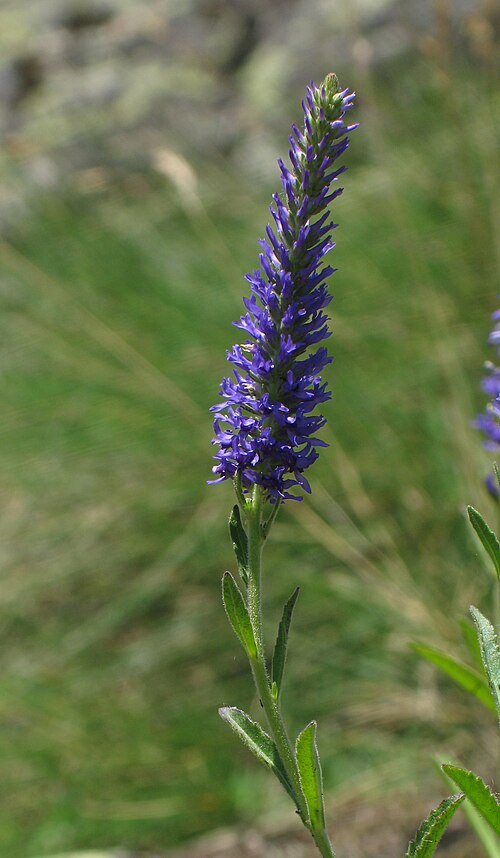
Veronica Speedwell
Veronica spicata — Vibrant spikes of blue to purple blooms light up summer gardens with long-lasting color. This low-maintenance perennial, hardy in USDA zones 3-8, attracts pollinators and resists deer.
- Height: 24 inches
- Light: full sun to partial shade
- Zones: zones 3–8 Not listed as toxic to dogs or cats.
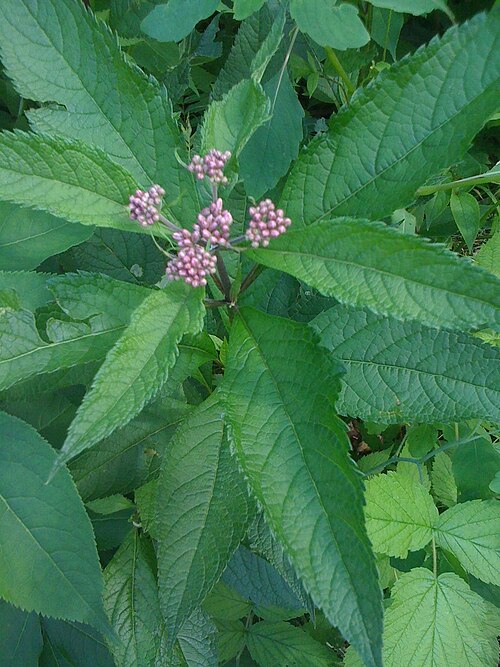
Joe Pye Weed
Eutrochium purpureum — Clusters of soft pink to mauve blooms light up late summer gardens with a radiant, airy presence. This deer-resistant native thrives in USDA zones 4-9 and attracts a buzzing crowd of pollinators.
- Height: 84 inches
- Light: full sun to partial shade
- Zones: zones 3–9 Not listed as toxic to dogs or cats.
Wild Bergamot
Monarda fistulosa — Vibrant lavender-pink blooms light up summer gardens with a fragrant, airy charm. This drought-tolerant native attracts pollinators and thrives in USDA zones 3-9.
- Height: 48 inches
- Light: full sun to partial shade
- Zones: zones 3–9 Not listed as toxic to dogs or cats.
Creeping Phlox
Phlox subulata — A vibrant carpet of pink, purple, or white blooms bursts forth in spring, creating stunning ground cover. This low-maintenance, drought-tolerant perennial thrives in USDA zones 3-9 and attracts pollinators.
- Height: 6 inches
- Light: full sun to partial shade
- Zones: zones 3–9 Not listed as toxic to dogs or cats.
Peony
Paeonia lactiflora — Lush, fragrant blooms in shades of pink and white brighten late spring gardens with stunning color. Deer resistant and thriving in USDA zones 3-8, this low-maintenance beauty attracts pollinators effortlessly.
- Height: 36 inches
- Light: full sun to partial shade
- Zones: zones 3–8 Not listed as toxic to dogs or cats.
Iris
Iris germanica — Striking blooms in vibrant purple, blue, or white grace late spring gardens with their intricate patterns and sword-like foliage. This low-maintenance iris thrives in USDA zones 3-9 and attracts pollinators while resisting deer damage.
- Height: 48 inches
- Light: full sun to partial shade
- Zones: zones 3–9
Siberian Iris
Iris sibirica — Vibrant blue-purple blooms brighten late spring gardens with graceful, grass-like foliage adding elegant texture. This hardy perennial thrives in USDA zones 3-9 and attracts pollinators while being deer resistant.
- Height: 48 inches
- Light: full sun to partial shade
- Zones: zones 3–8
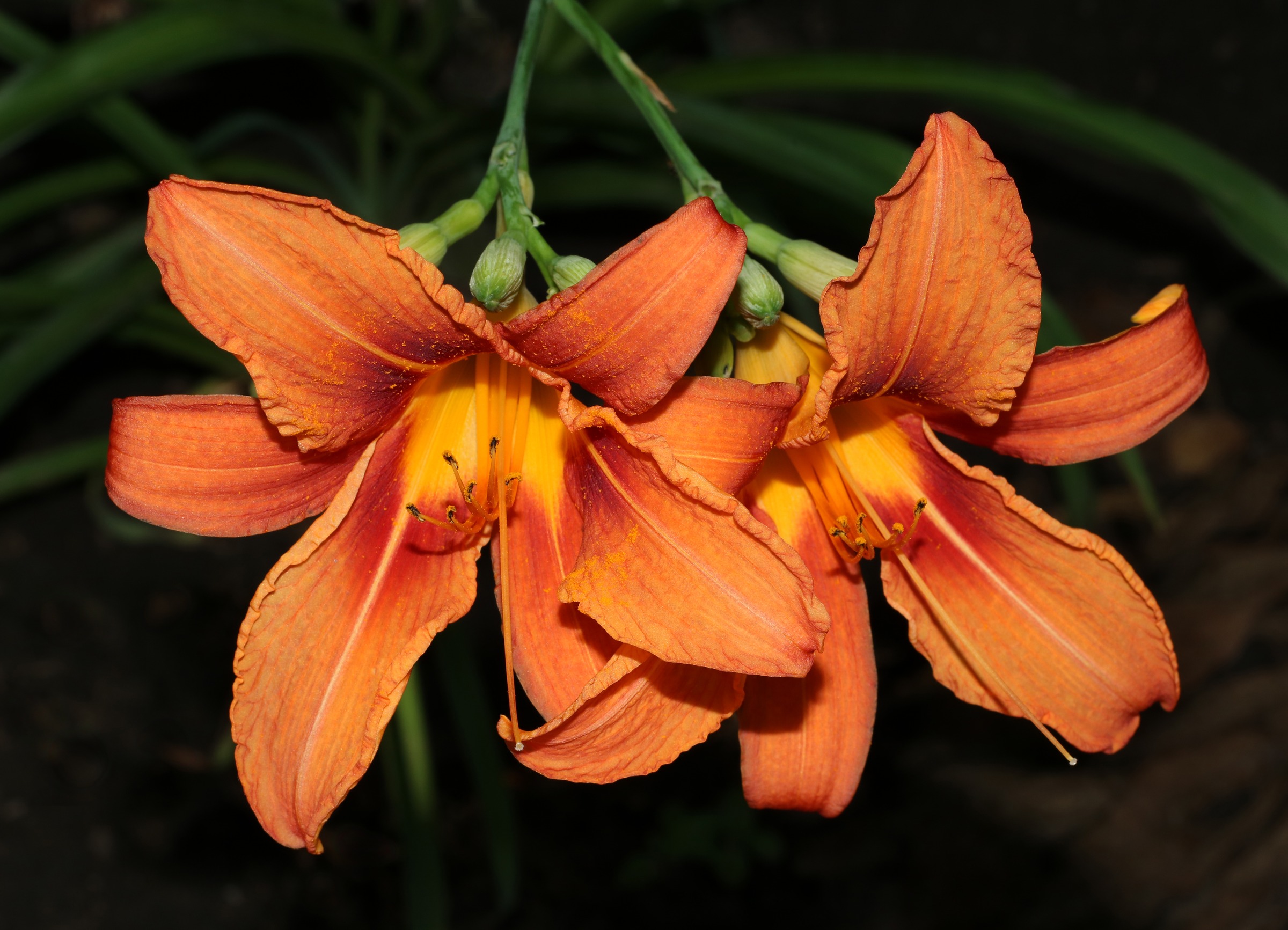
daylily-stella-de-oro" class="plant-link">Daylily Stella de Oro
Hemerocallis Stella de Oro — Vibrant golden-yellow blooms brighten gardens from late spring to fall, offering nonstop color and charm. This low-maintenance, drought-tolerant perennial thrives in USDA zones 3-9 and resists deer browsing.
- Height: 18 inches
- Light: full sun to partial shade
- Zones: zones 3–9
Brunnera
Brunnera macrophylla — Delightful heart-shaped leaves and vibrant blue spring blooms brighten shady spots with a splash of color. This low-maintenance, shade-tolerant beauty thrives in USDA zones 3-8.
- Height: 18 inches
- Light: partial shade
- Zones: zones 3–8
Why Zone 3 Matters
USDA Hardiness Zone 3 defines the minimum winter temperatures your plants must survive. Choosing plants rated for your zone — or colder — ensures they come back year after year without replanting.
Tips for Success
- Plant in groups — massed plantings establish faster and are more visually impactful
- Water during establishment — even drought-tolerant plants need consistent moisture in their first season
- Mulch generously — 2–3 inches of mulch conserves moisture and suppresses weeds
Explore More
Browse our full plant directory to filter by zone, sun requirements, deer resistance, and pet safety — all in one place.
Plant recommendations are based on USDA zone data and reported gardener experience. Individual results may vary based on microclimate, soil conditions, and local deer populations.