Do Deer Eat Creeping Phlox?
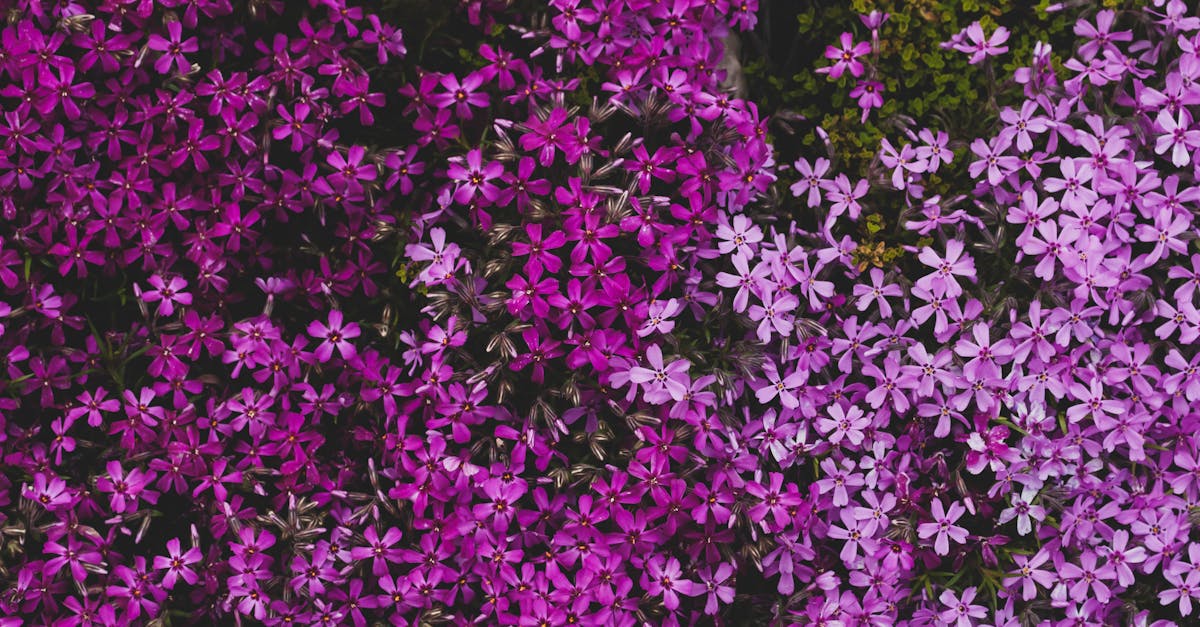
No — deer generally leave Creeping Phlox alone. Deer rate Creeping Phlox (Phlox subulata) as rarely damaged, making it one of the more reliable choices for gardens in deer country.
🌱 Get Personalized Plant Picks
Answer a few quick questions and we’ll match plants to your exact yard conditions.
Find My Plants →Why Deer Avoid Creeping Phlox
Deer tend to avoid Creeping Phlox for several reasons. The plant's pink, purple, white blooms and foliage, texture, or scent make it unappealing to deer browsing. While no plant is completely deer-proof — a hungry deer will eat almost anything — Creeping Phlox is consistently reported as one of the less-targeted options by gardeners across USDA zones 3–9.
Growing Creeping Phlox in Deer Country
Creeping Phlox is a perennial that thrives in full sun to partial shade and grows well in USDA zones 3–9. It reaches 4–6 inches tall, blooming from April through May. Its combination of deer resistance and ornamental value makes it especially popular for landscapes where deer pressure is a concern.
Tips for maximizing deer resistance:
- Plant in groups — deer are less likely to browse large established plantings
- Avoid over-fertilizing with nitrogen, which produces soft new growth deer find attractive
- In areas with very high deer pressure, consider pairing Creeping Phlox with other strongly deer-resistant plants as a border
When Deer Might Still Browse Creeping Phlox
Even deer-resistant plants can be damaged under certain conditions:
- Late winter / early spring — when food is scarce, deer will sample plants they normally avoid
- Newly planted specimens — young plants are more vulnerable before they establish
- Drought stress — stressed plants may lose some of their natural deterrents
Companion Plants for Deer-Resistant Gardens
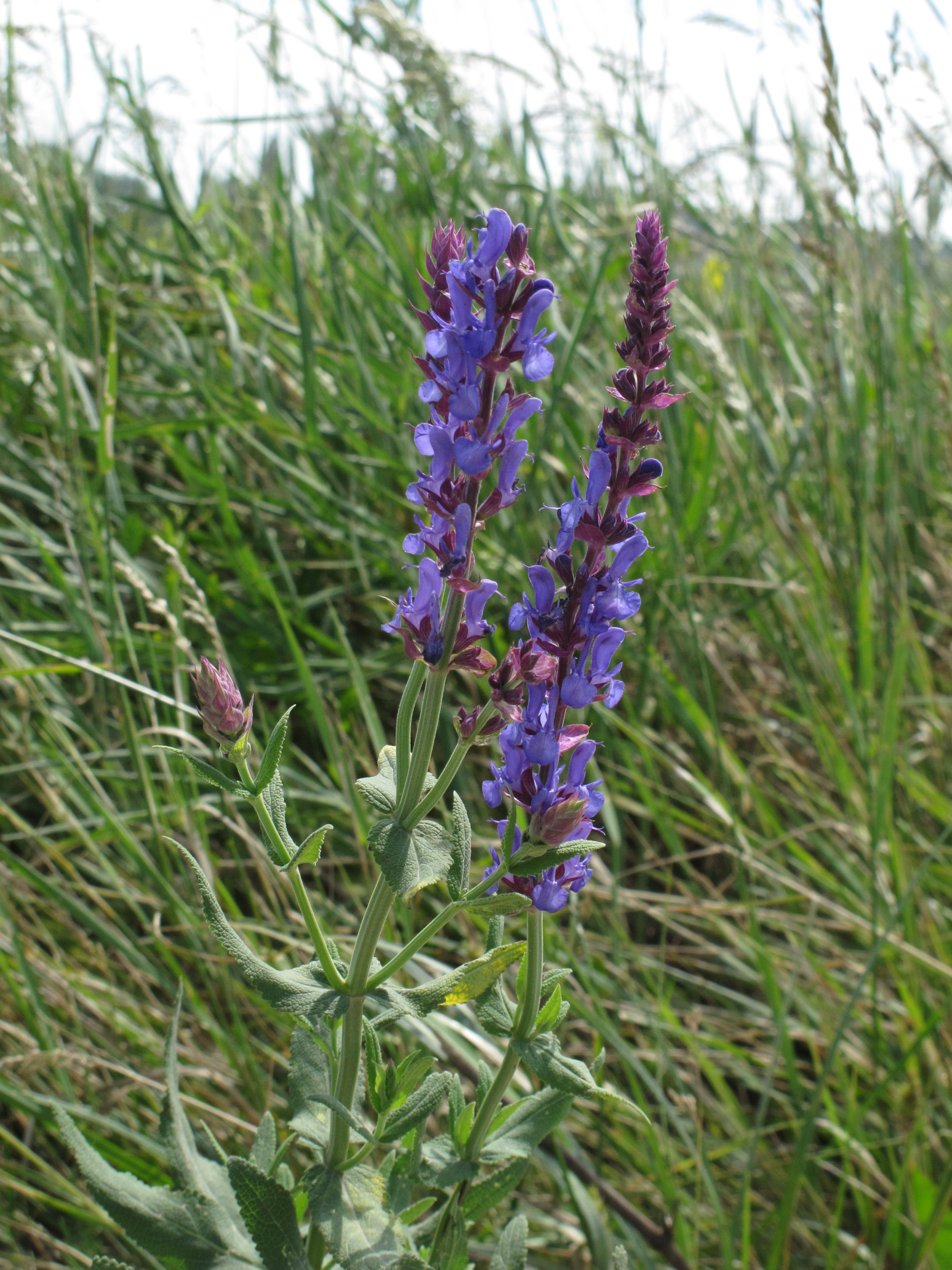
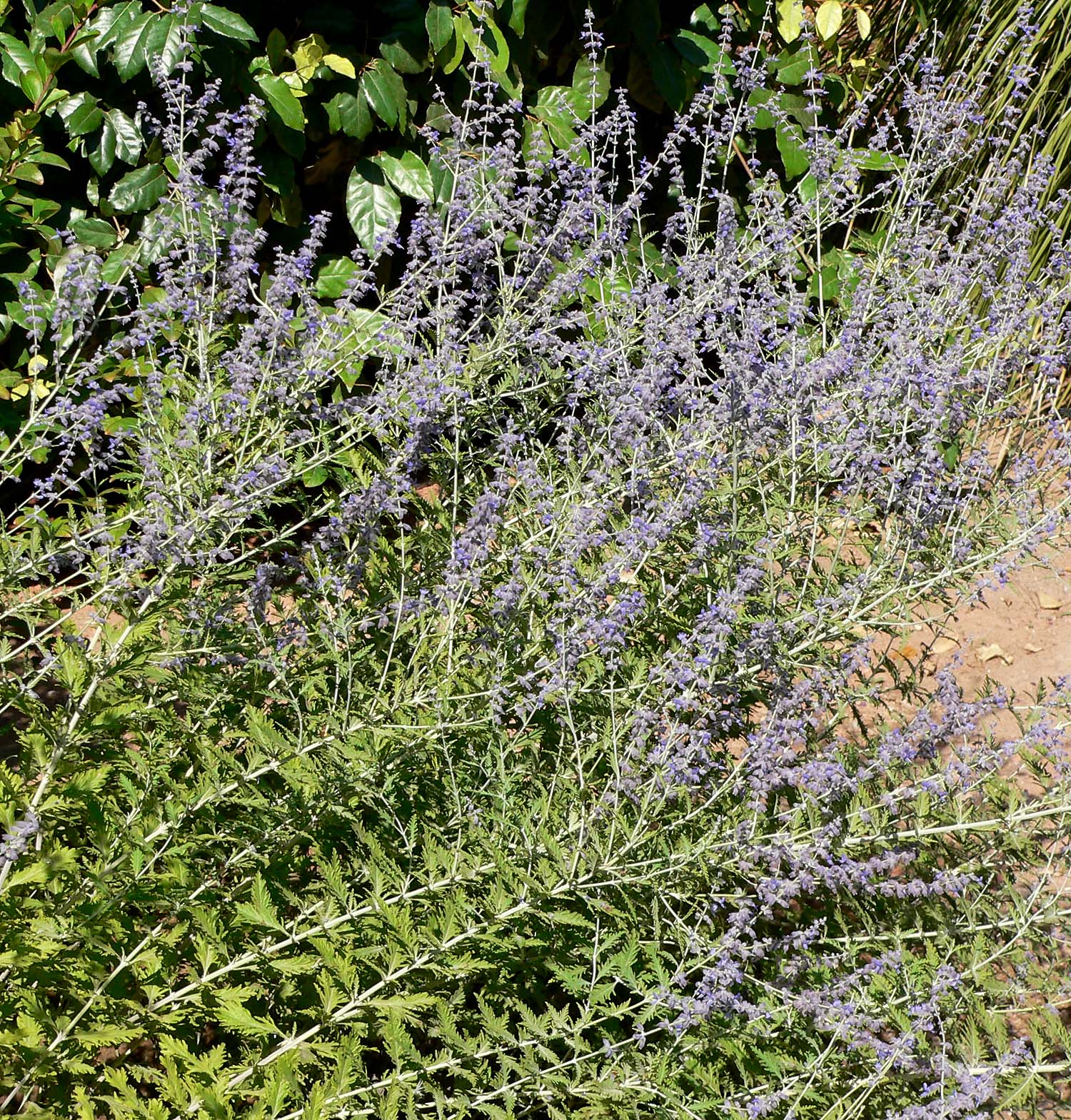
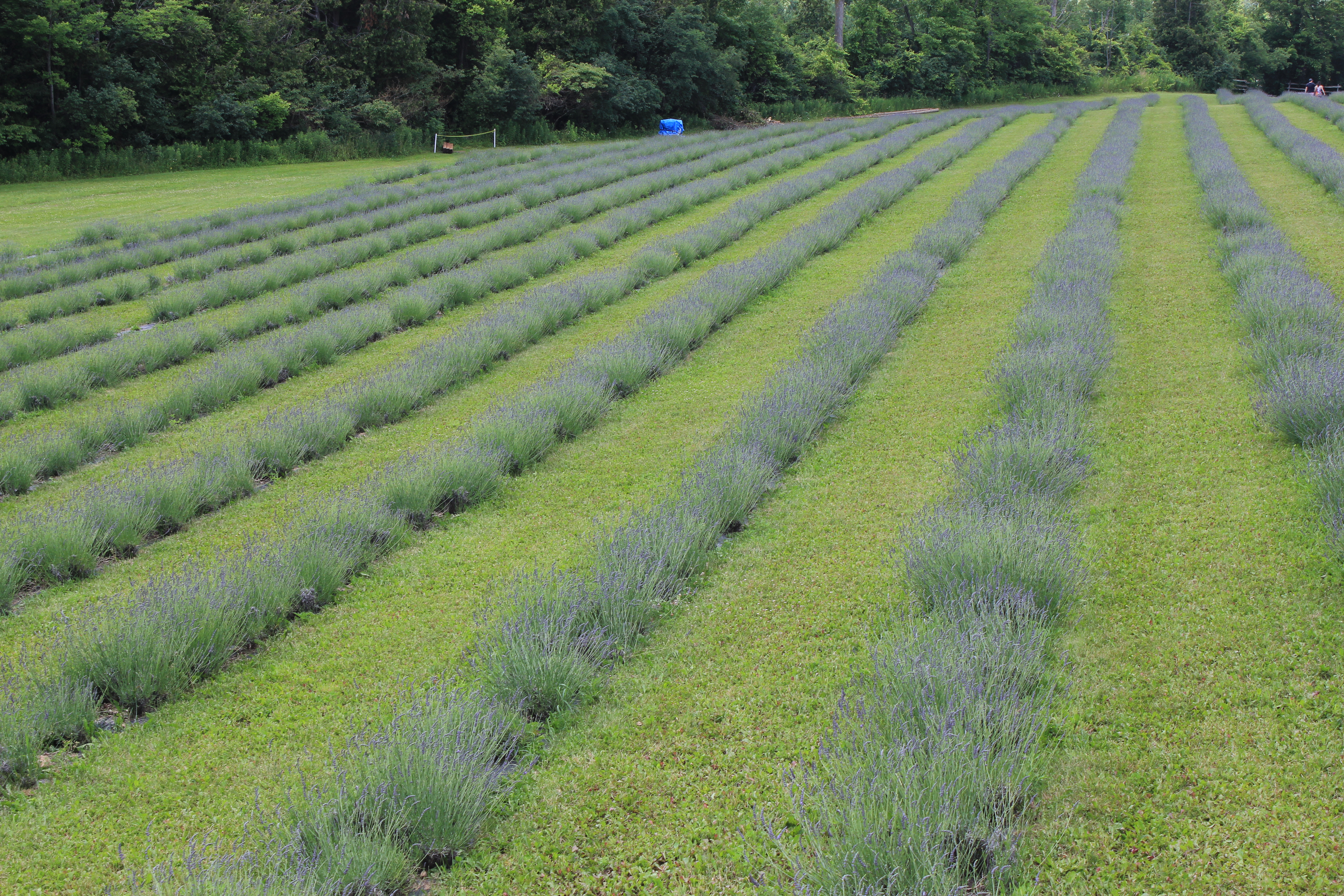
Creeping Phlox pairs well with other deer-resistant plants. Consider combining it with lavender, salvia, ornamental grasses, or Russian sage for a low-maintenance, deer-resistant planting scheme.
Pet Safety
As a bonus, Creeping Phlox is not listed as toxic to dogs or cats, making it a smart choice for pet-friendly gardens. Always consult your veterinarian if you suspect your pet has ingested any plant material. For emergencies, contact the ASPCA Animal Poison Control Center at 888-426-4435.
Find Creeping Phlox Plants
Ready to add Creeping Phlox to your deer-resistant garden? Browse our Creeping Phlox plant profile for full care details, zone information, and where to buy.
Deer resistance ratings are based on reported gardener experience and university extension data. Individual results may vary based on local deer populations, season, and garden conditions.