Zone 11 Fall Planting Guide: Softneck Garlic, Tropical Edges, and Chill-Smart Bulbs
In USDA Zone 11 in late September through November, the plantings that still make sense are softneck garlic, cool-season vegetables, chill-smart or pre-chilled spring bulbs, and tropical or subtropical shrubs while nights ease off peak summer heat. Freezes are essentially off the table; plan for heat, humidity or dryness by region, and honest bulb chill, not a frost race.
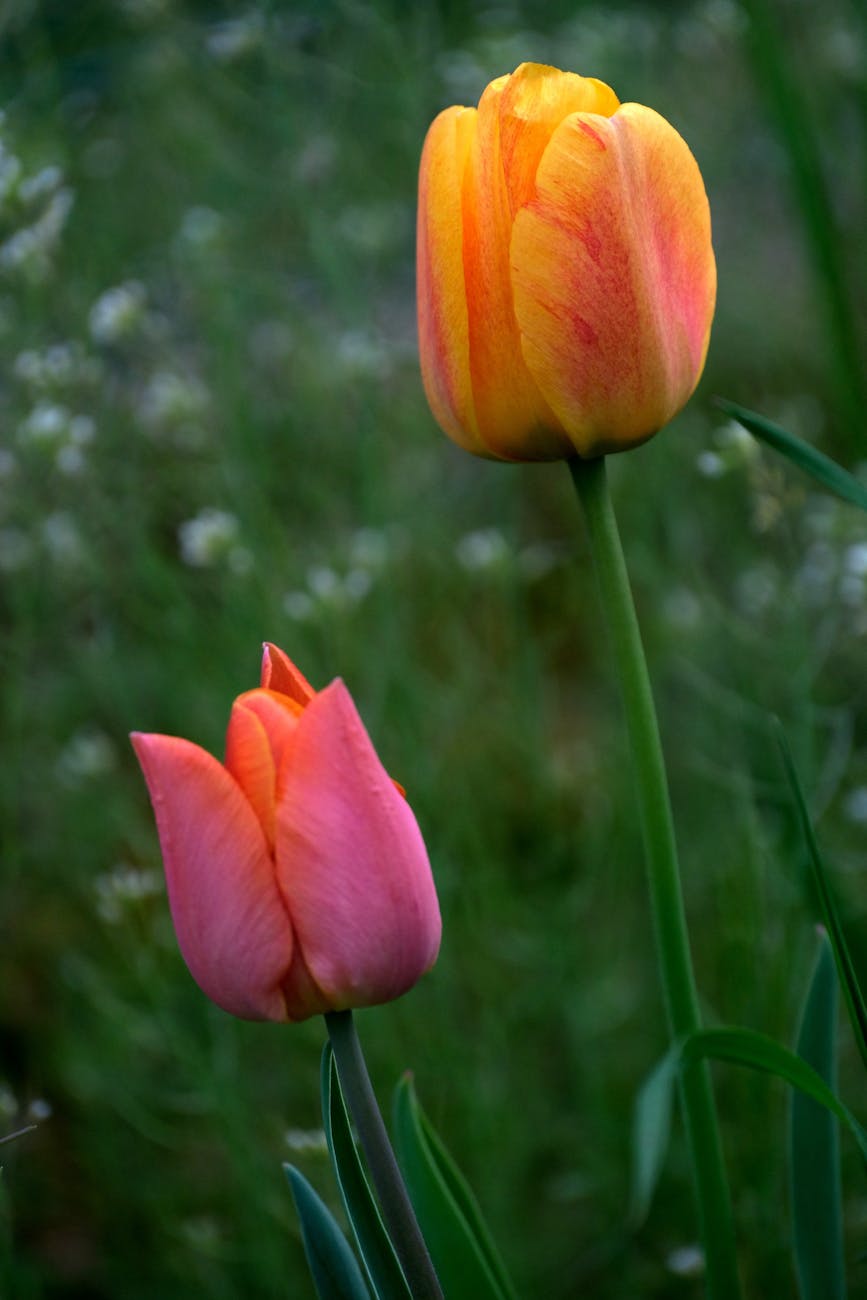
Zone 11 stays frost-free in typical winters. Warm-season lawns and tropical ornamentals dominate. Fall seed work for turf is usually annual rye overseed for temporary winter green. Softneck garlic fits mild winters. Northern-style tulips need pre-chilled stock almost every time.
What to plant now in Zone 11
- Softneck garlic - mild-winter garlic that does not need a hard freeze.
- Cool-season vegetables - lettuce, brassicas, herbs that struggled in summer heat.
- Spring bulbs with realistic chill - narcissus and ornamental alliums; tulips via pre-chilled packs.
- Winter overseed - annual rye when you want temporary turf color.
- Zone-true tropical and subtropical shrubs - water through dry stretches.
🌱 Get Personalized Plant Picks
Answer a few quick questions and we’ll match plants to your exact yard conditions.
Find My Plants →Why Zone 11 plants in the cool season
Peak summer heat, not winter cold, is the limiter for many crops. Late September through November opens the window for garlic, greens, and bulb work while soil stays workable. Waiting until midwinter still works for some greens, but garlic and bulbs establish better when you use the autumn cool-down rather than a rushed holiday weekend.
Softneck garlic and overseed checklist
- Buy softneck seed garlic, not grocery bulbs treated for long shelf life alone.
- Plant cloves pointed up about 2 inches deep in well-drained beds in October and November.
- Water during dry autumn weeks.
- Mulch lightly after soil cools.
- For lawns: mow warm-season turf short before rye overseed; keep seed in soil contact.
Shop softneck garlic and winter rye on Amazon
Softneck seed garlic and annual rye for temporary winter color. We may earn a commission at no extra cost to you.
Amazon · Softneck garlic seed Amazon · Annual rye seed Amazon · Bermuda winter overseed Amazon · Cool-season mix
Chill-smart bulbs in Zone 11
Treat chill as a product feature, not a hope. Narcissus and ornamental alliums are the safer spring show. Tulips and many fragrant spring bulbs need pre-chilled packs or a fridge protocol. Plant promptly; do not store bulbs in a hot shed.
Shop chill-smart bulbs for mild winters on Amazon
Narcissus, ornamental alliums, and pre-chilled spring packs. We may earn a commission at no extra cost to you.
Amazon · Narcissus bulb packs Amazon · Pre-chilled bulb packs Amazon · Ornamental allium bulbs Amazon · Spring crocus packs Amazon · Fragrant spring bulbs
Tropical edges and winter greens
Zone 11 lets you plant many tropical ornamentals nearly year-round, but fall still helps reduce transplant shock versus midsummer heat. Cool-season vegetables finally behave in open ground. Match cultivars to your humidity and rainfall pattern - coastal versus inland deserts are not the same garden.
Quick reference (Zone 11)
| Plant type | Late Sep | October | November | Notes |
|---|---|---|---|---|
| Softneck garlic | Good | Strong | Strong | Mild-winter default |
| Cool-season veggies | Strong | Strong | Strong | Heat relief window |
| Annual rye overseed | Strong | Strong | Strong early | Temporary color |
| Narcissus / alliums | Strong | Strong | Strong | Best chill realism |
| Pre-chilled tulips | Good | Strong | Strong | Required for classic tulips |
Bottom line
Zone 11 fall planting is cool-season opportunity work: softneck garlic, winter greens, chill-honest bulbs, and optional rye for turf color. Use late September through November while heat eases, not a northern freeze countdown.
Related reading
- Zone 11 fall garden care
- Softneck garlic Zones 10-11
- Zone 10 fall planting
- Frost cloth Zones 10-11 - rare-cold and insect uses
Ready to match plants to your location? Try the PlantWise Plant Finder →