Is salvia-nemorosa" class="plant-link">Salvia Nemorosa Safe for Dogs?
Salvia Nemorosa is not listed as toxic to dogs by the ASPCA.
According to ASPCA plant toxicity data, Salvia Nemorosa (Salvia nemorosa) is not listed as toxic to dogs. This makes it a reasonable choice for gardens where dogs roam freely.
🌱 Get Personalized Plant Picks
Answer a few quick questions and we’ll match plants to your exact yard conditions.
Find My Plants →Important Safety Disclaimer
Always consult your veterinarian if you suspect your pet has ingested any plant material. Even plants not listed as toxic can cause digestive upset in some animals. For emergencies, contact the ASPCA Animal Poison Control Center at 888-426-4435 (available 24/7; a consultation fee may apply).
The information on this page reflects current ASPCA listings and is provided for general reference only — it is not a substitute for professional veterinary advice.
About Salvia Nemorosa
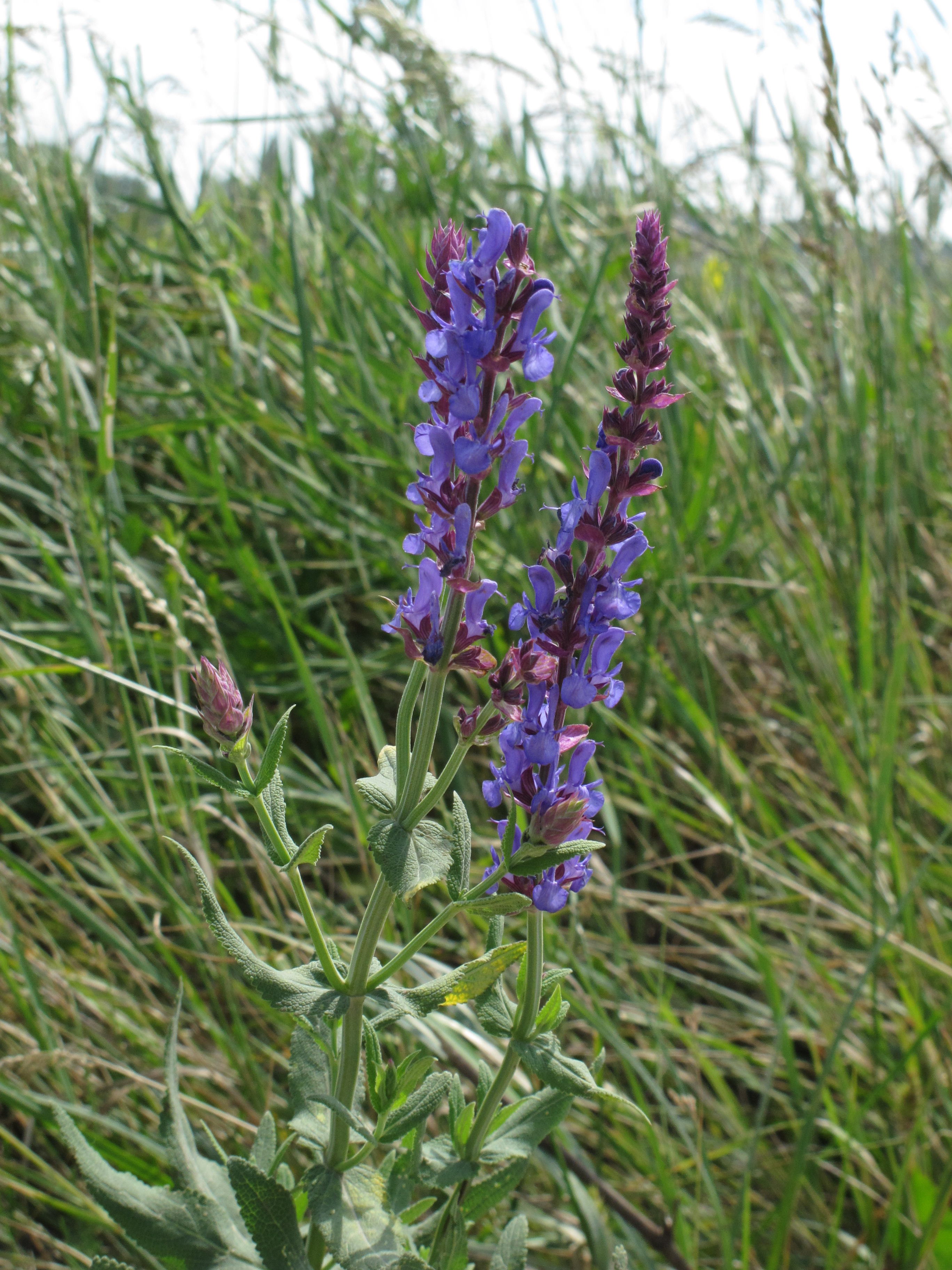
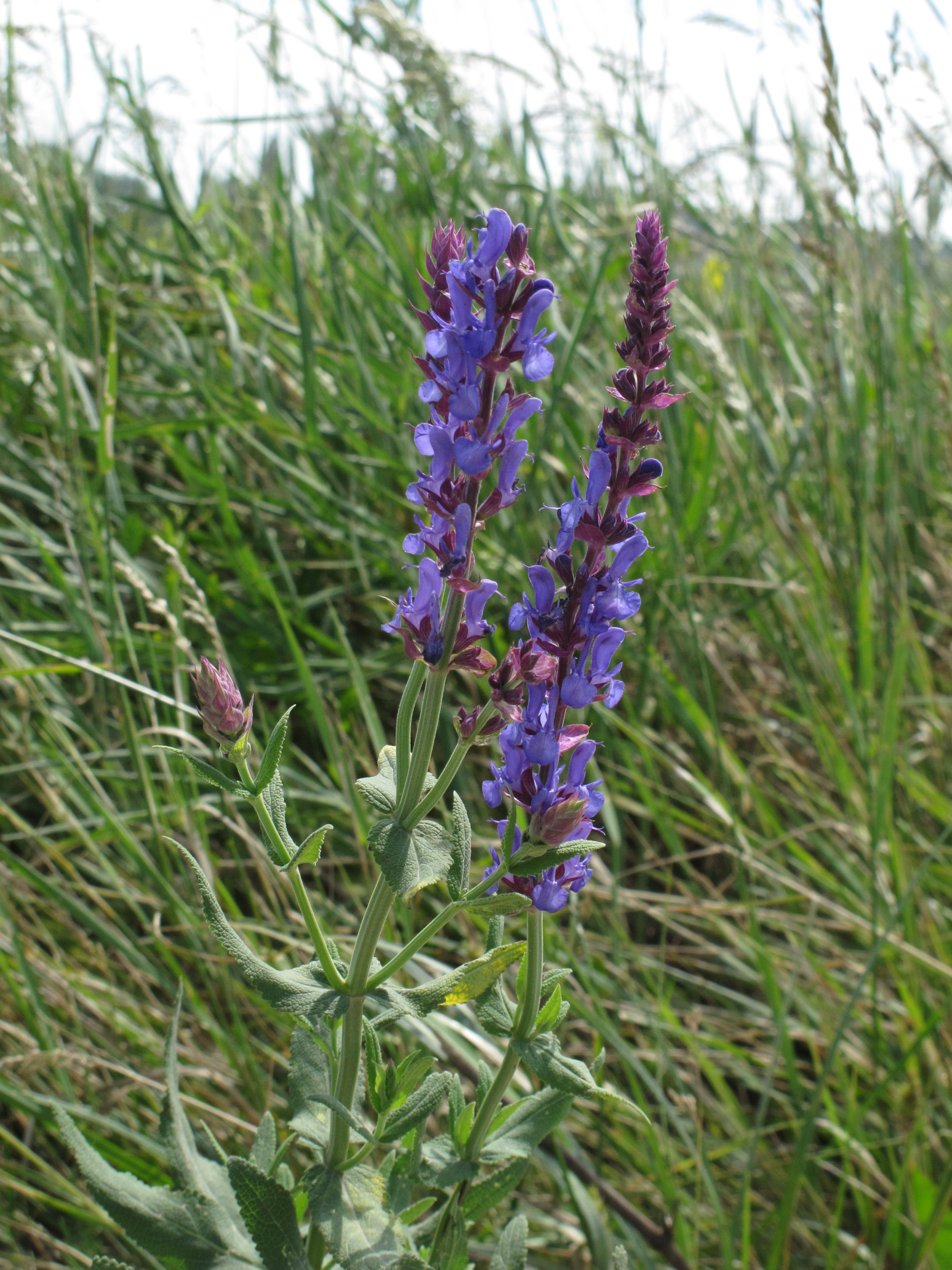
Salvia Nemorosa is a perennial that grows in full sun and thrives in USDA zones 4–8. It reaches 18–24 inches tall, blooming from May through July with purple, violet, blue flowers.
Deer Resistance
Salvia Nemorosa is also deer resistant, making it a great all-around choice for gardens that need to be both pet-friendly and wildlife-resistant.
What About Cats?
Salvia Nemorosa is also not listed as toxic to cats according to the ASPCA.
Creating a Pet-Safe Garden
If you are designing a garden with pets in mind, consider these principles:
- Research before planting — always verify ASPCA toxicity status for any new plant
- Supervise new plantings — curious pets may chew on unfamiliar plants regardless of toxicity
- Provide a pet-safe zone — designate an area with confirmed pet-safe plants where pets can roam freely
- Know the emergency number — keep the ASPCA hotline (888-426-4435) saved in your phone
Find Salvia Nemorosa Plants
Browse our complete Salvia Nemorosa plant profile for full care details, companion planting ideas, and where to buy.
Pet safety information is based on ASPCA toxicity listings and is provided for general reference only. Always consult a licensed veterinarian for advice specific to your pet. PlantWise uses "not listed as toxic" language rather than "safe" — individual animals may react differently to any plant material.