When and How to Aerate Your Lawn: Complete Guide
Lawn aeration is a crucial, yet often overlooked, lawn care task that significantly improves the health and appearance of your turf. The best time to aerate your lawn is during its active growing season, typically late spring to early summer for cool-season grasses, and late spring to early fall for warm-season grasses. This allows the grass to quickly recover and fill in any open spots. You aerate by creating small holes in the soil, either with a spike aerator or, more effectively, a core aerator, which removes plugs of soil. This process alleviates soil compaction, allowing air, water, and nutrients to penetrate the root zone more efficiently.
🌱 Get Personalized Plant Picks
Answer a few quick questions and we’ll match plants to your exact yard conditions.
Find My Plants →Why is Lawn Aeration So Important for a Healthy Lawn?
Think of your lawn as a living organism - it needs to breathe, drink, and eat. Over time, soil beneath your grass can become compacted due to foot traffic, mowing, and even heavy rainfall. This compaction squeezes out the air pockets that are vital for healthy root growth. When roots can't access enough oxygen, water, and nutrients, your lawn struggles. It becomes more susceptible to disease, insect infestations, and drought stress, and it won't respond as well to fertilizers.
Aeration directly addresses this problem by creating small holes that break up the compacted soil. These holes serve as pathways, allowing essential elements to reach the grass roots. This leads to a stronger, deeper root system, which in turn results in a thicker, greener, and more resilient lawn. Aeration also helps improve drainage, reducing puddling and the risk of fungal diseases. It can even help break down thatch, a layer of dead organic matter that can accumulate on the soil surface and prevent water and nutrients from reaching the roots.
When is the Best Time to Aerate Your Lawn?
Timing is everything when it comes to aeration. You want to aerate when your grass is actively growing, so it can quickly recover from the process and fill in any open areas. Aerating during dormant periods can stress the lawn and make it more vulnerable to weeds.
Quick Reference: Best Time to Aerate
| Grass Type | Ideal Aeration Window |
|---|---|
| Cool-Season Grasses (e.g., Fescue, Kentucky Bluegrass, Ryegrass) | Late spring (April-May) or early fall (September-October) |
| Warm-Season Grasses (e.g., Bermuda, Zoysia, St. Augustine) | Late spring to early summer (May-July) |
For cool-season grasses, early fall is often considered the prime time because the cooler temperatures and increased rainfall are ideal for recovery. Aerating in late spring is also acceptable, especially if you plan to overseed. For warm-season grasses, the peak growing season of late spring to early summer is best, as the warmth encourages rapid recuperation.
How often you should aerate depends on your soil type and how much traffic your lawn receives. Lawns with heavy clay soil or those that experience significant foot traffic may benefit from annual aeration. Lawns with sandy soil or less traffic might only need it every two to three years. If your lawn feels spongy, has bare patches, or water tends to puddle after rain, it's likely a good candidate for aeration.
What Tools Do You Need for Lawn Aeration?
There are a few different tools you can use for lawn aeration, each with its own advantages.
- Spike Aerators: These tools simply poke holes in the ground with solid tines. They are less effective than core aerators because they don't remove soil, which can actually increase compaction around the edges of the holes. While they are inexpensive and easy to use, they are generally not recommended for severely compacted lawns.
- Slicing Aerators: These machines use rotating blades to cut slits in the turf. Like spike aerators, they don't remove soil plugs, but they can be useful for improving water penetration in some cases.
- Core Aerators (Plug Aerators): These are by far the most effective type of aerator. They use hollow tines to extract small plugs of soil (cores) from your lawn. This removal of soil is key to relieving compaction and creating space for air, water, and nutrients. You can rent walk-behind core aerators from most home improvement stores or equipment rental centers. There are also tow-behind models for tractors and smaller, manual core aerators for small areas.
For most homeowners looking to significantly improve their lawn's health, a core aerator is the way to go.
How Do You Properly Aerate Your Lawn for Best Results?
Aerating your lawn is a straightforward process, but following these steps will ensure you get the most out of your efforts:
- Mow Your Lawn: Mow your lawn to its regular height a day or two before aerating. This makes it easier for the aerator to penetrate the soil and prevents the machine from getting tangled in tall grass.
- Water Your Lawn: The day before you plan to aerate, give your lawn about an inch of water. The soil should be moist, but not saturated or muddy. Moist soil allows the aerator tines to penetrate more easily and extract clean plugs. If the soil is too dry, the aerator will struggle, and if it's too wet, it can create a muddy mess.
- Mark Obstacles: Before you start, clearly mark any sprinkler heads, shallow utility lines, or buried dog fences. Running an aerator over these can cause significant damage.
- Make Multiple Passes: For optimal results, make at least two passes over your lawn with the core aerator, ideally in perpendicular directions (e.g., one pass north-south, one pass east-west). This ensures good coverage and maximizes the number of holes. Aim for 20-40 holes per square foot.
- Leave the Plugs: Don't rake up the soil plugs! Leave them on the lawn to break down naturally. They will decompose within a few weeks, returning valuable organic matter and microorganisms to the soil. Mowing over them a few times can help break them up faster.
- Water After Aerating: After aeration, water your lawn thoroughly. This helps settle the soil around the newly created holes and encourages water penetration.
- Consider Overseeding and Fertilizing: Aeration is an excellent time to overseed your lawn, especially if you have thin or bare spots. The new seed will have direct contact with the soil in the aeration holes, leading to better germination rates. Applying a slow-release fertilizer after aeration can also give your lawn a boost, as the nutrients can more easily reach the root zone.
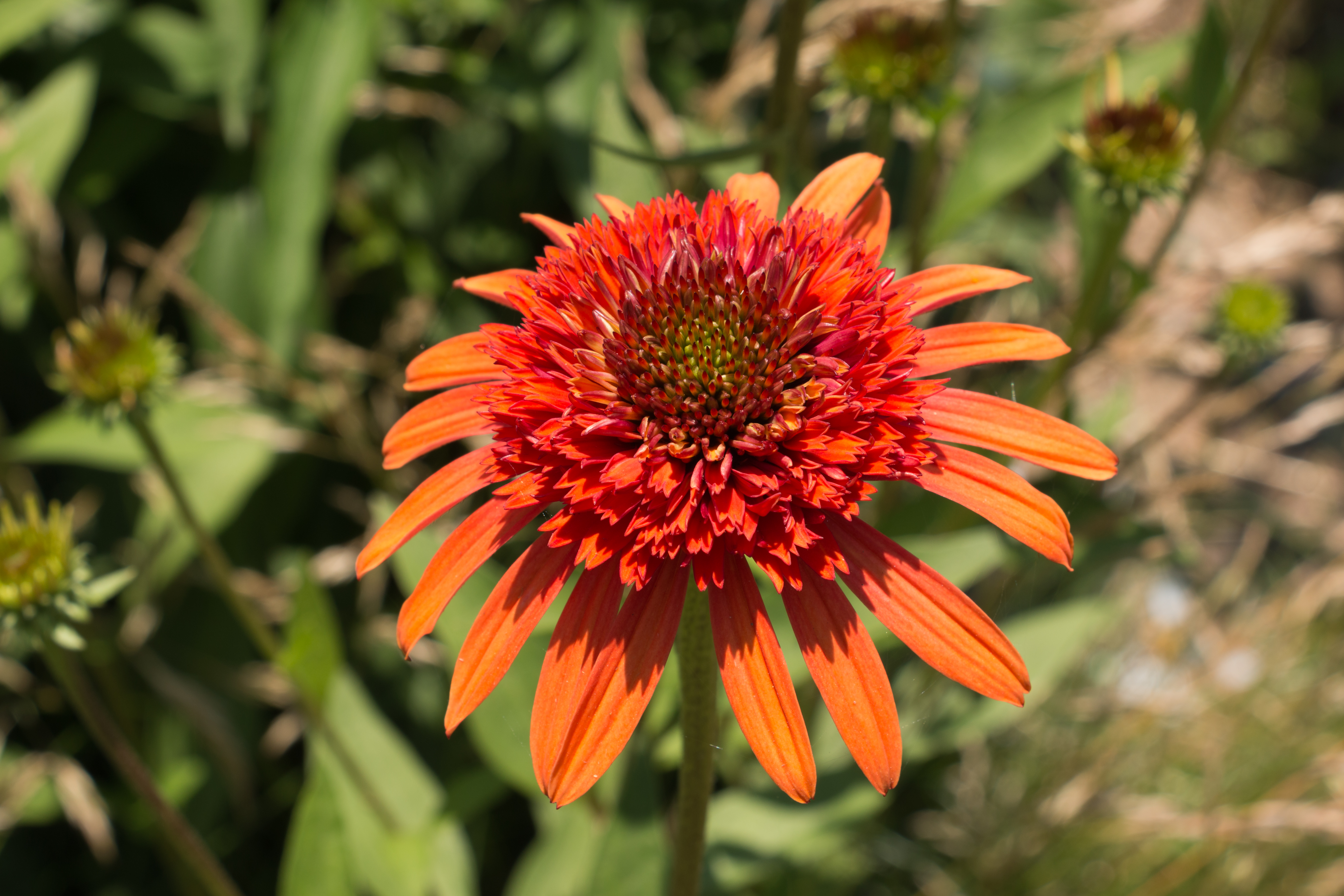
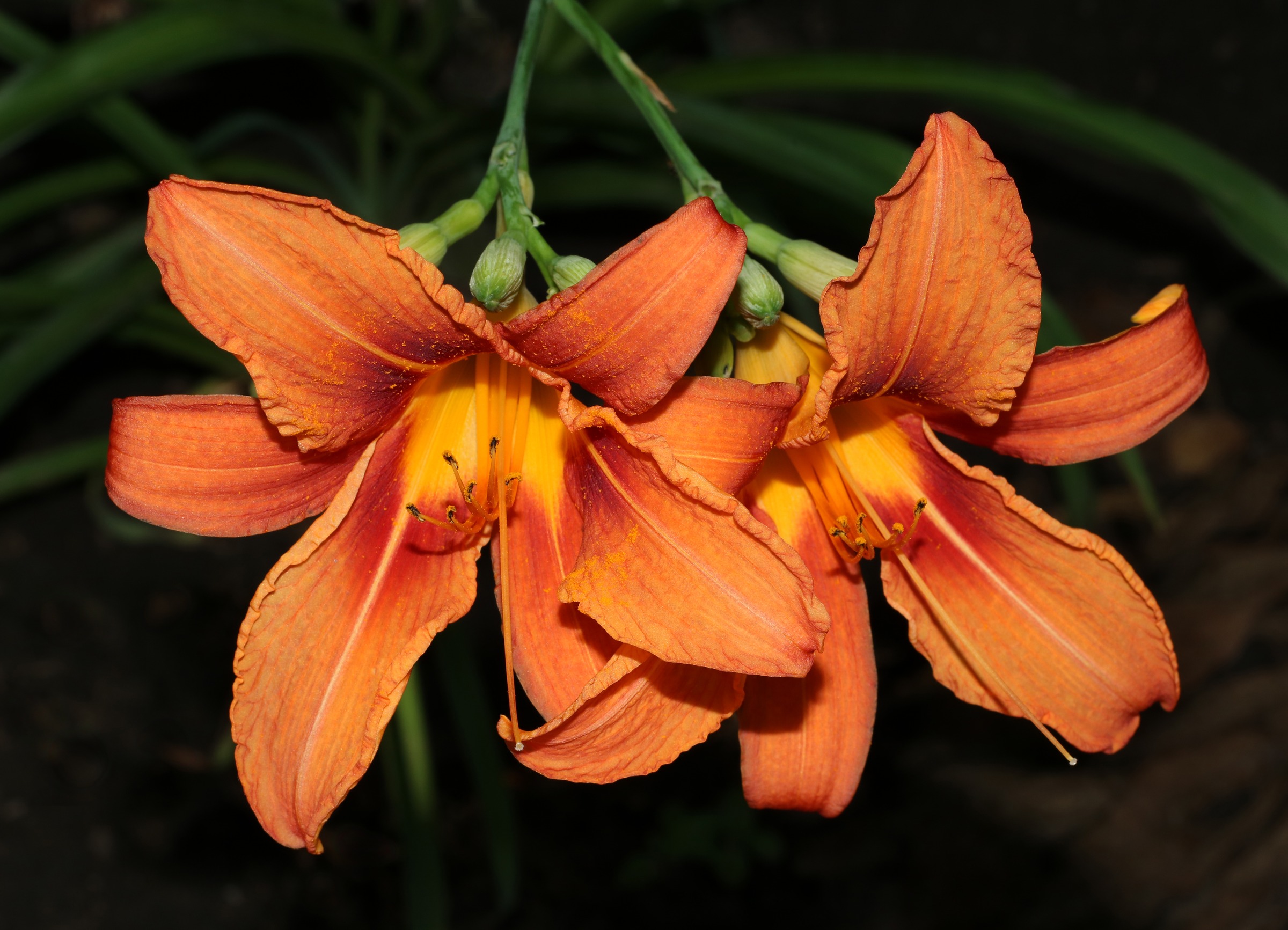
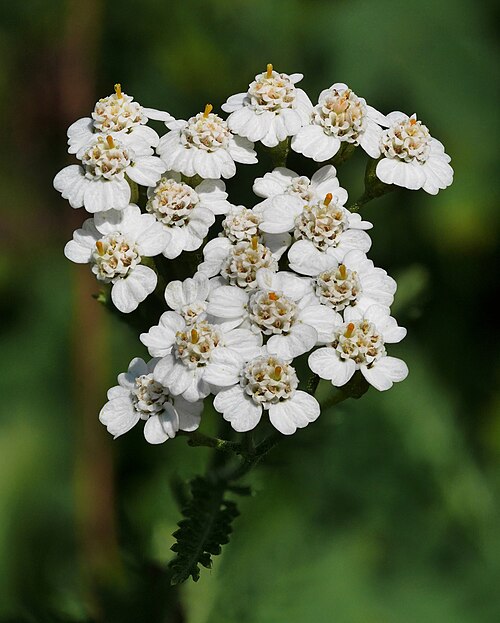
Daylily Black-eyed Susan Coneflower Yarrow
What Are the Benefits of Regular Lawn Aeration?
Regular lawn aeration offers a multitude of benefits that contribute to a healthier, more vibrant lawn.
- Improved Air Exchange: By creating channels in the soil, aeration allows vital oxygen to reach grass roots and carbon dioxide to escape. This is crucial for root respiration and overall plant health.
- Enhanced Water Penetration: Compacted soil often leads to water runoff, meaning less water reaches the roots. Aeration helps water soak deeply into the soil, reducing waste and promoting deeper root growth, making your lawn more drought-tolerant.
- Better Nutrient Uptake: Just like water, fertilizers and other nutrients can struggle to penetrate compacted soil. Aeration ensures that these essential elements can reach the root zone where they are absorbed, leading to a more efficient use of your lawn care products.
- Stronger Root Development: With improved access to air, water, and nutrients, grass roots can grow deeper and spread more extensively. A strong root system is the foundation of a resilient, healthy lawn that can better withstand environmental stresses.
- Reduced Thatch Buildup: While not a primary dethatching method, aeration helps break down thatch by introducing soil microorganisms to the thatch layer, speeding up its decomposition.
- Increased Resilience: A well-aerated lawn is better equipped to handle foot traffic, drought, heat stress, and even pest and disease pressures, leading to a more robust and attractive turf.
By incorporating aeration into your annual or biennial lawn care routine, you'll be providing your grass with the optimal conditions it needs to thrive, resulting in a lush, green carpet you can be proud of.
Ready to find the perfect plants for your yard? Try the PlantWise Plant Finder →