How to Topdress Your Lawn: Complete Guide
Topdressing your lawn involves applying a thin layer of organic material, compost, or sand mixture over the existing turf. This practice significantly improves soil structure, enhances nutrient availability, promotes stronger root growth, and helps to smooth out minor surface irregularities, leading to a healthier, more resilient, and vibrant lawn. It's a key technique for maintaining a lush, green carpet that can better withstand environmental stresses.
🌱 Get Personalized Plant Picks
Answer a few quick questions and we’ll match plants to your exact yard conditions.
Find My Plants →What is Topdressing and Why is it Important for Your Lawn?
Topdressing is the process of spreading a thin layer of material, typically a mixture of sand, soil, and organic matter, over the surface of an existing lawn. This practice, while seemingly simple, offers a multitude of benefits that contribute to the long-term health and appearance of your turf. The primary goal is to improve the underlying soil, which in turn nurtures stronger grass.
One of the most significant advantages of topdressing is its ability to enhance soil structure. Over time, lawn soil can become compacted, especially in high-traffic areas, reducing aeration and water penetration. Introducing organic matter through topdressing helps to loosen heavy clay soils and improve the water retention of sandy soils. This creates a more hospitable environment for grass roots to grow deep and strong, making the lawn more drought-tolerant and less susceptible to disease.
Furthermore, topdressing introduces beneficial microorganisms and nutrients into the soil. Organic materials break down slowly, providing a steady supply of essential nutrients that feed the grass naturally, reducing the reliance on synthetic fertilizers. This leads to a healthier soil ecosystem, which is the foundation of a thriving lawn. It also helps to decompose thatch - the layer of dead and living organic matter that accumulates between the soil surface and the green vegetation. A thin layer of thatch can be beneficial, but too much can prevent water, air, and nutrients from reaching the soil.
Beyond soil improvement, topdressing can also help level minor depressions and irregularities in your lawn, creating a smoother, more even surface. This is particularly useful after aeration, as the topdressing material can fill the holes, further improving soil contact with the grass roots. Regular topdressing can also enhance seed germination when overseeding, providing a protective and nutrient-rich bed for new grass seedlings.
When is the Best Time to Topdress Your Lawn?
Timing is crucial for successful lawn topdressing. The ideal time to topdress your lawn is during the active growing season of your grass, when it can quickly recover and benefit from the added material. This typically means late spring or early fall for most grass types.
For cool-season grasses, such as fescue, rye, and Kentucky bluegrass, the best times are early fall (late August to October) or early spring (March to May). In the fall, the cooler temperatures and increased rainfall provide excellent conditions for grass recovery and root development before winter dormancy. Spring topdressing allows the grass to absorb nutrients and strengthen before the stresses of summer heat.
Warm-season grasses, including Bermuda grass, zoysia, and St. Augustine, thrive in warmer temperatures. Therefore, the best time to topdress them is late spring or early summer (April to June), when temperatures are consistently warm and the grass is actively growing. This allows the grass to quickly incorporate the topdressing material and benefit from the added nutrients.
Avoid topdressing during periods of extreme heat or drought, or when the grass is dormant. Applying material during these times can stress the lawn further and hinder its ability to recover, potentially leading to damage. It's also advisable to topdress after mowing and, ideally, after aerating your lawn. Aeration creates holes that allow the topdressing material to penetrate deeper into the soil, maximizing its benefits.
What Materials Should You Use for Topdressing?
Choosing the right material is paramount for effective topdressing. The best topdressing mixes are typically a blend of sand, loam, and organic matter, tailored to address specific soil deficiencies.
Compost: High-quality compost is an excellent choice for topdressing. It's rich in organic matter, teeming with beneficial microorganisms, and improves soil structure, drainage, and nutrient retention. Look for well-rotted, finely screened compost free from large chunks or weed seeds. Using compost alone can significantly boost soil health.
Sand: Sand is primarily used to improve drainage in heavy clay soils. It helps to create larger pore spaces, allowing water and air to move more freely. However, using too much sand on its own can create a "sand layer" that impedes root growth, so it's usually blended with other materials.
Loam/Topsoil: A good quality loam or screened topsoil provides a balanced mix of sand, silt, and clay, offering a good base for improving soil texture. When combined with compost, it creates a comprehensive topdressing blend.
Blended Mixes: Many garden centers offer pre-mixed topdressing products specifically formulated for lawns. These often contain a balanced ratio of compost, sand, and sometimes a small amount of topsoil. These blends are often the most convenient and effective option for homeowners.
When selecting your material, consider your existing soil type. If you have heavy clay soil, a mix with a higher sand content might be beneficial. For sandy soils, a compost-rich blend will help improve water retention and nutrient levels. Always ensure the material is finely screened to prevent smothering the grass and to allow it to filter down to the soil surface effectively.
Here are some plants that thrive in well-drained, nutrient-rich soil, often improved by practices like topdressing:
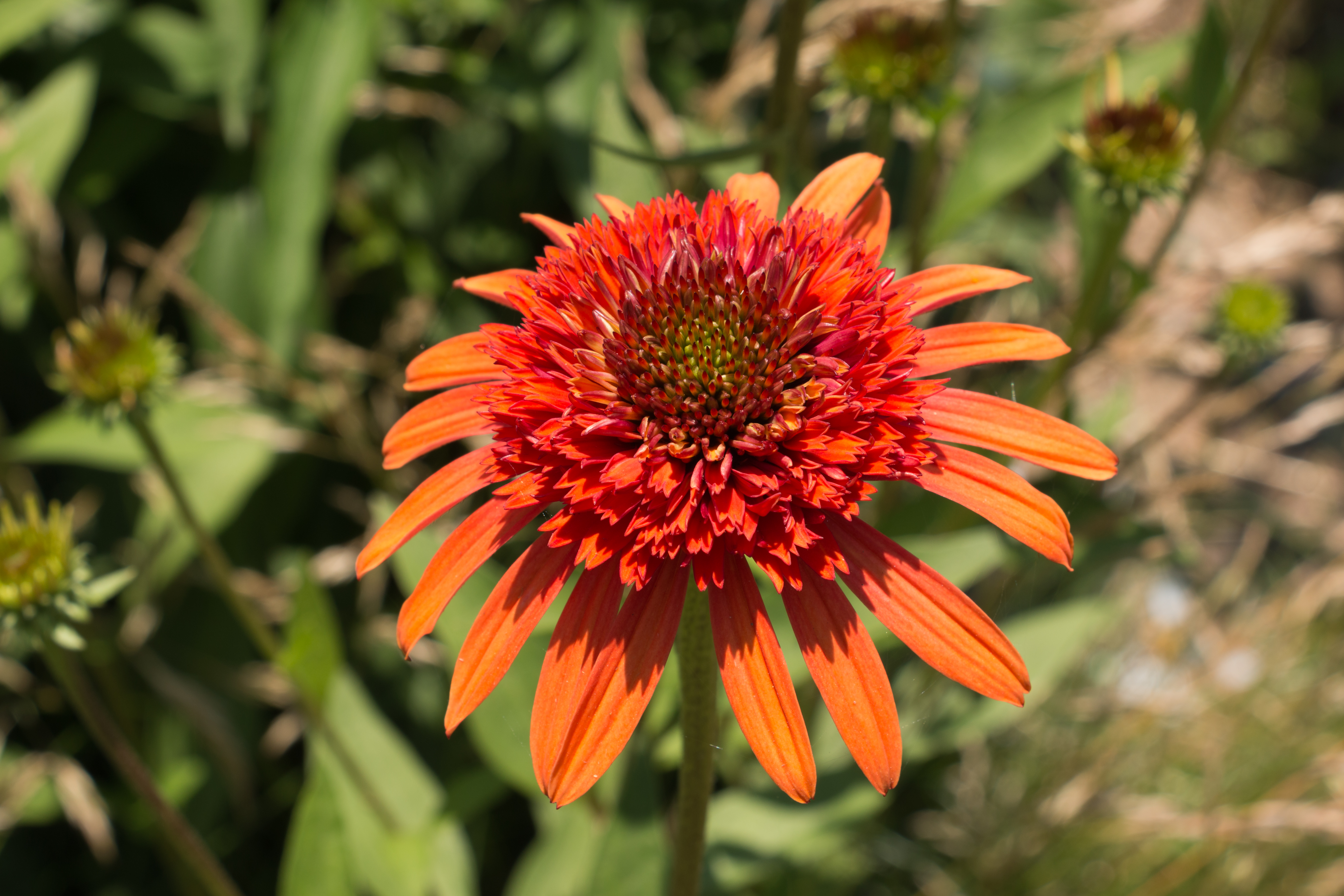
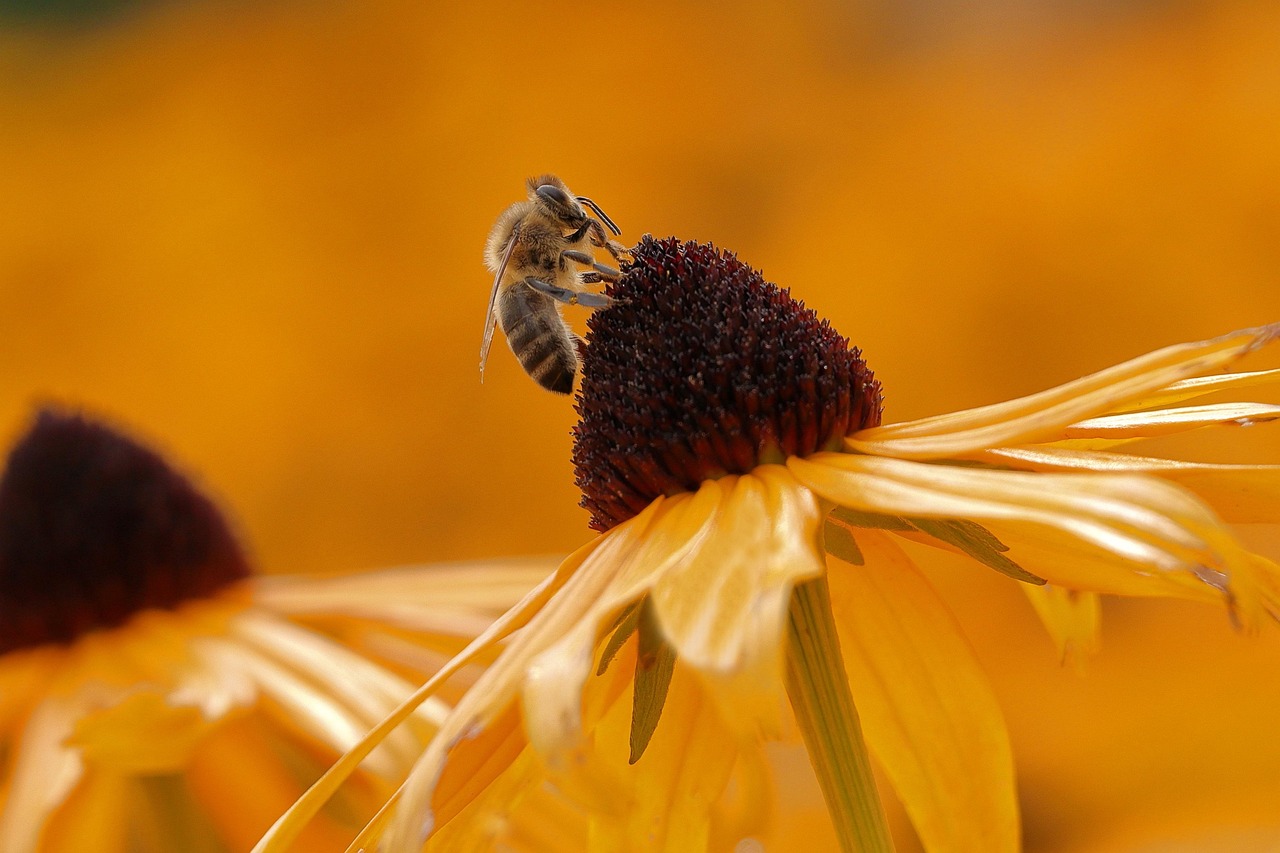
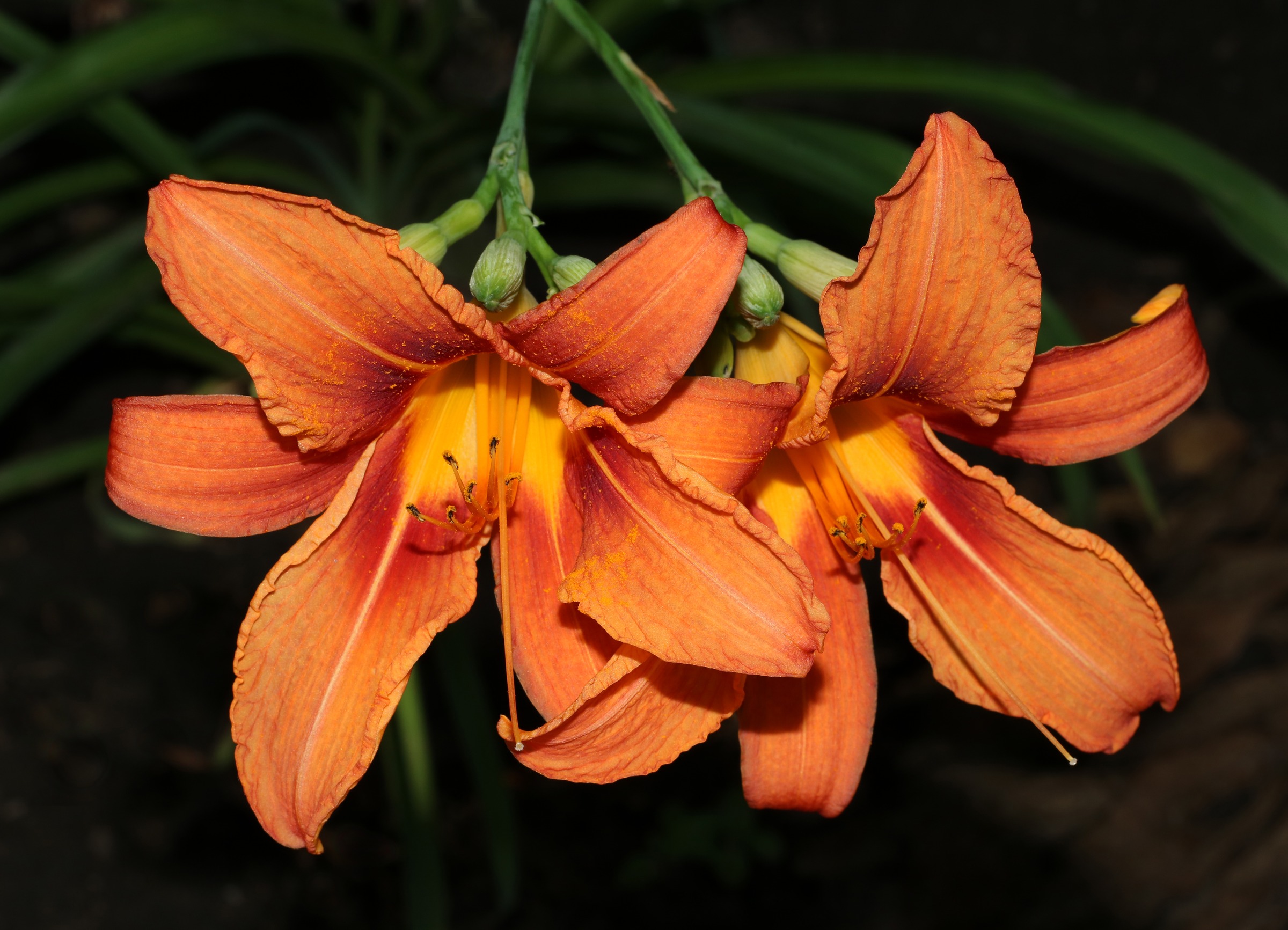
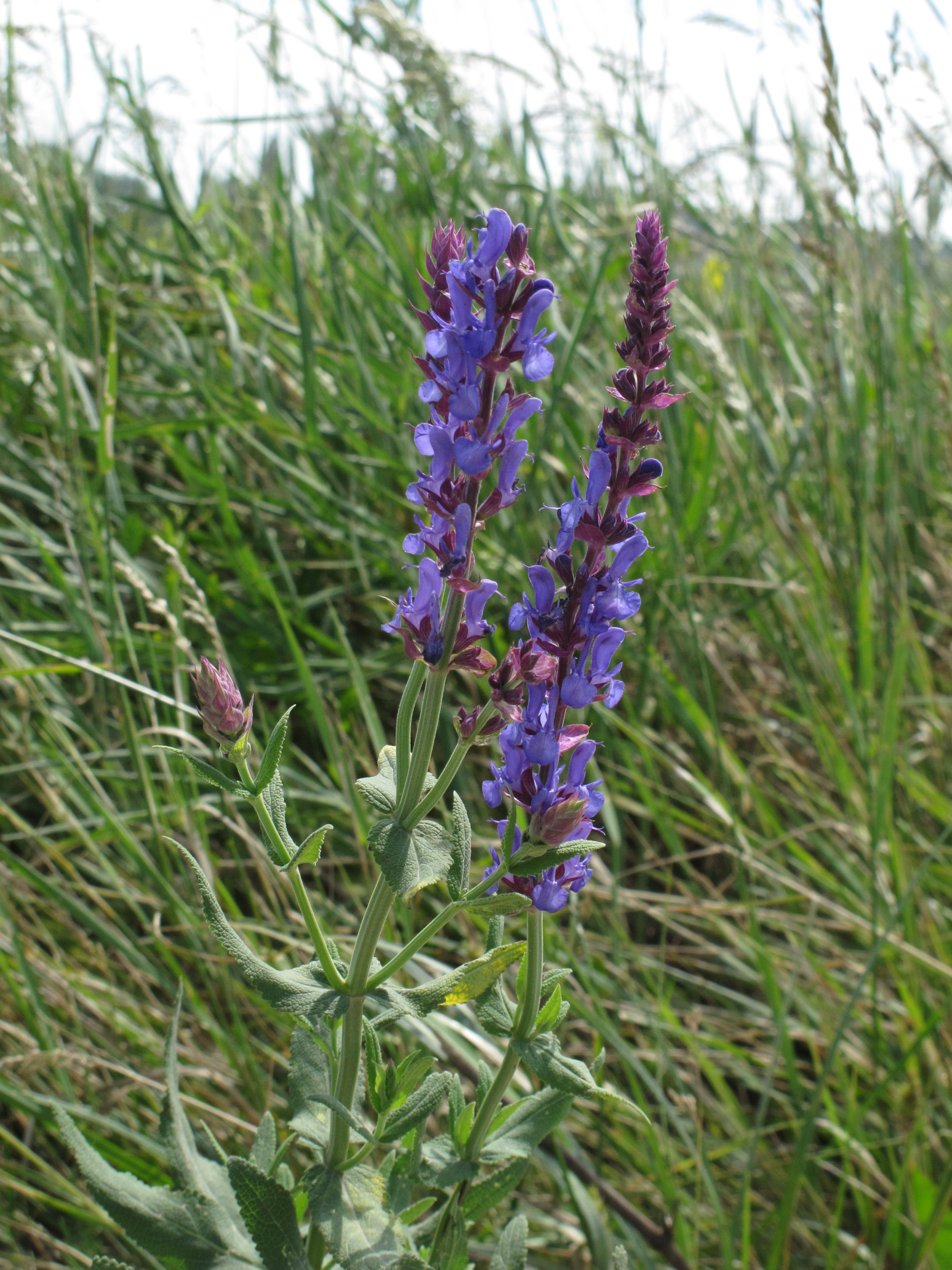
Daylily Coneflower Salvia Black-eyed Susan
How Do You Apply Topdressing Effectively?
Applying topdressing correctly is key to achieving its full benefits without harming your lawn. The goal is to apply a very thin, even layer that settles into the turf without smothering the grass blades.
Quick Reference: Topdressing Application Steps
- Mow Your Lawn: Cut your grass slightly shorter than usual a day or two before topdressing. This exposes more of the soil surface and allows the topdressing material to reach the soil more easily.
- Aerate (Optional but Recommended): If your soil is compacted, aerating before topdressing is highly beneficial. The holes created by aeration allow the topdressing material to penetrate deeper, improving its effectiveness.
- Prepare the Topdressing Material: Ensure your chosen topdressing material is finely screened and free of large clumps. If using a blend, mix it thoroughly before application.
- Spread Evenly:
- By Hand/Shovel: For smaller areas, you can use a shovel to place small piles of topdressing material around the lawn.
- Drop Spreader: A drop spreader can provide a very even application, especially for finely screened materials.
- Broadcast Spreader: While useful for fertilizers, broadcast spreaders can be less precise for topdressing and may throw material unevenly.
- Topdressing Spreader (Compost Spreader): For larger lawns, renting or purchasing a specialized topdressing spreader (often called a compost spreader or peat moss spreader) is the most efficient method. These drum-like spreaders ensure an even, thin layer.
- Rake or Brush In: After spreading, use the back of a rake, a push broom, or a specialized topdressing brush to work the material down into the turf. The goal is for the material to disappear into the grass, leaving no more than a quarter-inch layer on the surface, and ideally, exposing the tips of the grass blades. You should not see large clumps or piles of material sitting on top of the grass.
- Water Lightly: Lightly water the lawn after topdressing. This helps the material settle further into the turf and encourages contact with the soil, aiding in decomposition and nutrient release.
- Monitor and Repeat: Depending on your lawn's needs and the condition of your soil, topdressing can be done annually or every few years. Observe how your lawn responds and adjust your schedule accordingly.
Remember, less is more when it comes to topdressing. A thin, even layer is far more effective than a thick one, which can smother the grass and cause more harm than good. Consistency over time will yield the best results for a healthier, more vibrant lawn.
Ready to find the perfect plants for your yard? Try the PlantWise Plant Finder →