You Don't Need a Green Thumb
Here's a secret experienced gardeners won't tell you: most "black thumb" failures come from choosing the wrong plants, not from lack of skill. Pick plants suited to your conditions and they'll practically grow themselves.
This guide focuses on plants that tolerate neglect, forgive mistakes, and reward you with beauty despite minimal attention. If you can remember to water occasionally during the first summer, you can grow every plant on this list.
🌱 Get Personalized Plant Picks
Answer a few quick questions and we’ll match plants to your exact yard conditions.
Find My Plants →The 12 Most Forgiving Plants for New Gardeners
1. Daylily (Hemerocallis)
Zones 3-9 | Any Sun | Any Soil | Drought Tolerant Once Established
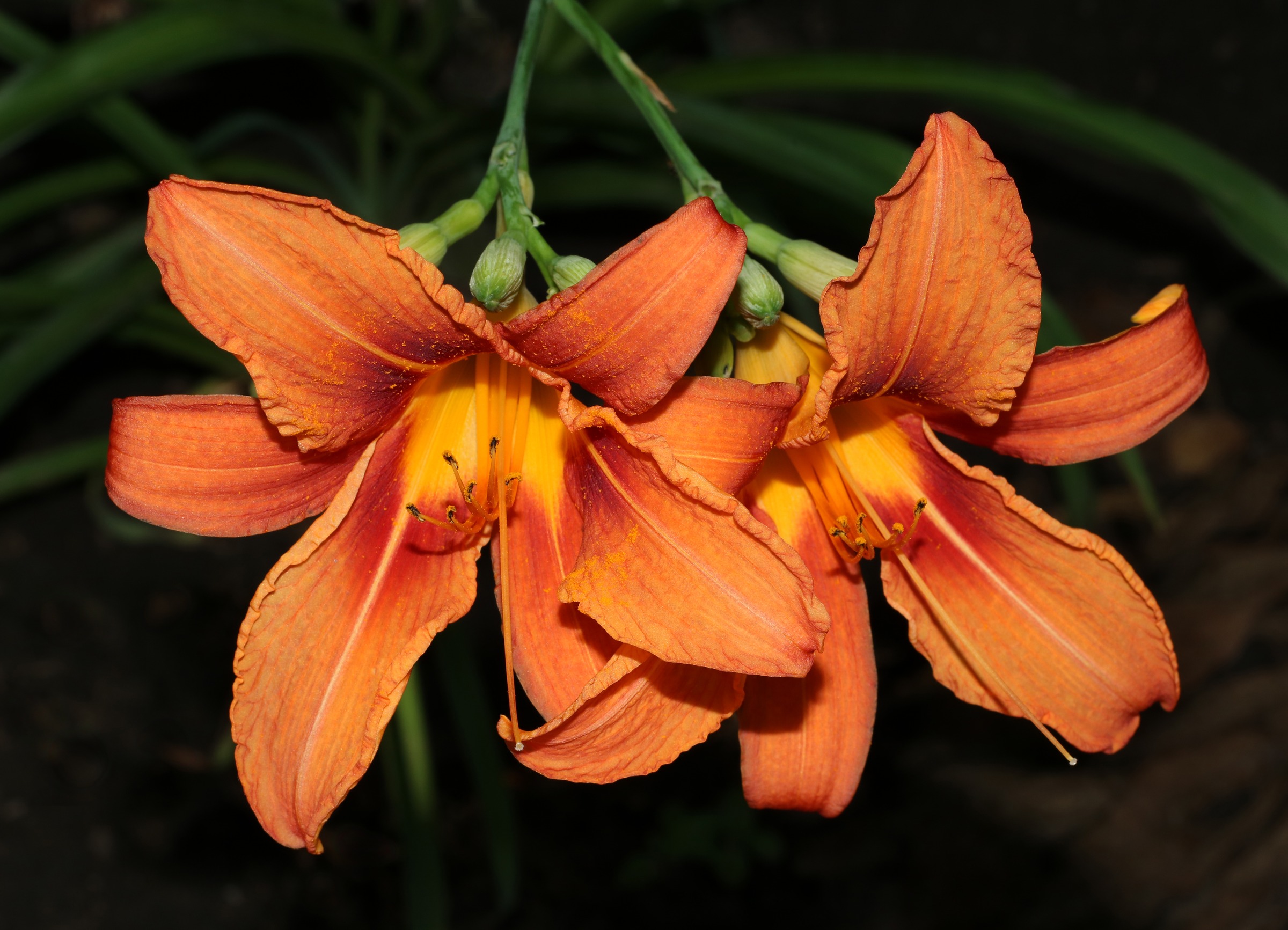
Daylilies are the ultimate beginner plant. They grow in almost any condition, multiply freely, bloom reliably, and are nearly impossible to kill. Start with 'Stella de Oro' for continuous reblooming or 'Happy Returns' for a softer yellow.
Beginner tip: Plant them and forget them. Seriously. They'll come back bigger every year.
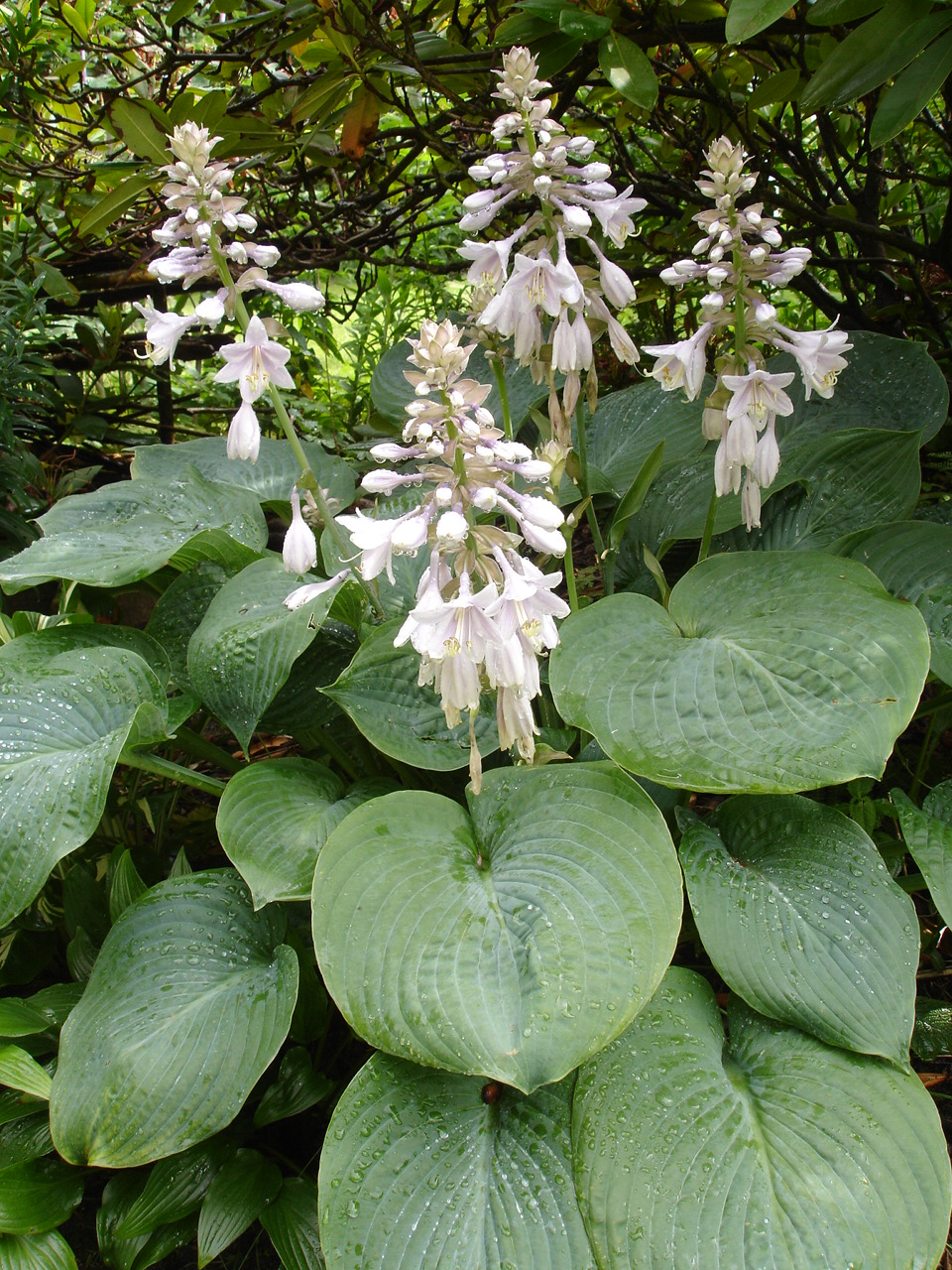
2. Hosta
Zones 3-9 | Shade to Part Shade | Moderate Water
If you have shade (and most beginners do-it's why their lawn struggles), hostas are your best friend. Hundreds of varieties from miniature to massive, in greens, blues, golds, and variegated patterns. They emerge reliably every spring and fill in beautifully.
Beginner tip: Slugs love hostas. A ring of crushed eggshells around the base helps. Or choose thick-leaved varieties like 'Sum and Substance' that resist slug damage.
3. Black-eyed Susan (Rudbeckia)
Zones 3-9 | Full Sun | Drought Tolerant
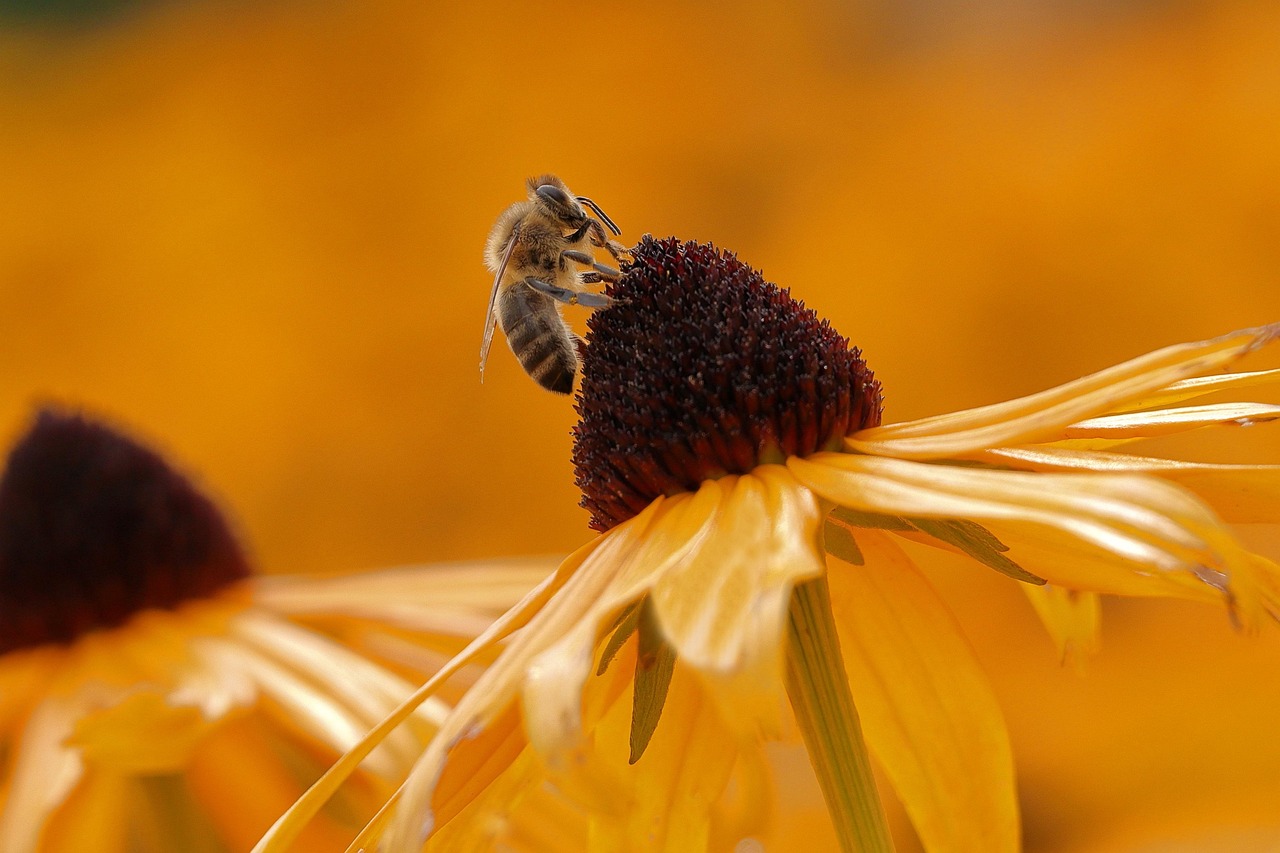
Bright, cheerful, and tough as nails. Black-eyed Susans bloom for weeks in summer, self-sow gently (free plants!), and look good even when you forget to deadhead. Native to North America, so they're perfectly adapted to local conditions.
4. Catmint (Nepeta)
Zones 3-8 | Full Sun | Drought Tolerant
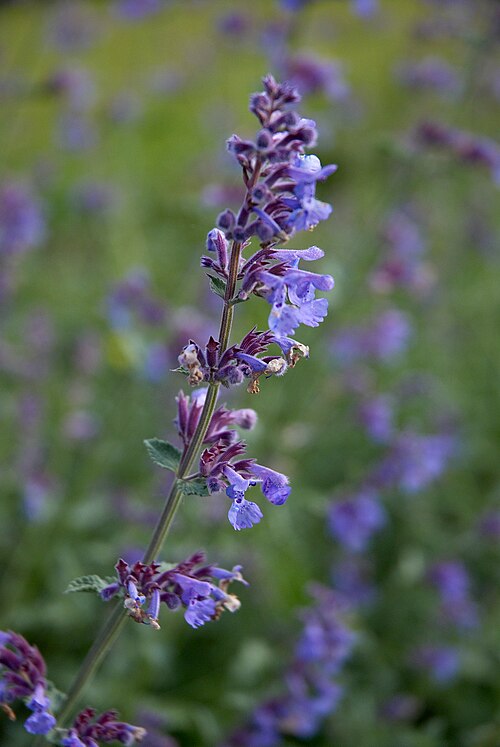
Plant catmint, shear it back by half after the first flush of bloom, and enjoy a second wave of flowers. That's the entire care regimen. It's deer-resistant, drought-tolerant, and pollinators adore it.
5. Sedum (Hylotelephium)
Zones 3-9 | Full Sun | Extremely Drought Tolerant
Succulent leaves store water, making sedum one of the most drought-tolerant perennials available. 'Autumn Joy' is the classic-it transitions from green buds to pink flowers to copper seed heads through the seasons.
Beginner tip: The only way to kill sedum is to overwater it. Less is more.
6. Coneflower (Echinacea)
Zones 3-8 | Full Sun | Moderate Water
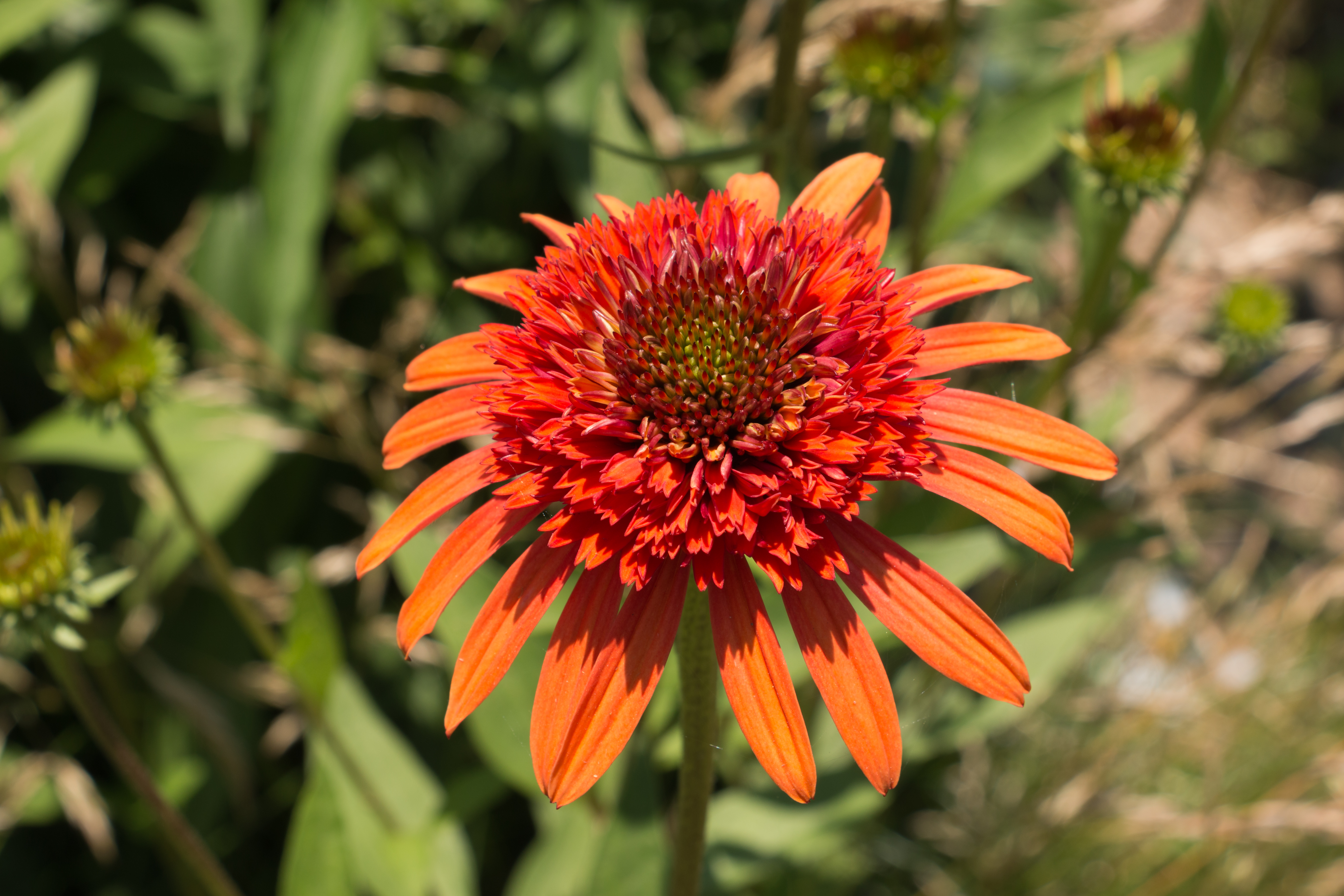
Native, beautiful, and medicinal (yes, it's the same echinacea in supplements). Coneflowers attract butterflies in summer and goldfinches in winter. They're drought-tolerant once established and self-sow modestly.
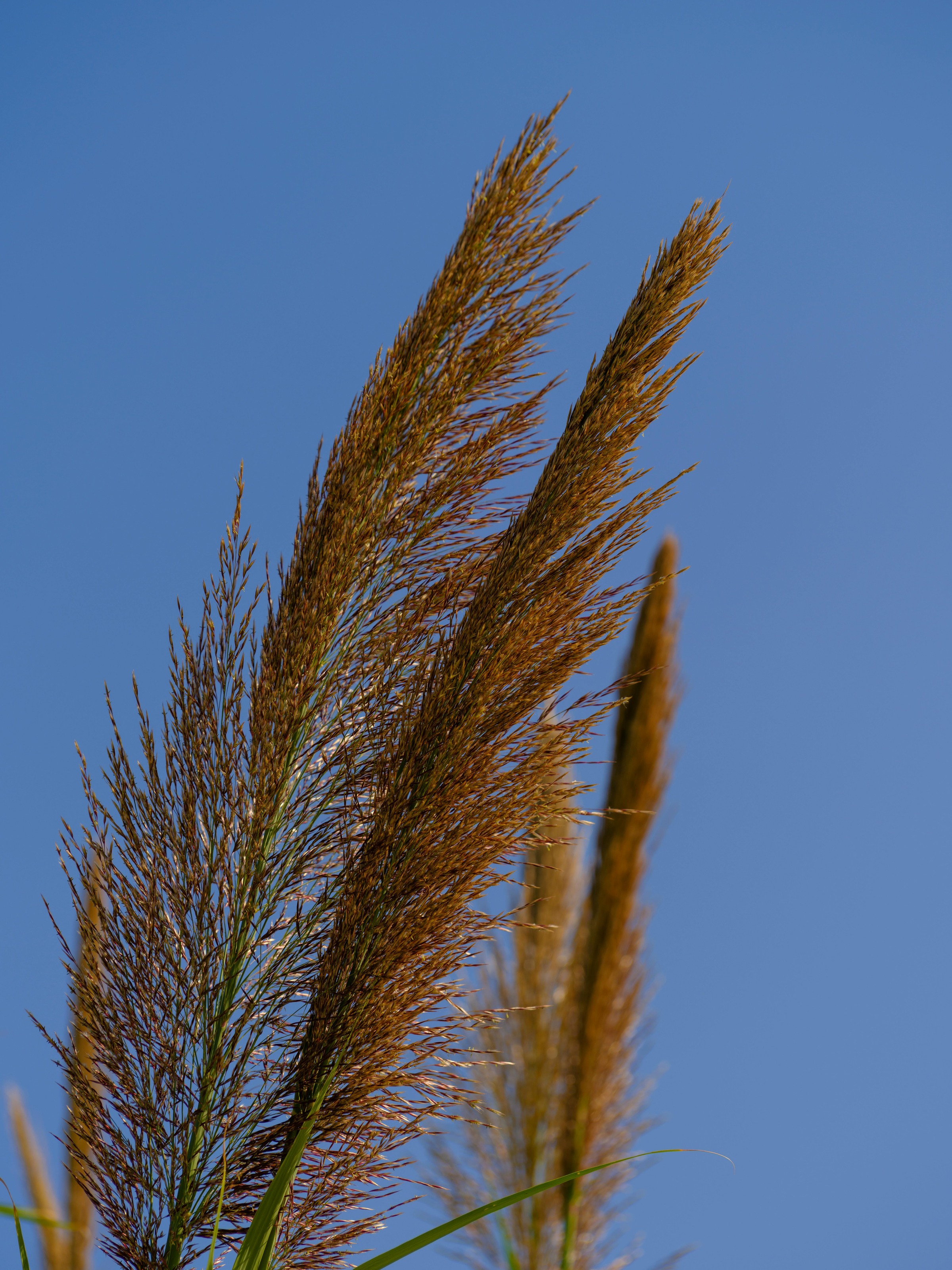
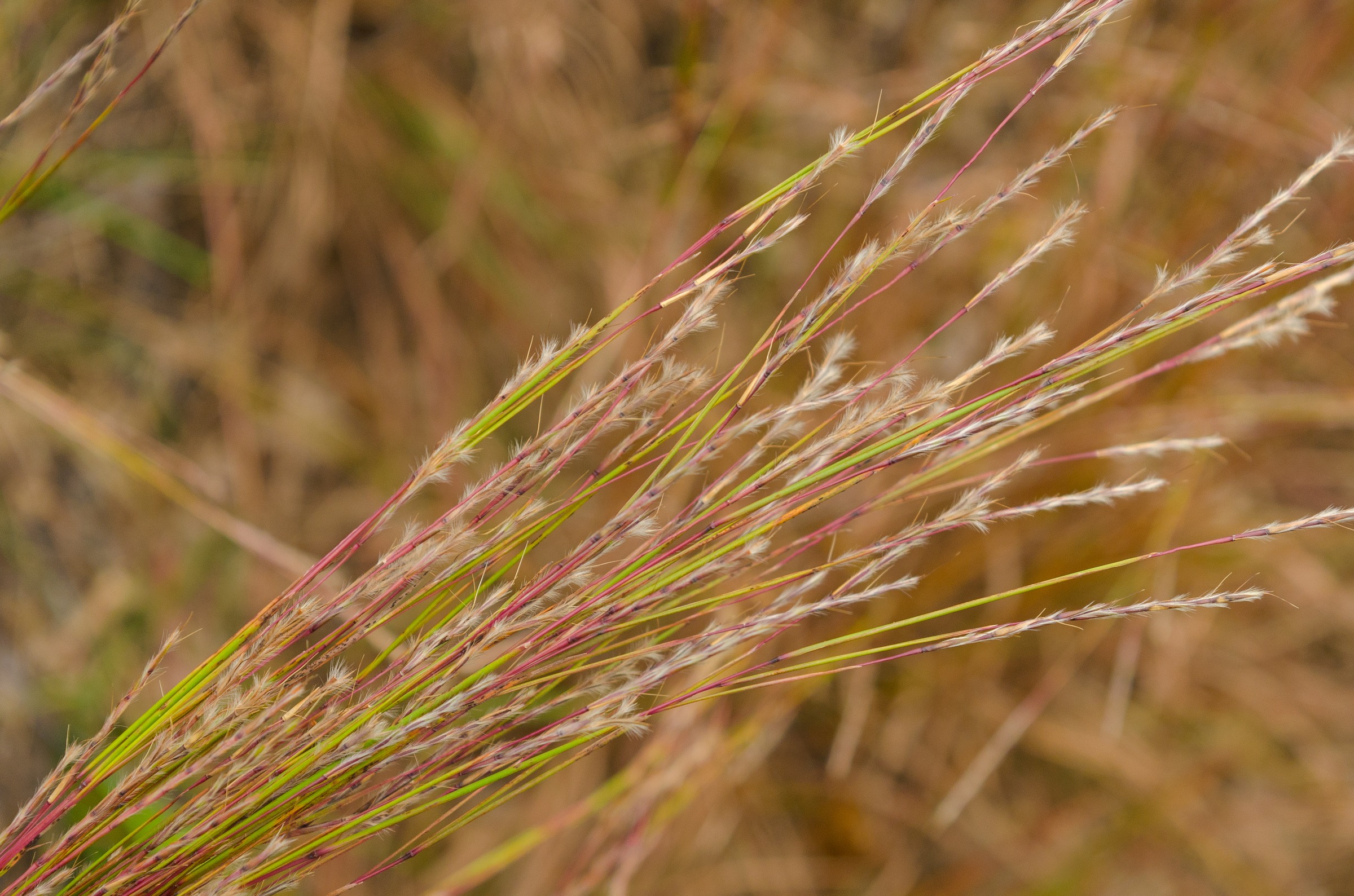
7. Ornamental Grasses
Zones vary | Full Sun | Low Water
Grasses provide movement, sound, and year-round interest with zero maintenance beyond cutting them back in early spring. Start with:
- Karl Foerster Feather Reed Grass - upright, tidy, zones 4-9
- Little Bluestem - native, stunning fall color, zones 3-9
8. Hydrangea (Hydrangea paniculata)
Zones 3-8 | Sun to Part Shade | Moderate Water
Specifically paniculata types like 'Limelight' or 'Little Lime'-they bloom on new wood, so you can't accidentally prune off next year's flowers (the #1 hydrangea mistake). Massive flower heads with minimal effort.
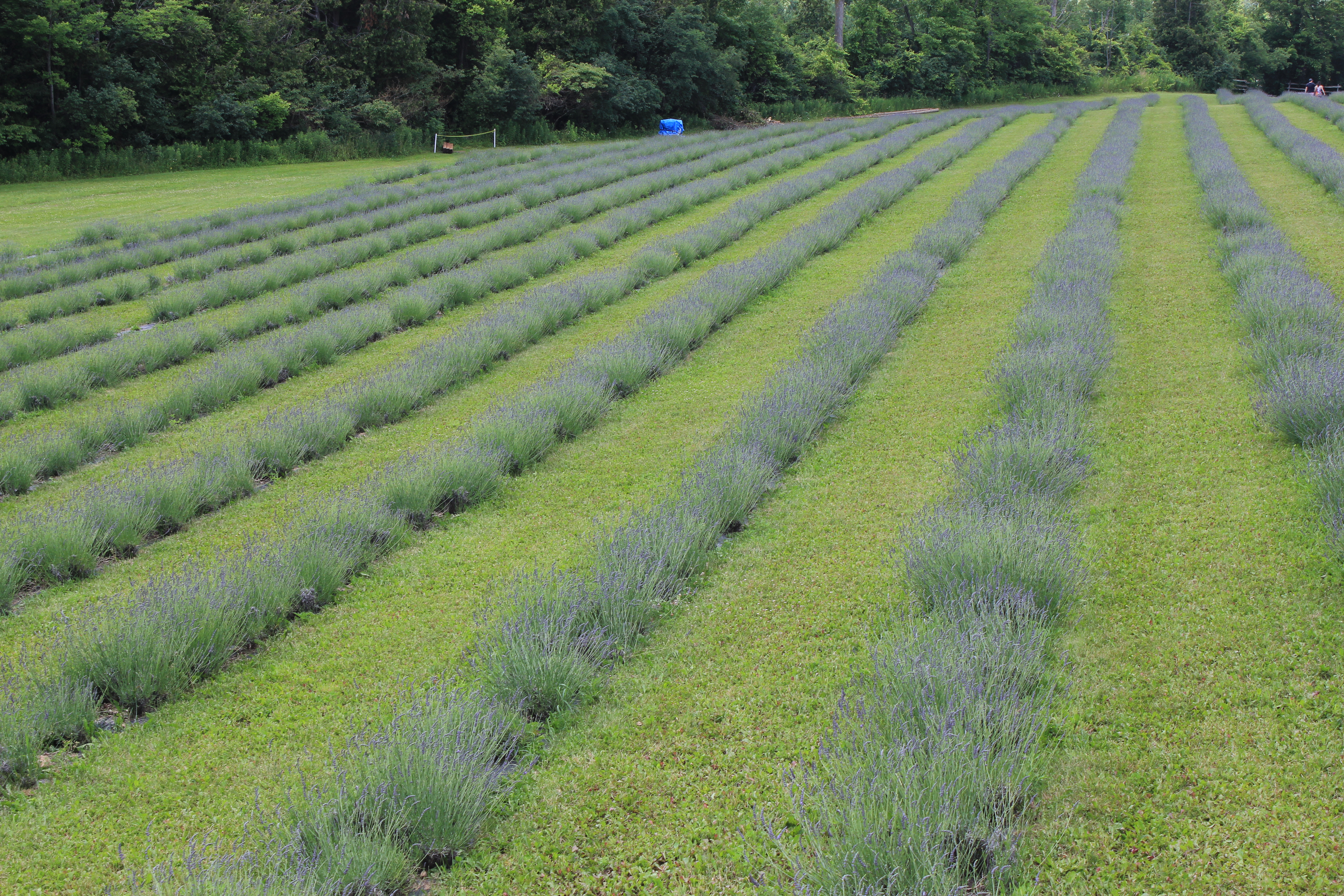
9. Lavender (Lavandula)
Zones 5-9 | Full Sun | Low Water
Lavender thrives on neglect in well-drained soil. Don't fertilize it, don't overwater it, and don't plant it in clay. Give it sun and sharp drainage and it'll reward you with fragrant blooms for years.
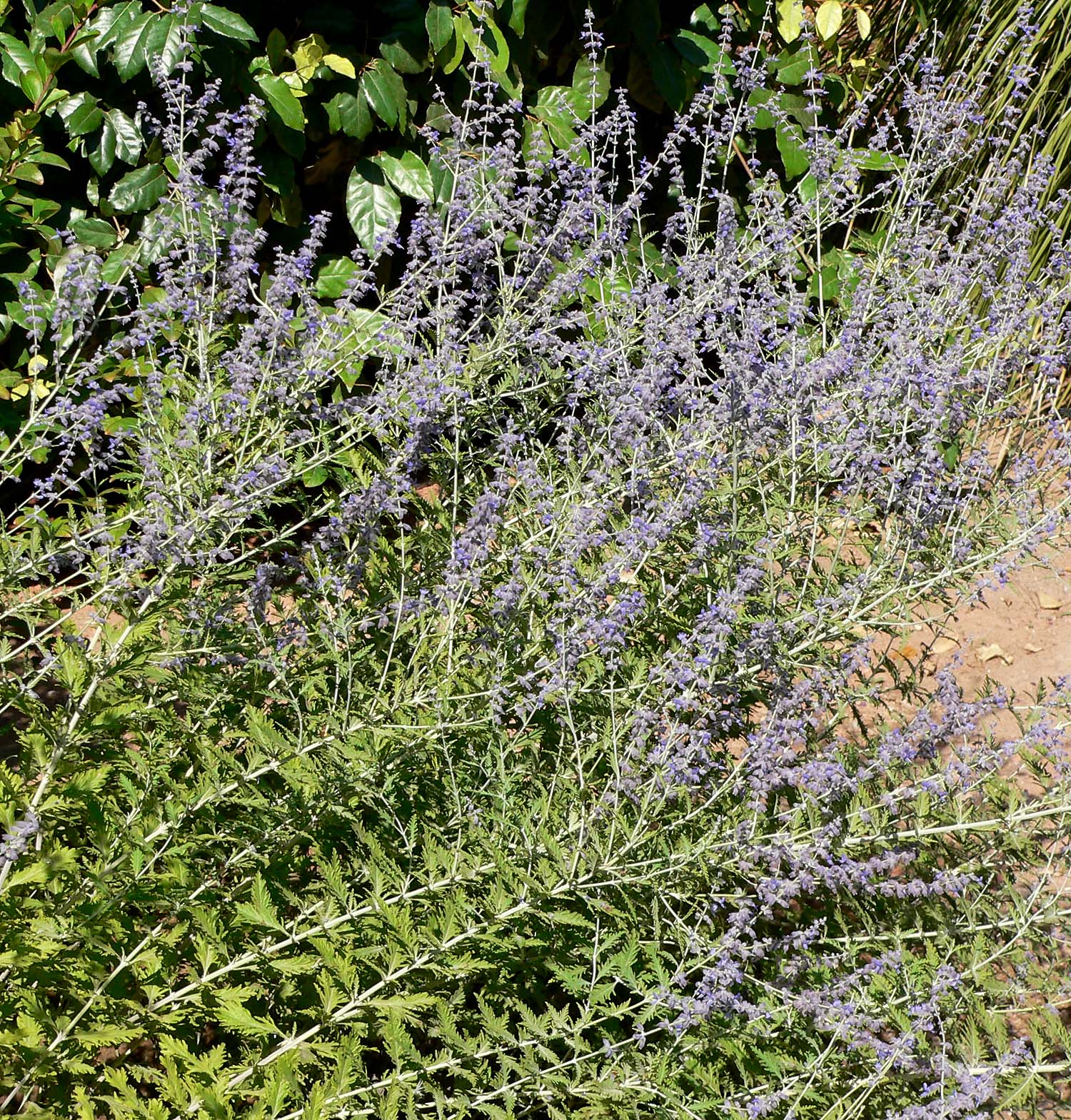
10. Russian Sage (Perovskia)
Zones 4-9 | Full Sun | Drought Tolerant
Silvery foliage and clouds of blue flowers from midsummer through fall. Russian sage is drought-tolerant, deer-resistant, and looks beautiful even in winter. Cut it back to 12 inches in spring-that's all the maintenance it needs.
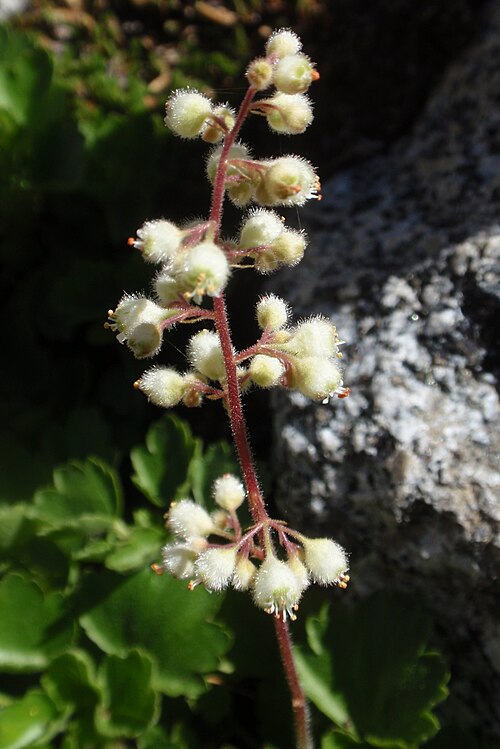
11. Coral Bells (Heuchera)
Zones 4-9 | Part Shade | Moderate Water
Grown primarily for their stunning foliage in colors from lime green to deep purple to silver. Coral bells provide year-round color in shade gardens and require almost no care beyond occasional division every 3-4 years.
12. Switchgrass (Panicum virgatum)
Zones 4-9 | Full Sun | Any Soil | Drought Tolerant
A native prairie grass that's adapted to North American conditions over thousands of years. It handles drought, clay, sand, heat, and cold. 'Shenandoah' turns brilliant red in fall.
Five Rules for Beginner Success
Right plant, right place. Match sun/shade requirements exactly. This is the #1 factor in plant survival.
Water deeply but infrequently. Deep watering encourages deep roots. Shallow daily watering creates weak, dependent plants.
Mulch everything. 2-3 inches of mulch suppresses weeds, retains moisture, and regulates soil temperature. It's the single best thing you can do for your garden.
Start small. A well-maintained 4×8 bed looks better than a neglected 20×20 plot. You can always expand next year.
Don't fertilize the first year. Most garden soil has adequate nutrients. Over-fertilizing causes leggy growth and fewer flowers.
Related: Seed catalog planning for the garden
Get Personalized Recommendations
Every garden is different. Use the PlantWise Recommendation Wizard to find the perfect low-maintenance plants for your specific USDA zone, sun exposure, and yard conditions. We'll match you with plants that thrive where you live-no guesswork required.