The Case for Native Plants
A single native oak tree supports over 500 species of caterpillars-the primary food source for baby birds. A non-native ginkgo tree? Fewer than 5. This stark difference illustrates why native plants are the foundation of healthy local ecosystems.
Native plants are species that evolved in your region over thousands of years. They've developed relationships with local insects, birds, and soil organisms that non-native plants simply cannot replicate. When we replace natives with ornamentals from other continents, we break these ecological connections.
🌱 Get Personalized Plant Picks
Answer a few quick questions and we’ll match plants to your exact yard conditions.
Find My Plants →What Makes Native Plants Special
They Support Wildlife
- Native plants host 10-50x more insect species than non-natives
- 96% of terrestrial birds feed insects to their young-insects that depend on native plants
- Native berries and seeds ripen at the right time for migrating birds
They're Adapted to Local Conditions
- Evolved for your soil type, rainfall patterns, and temperature extremes
- Typically need less water, fertilizer, and pesticides once established
- Deep root systems prevent erosion and filter groundwater
They Save You Money
- Lower water bills (adapted to local rainfall)
- No fertilizer needed (adapted to local soil)
- Fewer pest problems (natural predators keep them in check)
Top Native Plants by Region
Northeast & Mid-Atlantic (Zones 4-7)
| Plant | Type | Bloom | Wildlife Value |
|---|---|---|---|
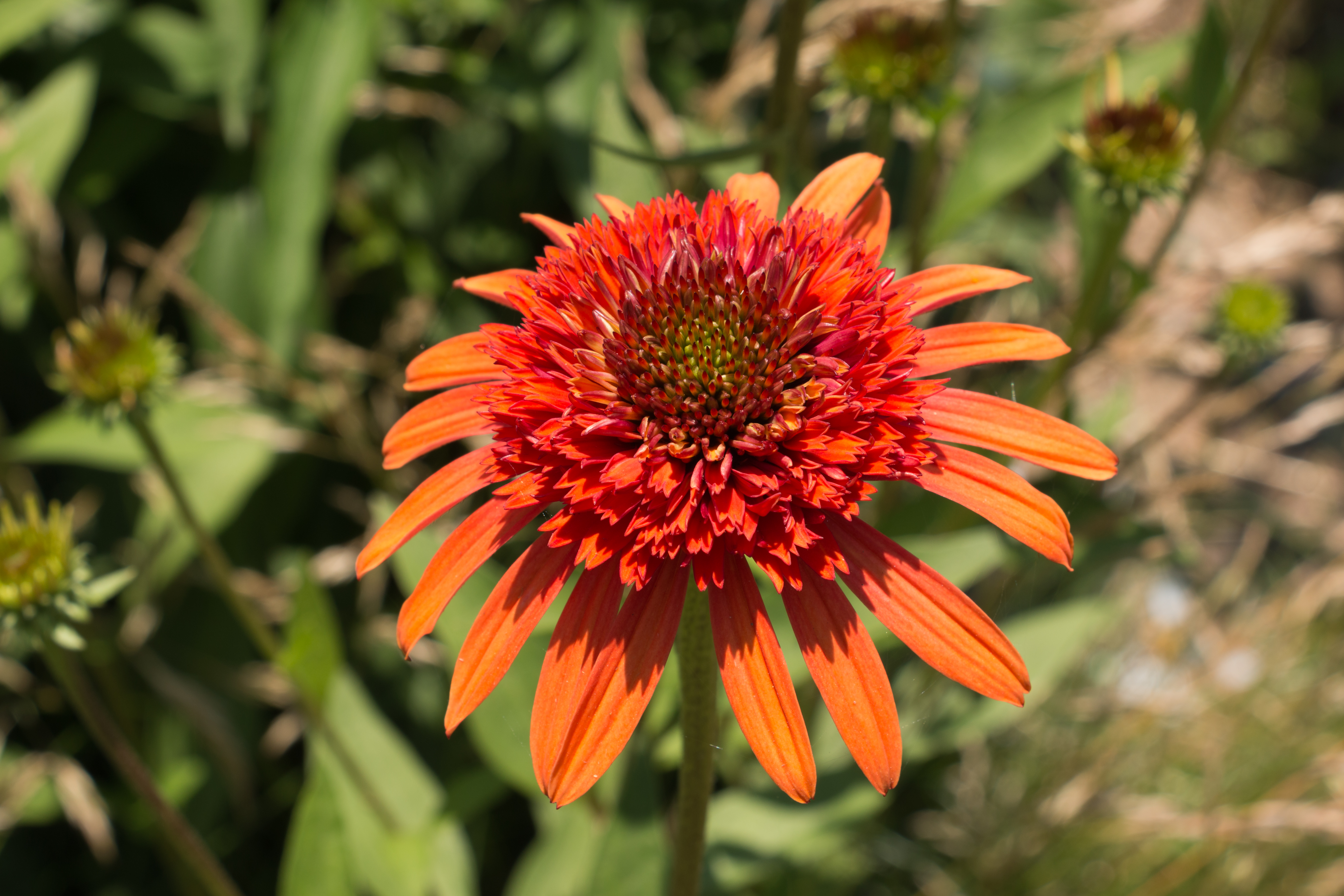
| Coneflower | Perennial | June-Sept | Butterflies, goldfinches |
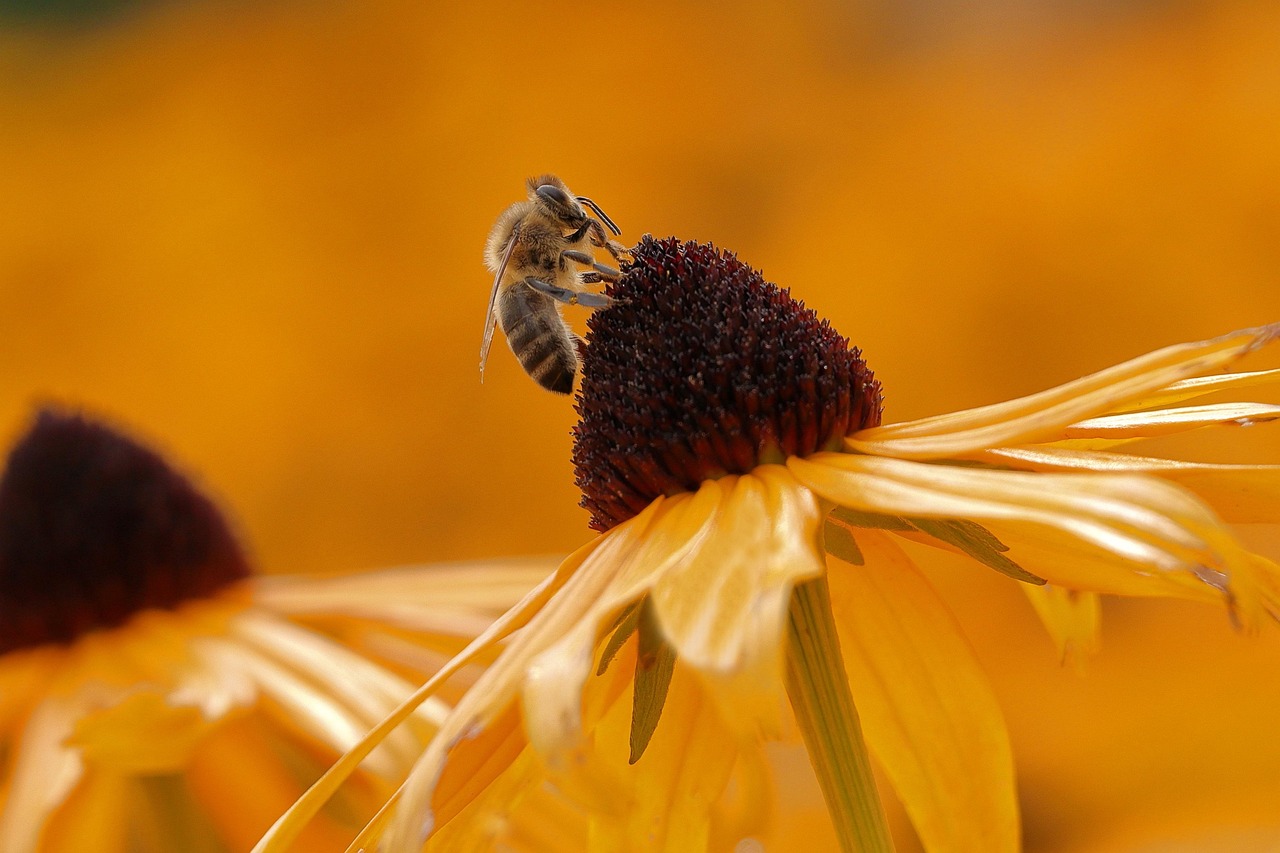
| Black-eyed Susan | Perennial | July-Sept | Bees, birds |
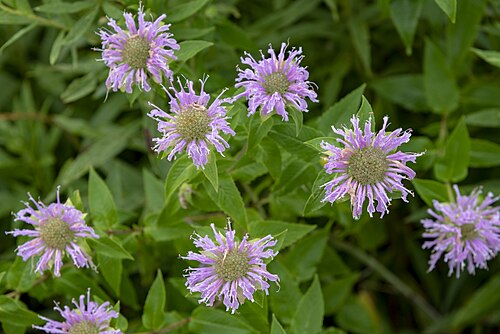
| Wild Bergamot | Perennial | July-Aug | Bees, hummingbirds |
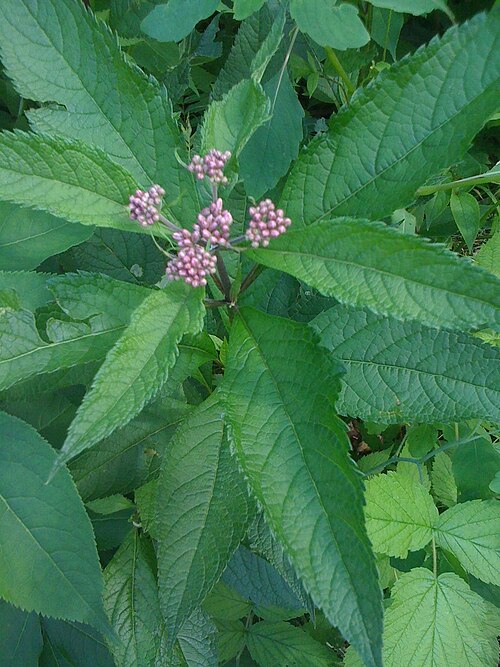
| Joe Pye Weed | Perennial | Aug-Sept | Monarchs, swallowtails |
| Switchgrass | Grass | Aug-Sept | Birds (seeds, nesting) |
| Eastern Redbud | Tree | April | Early bees |
| Serviceberry | Tree/Shrub | April-May | 40+ bird species eat berries |
| Winterberry Holly | Shrub | - | Winter bird food |
Southeast (Zones 7-9)
| Plant | Type | Bloom | Wildlife Value |
|---|---|---|---|
| Coral Honeysuckle | Vine | Spring-Fall | Hummingbirds |
| Beautyberry | Shrub | - | Fall bird food |
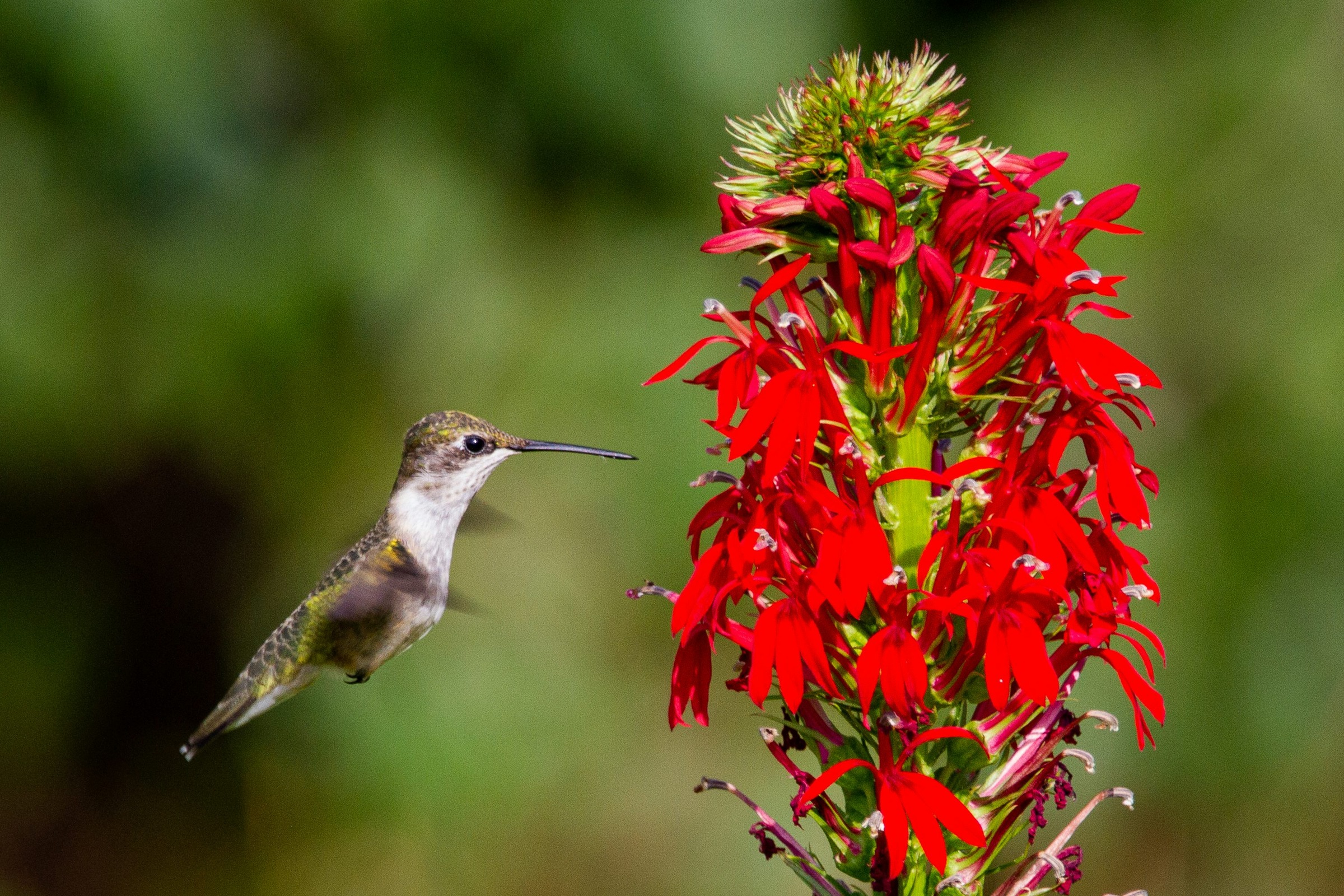
| Cardinal Flower | Perennial | July-Sept | Hummingbirds |
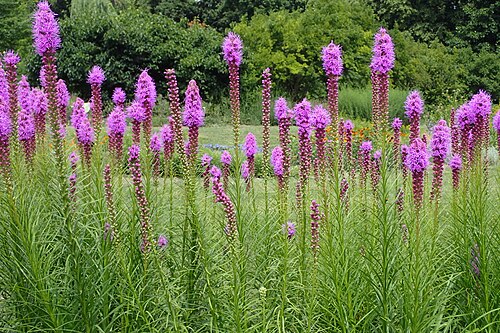
| Blazing Star | Perennial | Aug-Oct | Monarchs |
| River Oats | Grass | Aug-Oct | Birds |
Midwest & Plains (Zones 4-6)
| Plant | Type | Bloom | Wildlife Value |
|---|---|---|---|
| Prairie Dropseed | Grass | Aug-Sept | Ground-nesting birds |
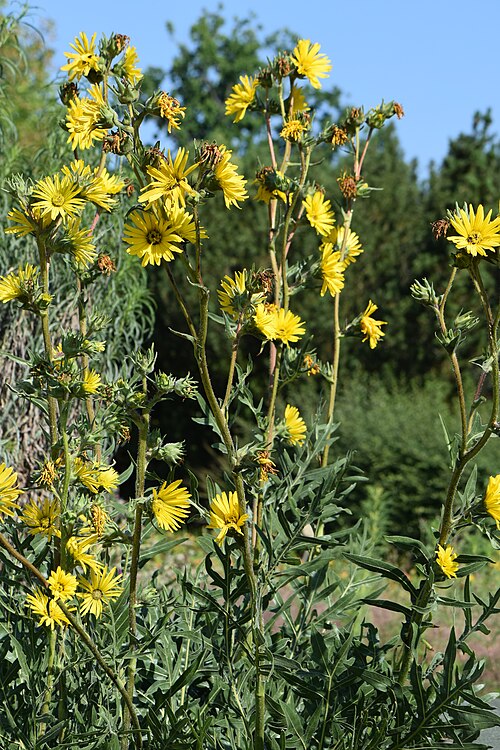
| Compass Plant | Perennial | July-Aug | Bees, birds |
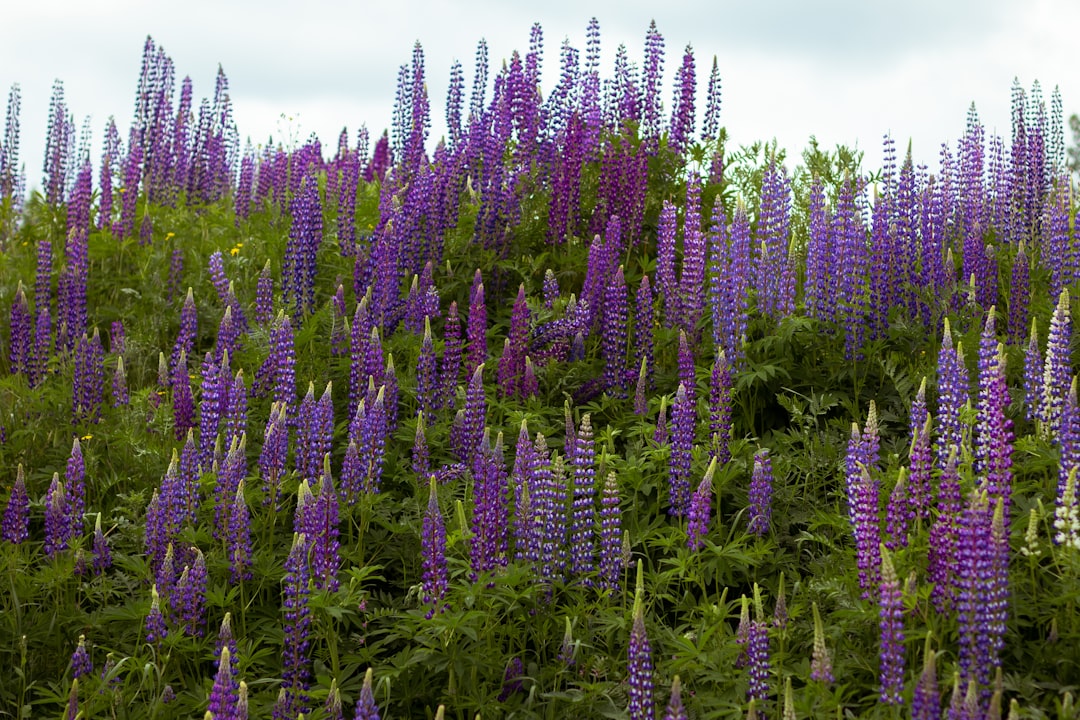
| Wild Lupine | Perennial | May-June | Karner blue butterfly host |
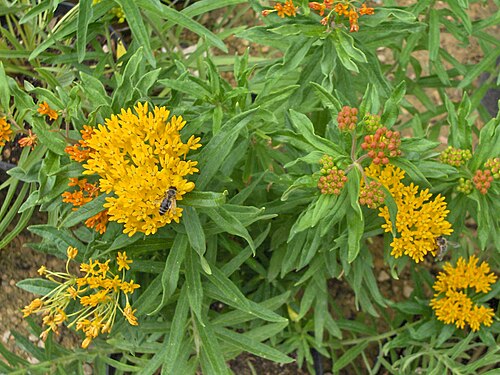
| Butterfly Weed | Perennial | June-Aug | Monarch host plant |
| Big Bluestem | Grass | Aug-Sept | Prairie birds |
Pacific Northwest (Zones 7-9)
| Plant | Type | Bloom | Wildlife Value |
|---|---|---|---|
| Oregon Grape | Shrub | March-May | Bees, birds |
| Red Flowering Currant | Shrub | March-April | Hummingbirds |
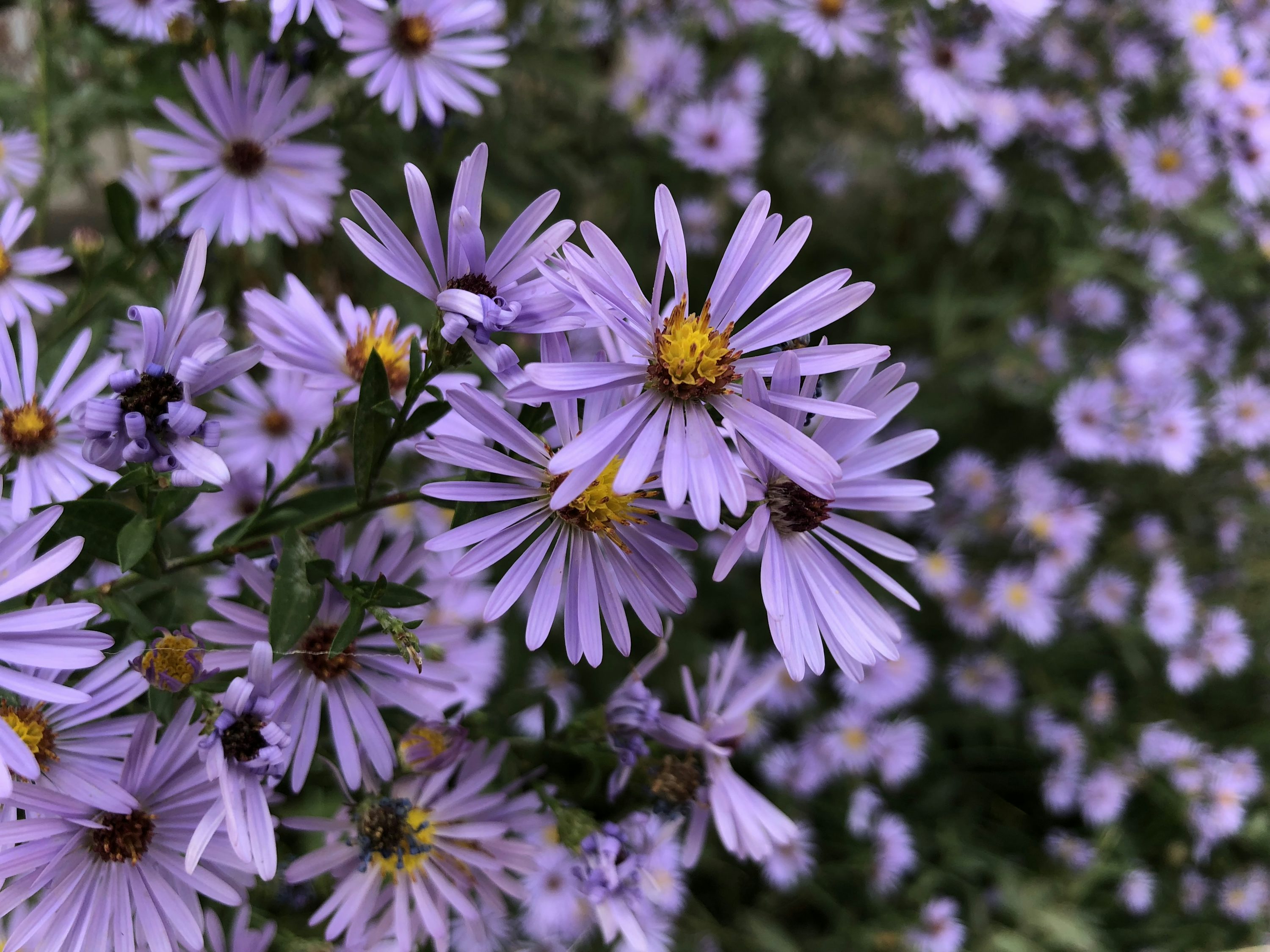
| Pacific Aster | Perennial | Aug-Oct | Native bees |
| Sword Fern | Fern | - | Shelter for wildlife |
How to Start a Native Garden
Step 1: Observe Your Site
Spend a season noting sun patterns, drainage, and existing wildlife. This tells you what conditions you're working with.
Step 2: Start Small
Convert one bed at a time. A 4×8 native plant bed is more impactful than you'd think-research shows even small native plantings attract significantly more wildlife.
Step 3: Choose a Mix
Aim for:
- 60% perennial wildflowers (the showstoppers)
- 20% native grasses (structure and winter interest)
- 20% shrubs/trees (vertical layers and year-round habitat)
Step 4: Plant in Groups
Plant 3-7 of each species together. This mimics natural communities and makes it easier for pollinators to find food.
Step 5: Be Patient
Native gardens look "messy" the first year as plants establish root systems. By year 2-3, they'll fill in beautifully and require far less maintenance than a traditional garden.
The "Messy" Myth
Native gardens don't have to look wild or unkempt. Design principles still apply:
- Use repetition and drifts for visual cohesion
- Edge beds cleanly for a maintained appearance
- Include structure plants (grasses, shrubs) for year-round form
- Combine natives with a few well-chosen non-invasive ornamentals if desired
Find Native Plants for Your Zone
Use the PlantWise Recommendation Wizard and filter for "Native to US" plants. We'll match native species to your specific USDA zone and growing conditions, so you can support local ecosystems while creating a beautiful landscape.
PlantWise marks all native plants with a 🌿 Native badge. Look for it in our plant directory and recommendation results.