About This Collection
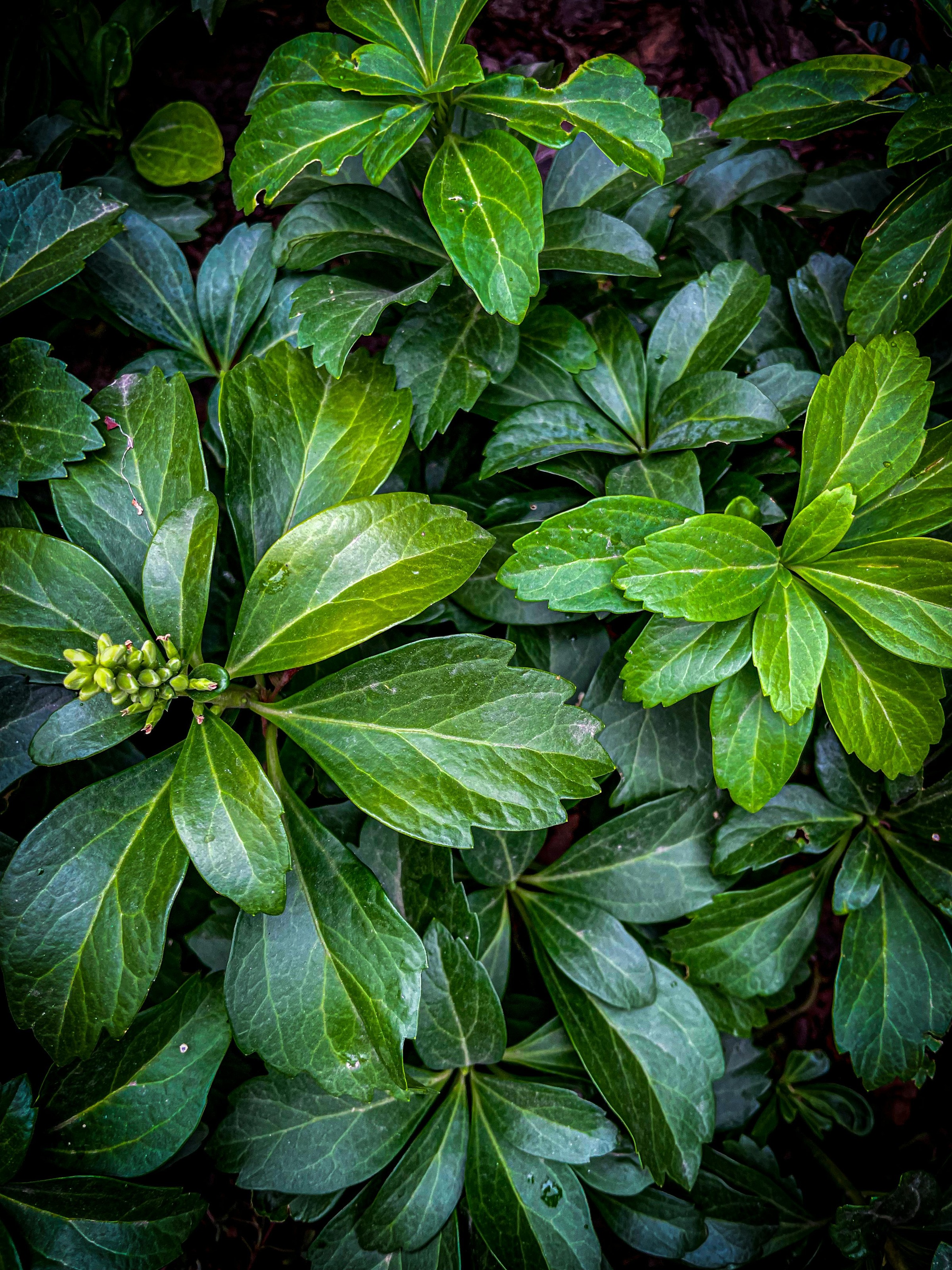
Full shade — areas receiving less than 2 hours of direct sunlight per day — is often considered the most challenging garden condition. The north side of buildings, under dense tree canopies, and narrow side yards can feel impossible to plant. But with the right selection, these dark corners can become lush, textured garden rooms.
The secret to shade gardening is embracing foliage over flowers. While fewer shade plants produce showy blooms, many offer stunning leaf textures, colors, and forms that create year-round interest. Think bold hostas, delicate ferns, dramatic heucheras, and elegant Japanese forest grass.
PlantWise filters specifically for full-shade tolerance, then matches results to your USDA zone to ensure winter survival. Add pet safety or deer resistance filters and you'll have a curated list of shade plants proven to work in your exact conditions.
Find Shade Plants for My Zone → or browse the interactive directory.
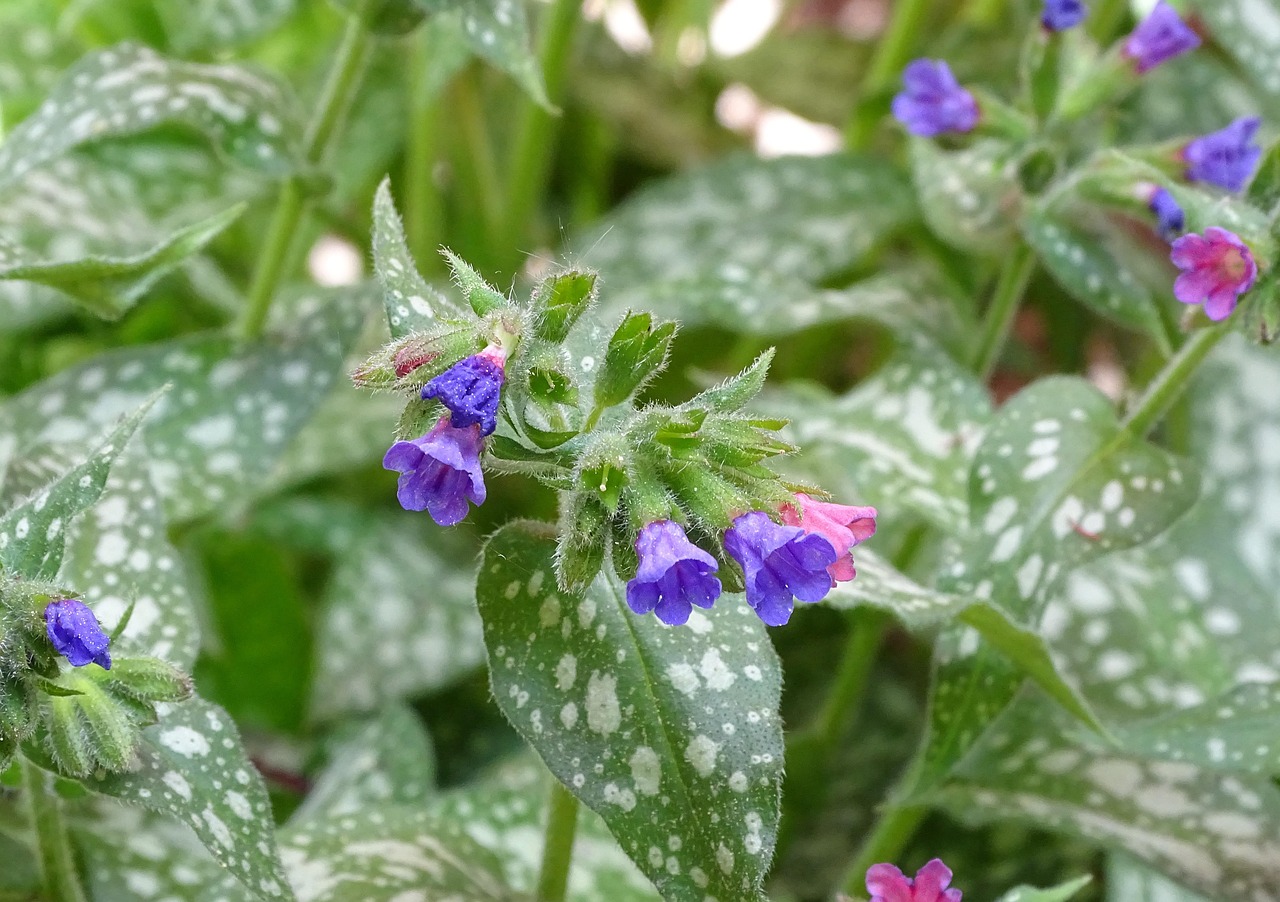
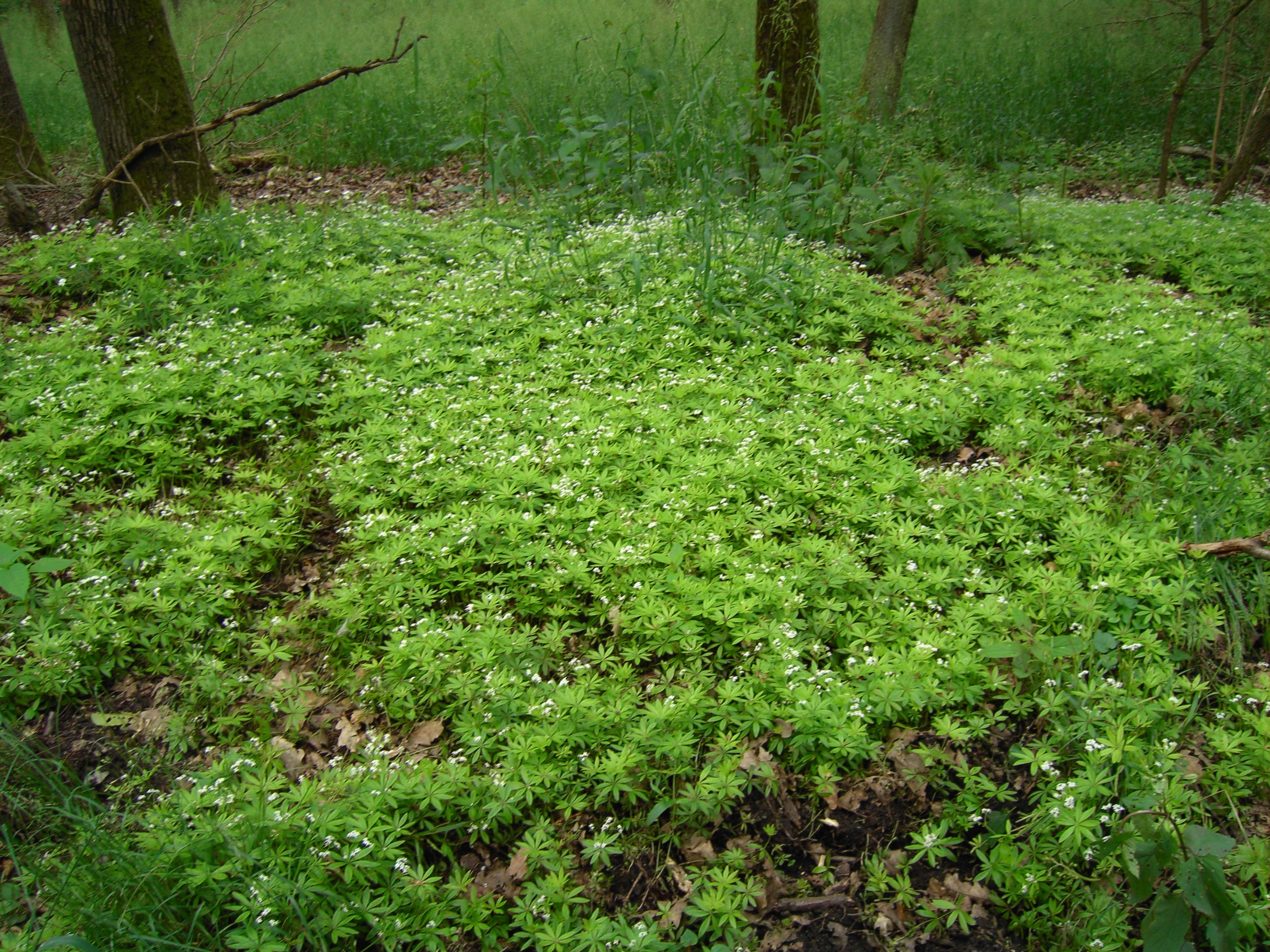
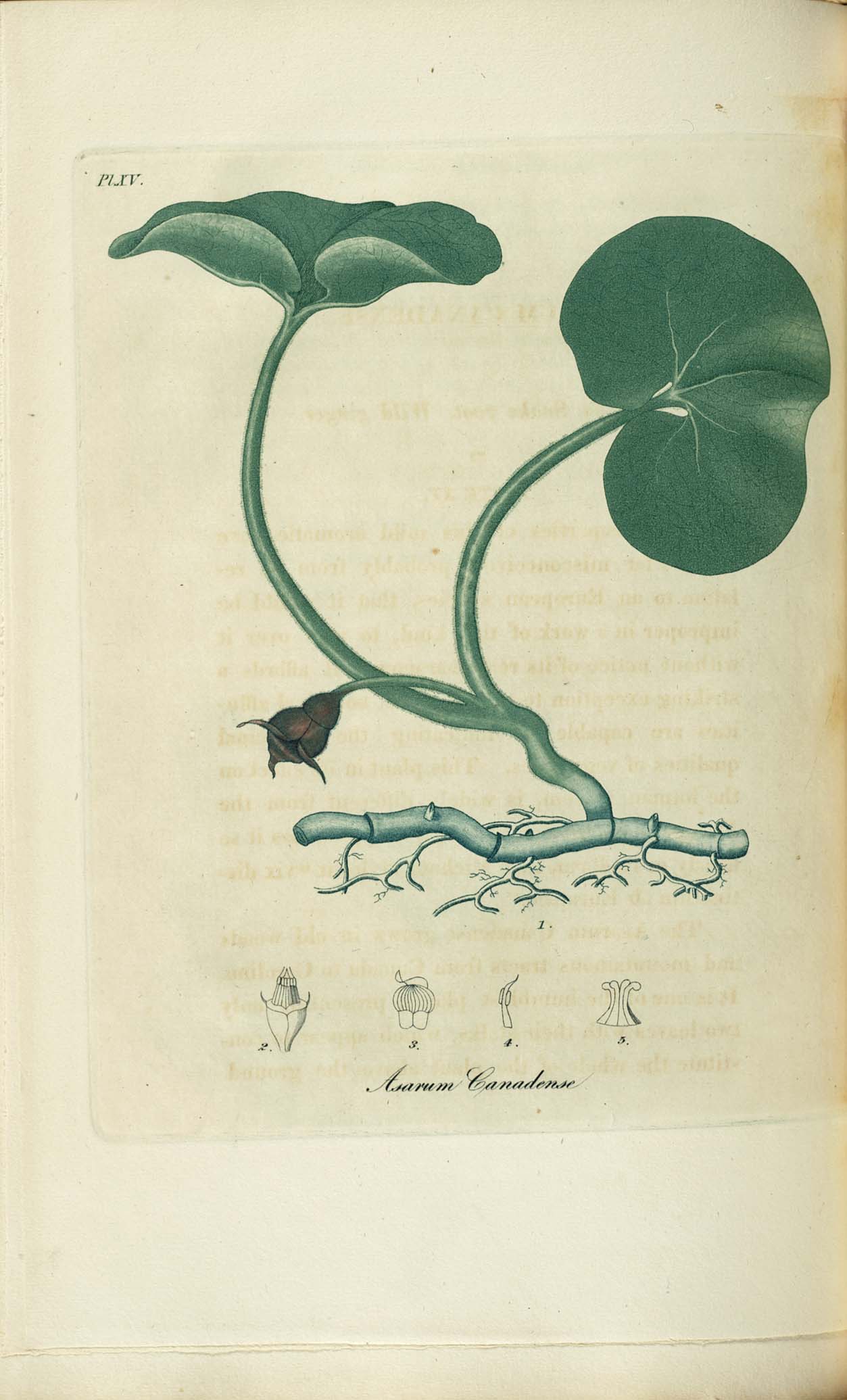
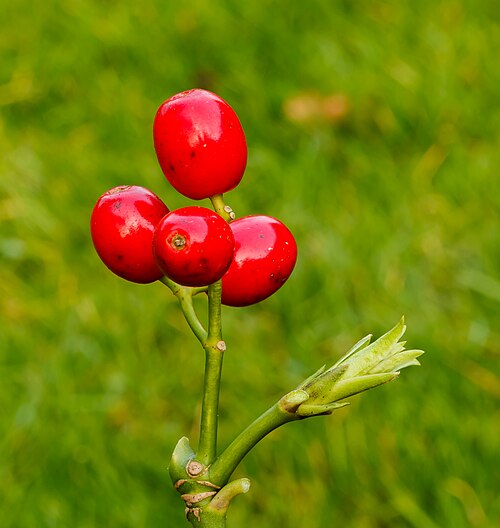
Featured Plants
Frequently Asked Questions
What's the difference between full shade and part shade?
Full shade means less than 2 hours of direct sunlight per day. Part shade means 2-4 hours. This distinction matters — many 'shade plants' actually need some dappled light and will struggle in truly dark conditions.
Can anything flower in full shade?
Yes! Astilbe, Bleeding Heart, Hellebores, and Impatiens all bloom in full shade. They won't produce as many flowers as in brighter conditions, but they'll still provide color.
Why do shade plants often have large leaves?
Large leaves are an adaptation to capture more of the limited light available. This is why hostas, elephant ears, and ligularia — all shade lovers — have oversized foliage.
Will deer eat my shade plants?
Unfortunately, deer love many shade plants, especially hostas. Use PlantWise to filter for both shade tolerance AND deer resistance to find options for shady, deer-heavy areas.