About This Collection
Zone 8's long growing season and mild winters create exceptional conditions for pollinator gardening. The Pacific Northwest, Gulf Coast, and warm Southeast all fall in Zone 8 — and all support diverse pollinator communities that benefit from year-round or near-year-round flowering plants.
In Zone 8, many plants that are summer annuals in colder zones become perennial pollinator powerhouses. Lantana, salvia, and agapanthus bloom for months in Zone 8, providing continuous nectar for bees and butterflies. Native plants like muhly grass, beautyberry, and native asters support local pollinator species that have co-evolved with Zone 8 plant communities.
PlantWise filters for Zone 8 hardiness and pollinator attraction, giving you a curated list of plants that thrive in your warm climate and support your local pollinator ecosystem.
Find Zone 8 Pollinator Plants → or browse the interactive directory.
Featured Plants
Frequently Asked Questions
What pollinators are active in Zone 8?
Zone 8 supports year-round or near-year-round pollinator activity. The Gulf Coast has Gulf fritillary butterflies, giant swallowtails, and bumble bees active most of the year. The Pacific Northwest has Anna's hummingbirds year-round and diverse native bee species.
What are the best Zone 8 pollinator plants for summer heat?
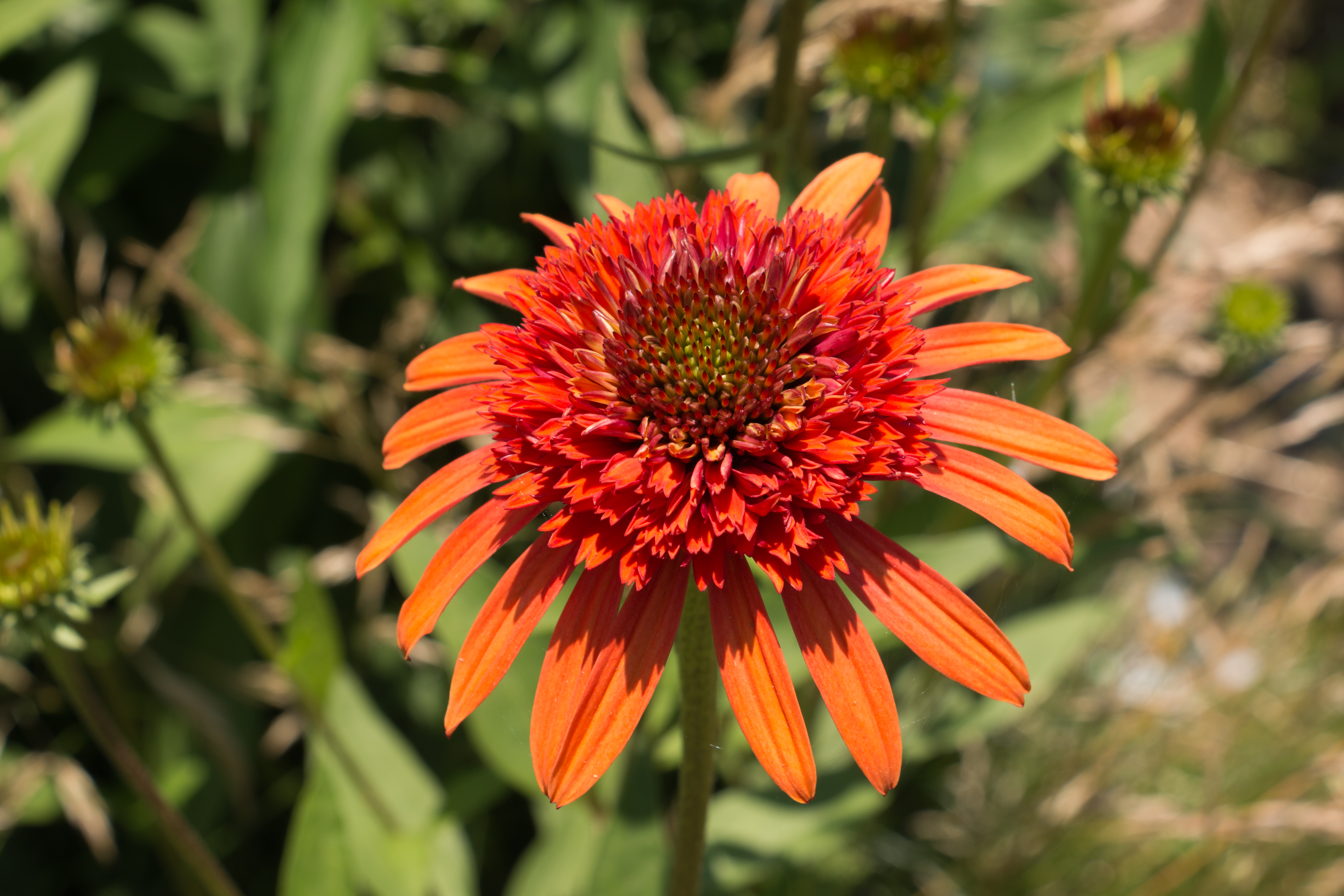
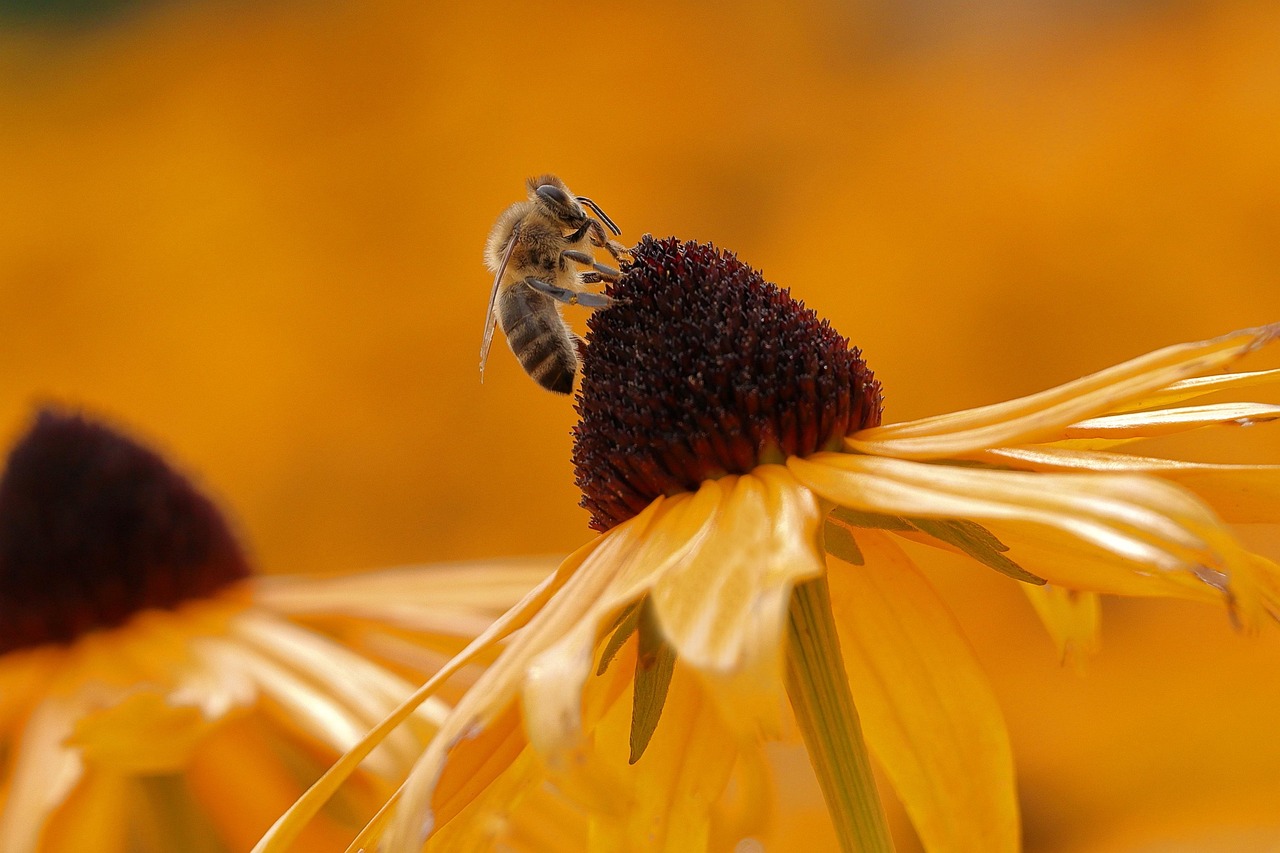
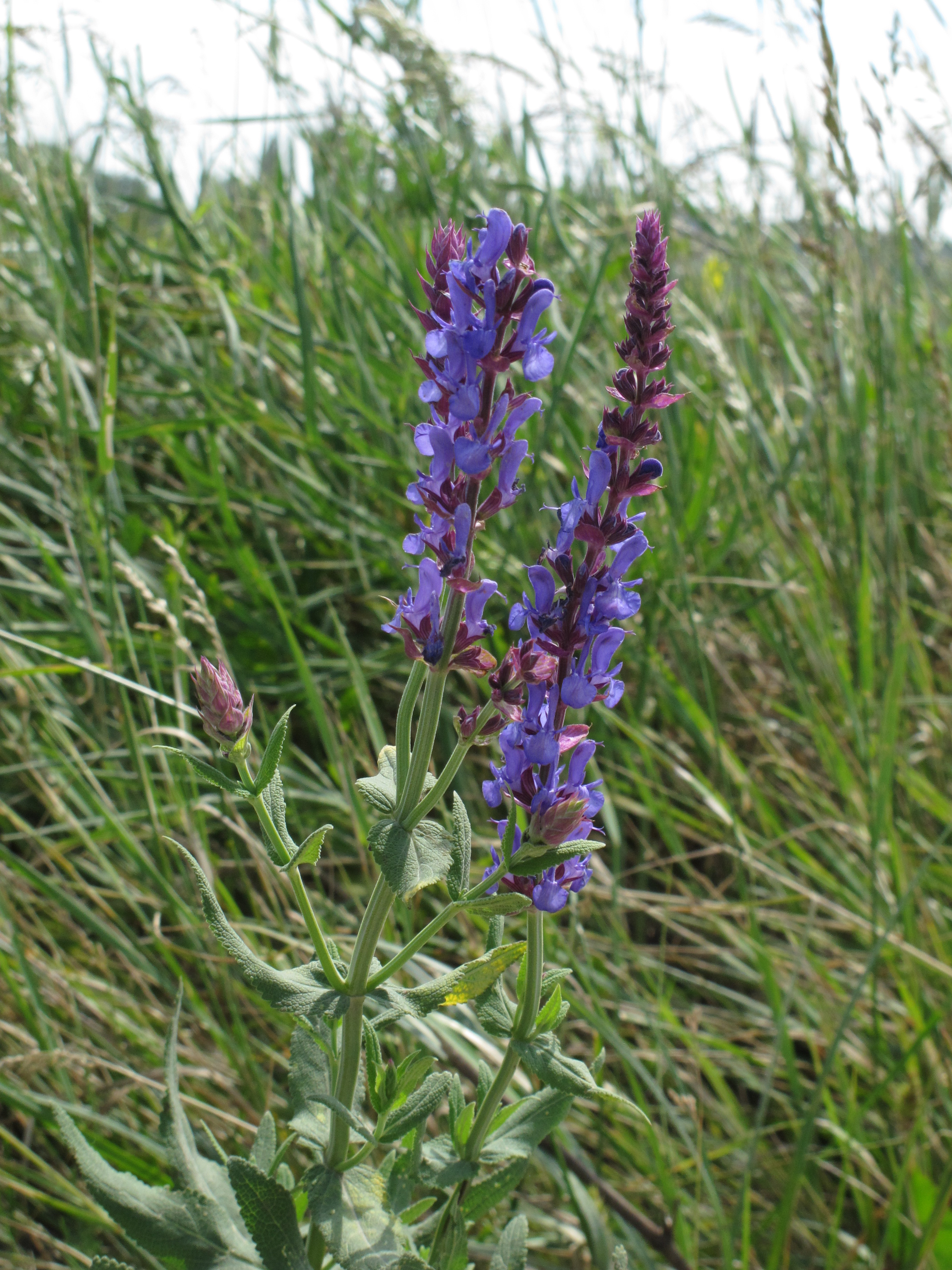
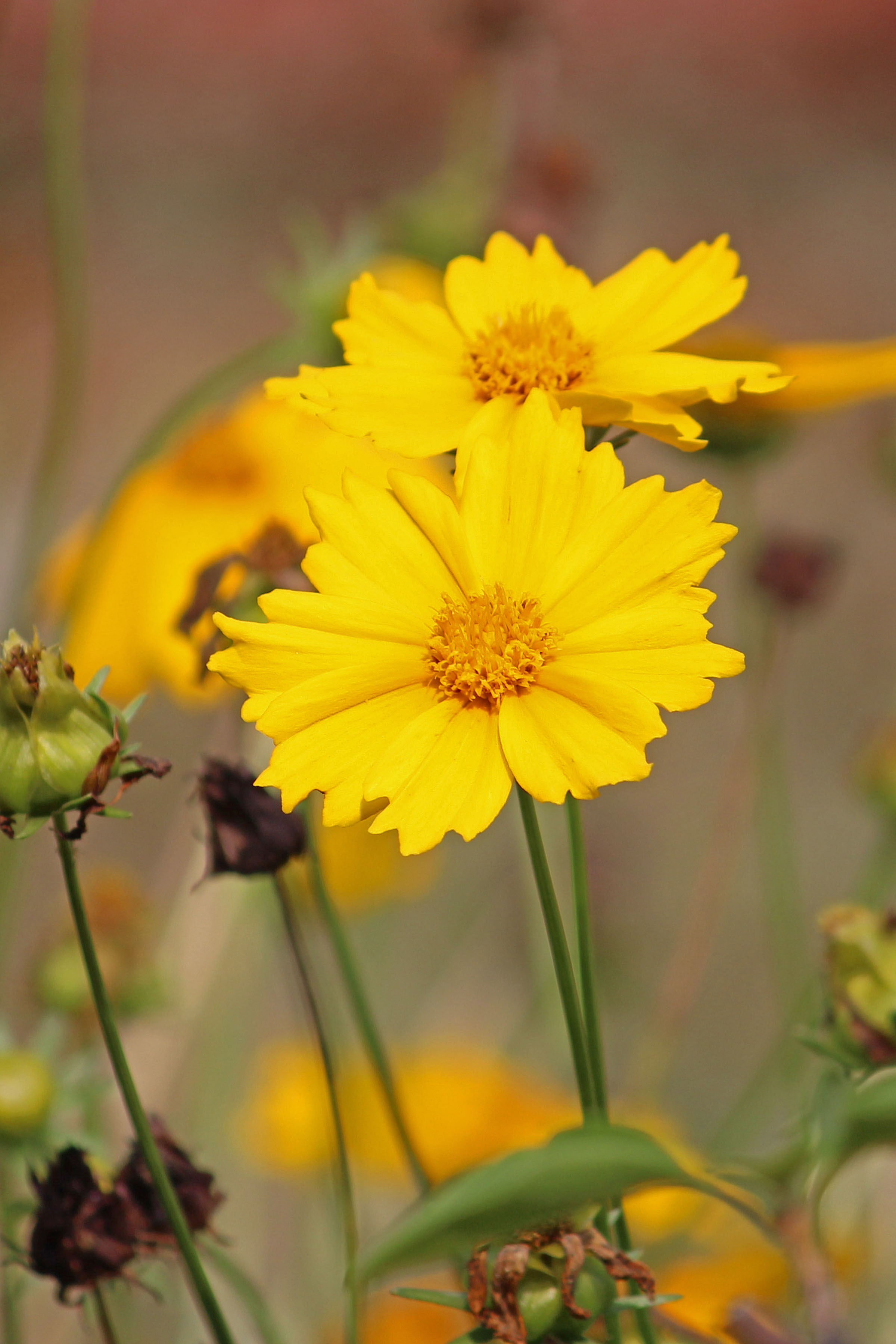
Top Zone 8 summer pollinator plants include salvia (many species), agastache, lantana, coneflower, black-eyed Susan, and native grasses. All handle Zone 8 summer heat while providing excellent pollinator value.
Can I attract monarch butterflies in Zone 8?
Yes. Zone 8 is on the monarch migration route and also supports overwintering monarchs in coastal California. Plant milkweed (Asclepias) for caterpillar habitat and late-season nectar plants (asters, goldenrod) for migration fuel.
What Zone 8 plants attract hummingbirds year-round?
In the Pacific Northwest portion of Zone 8, Anna's hummingbirds are year-round residents. Plant winter-blooming plants like mahonia, flowering currant, and winter-blooming salvias. In the Southeast, plant tubular flowers from spring through fall: salvia, trumpet vine, and cardinal flower.