About This Collection
USDA Zone 10 covers the warmest mainland US regions: South Florida (Miami, Fort Lauderdale), the warmest parts of Southern California (Palm Springs, Imperial Valley), and Hawaii. With minimum winter temperatures of 30–40°F, Zone 10 gardeners can grow a stunning range of tropical and subtropical plants year-round.
Zone 10 is defined by its near-frost-free winters, long growing seasons, and high heat tolerance requirements. Plants that thrive here include bougainvillea, bird of paradise, plumeria, hibiscus, citrus, and dozens of tropical perennials that would die in a single freeze elsewhere.
PlantWise filters for Zone 10 hardiness so every plant you see is rated to survive your winters. Browse by sun needs, water requirements, and wildlife resistance to find the perfect Zone 10 plants for your landscape.
Find Zone 10 Plants → or browse the interactive directory.
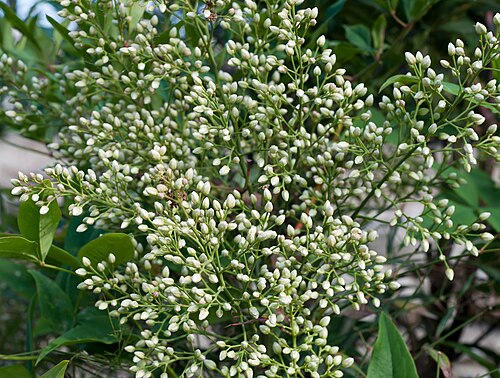
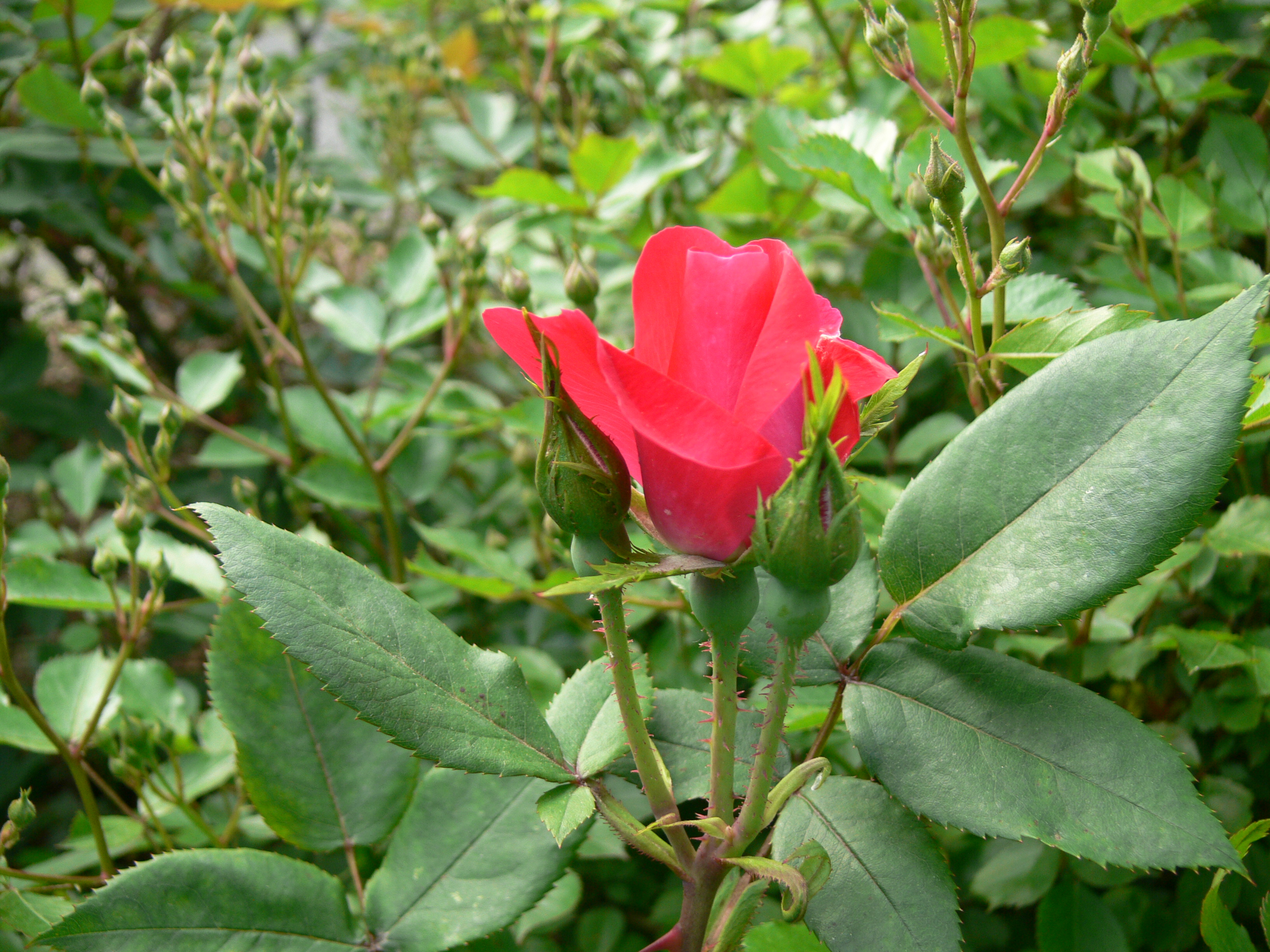
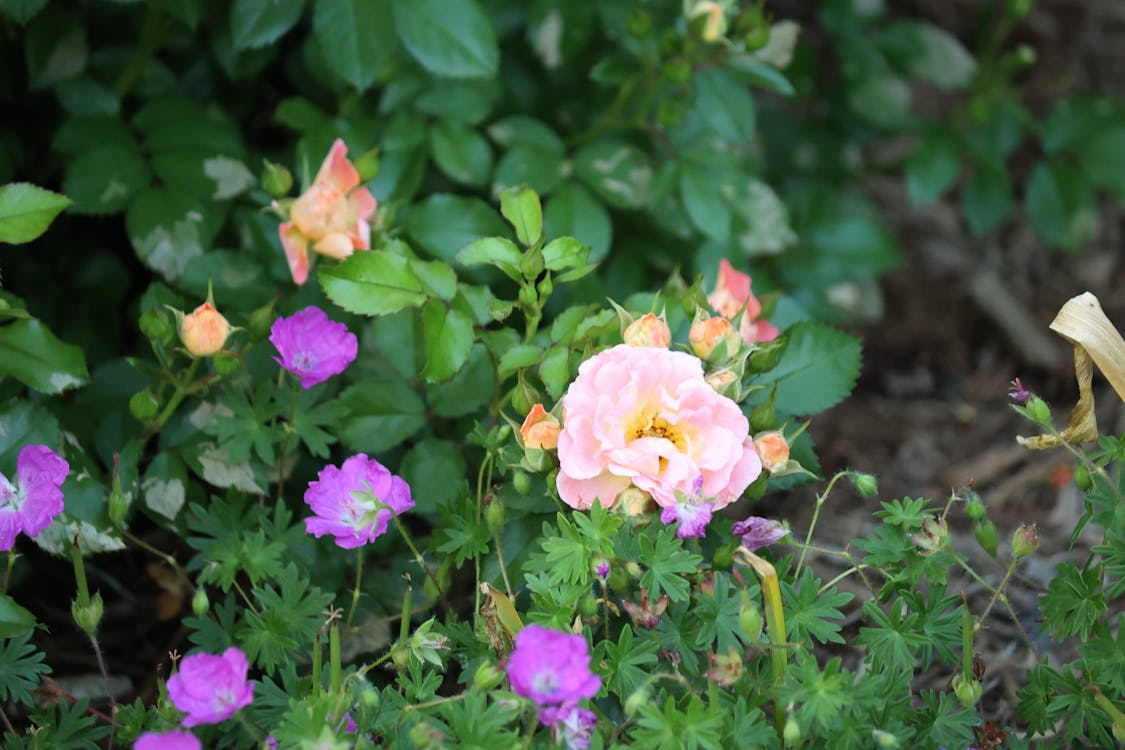
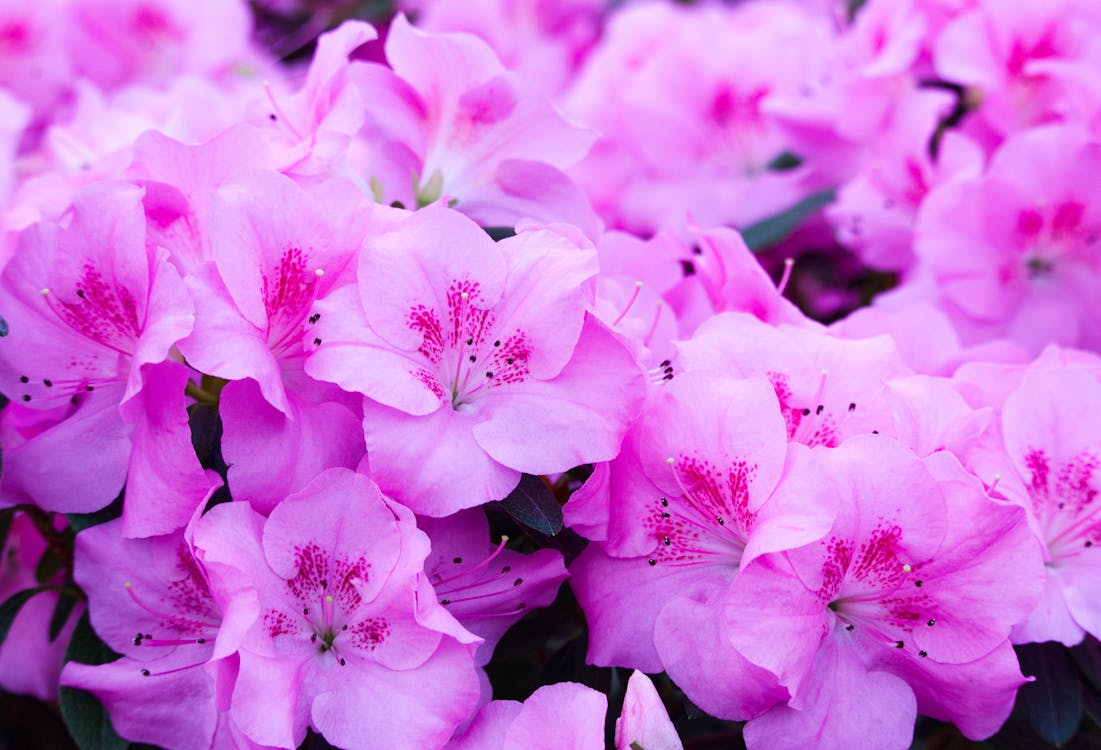
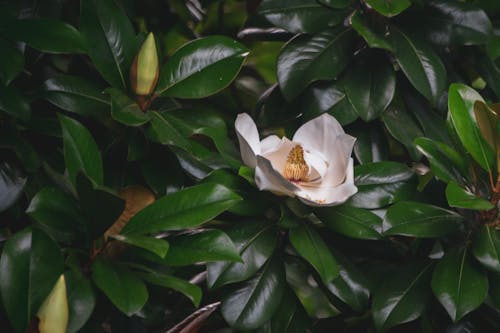
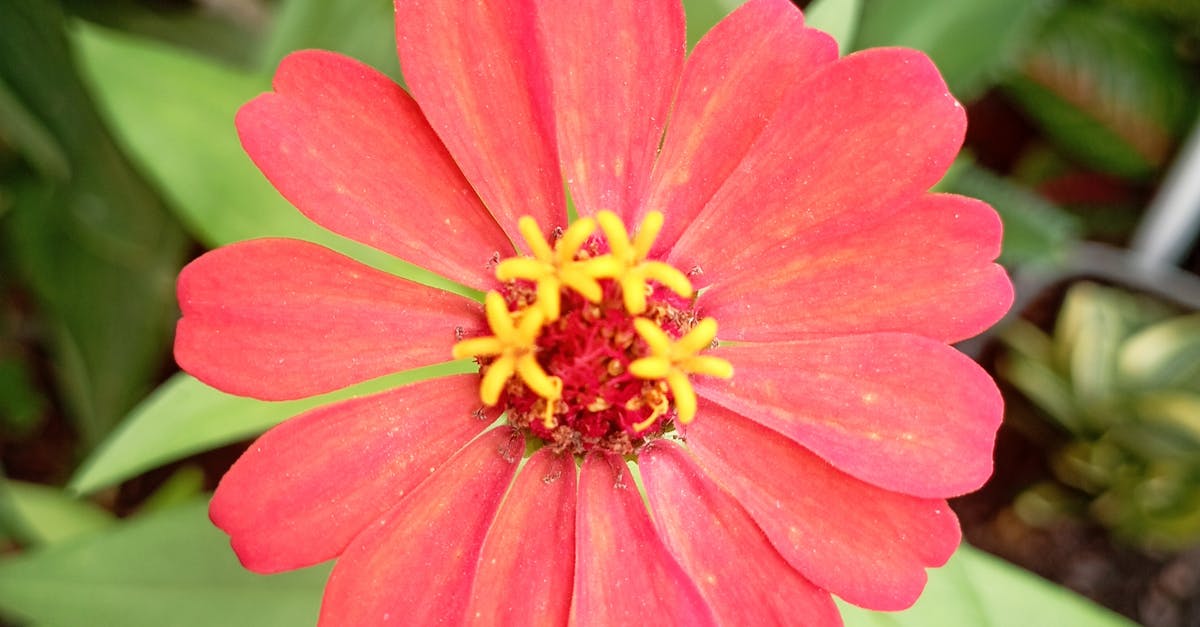
Featured Plants
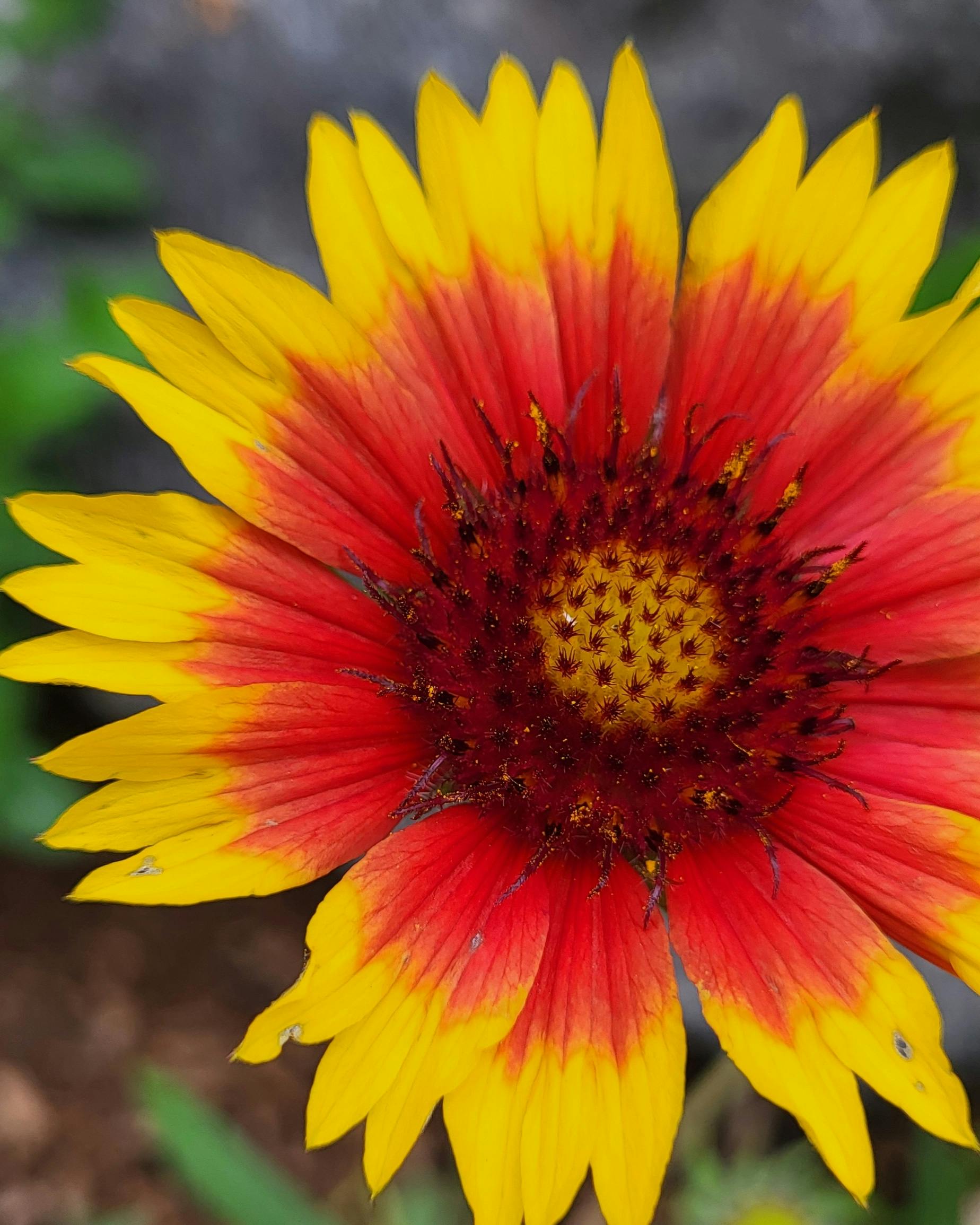
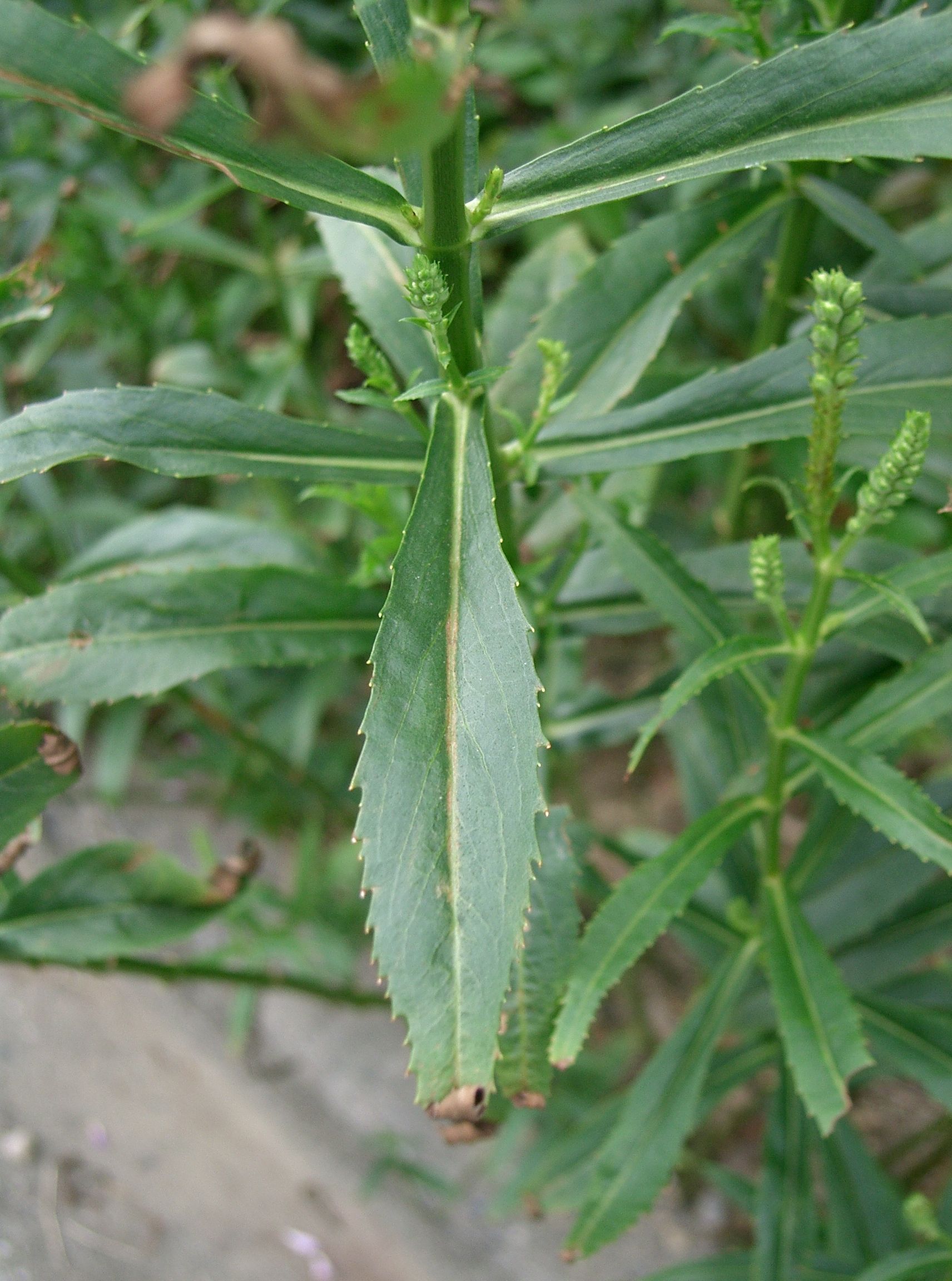
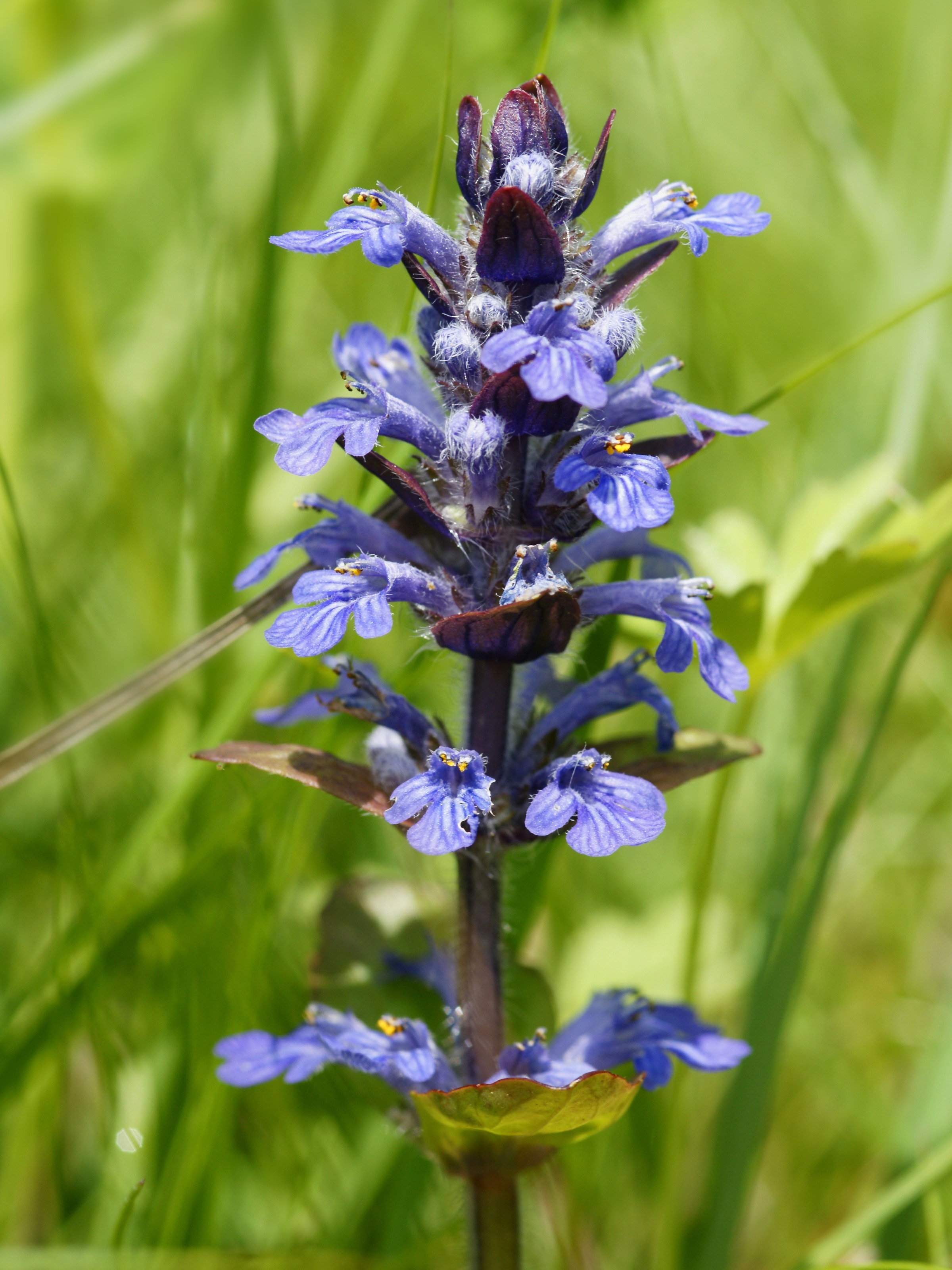
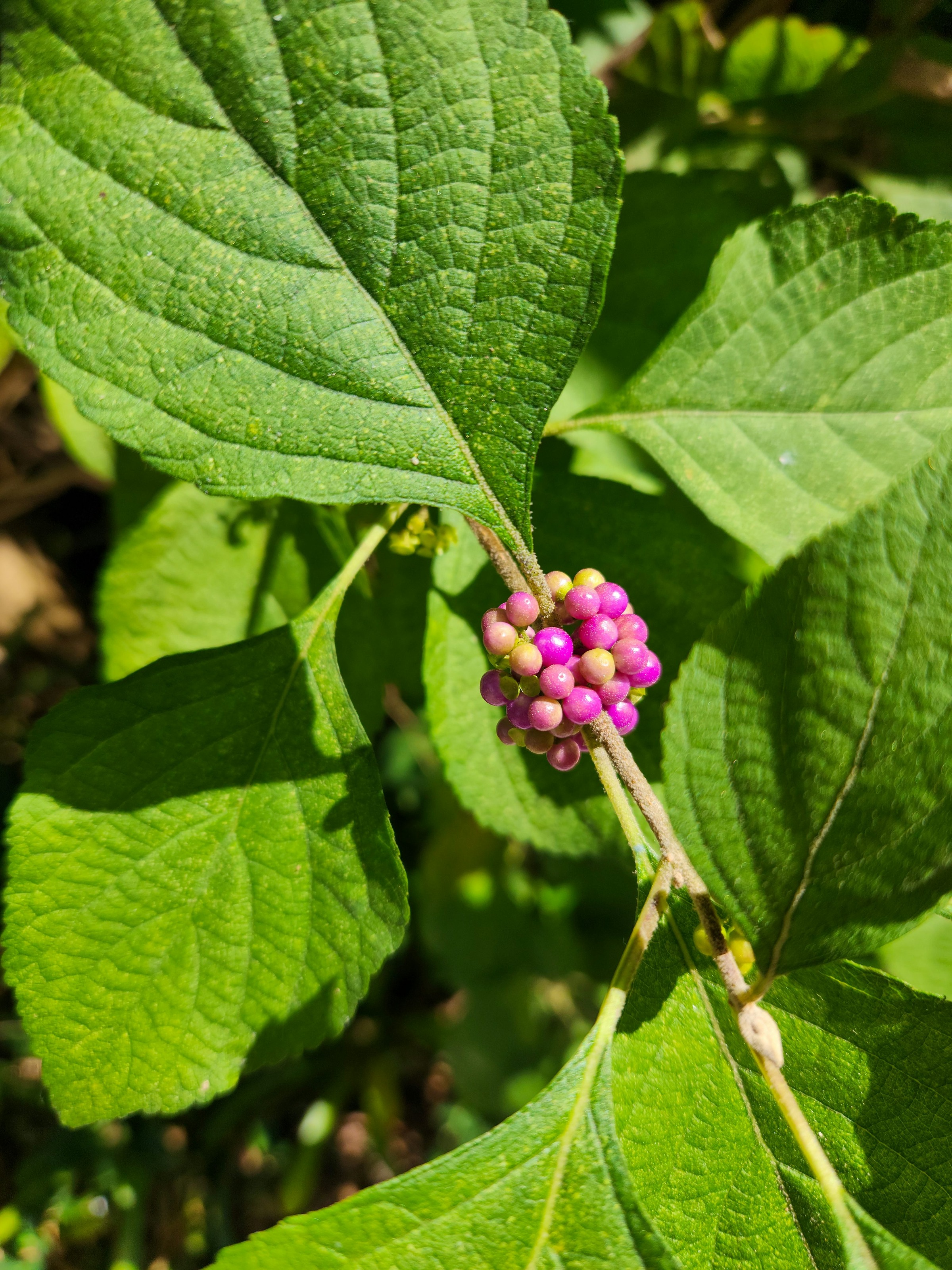


Frequently Asked Questions
What USDA zones are considered Zone 10?
Zone 10 has two sub-zones: 10a (30–35°F minimum) and 10b (35–40°F minimum). South Florida, the warmest parts of Southern California, and Hawaii fall in Zone 10. These areas rarely or never see frost.
Can I grow vegetables year-round in Zone 10?
Yes — Zone 10 supports year-round vegetable gardening. Cool-season crops (lettuce, kale, broccoli) grow best October–March. Warm-season crops (tomatoes, peppers, squash) grow spring through fall. Summer heat may require shade cloth for cool-season crops.
What are the best low-maintenance Zone 10 plants?
Top low-maintenance Zone 10 picks include bougainvillea, bird of paradise, agave, aloe, plumbago, and native Florida plants like coontie and beautyberry. These plants are drought-tolerant once established and require minimal care.
Are there deer-resistant plants for Zone 10?
Yes — many Zone 10 plants are naturally deer-resistant, including bougainvillea (thorns), agave (sharp leaves), plumbago, and native Florida shrubs. PlantWise filters for deer resistance within Zone 10.