About This Collection
Zone 4 covers some of the coldest inhabited regions of the contiguous United States — the Upper Midwest, northern New England, and high-elevation mountain areas where winter temperatures regularly plunge to -20°F or colder. Choosing plants rated for Zone 4 or colder is the single most important decision a northern gardener can make.
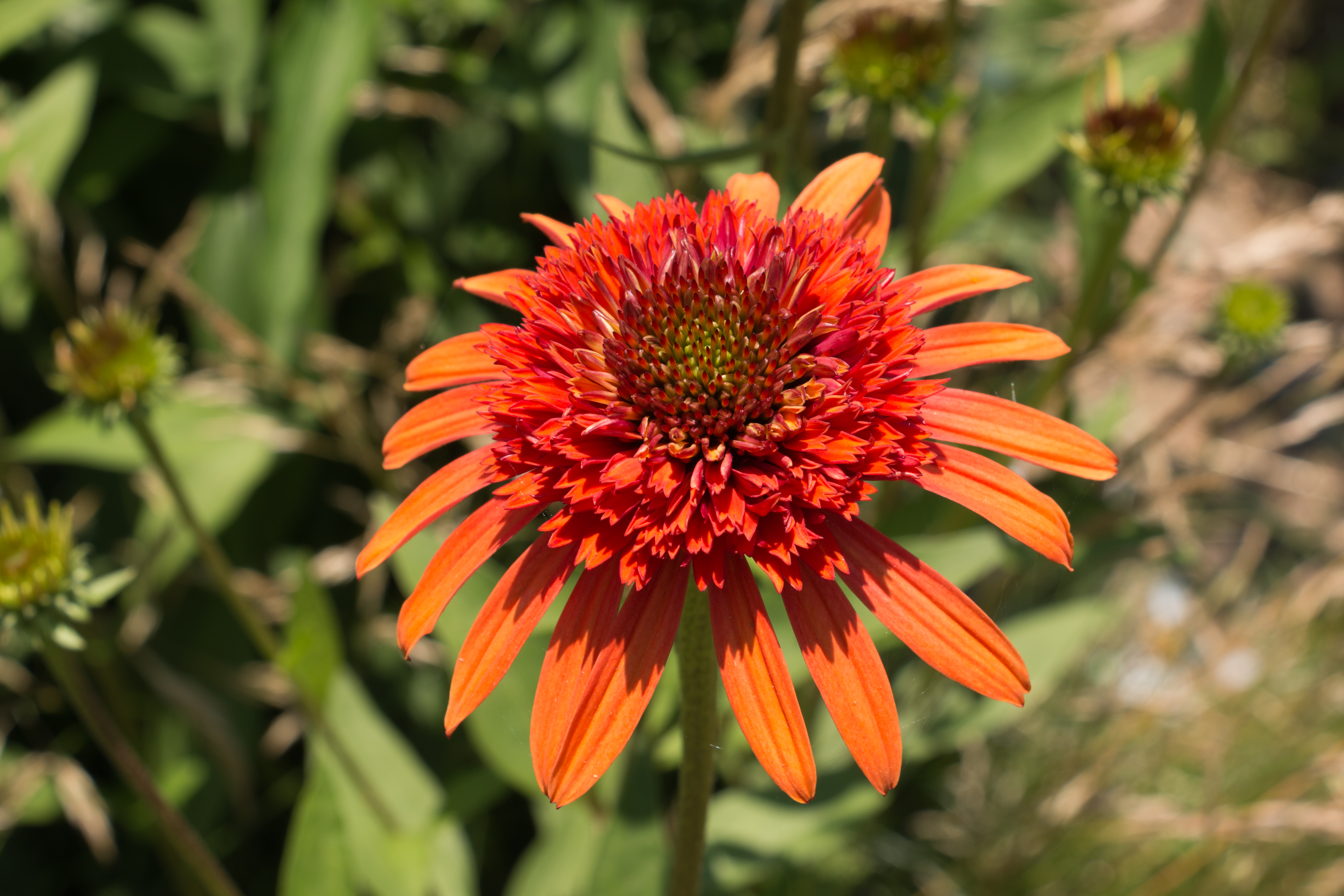
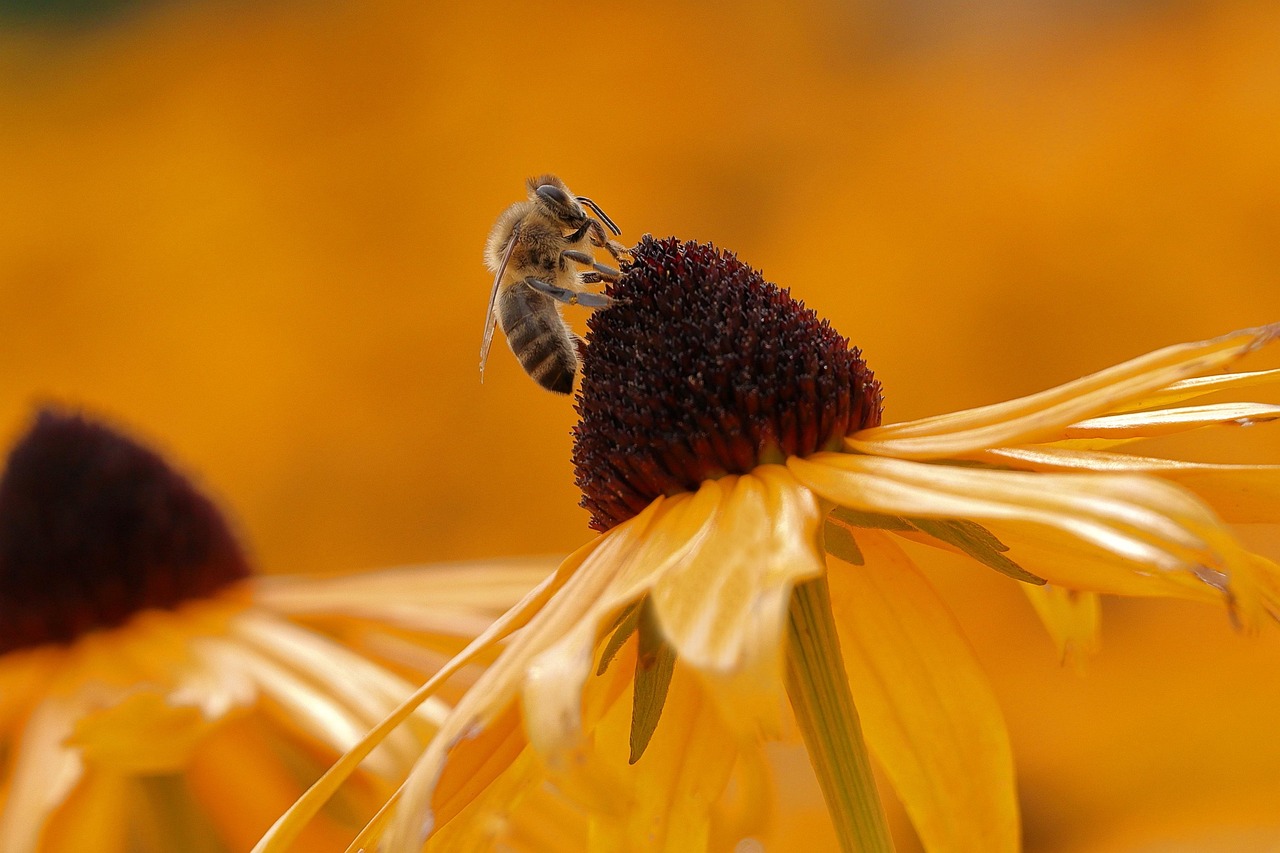
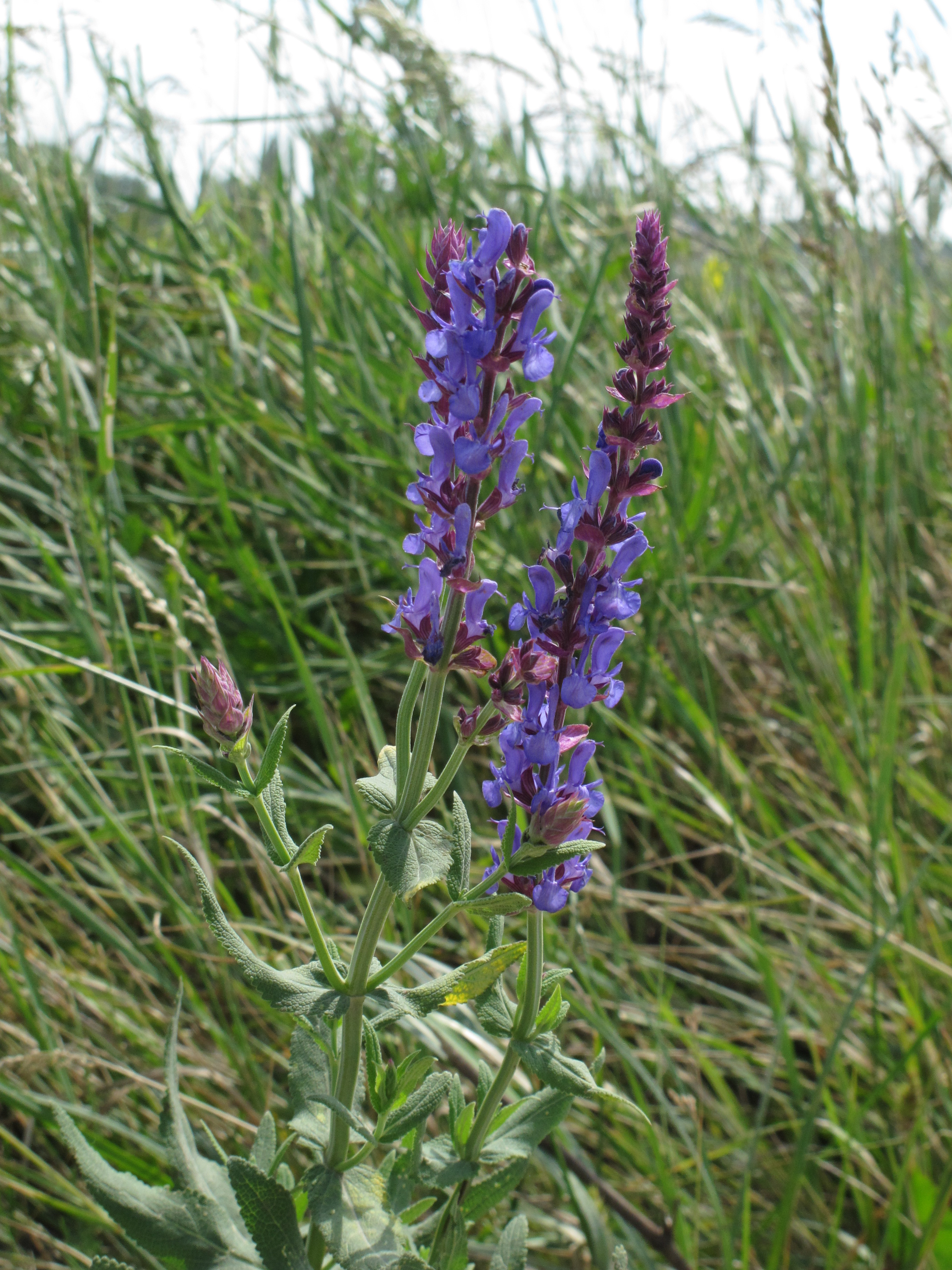
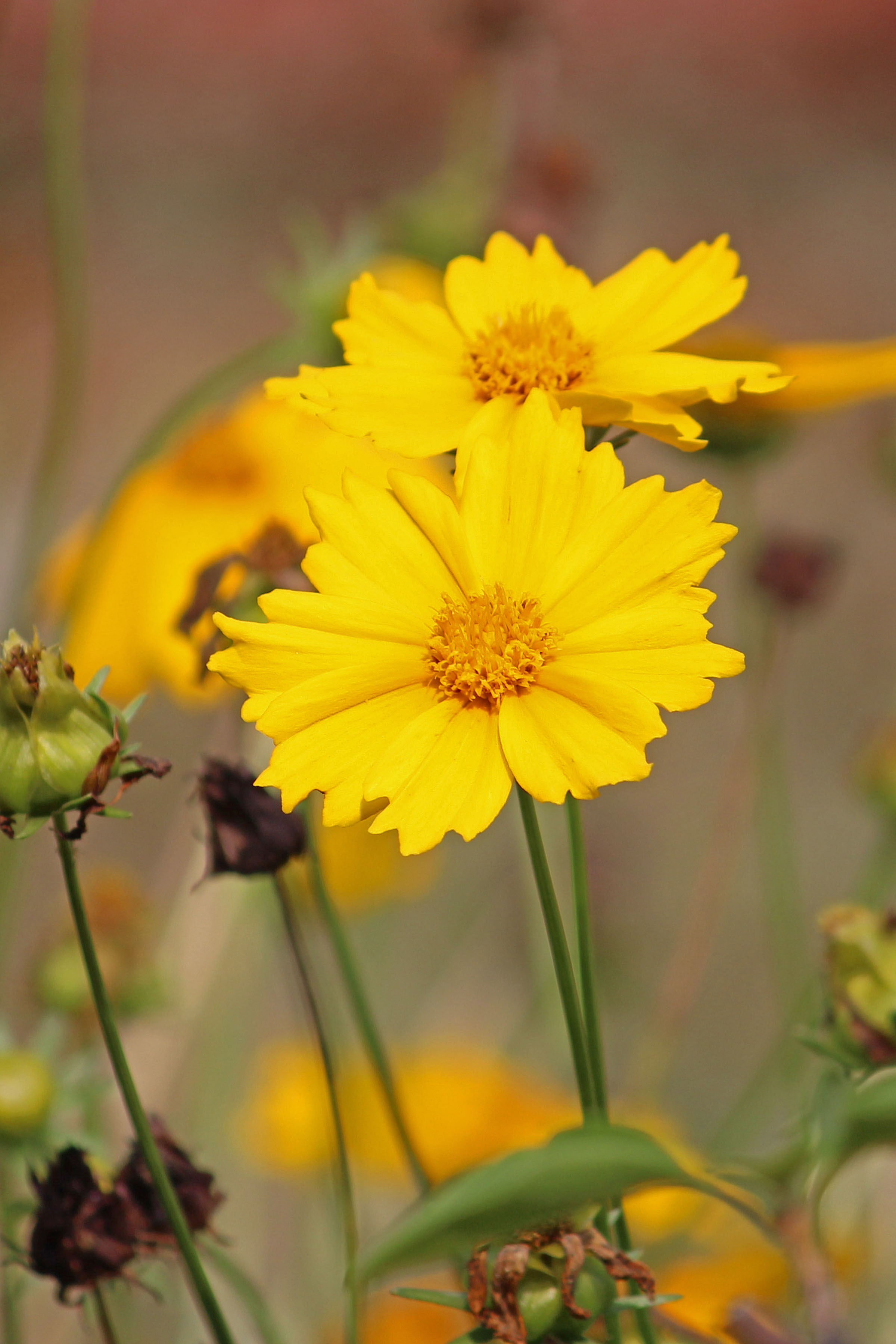
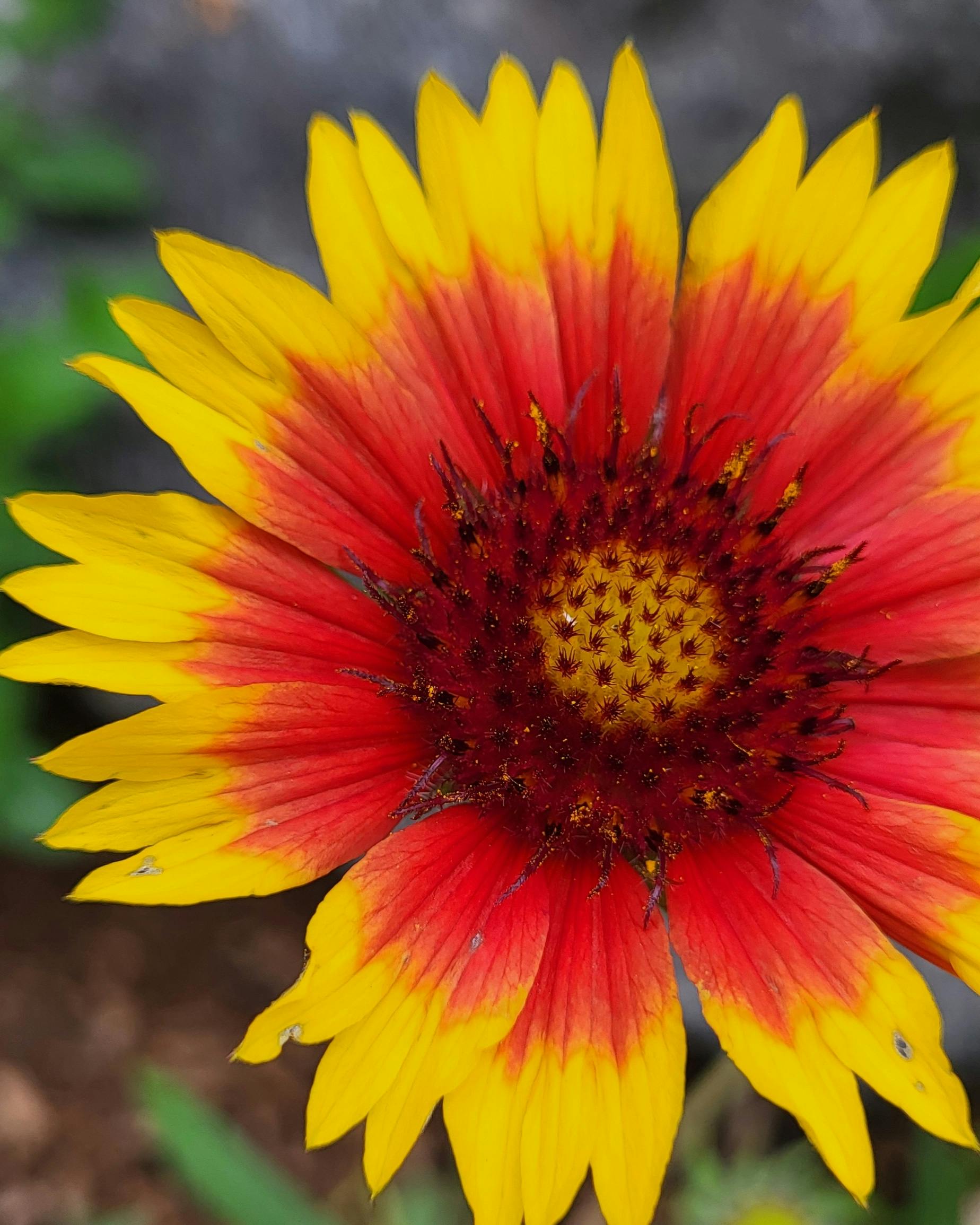
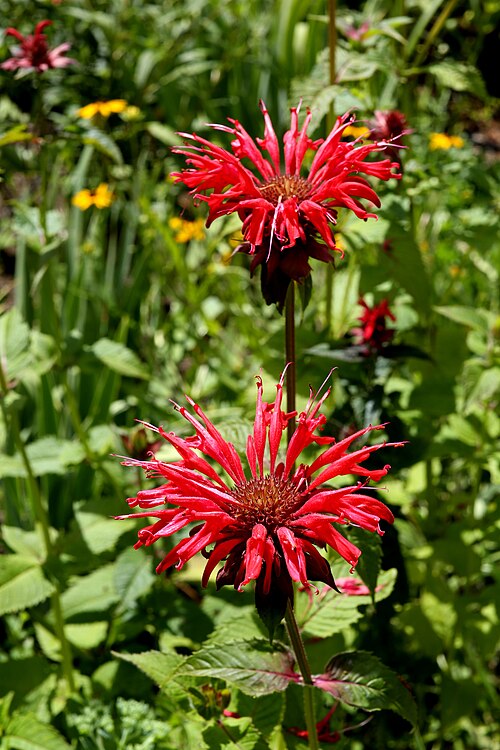
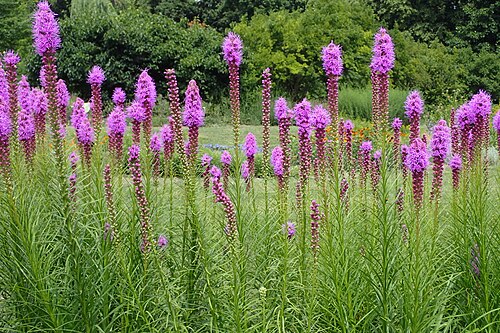
The good news: Zone 4 supports a surprisingly wide range of beautiful, tough plants. Native prairie perennials like coneflower, black-eyed Susan, and blazing star evolved in these climates and thrive without coddling. Cold-hardy shrubs like viburnum, spirea, and native dogwood provide four-season structure. And ornamental grasses like Karl Foerster feather reed grass add movement and winter interest even under snow.
The key to Zone 4 success is pairing cold hardiness with your site conditions. A Zone 4 plant in poorly drained clay soil may heave out of the ground during freeze-thaw cycles. PlantWise matches plants not just to your zone but to your sun exposure and soil drainage to give you the most accurate recommendations.
Find Zone 4 Plants for My Yard → or browse the interactive directory.
Featured Plants
Frequently Asked Questions
What does USDA Zone 4 mean?
Zone 4 means your average annual minimum winter temperature is between -30°F and -20°F (-34°C to -29°C). Plants labeled Zone 4 are rated to survive these temperatures. Zones are based on 30-year averages, so an unusually cold winter can still damage Zone 4 plants.
What states are in Zone 4?
Zone 4 includes most of Minnesota, Wisconsin, Michigan's Upper Peninsula, northern Maine, Vermont, New Hampshire, and high-elevation areas of Colorado, Wyoming, and Montana. Parts of Iowa, South Dakota, and North Dakota also fall in Zone 4.
Can I grow Zone 5 plants in Zone 4?
Sometimes, with protection. Zone 5 plants can survive Zone 4 winters if planted in sheltered microclimates (south-facing walls, protected courtyards), mulched heavily in fall, or wrapped for winter. But for reliable performance, stick to Zone 4 or colder ratings.
What are the best perennials for Zone 4?
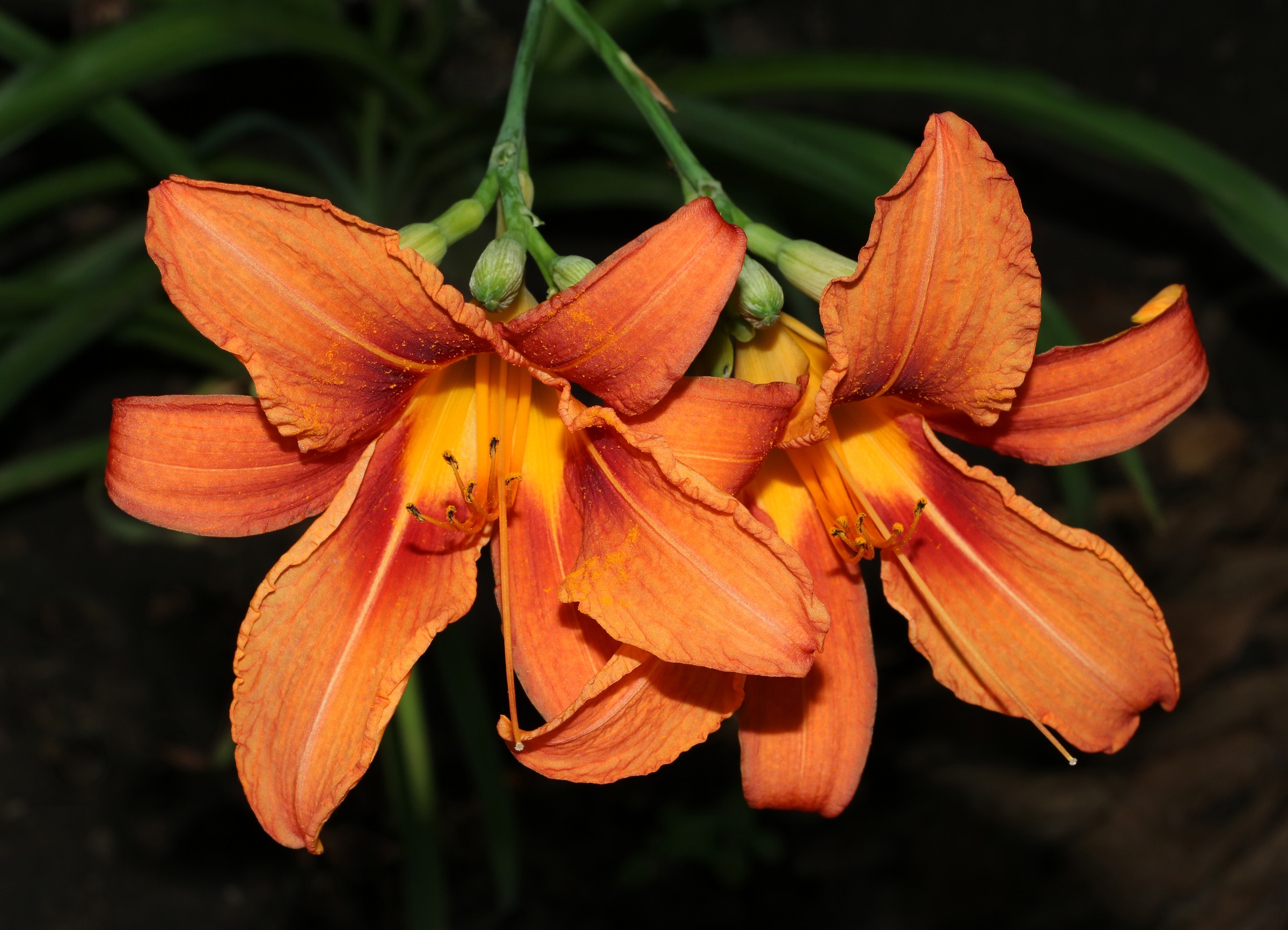
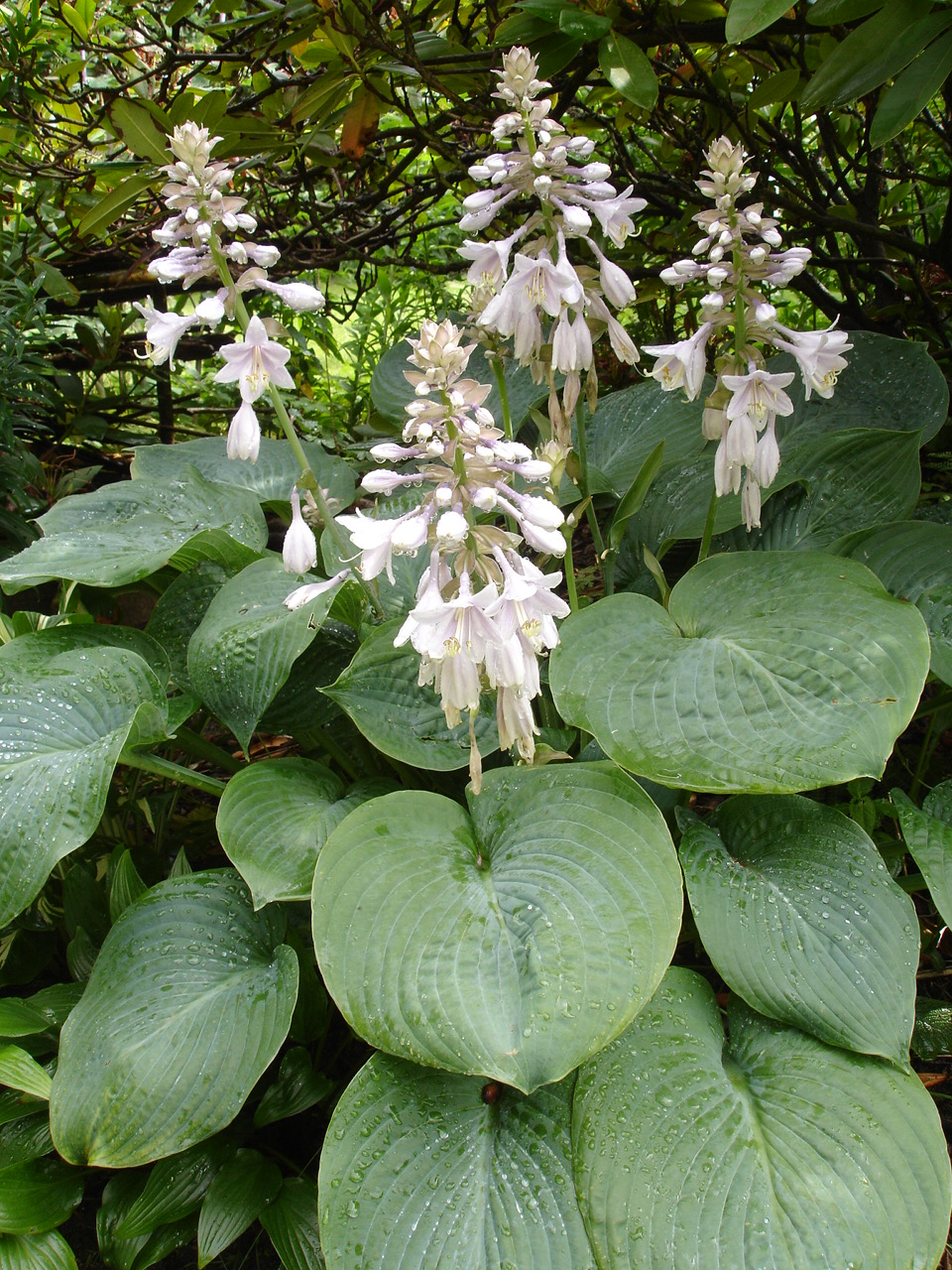
Top Zone 4 perennials include purple coneflower (Echinacea), black-eyed Susan (Rudbeckia), blazing star (Liatris), daylilies, hostas, peonies, and ornamental grasses like Karl Foerster. All survive Zone 4 winters without protection.