About This Collection
Bee populations have declined by nearly 30% over the past decade due to habitat loss, pesticide use, and disease. The single most impactful thing a homeowner can do is plant bee-friendly species — even a small patch of the right flowers can provide critical food and habitat for struggling bee populations.
Bees need two things: nectar (energy) and pollen (protein). The best bee-friendly plants provide both in abundance, with open or shallow flower shapes that allow easy access. Native bees especially benefit from native plant species that co-evolved with them over thousands of years.
PlantWise filters for plants that attract bees and matches results to your USDA zone, sun exposure, and other needs. Every plant includes bloom time information so you can ensure continuous food sources from early spring through late fall.
Find Bee-Friendly Plants for My Zone → or browse the interactive directory.
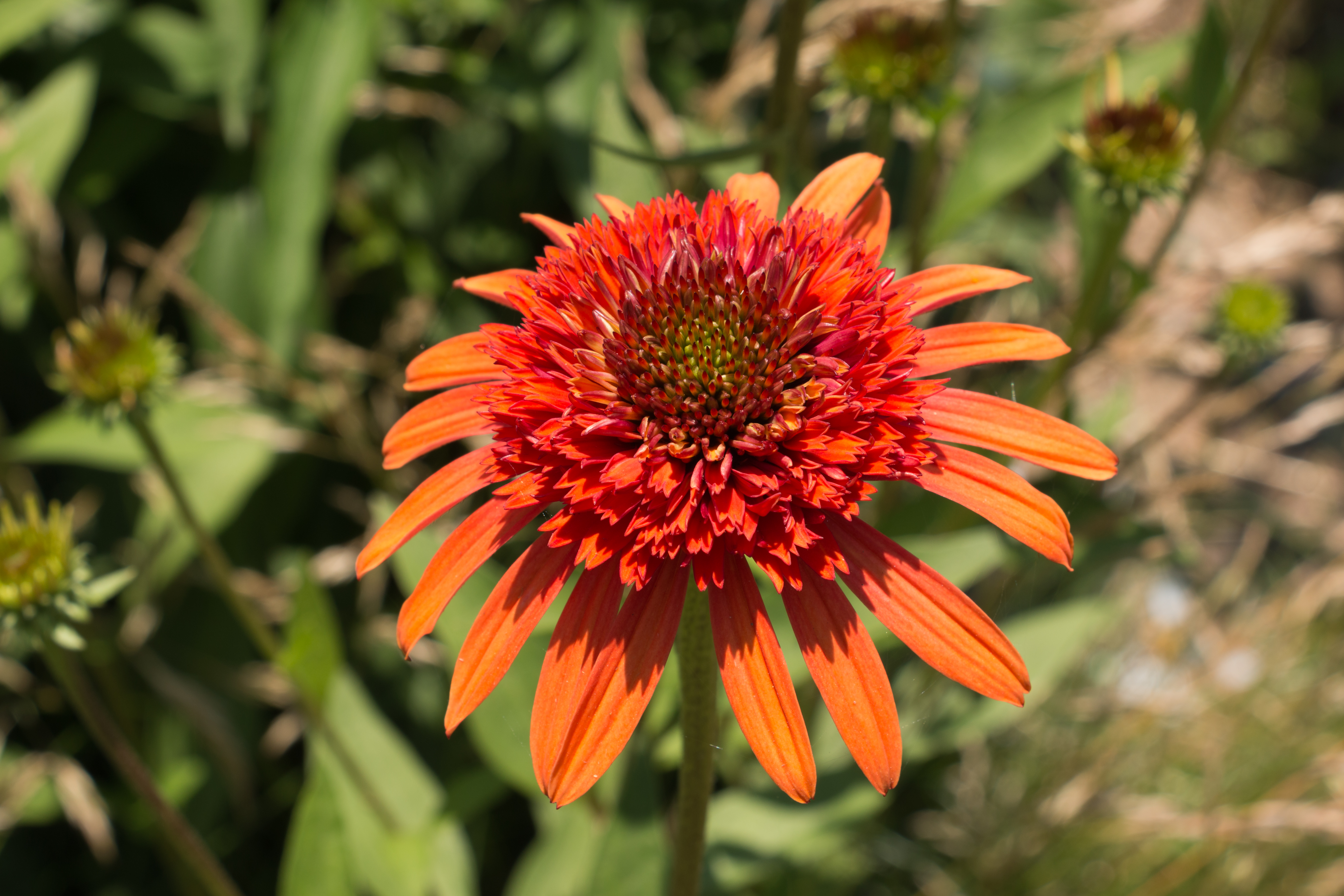
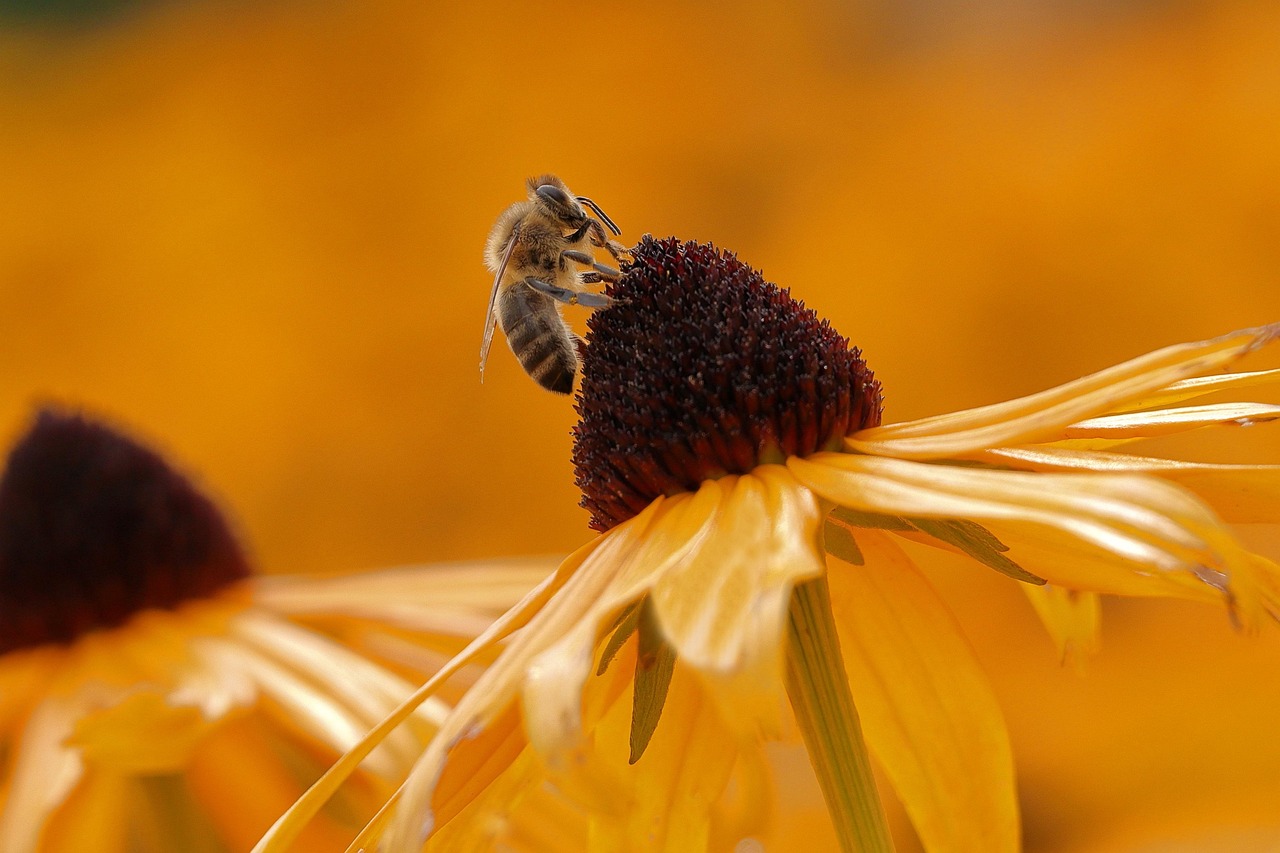
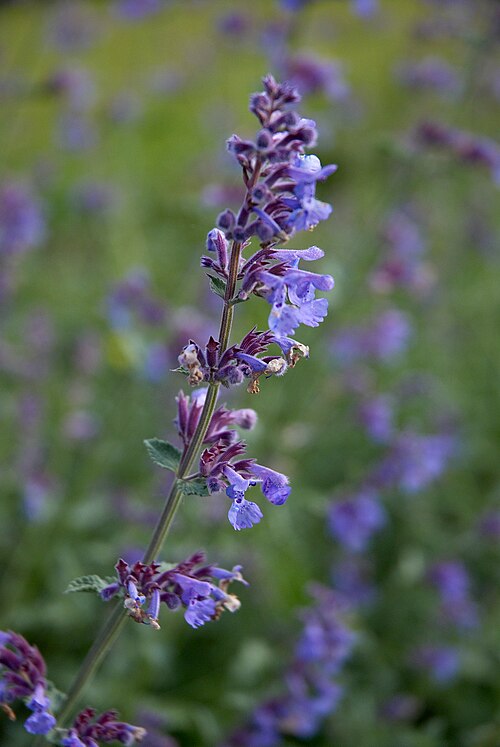
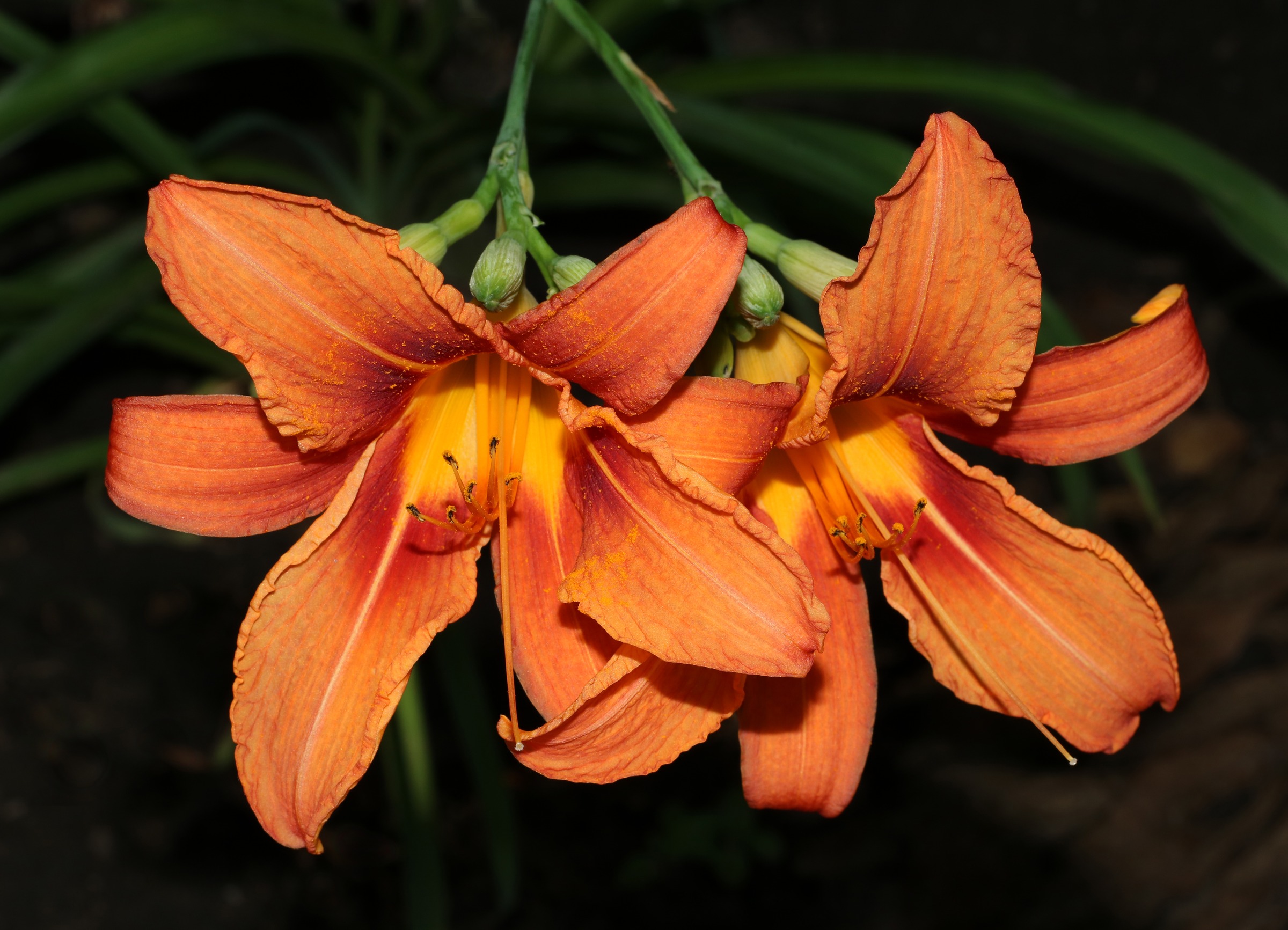
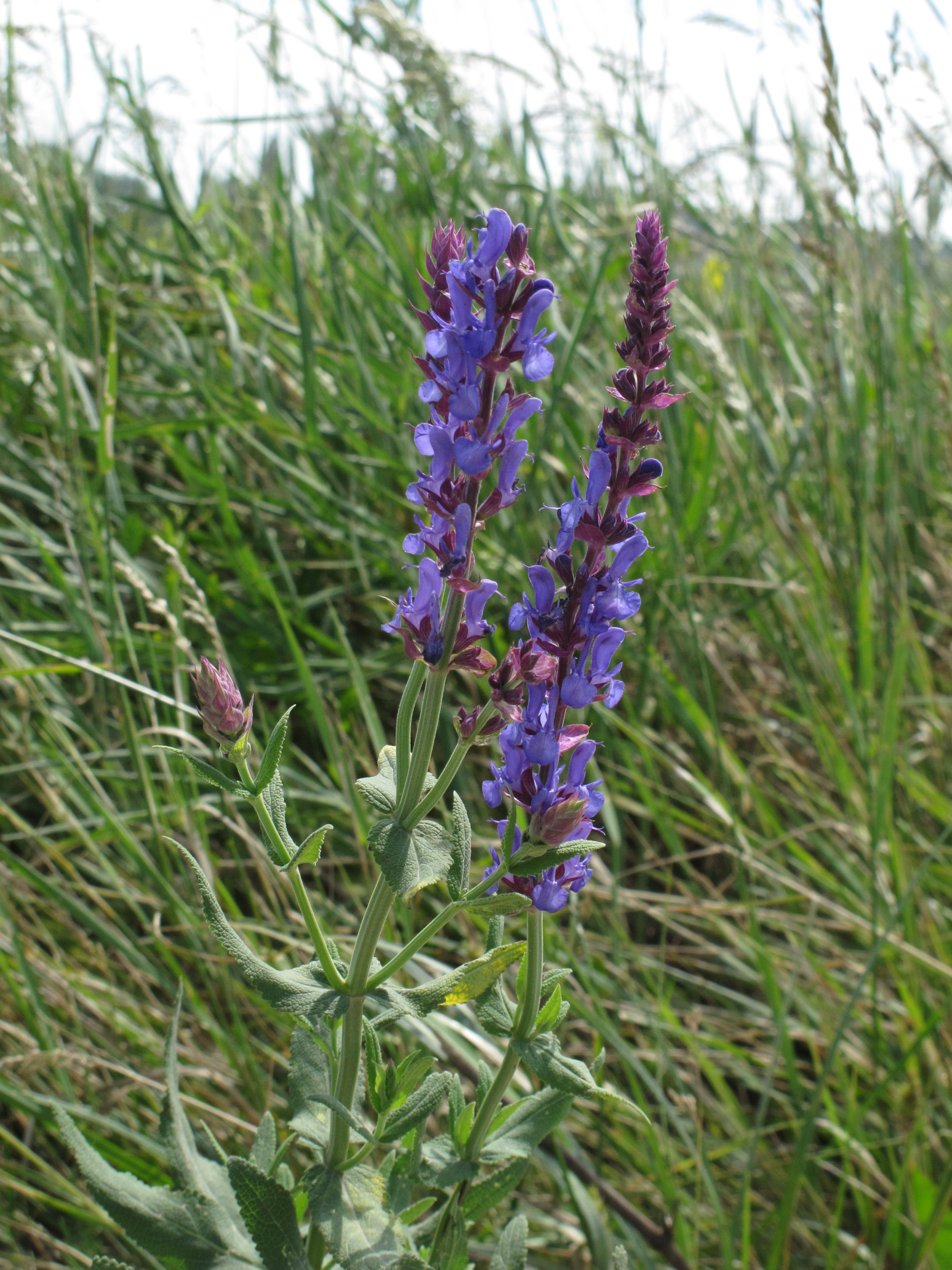
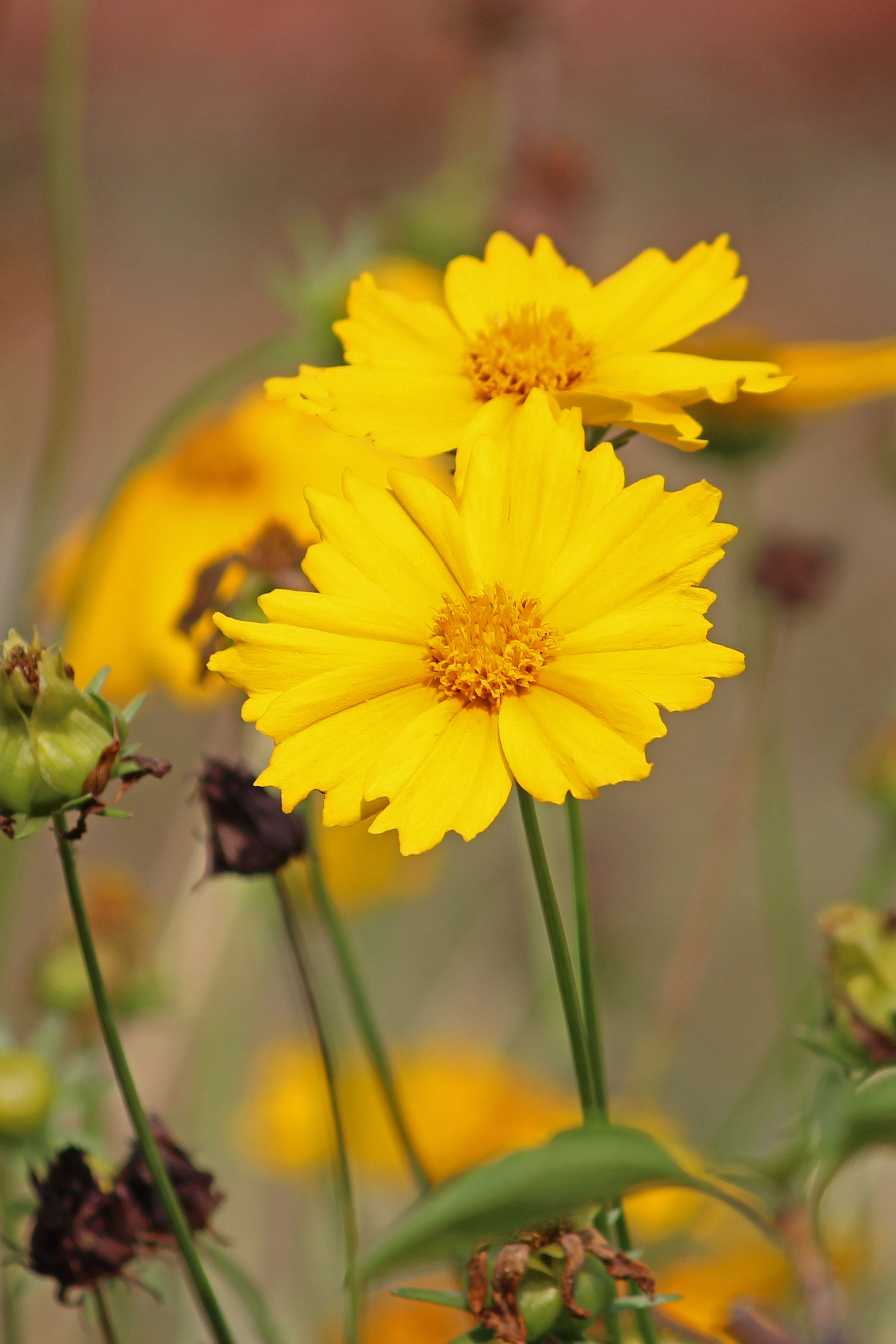
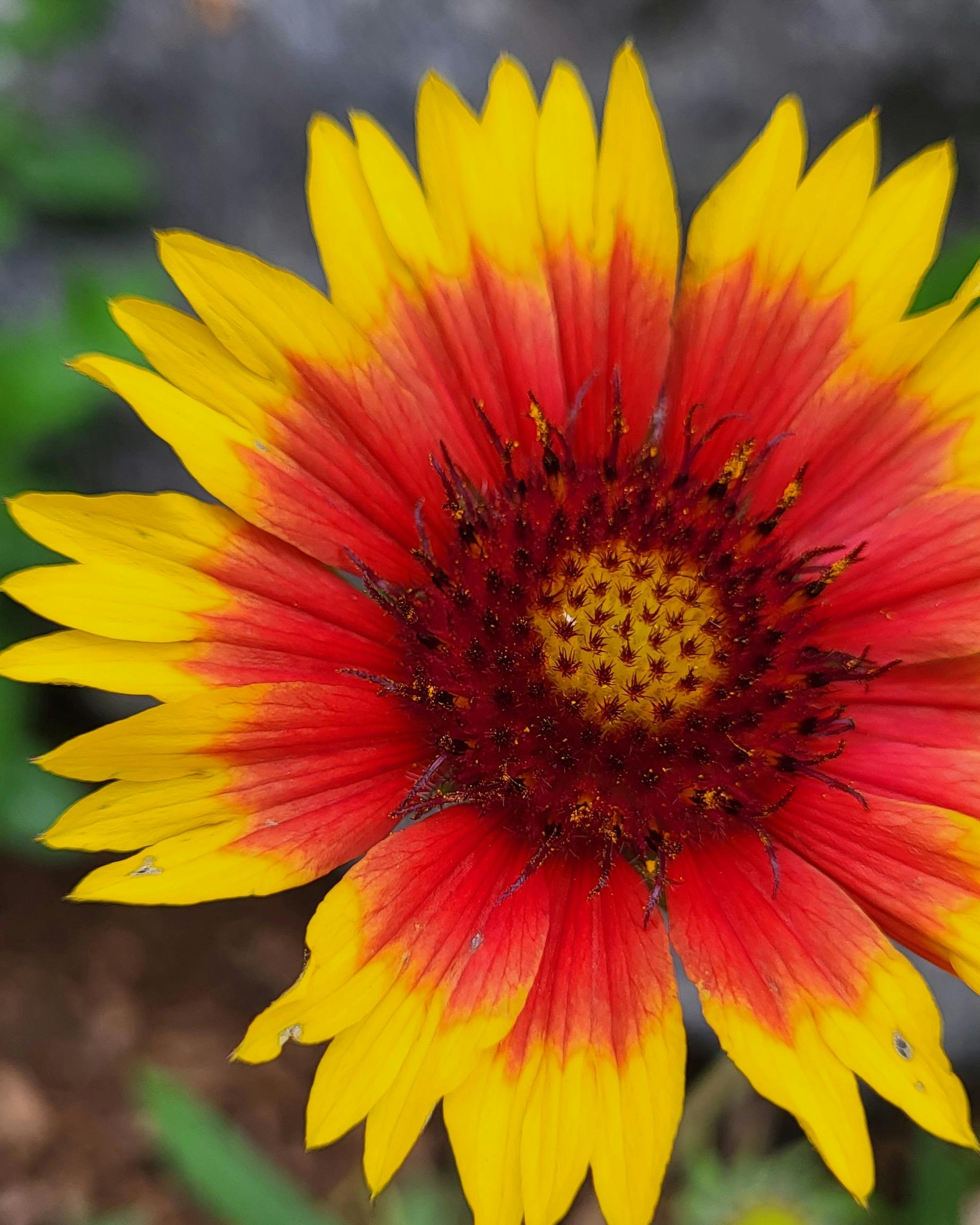
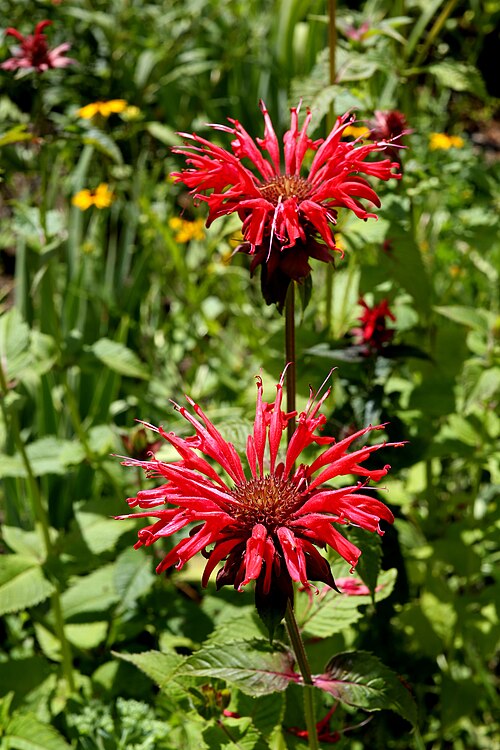
Featured Plants
Frequently Asked Questions
What makes a plant bee-friendly?
Bee-friendly plants offer accessible nectar and pollen, bloom at times when bees are active, and avoid double-flower forms that block bee access. Native plants are especially valuable because native bees evolved alongside them.
Do I need to plant native species to help bees?
Native plants are most valuable for native bees, but many non-native plants also provide excellent nectar and pollen. A mix of natives and well-chosen non-natives extends the bloom season and supports more bee species.
When should bee-friendly plants bloom?
Aim for continuous bloom from early spring (when queens emerge) through late fall (when bees are building winter stores). Early bloomers like crocus and willow are critical; late bloomers like goldenrod and aster are equally important.
Are all pollinators the same as bees?
No — pollinators include bees, butterflies, moths, beetles, flies, and hummingbirds. Bee-friendly plants specifically support bees with accessible nectar and pollen. Butterfly and hummingbird plants may have different flower shapes.