About This Collection
Hummingbirds are among the most sought-after yard visitors — and the right plants make all the difference. Unlike bees and butterflies, hummingbirds prefer tubular flowers in red, orange, and pink that match the shape of their long bills. They're attracted to high-nectar species and will return to reliable food sources throughout the season.
The ruby-throated hummingbird is the most common species in eastern North America, while the western US hosts rufous, Anna's, and several other species. All hummingbirds need continuous nectar sources from spring arrival through fall migration, plus perches and nesting habitat nearby.
PlantWise identifies plants that attract hummingbirds and matches them to your USDA zone. Every plant includes bloom time information so you can plan for continuous hummingbird visits throughout the growing season.
Find Hummingbird Plants for My Zone → or browse the interactive directory.
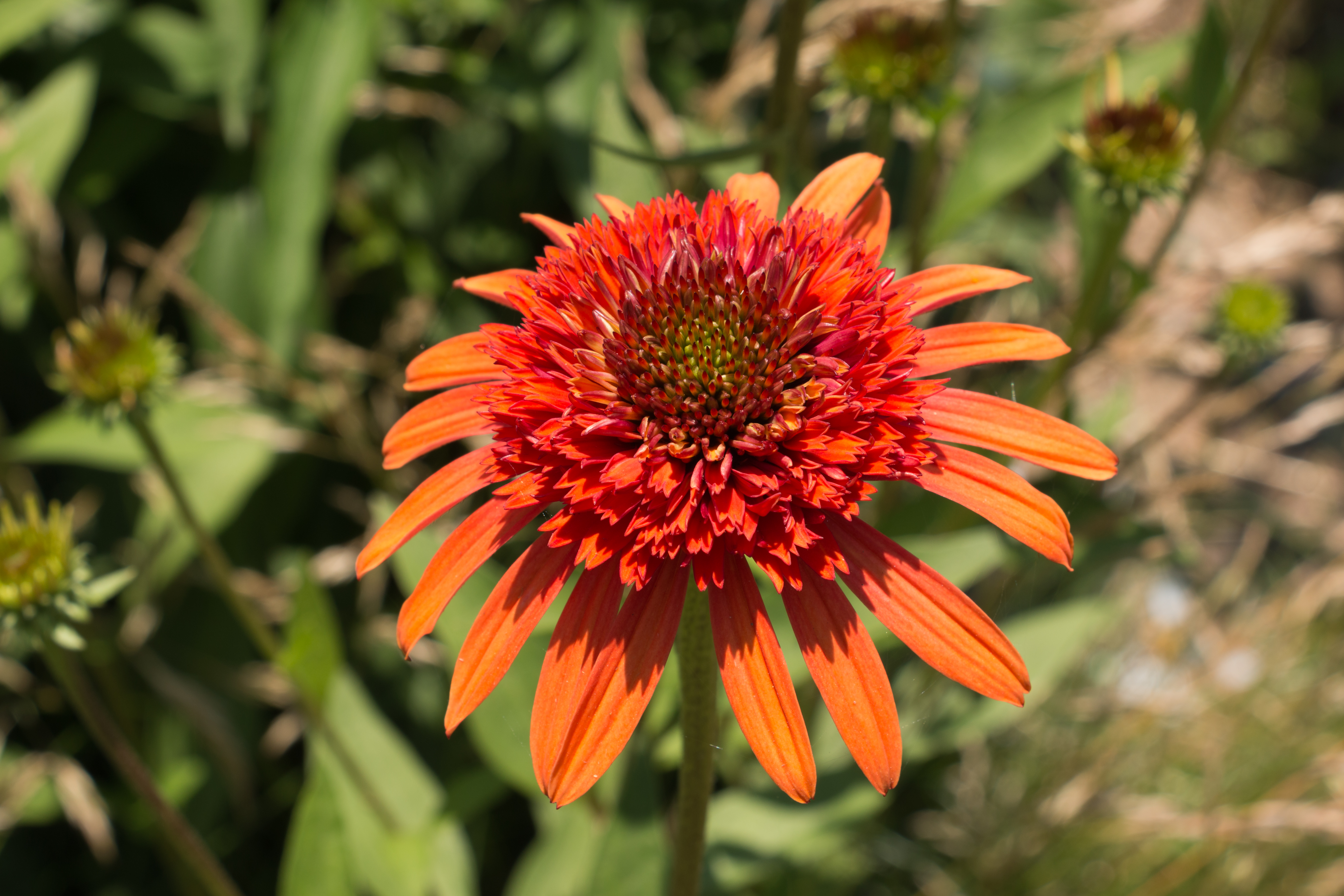
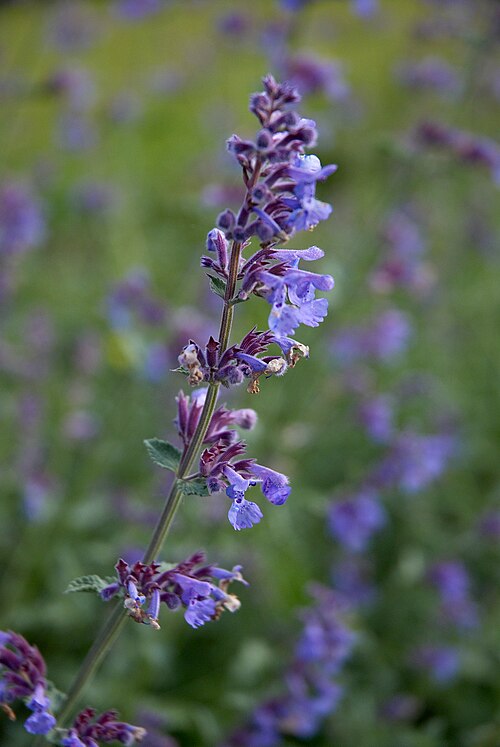
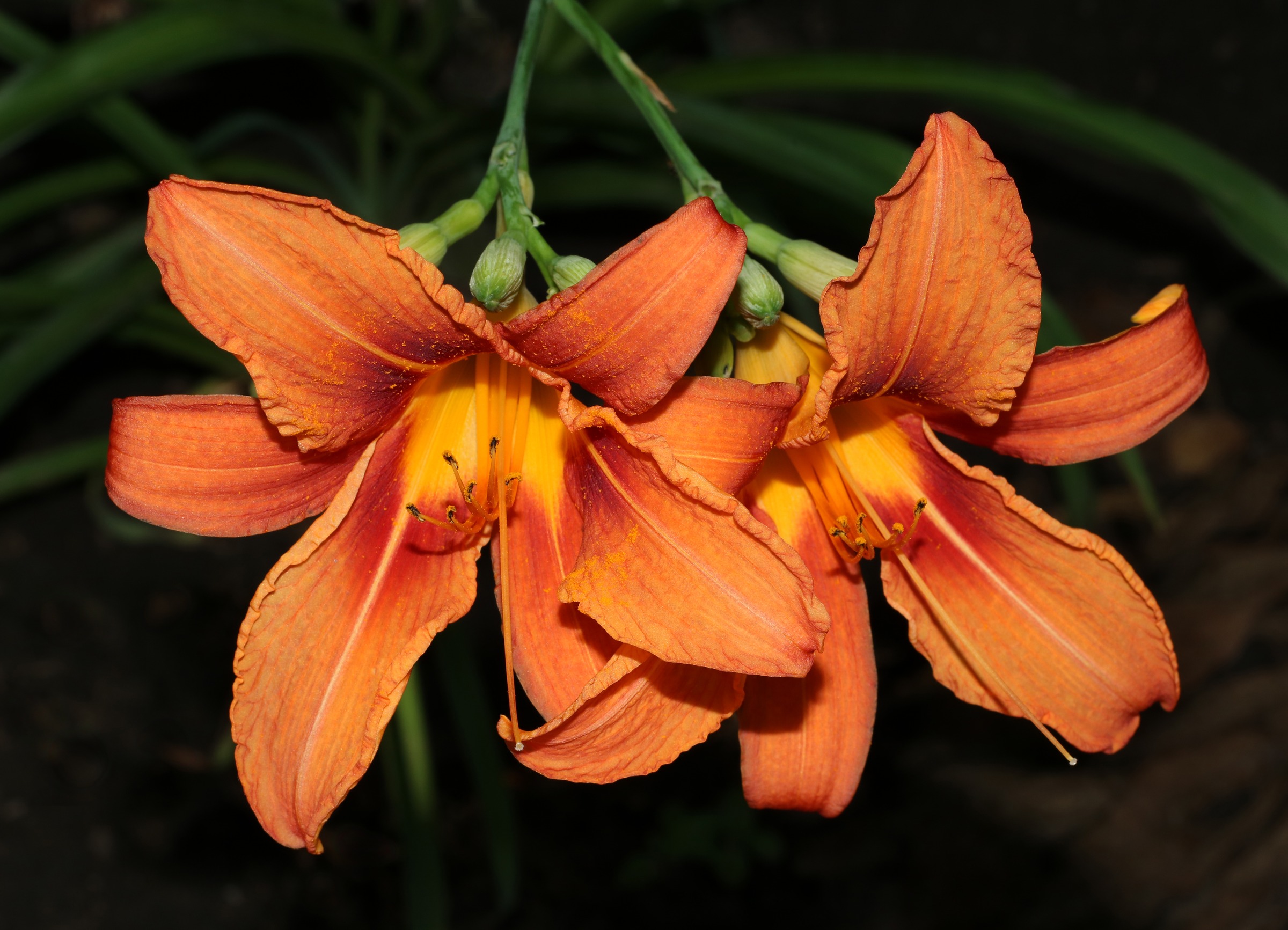
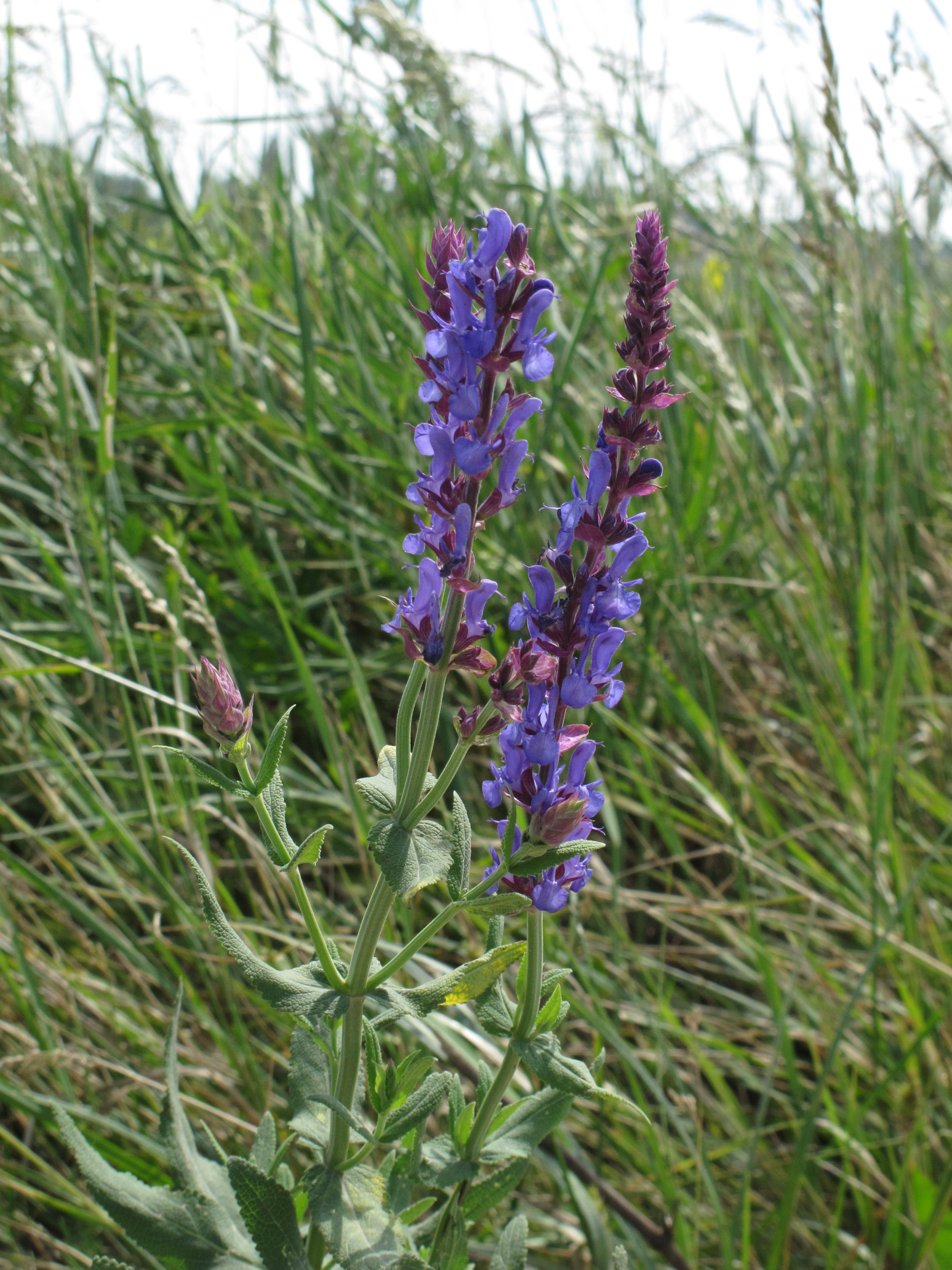
Featured Plants
Frequently Asked Questions
What flower shapes attract hummingbirds?
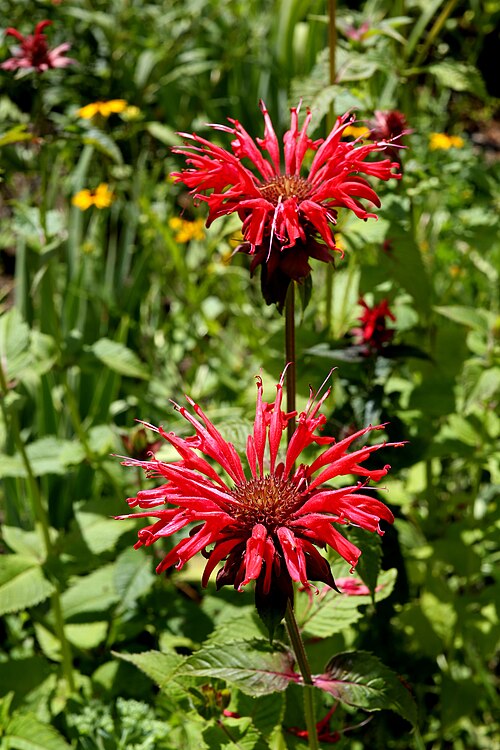
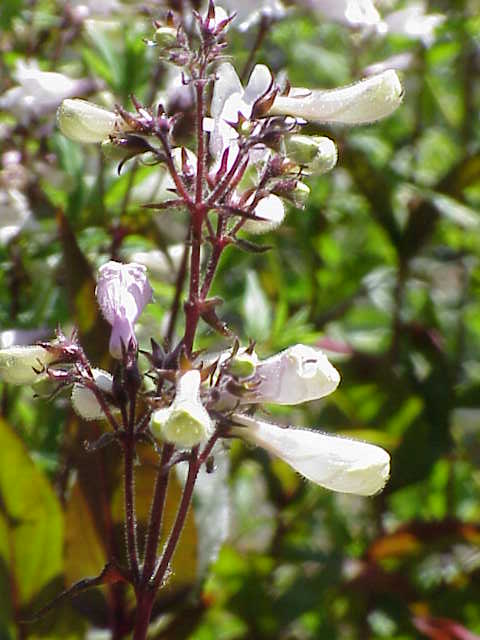
Hummingbirds prefer tubular or trumpet-shaped flowers that match their long, curved bills. Salvia, trumpet vine, cardinal flower, bee balm, and penstemon are classic examples. They're less attracted to flat, open flowers that bees prefer.
Do hummingbirds prefer red flowers?
Hummingbirds are strongly attracted to red, orange, and hot pink flowers — colors that bees can't see as well. However, they'll visit any high-nectar tubular flower regardless of color once they learn the food source.
Should I use a hummingbird feeder or plants?
Both! Plants provide natural nectar plus insects (critical protein for hummingbirds). Feeders supplement food during gaps in bloom. If using feeders, use 4:1 water-to-sugar ratio and clean every 2-3 days to prevent mold.
When do hummingbirds arrive and leave?
Ruby-throated hummingbirds arrive in the eastern US from late April through May and depart August through October. Have early-blooming plants ready when they arrive and late-blooming species to fuel their fall migration.