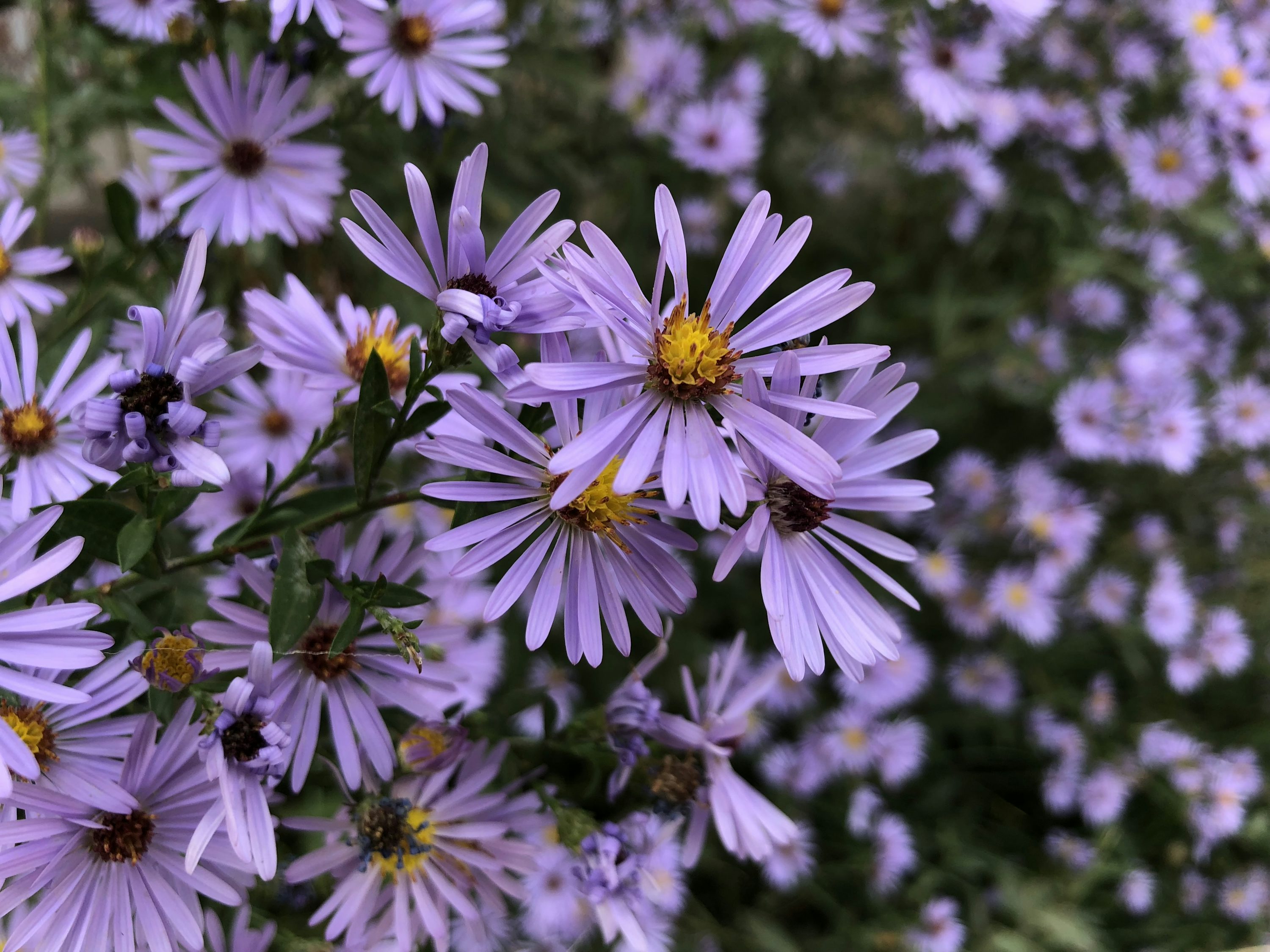
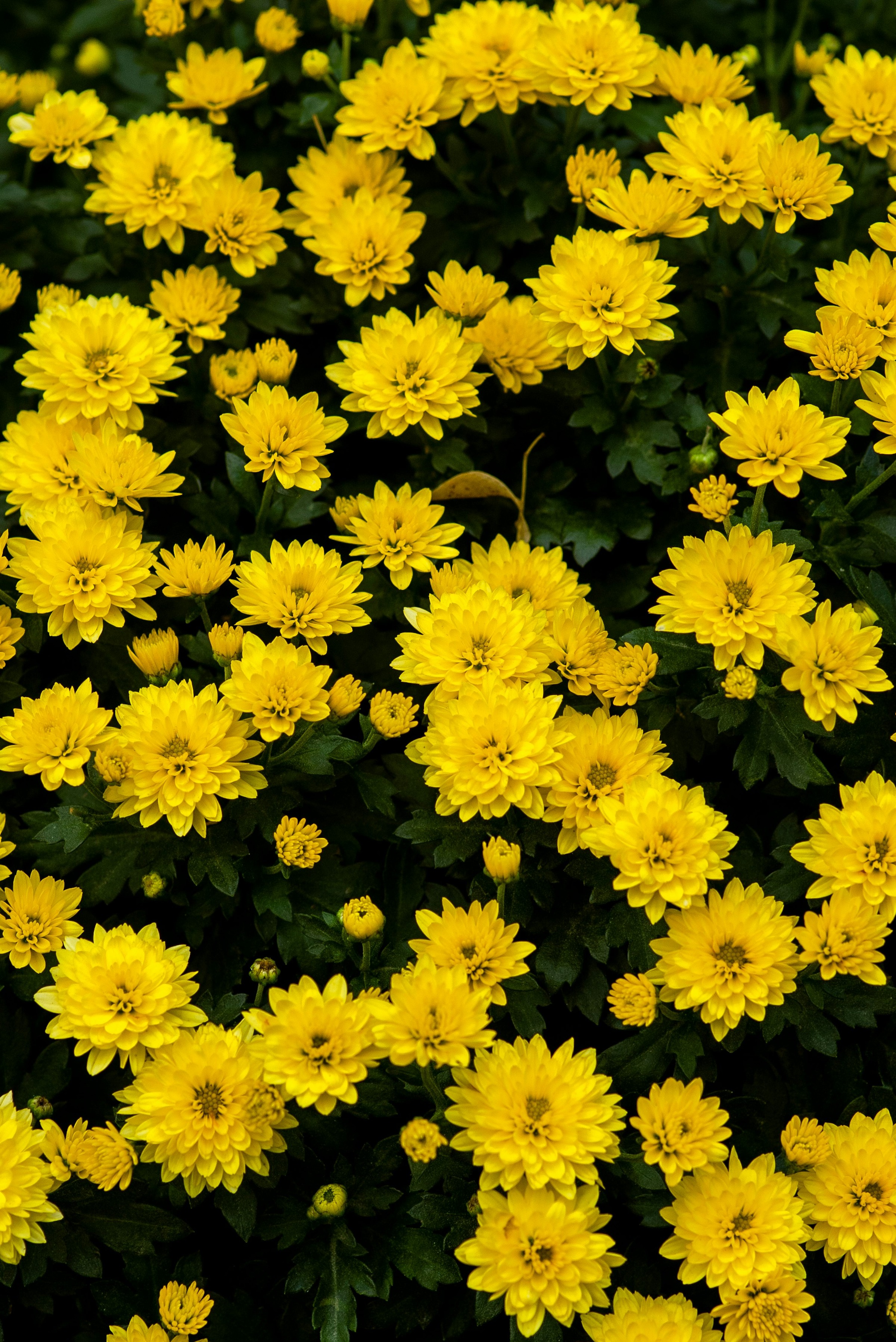
Are mums perennials? Well, yes and no. Don't be fooled by a pot covered in fall flowers: hardy garden mums can return for years when their cultivar suits your climate, while florist mums are generally sold for a one-season display and rarely survive cold-winter gardens. The label, not the flower color or the store selling it, is the first thing to check.
For repeat blooms, look for hardy, garden mum, or perennial on the tag or listing, then find a named variety and its hardiness zones. If it says florist mum or pot mum, plan on seasonal flowers rather than a dependable outdoor perennial. Even a genuinely hardy mum can fail when planted late, left in an exposed pot, or grown in wet winter soil.
1. What words should you look for when buying mums?
Start with those three useful words: hardy, garden, and perennial. They help separate landscape plants from florist plants grown for an immediate floral display. Then ask the seller which cultivar you are buying and whether its stated zone range includes your garden.
A listing that says only “fall color” or “chrysanthemum” does not settle the question. Neither does a botanical name alone. Iowa State Extension explains that both garden and florist mums are chrysanthemums, but garden mums are more cold-hardy and usually flower earlier outdoors.
A round mound of flowers is not proof of hardiness. Florist and garden types can look similar, and commercial growing methods influence their shape. Save the tag or a screenshot of the cultivar information instead of trying to identify the plant from a photo after the label is gone.
Check a live hardy perennial mum on Amazon
This red mum listing explicitly says hardy and perennial, and lists zones 5 to 9. Confirm the seller's shipping eligibility, cultivar information, and current availability for your address. It is not a zone 3 or 4 recommendation, and late planting still carries risk.
Browsing other listings? Look for the word “hardy” in the listing title or description before you buy. A mum listing that does not say hardy may be a florist mum sold for one season of color.
As an Amazon Associate, PlantWise earns from qualifying purchases.
Amazon · Hardy red mum, zones 5 to 9Amazon · Search hardy mums
🌱 Get Personalized Plant Picks
Answer a few quick questions and we’ll match plants to your exact yard conditions.
Find My Plants →2. Which mums are perennial in your zone?
There is no single zone range for every mum. Use the cultivar's actual label rather than a blanket claim that all mums survive in zones 5 to 9.
| Your garden | What to check before treating a mum as perennial |
|---|---|
| Zones 3 to 4 | A specifically northern-hardy named cultivar, with a rating that includes your zone. Generic fall pots are not enough. |
| Zone 5 | A cultivar explicitly rated to zone 5 or colder, preferably planted in spring. |
| Zones 6 to 7 | A locally suitable garden mum, good drainage, and enough establishment time. Late fall planting still carries risk. |
| Zones 8 to 9 | The cultivar's upper zone limit, local heat performance, and winter drainage. Mild winters do not correct a poor cultivar match. |
| Zone 10 | Local nursery or extension advice for that cultivar. Do not extrapolate from a zone 9 label. Seasonal use may be the better plan. |
Cold-hardy breeding makes a real difference. Iowa State recommends early-flowering, cold-hardy cultivars and notes that many University of Minnesota introductions perform well in Iowa. That is a reason to seek named plants, not to assume every chrysanthemum is equally hardy.
3. When were the mums planted?
A perennial label describes the plant's potential, not a guarantee that a flowering pot installed in November will return. Iowa State says spring is the best planting time in its cold-winter climate because roots have months to establish. Late-summer and fall plantings often fail, including garden mums.
In the Upper Midwest and northern interior, spring planting is the safer route for a long-lived bed. In the Mid-Atlantic, early fall can give plants more time than late October or November, but the calendar is not enough: elevation, soil moisture, and incoming freezes matter. In milder southern gardens, a longer rooting season can help, provided the cultivar fits local conditions.
Already have a flowering pot? Use our fall mum planting checklist to decide between planting and protected storage. It is a rescue decision, not the same purchase as a spring-grown perennial start.
4. Are the roots protected from winter?
A hardy mum in the ground and the same plant in a pot on the steps face different conditions. Containers lose heat faster, exposing roots to temperatures the garden soil buffers.
Leave healthy old stems standing through winter. Iowa State reports better survival when old growth remains. Water during dry weather while soil is unfrozen, and apply loose protective mulch in late fall once soil begins to freeze. Avoid sealing the crown under a wet, compacted layer.
For a pot you hope to keep, see how to overwinter mums in pots or the ground. A warm living room is not the same as dormant winter storage.
5. Does the planting site fit the plant?
Choose at least six hours of direct sun and well-drained soil. A winter-wet hollow can kill a hardy cultivar even when the temperature stays inside its rated range. Strong outdoor lights can also interfere with flowering because mums respond to long, uninterrupted nights.
Plant at the depth the mum grew in its container. Leave space for the named cultivar's mature spread, which can be much wider than the flowering pot you buy. Follow the cultivar label rather than crowding large garden selections into a seasonal porch arrangement.
Will store-bought mums come back next year?
Some will. Stores sell both garden and florist types, and not every pot has useful cultivar information. Check the label and zone range. An unlabeled pot cannot be confidently promised to return.
Does “hardy” mean a mum survives outdoors in its pot?
No. Hardiness ratings do not guarantee exposed-container root survival. Protect the container separately or plant an appropriate cultivar in a well-drained bed with time to establish.
Should I cut mums back after the first frost?
For garden mums you are trying to keep, leave healthy stems through winter and cut them back in spring as growth resumes. Brown flowers are not proof that the crown is dead.
Related reading and source
For a seasonal display rather than a permanent bed, see mums and fall containers for porch color.
The distinction, planting advice, and winter-care recommendations above draw on Iowa State University Extension: Growing Chrysanthemums in Iowa. Its cold-climate survival findings are not a guarantee for every region or cultivar.