Is Basil Safe for Cats? Complete Guide
As a cat owner, you're likely familiar with the constant vigilance required to keep your feline friend safe, especially when it comes to plants. The good news for basil lovers is that basil ( Ocimum basilicum ) is not listed as toxic to cats by the ASPCA (American Society for the Prevention of Cruelty to Animals). This means that if your cat nibbles on a basil leaf, you generally don't need to panic. However, while basil isn't considered poisonous, there are still a few things to keep in mind to ensure your cat's well-being when this aromatic herb is present in your home or garden. Let's dive into everything you need to know about cats and basil.
🌱 Get Personalized Plant Picks
Answer a few quick questions and we’ll match plants to your exact yard conditions.
Find My Plants →What Does "Not Listed as Toxic" Mean for My Cat?
When a plant is "not listed as toxic" by the ASPCA, it means that based on their extensive research and veterinary data, it's not known to cause severe poisoning or life-threatening symptoms if ingested by pets. This is different from saying a plant is "safe" or "non-toxic," as even non-toxic substances can cause mild digestive upset if consumed in large quantities or if a pet has a particular sensitivity.
For basil, this generally translates to:
- Small amounts: A small nibble or taste of a basil leaf is unlikely to cause any problems.
- Moderate amounts: Eating a larger quantity might lead to mild gastrointestinal upset, such as vomiting, diarrhea, or a decreased appetite. This is usually due to the plant material itself, which can be difficult for a cat's digestive system to process, rather than a specific toxin.
- Essential oils: Concentrated basil essential oils are a different story and should never be given to or applied on cats. Essential oils are highly potent and can be very dangerous, leading to liver damage or other severe health issues.
So, while a casual chew on a basil plant won't send you rushing to the vet, it's still wise to monitor your cat and discourage them from making a meal out of your herb garden.
Why Do Cats Sometimes Eat Plants, Including Basil?
Cats are obligate carnivores, meaning their primary diet should consist of meat. So why do they sometimes seem so interested in munching on plants? There are several theories:
- Digestive Aid: Eating grass or other plant material can help cats regurgitate indigestible matter like fur balls or bones from prey. The fiber in plants may also aid digestion.
- Nutritional Gaps: Although their primary nutrition comes from meat, some cats might seek out plants to supplement their diet with certain vitamins or minerals, even if the plant isn't a significant source.
- Boredom or Curiosity: Especially for indoor cats, exploring and chewing on plants can be a form of entertainment or a way to satisfy their natural curiosity.
- Instinct: Their wild ancestors would occasionally consume plant matter, and this instinct might still be present.
Understanding these motivations can help you manage your cat's access to plants, both edible and ornamental.
Can I Grow Basil Indoors or Outdoors If I Have Cats?
Yes, you can absolutely grow basil both indoors and outdoors even with cats around! Given that basil is not listed as toxic, it's one of the safer options for a pet-friendly garden.
Growing Basil Indoors: If you're growing basil on a windowsill or in a container indoors, consider placing it in an area that's less accessible to your cat. A high shelf, a room your cat doesn't frequent, or even a covered herb garden can help. If your cat is a persistent plant chewer, you might need to be more creative with placement or use deterrents.
Growing Basil Outdoors: In an outdoor garden, basil can be a lovely addition. Cats are less likely to consume large quantities of outdoor plants, as they have more distractions and space. However, if you have a particularly curious cat, you might want to plant basil in raised beds or areas that are harder for them to reach.
Tips for Discouraging Plant Chewing:
- Provide Alternatives: Offer your cat safe plants specifically for them to chew, such as cat grass (oats, wheat, rye, or barley grass). This can redirect their attention from your basil.
- Bitter Sprays: Pet-safe bitter sprays can be applied to plant leaves to make them unappealing.
- Physical Barriers: Use netting, chicken wire, or decorative stones around plants to create a barrier.
- Enrichment: Ensure your cat has plenty of toys, scratching posts, and playtime to reduce boredom-related chewing.
Quick Reference: Basil & Cats
| Aspect | Information (The user wants me to use the exact number for the ASPCA hotline. I'll double check it.)
Basil ( Ocimum basilicum ) is a popular culinary herb known for its fragrant leaves and diverse uses in many cuisines. If you're a cat owner who loves to cook with fresh herbs, you might wonder about the safety of having basil plants around your feline companions. The good news is that basil is not listed as toxic to cats by the ASPCA (American Society for the Prevention of Cruelty to Animals). This means that if your curious kitty takes a nibble of a basil leaf, it's generally not considered an emergency. However, "not toxic" doesn't mean "eat all you want," and there are still some important considerations for cat owners.
Is Basil Bad for Cats if They Eat a Lot?
While basil is not listed as toxic, consuming excessive amounts of any plant material can potentially lead to mild digestive upset in cats. A cat's digestive system is primarily designed for meat, and large quantities of fibrous plant matter can be difficult for them to process.
If your cat eats a significant amount of basil, you might observe symptoms such as:
- Vomiting: The most common reaction, as their stomach tries to expel the indigestible material.
- Diarrhea: Loose stools can occur if the plant material irritates the digestive tract.
- Decreased appetite: Your cat might feel unwell and refuse to eat their regular food.
- Lethargy: A general lack of energy or enthusiasm.
These symptoms are usually mild and temporary, resolving on their own once the plant material has passed through their system. However, if symptoms are severe, persistent, or if you notice any other unusual behaviors, it's always best to contact your veterinarian.
Important Note on Essential Oils: While fresh basil leaves are generally safe, highly concentrated basil essential oils are a different story. Essential oils are extremely potent and can be toxic to cats, whether ingested, inhaled, or absorbed through the skin. Never use basil essential oil (or any essential oil) directly on or around your cat without veterinary guidance.
How Can I Keep My Cat Away From My Basil Plants?
Even though basil is not listed as toxic, it's a good idea to discourage your cat from habitually munching on your plants. This prevents potential stomach upset and protects your herbs! Here are some strategies:
- Provide Safe Alternatives: Offer your cat their own "garden" of cat grass (oats, wheat, rye, or barley grass). Many pet stores sell seeds or pre-grown kits. This can satisfy their natural instinct to chew on greens.
- Strategic Placement: Place your basil plants in areas that are difficult for your cat to access. High shelves, hanging baskets, or rooms that are off-limits to your cat are good options.
- Physical Barriers:
- Cloches or Cages: Use decorative cloches or small wire cages around individual plants.
- Fencing: For outdoor garden beds, a low fence can deter casual nibblers.
- Foil or Double-Sided Tape: Cats dislike the texture and sound of aluminum foil. Placing it around the base of plants or on the windowsill where plants sit can be a deterrent. Similarly, double-sided tape can make surfaces less appealing.
- Scent Deterrents: Cats often dislike citrus scents. You can place orange or lemon peels near your basil plants. Some commercial pet deterrent sprays use scents that cats find unpleasant, but always ensure they are pet-safe and won't harm your plants.
- Enrichment and Play: A bored cat is a mischievous cat. Ensure your feline friend has plenty of toys, scratching posts, and daily playtime to keep them mentally and physically stimulated. This can reduce their interest in your plants as a source of entertainment.
- Water Sprays (Use Sparingly): A gentle spritz from a water bottle when you catch your cat investigating plants can be an effective deterrent for some. Use this cautiously, as you don't want your cat to associate you with punishment.
If you suspect your pet has ingested a toxic plant, call the ASPCA Animal Poison Control Center immediately at (888) 426-4435.
What Other Herbs Are Generally Not Listed as Toxic for Cats?
If you're looking to expand your indoor or outdoor herb garden with cat-friendly options, here are a few other common herbs that are generally not listed as toxic to cats by the ASPCA:
- Rosemary (Rosmarinus officinalis): A fragrant herb often used in cooking.
- Thyme (Thymus vulgaris): Another popular culinary herb with a distinctive aroma.
- Cilantro/Coriander (Coriandrum sativum): The leaves (cilantro) and seeds (coriander) are widely used.
- Dill (Anethum graveolens): Known for its feathery leaves and distinct flavor.
- Parsley (Petroselinum crispum): While not listed as toxic, large quantities can sometimes cause photosensitivity in some animals, so moderation is key.
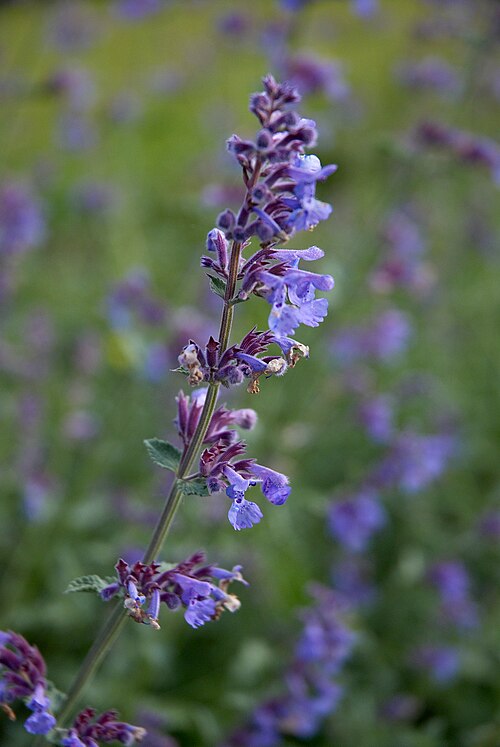
- Catnip (Nepeta cataria): Famous for its stimulating effect on many cats, it's safe for them to chew and ingest.
- Valerian (Valeriana officinalis): Another herb known to have a stimulating effect on some cats, similar to catnip, and is not listed as toxic.
Remember, even with "not listed as toxic" plants, moderation is key. Always observe your cat for any adverse reactions after they've been exposed to a new plant.
The Bottom Line on Basil and Cats
Basil is a wonderful herb to grow, and you can do so confidently even with cats in your home. It is not listed as toxic to felines by the ASPCA, meaning accidental nibbles are unlikely to cause serious harm. By understanding your cat's natural behaviors and taking a few simple precautions, you can enjoy your fresh basil while keeping your furry friend safe and sound.
Ready to find the perfect plants for your yard? Try the PlantWise Plant Finder →