Is Chamomile Safe for Dogs? Complete Guide
As loving pet parents and avid gardeners, we often wonder about the safety of the plants we bring into our homes and gardens, especially when it comes to our furry friends. Chamomile, a popular herb known for its calming properties in humans, often sparks this question: Is chamomile safe for dogs? The short answer is no, chamomile is not listed as safe for dogs and is considered potentially toxic by the ASPCA. While widely used in human herbal remedies, certain compounds in chamomile can cause adverse reactions in canines, ranging from mild gastrointestinal upset to more severe issues if ingested in large quantities. Understanding the risks is crucial for keeping your canine companion healthy and happy.
🌱 Get Personalized Plant Picks
Answer a few quick questions and we’ll match plants to your exact yard conditions.
Find My Plants →What Makes Chamomile Potentially Toxic to Dogs?
Chamomile (specifically Matricaria recutita or German Chamomile, and Chamaemelum nobile or Roman Chamomile) contains several active compounds, including bisabolol, chamazulene, and various volatile oils and flavonoids. While these compounds contribute to chamomile's medicinal properties for humans, they can be problematic for dogs.
The primary culprits behind chamomile's toxicity in dogs are the sesquiterpene lactones and volatile oils. These substances can irritate a dog's gastrointestinal tract and, in higher doses, affect their nervous system or even liver. The concentration of these compounds can vary depending on the plant species, the part of the plant ingested (flowers, leaves, stems), and whether it's a fresh plant, dried herb, or a concentrated essential oil or extract.
It's important to note that while some commercial pet products might contain highly diluted chamomile extracts, these are formulated by experts and typically contain very low, specific doses. Allowing your dog to chew on a fresh chamomile plant or giving them human-grade chamomile tea or supplements is a different matter entirely and carries significant risks.
What Are the Symptoms of Chamomile Poisoning in Dogs?
If your dog ingests chamomile, the symptoms can vary depending on the amount consumed and your dog's size and sensitivity. Here's a quick reference for potential signs:
Quick Reference: Chamomile Poisoning Symptoms
| Symptom Category | Specific Symptoms Chamomile is a plant that is commonly grown in gardens for its delicate, daisy-like flowers and its traditional use in herbal remedies. It's often found in teas, essential oils, and even some pet products due to its perceived calming properties. However, when it comes to whole plant ingestion, the story changes.
What Parts of the Chamomile Plant Are Toxic?
All parts of the chamomile plant, including the flowers, leaves, and stems, contain the potentially toxic compounds. The concentration of these compounds can vary, but it's always safest to assume that any part of the plant could cause an adverse reaction if ingested by your dog.
It's also important to differentiate between the fresh plant and highly processed, diluted chamomile products specifically formulated for pets. These commercial products are designed to minimize risk and are usually given in very small, controlled doses under veterinary guidance. This blog post focuses on the risks associated with dogs ingesting the raw, whole chamomile plant from your garden.
What Should I Do If My Dog Eats Chamomile?
If you suspect your dog has ingested chamomile, especially a significant amount, it's crucial to act quickly.
- Remove any remaining plant material: Prevent further ingestion.
- Observe your dog: Look for any immediate signs of distress or symptoms listed above.
- Call for help: If you suspect your pet has ingested a toxic plant, call the ASPCA Animal Poison Control Center immediately at (888) 426-4435. You can also contact your veterinarian. Be prepared to tell them what kind of chamomile it was (if you know), how much your dog ate, and when they ate it.
- Follow veterinary advice: Do not try to induce vomiting unless specifically instructed to do so by a veterinary professional, as this can sometimes cause more harm than good.
Early intervention can make a significant difference in the outcome.
What Are Some Dog-Friendly Alternatives to Chamomile in the Garden?
While chamomile might be off-limits for gardens frequented by curious canines, there are many beautiful and beneficial plants that are not listed as toxic to dogs by the ASPCA. Creating a pet-friendly garden means choosing plants that won't pose a threat if your dog decides to sample them.
Here are a few popular garden plants that are generally considered not listed as toxic for dogs:
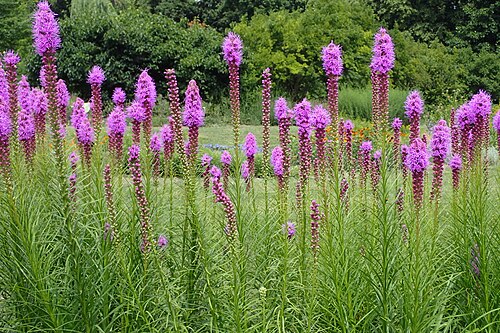
- Blazing Star (Blazing Star): These tall, spiky flowers add vertical interest and attract pollinators, and are generally considered not listed as toxic to dogs.
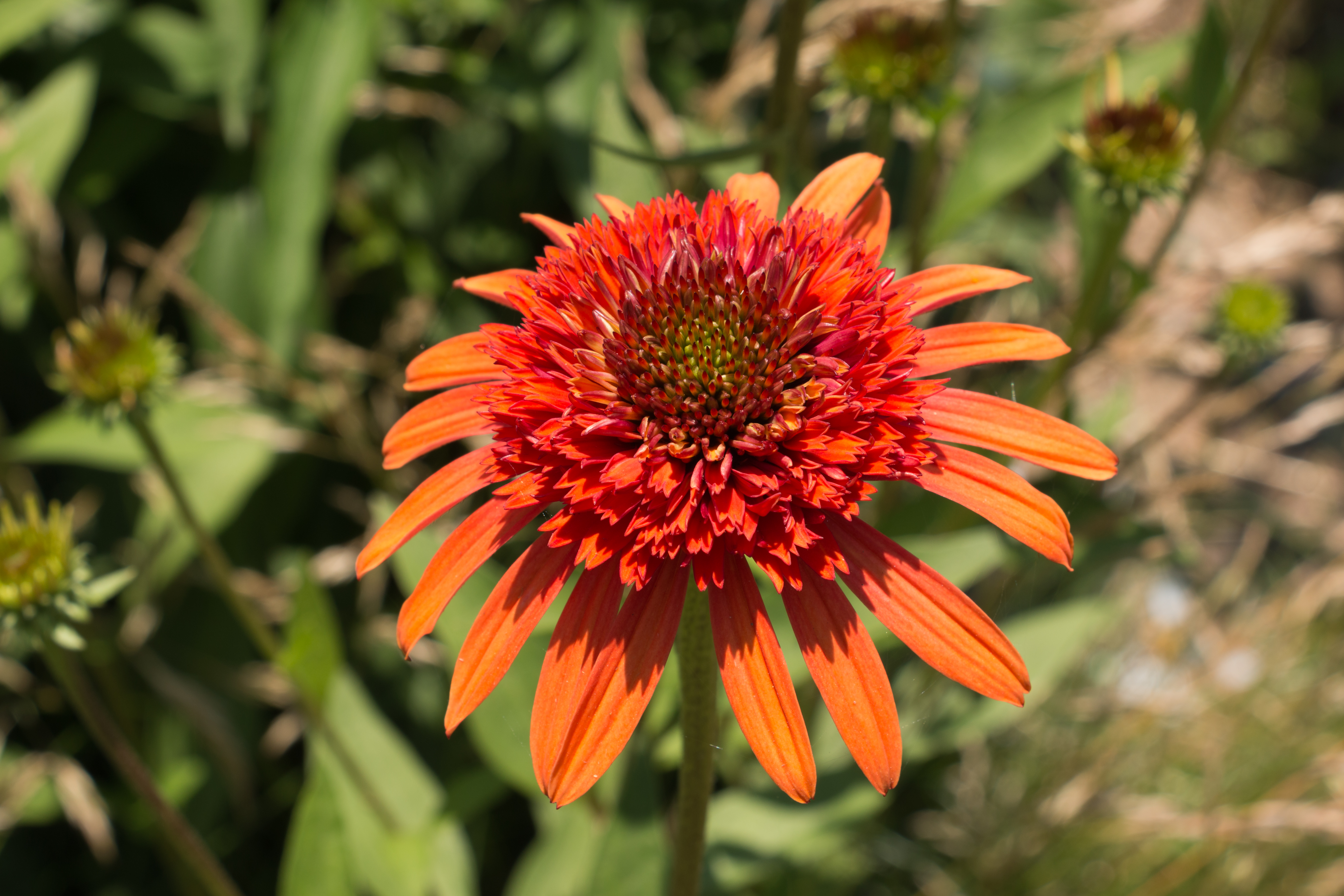
- Coneflower (Coneflower): A classic prairie plant, coneflowers are hardy, beautiful, and not listed as toxic for dogs. They also attract butterflies!
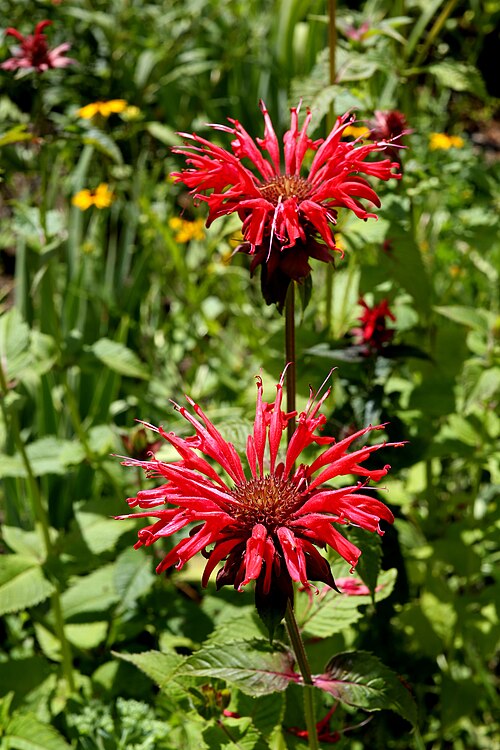
- Bee Balm (Bee Balm): Known for its unique, shaggy flowers and ability to attract hummingbirds and bees, Bee Balm is a vibrant addition to the garden and is not listed as toxic to dogs.
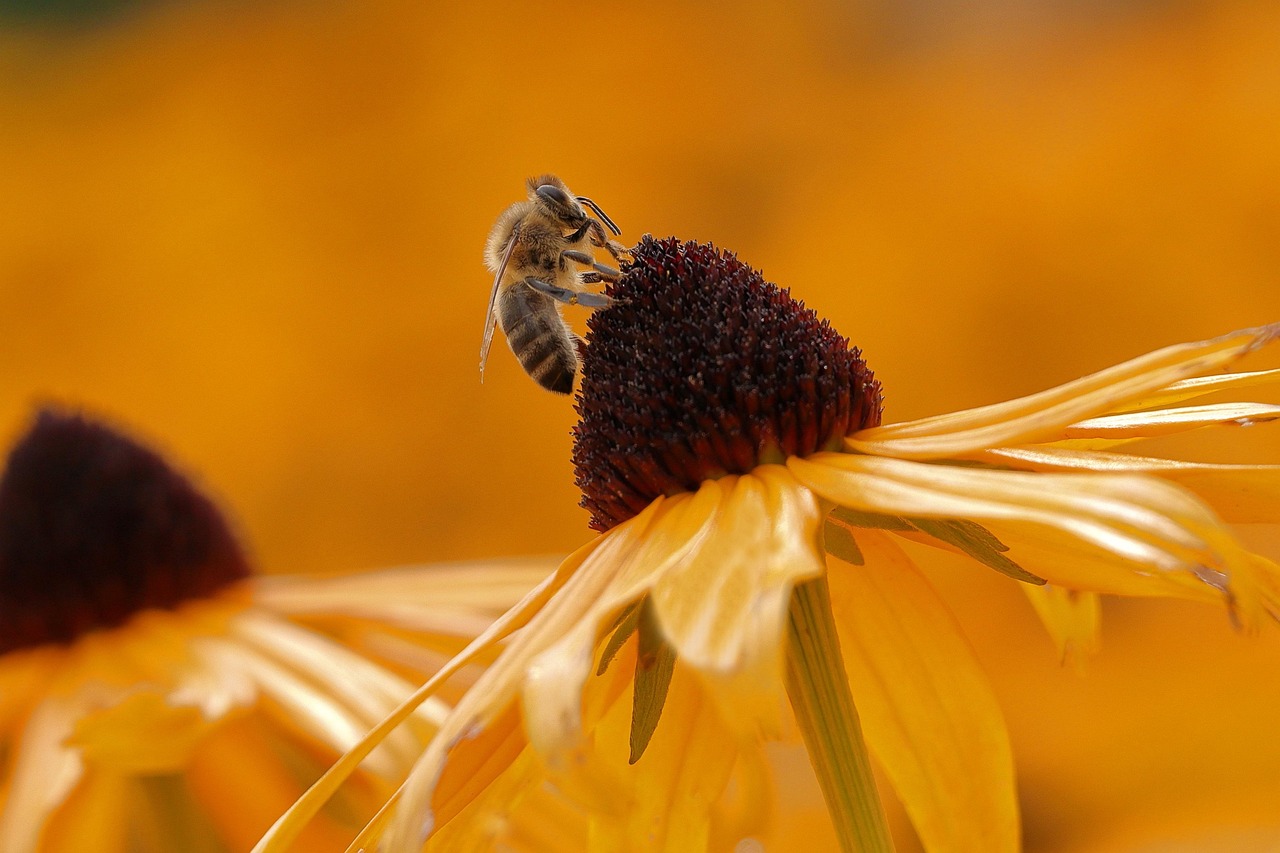
- Black-eyed Susan (Black-eyed Susan): Cheerful and easy to grow, these sunny flowers are a garden favorite and are not listed as toxic for dogs.
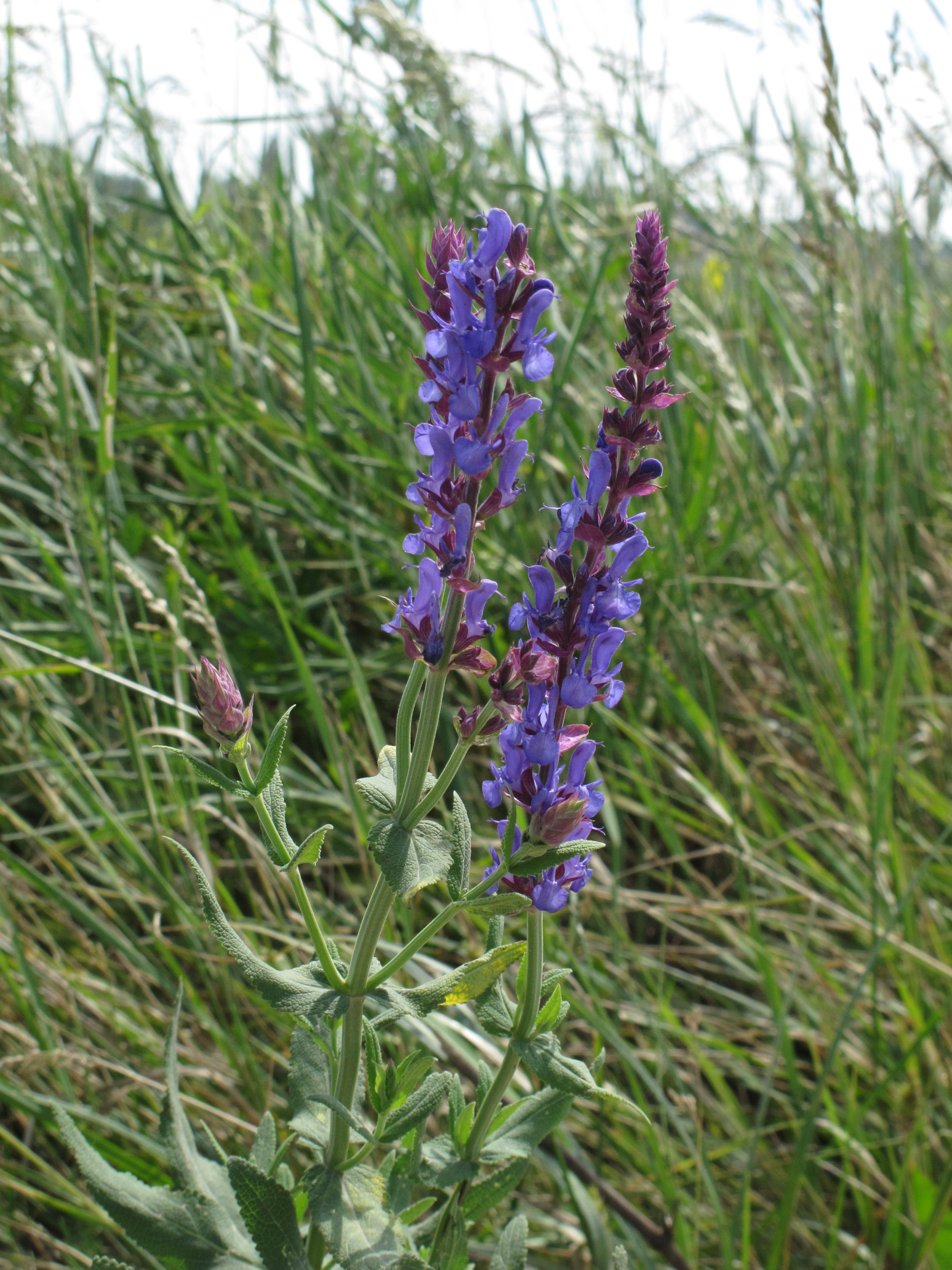
- Salvia (Salvia): With a wide variety of colors and forms, salvia offers long-lasting blooms and is generally not listed as toxic to dogs. Salvia
Always double-check any plant's toxicity status with a reliable source like the ASPCA before introducing it to your garden, especially if you have a dog prone to nibbling. Even "not listed as toxic" plants can cause mild upset if eaten in very large quantities, so supervision is always recommended.
How Can I Create a Safer Garden for My Dog?
Creating a dog-friendly garden goes beyond just plant selection. Here are some additional tips:
- Fencing: Consider fencing off areas with potentially toxic plants or delicate plantings that you don't want your dog to disturb.
- Designated Dog Zone: Create a specific area in the yard where your dog can play, dig, or relieve themselves without damaging your main garden beds.
- Supervision: Always supervise your dog when they are in the garden, especially if they are young or prone to chewing.
- Training: Train your dog with commands like "leave it" or "drop it" to prevent them from ingesting plants.
- Provide Alternatives: Offer plenty of safe chew toys and fresh water to deter them from seeking out plants.
- Be Mindful of Fertilizers and Pesticides: Many garden chemicals can be highly toxic to pets. Opt for organic, pet-safe alternatives whenever possible, and always store them securely out of reach.
By taking these precautions, you can enjoy a beautiful garden and ensure your beloved canine companion stays safe and healthy.
Ready to find the perfect plants for your yard? Try the PlantWise Plant Finder →