Is Catnip Safe for Dogs? Complete Guide
Many dog owners wonder about the safety of various plants, especially when they see their canine companions sniffing around the garden. Catnip, known scientifically as Nepeta cataria, is famous for its intoxicating effect on felines, but what about dogs? The good news is that catnip is not listed as toxic to dogs by the ASPCA. While it's generally considered safe for dogs to be around and even consume in small amounts, it's important to understand its potential effects and how to offer it responsibly. This guide will help you understand everything you need to know about catnip and your furry friend.
🌱 Get Personalized Plant Picks
Answer a few quick questions and we’ll match plants to your exact yard conditions.
Find My Plants →What is Catnip and How Does it Affect Animals?
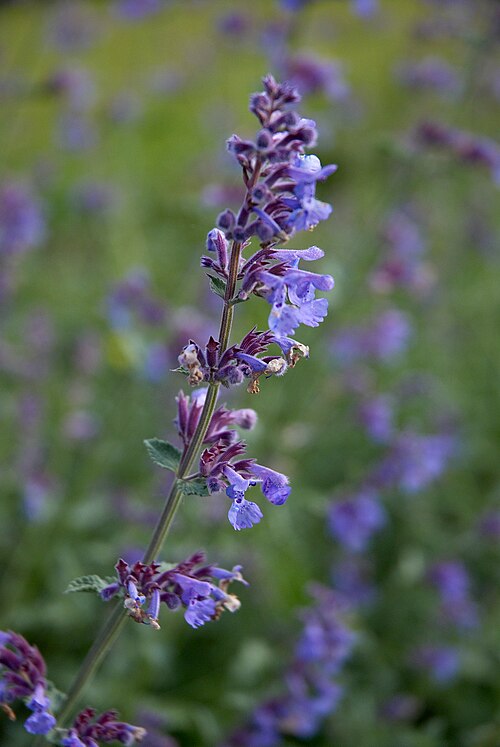
Catnip (Nepeta cataria) is a perennial herb belonging to the mint family (Lamiaceae). It's characterized by its square stems, heart-shaped, scalloped leaves, and small, often lavender or white flowers. Native to Europe, Asia, and Africa, it has naturalized in many parts of North America.
The plant contains an essential oil called nepetalactone, which is responsible for its well-known effects. When cats sniff or ingest catnip, nepetalactone binds to receptors in their nasal tissue, stimulating sensory neurons that lead to a euphoric, playful, or sometimes sedated response. This effect is genetic, with about 70-80% of cats responding to it.
For dogs, the effects are quite different. While nepetalactone can still have some impact, it's generally much milder and often acts as a mild sedative or calming agent rather than a stimulant. Some dogs may show no reaction at all, while others might become more relaxed or even a little sleepy after ingesting a small amount.
Is Catnip Safe for Dogs to Eat or Be Around?
As mentioned, catnip is not listed as toxic to dogs by the ASPCA, making it generally safe for them to be around and even consume in moderation. This means if your dog nibbles on a catnip plant in your garden or gets into a catnip toy, you typically don't need to panic.
However, "safe" doesn't always mean "without any potential issues." Just like with any plant or food item, moderation is key. Large quantities of any plant material can cause digestive upset in dogs, leading to symptoms like vomiting or diarrhea. While catnip itself isn't toxic, an excessive amount could still irritate your dog's stomach.
Some holistic veterinarians and pet owners use catnip as a mild herbal remedy for dogs, particularly for anxiety or digestive issues. However, it's crucial to consult with your veterinarian before using any herbal supplement for medicinal purposes, especially if your dog has underlying health conditions or is on other medications.
Quick Reference: Catnip for Dogs
| Aspect | Information
The PlantWise team is dedicated to providing accurate, helpful, and accessible gardening information. Today, we're tackling a common question for pet parents: is catnip safe for dogs?
Is Catnip Safe for Dogs to Consume?
The short answer is yes, catnip (Nepeta cataria) is generally considered safe for dogs. The ASPCA (American Society for the Prevention of Cruelty to Animals) does not list catnip as toxic to dogs. This means that if your curious canine takes a nibble of a catnip plant in your garden or gets into a catnip-filled toy, it's unlikely to cause serious harm.
However, "safe" does not mean "without any potential effects" or that it should be consumed in large quantities. While cats famously react to the nepetalactone in catnip with euphoria or sedation, dogs typically have a much milder, if any, reaction. For dogs, catnip is more likely to act as a mild sedative, promoting relaxation or sleepiness, rather than the energetic burst often seen in felines. Some dogs may also experience a slight calming effect, which is why some holistic veterinarians suggest it for minor anxiety or digestive upset.
Despite its general safety, it's important to remember that any plant material consumed in large amounts can potentially cause digestive upset in dogs. Symptoms like mild vomiting or diarrhea could occur if your dog eats a significant quantity of catnip, simply because their stomach isn't used to processing that much fibrous plant matter.
If you suspect your pet has ingested a toxic plant, call the ASPCA Animal Poison Control Center immediately at (888) 426-4435.
How Might Catnip Affect My Dog?
The effects of catnip on dogs are far less dramatic and predictable than on cats. Most dogs will show no noticeable reaction at all. For those who do react, the effects are typically subtle and calming.
- Mild Sedation: Some dogs may become more relaxed, sleepy, or less anxious. This is the most commonly reported effect for dogs who do respond to catnip.
- No Reaction: A large percentage of dogs will not display any discernible change in behavior after exposure to catnip.
- Digestive Upset (rare, with large quantities): As with any plant matter, consuming a large amount could lead to mild gastrointestinal distress such as vomiting or diarrhea. This is usually due to the physical quantity of plant material rather than any inherent toxicity of catnip itself.
It's important to note that every dog is an individual. What affects one dog may not affect another in the same way, or at all. Always observe your dog closely after they interact with any new plant or substance.
Can I Grow Catnip in My Garden with Dogs Around?
Absolutely! Growing catnip in your garden is perfectly fine even if you have dogs. As it's not listed as toxic, there's no inherent danger. In fact, catnip is a wonderful addition to a pollinator garden, attracting beneficial insects like bees and butterflies. It's also a relatively low-maintenance herb that can thrive in many conditions.
When planting, consider its vigorous growth habit. Catnip, like many mint family members, can spread readily. You might want to plant it in a container or a designated area where its spread can be managed. If you're concerned about your dog eating too much, you can place it in a raised bed or an area of the garden that's less accessible to them.
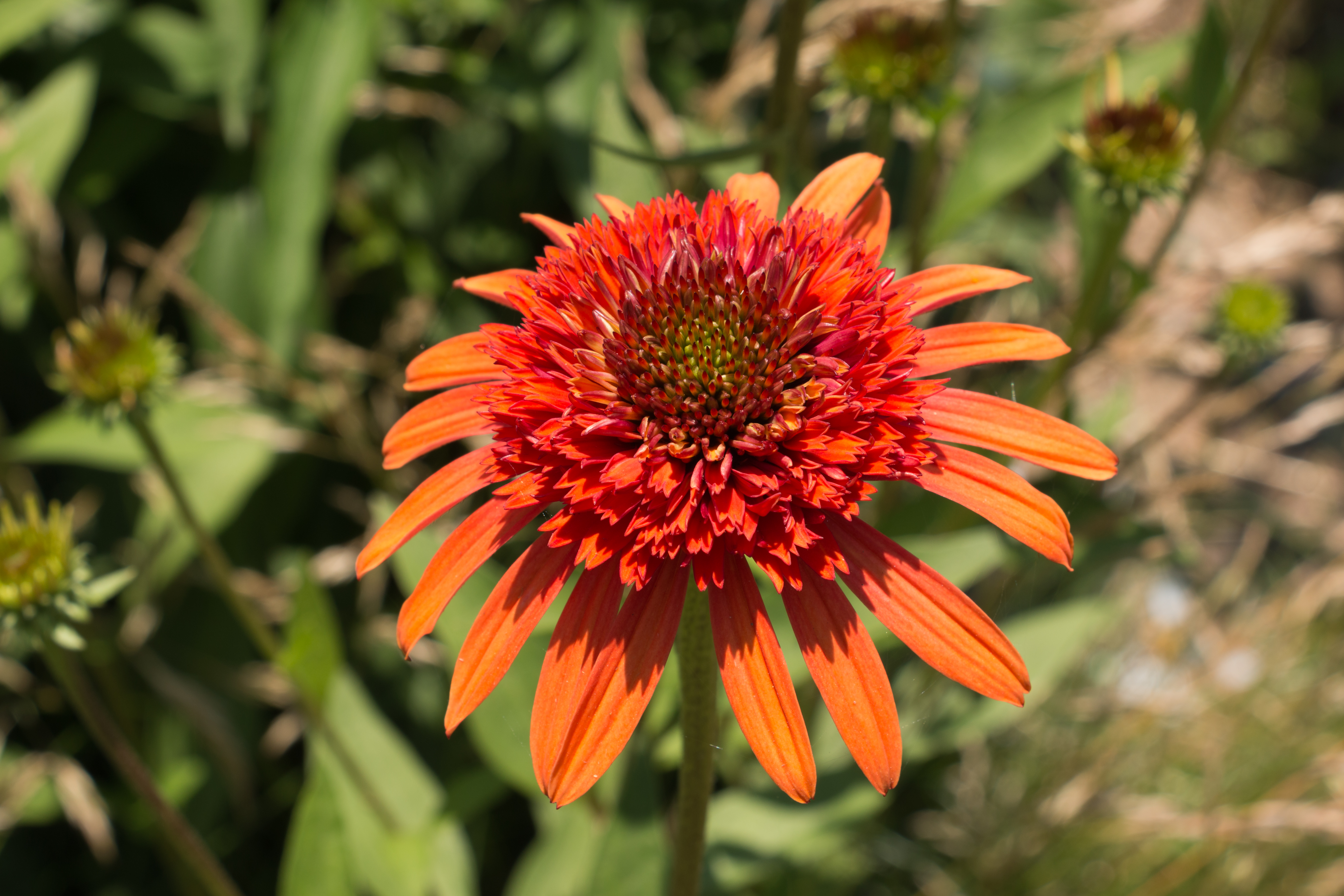
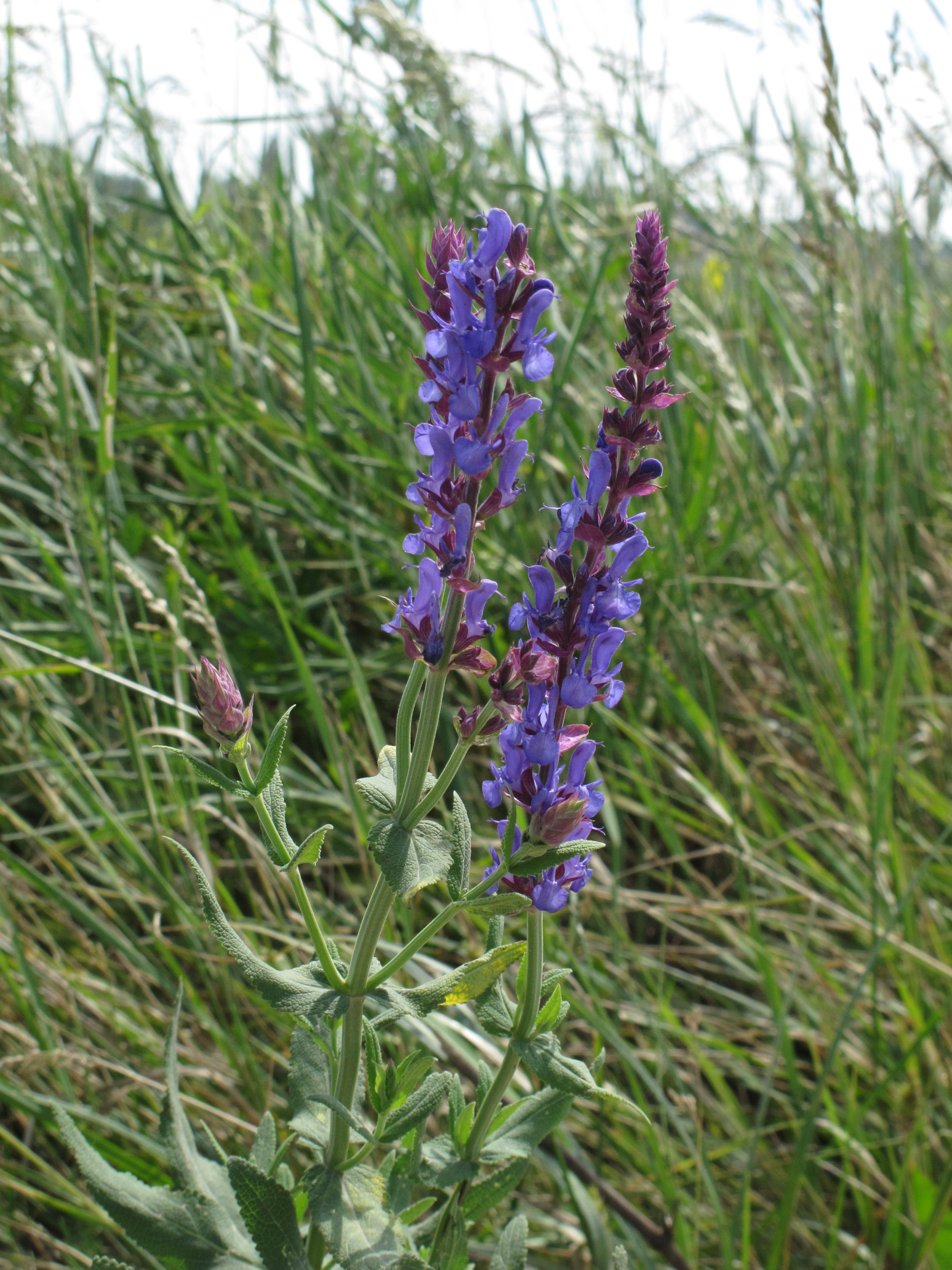
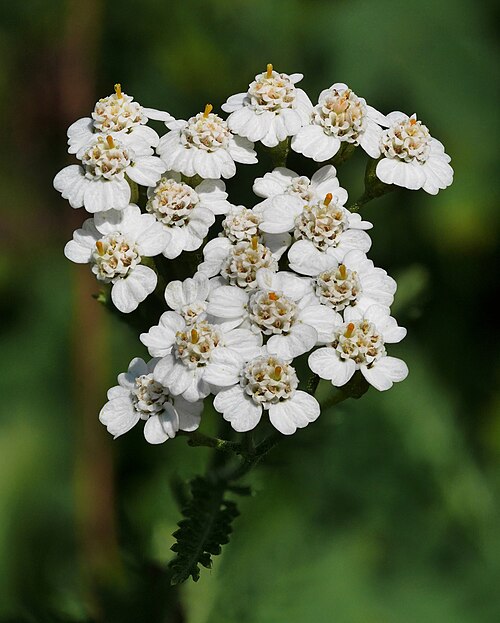
Many gardeners also choose to plant other dog-friendly, beautiful perennials that attract pollinators and create a vibrant landscape. Here are a few examples:
Should I Offer Catnip to My Dog Deliberately?
While catnip is not listed as toxic, offering it to your dog deliberately should be done with caution and ideally after consulting your veterinarian. Some pet owners use small amounts of dried catnip or catnip tea to help calm an anxious dog during stressful situations (like thunderstorms or car rides) or to aid with mild digestive upset.
If you decide to try it, start with a very small amount (e.g., a pinch of dried catnip sprinkled on food or a few drops of a very diluted catnip tea). Monitor your dog closely for any adverse reactions. Discontinue use if you notice any negative changes in behavior or health. Never force your dog to consume catnip.
Important Considerations:
- Dosage: There is no established safe or effective dosage for dogs. Always err on the side of caution with very small amounts.
- Preparation: Dried catnip is common, but you can also make a weak tea. Avoid essential oils, which are highly concentrated and can be dangerous for pets.
- Consult Your Vet: Before using catnip or any herbal remedy for medicinal purposes, always speak with your veterinarian, especially if your dog has existing health conditions or is on medication. They can provide guidance tailored to your dog's specific needs.
In conclusion, catnip is generally considered safe for dogs and is not listed as toxic by the ASPCA. While it won't have the same intoxicating effect as it does on cats, some dogs may experience a mild calming sensation. As with any plant, moderation is key to avoid potential mild digestive upset. Enjoy growing catnip in your garden, knowing it's a relatively harmless addition for your canine companions.
Ready to find the perfect plants for your yard? Try the PlantWise Plant Finder →