Leaf mold is what fallen leaves become when they sit moist and break down slowly with no added kitchen scraps or grass, and the easiest way to make it is a simple wire bin about 3 to 4 feet across, packed with shredded leaves and kept as damp as a wrung-out sponge. Shredded leaves usually turn dark and crumbly in about 6 to 12 months; whole leaves can take one to two years.
Leaf mold is not quite the same as compost. A regular compost pile mixes greens and browns and relies on bacteria that heat the pile. Leaf mold is a cool, slow process driven mostly by fungi. The result is lower in nutrients than compost, but it is excellent at holding water and improving soil structure. It can hold several times its own weight in water, which makes it a great mulch, soil conditioner, and potting mix ingredient. For a mixed compost pile with leaves and greens, see composting fallen leaves.
Build a simple bin
- Pick a shady, out-of-the-way spot close to where leaves fall. Shade helps the pile stay moist.
- Make a ring of wire fencing about 3 to 4 feet across and 3 to 4 feet tall. Overlap the ends and tie them with wire.
- Hold it up with stakes. Drive three or four wooden stakes or metal posts inside the ring and tie the wire to them so the bin does not tip when full.
- Fill it in layers. Add a foot of leaves, water it well, press it down, and repeat.
No wire? Four old pallets tied at the corners work. For small yards, fill sturdy plastic bags with moist shredded leaves, poke a dozen small holes in each, tie them shut, and stack them behind a shed for a year.
🌱 Get Personalized Plant Picks
Answer a few quick questions and we’ll match plants to your exact yard conditions.
Find My Plants →Shred first for faster leaf mold
Whole leaves mat together and shed water, so they break down slowly. Shredded leaves break down much faster. Run a mower with a bagger over a dry layer of leaves, or use a leaf vacuum mulcher. See mulching leaves with a mower and leaf vacuum mulchers for setups that work.
Mower and shredder safety: clear sticks, stones, and toys first, wear closed shoes, eye protection, and hearing protection, and keep children and pets well away. Never reach into a clogged chute or under the deck. Turn the machine off, wait for the blade to stop completely, and disconnect the spark plug wire or remove the battery before you clear a jam.
Shop leaf bin supplies on Amazon
A ready-made wire leaf bin, a roll of wire fencing to build your own, and wooden stakes to hold it upright. We may earn a commission at no extra cost to you.
Amazon · Wire leaf bin Amazon · Wire fencing roll Amazon · Wooden garden stakes
Which leaves to use
- Fast to break down: maple, birch, ash, linden, cherry, and other thin leaves.
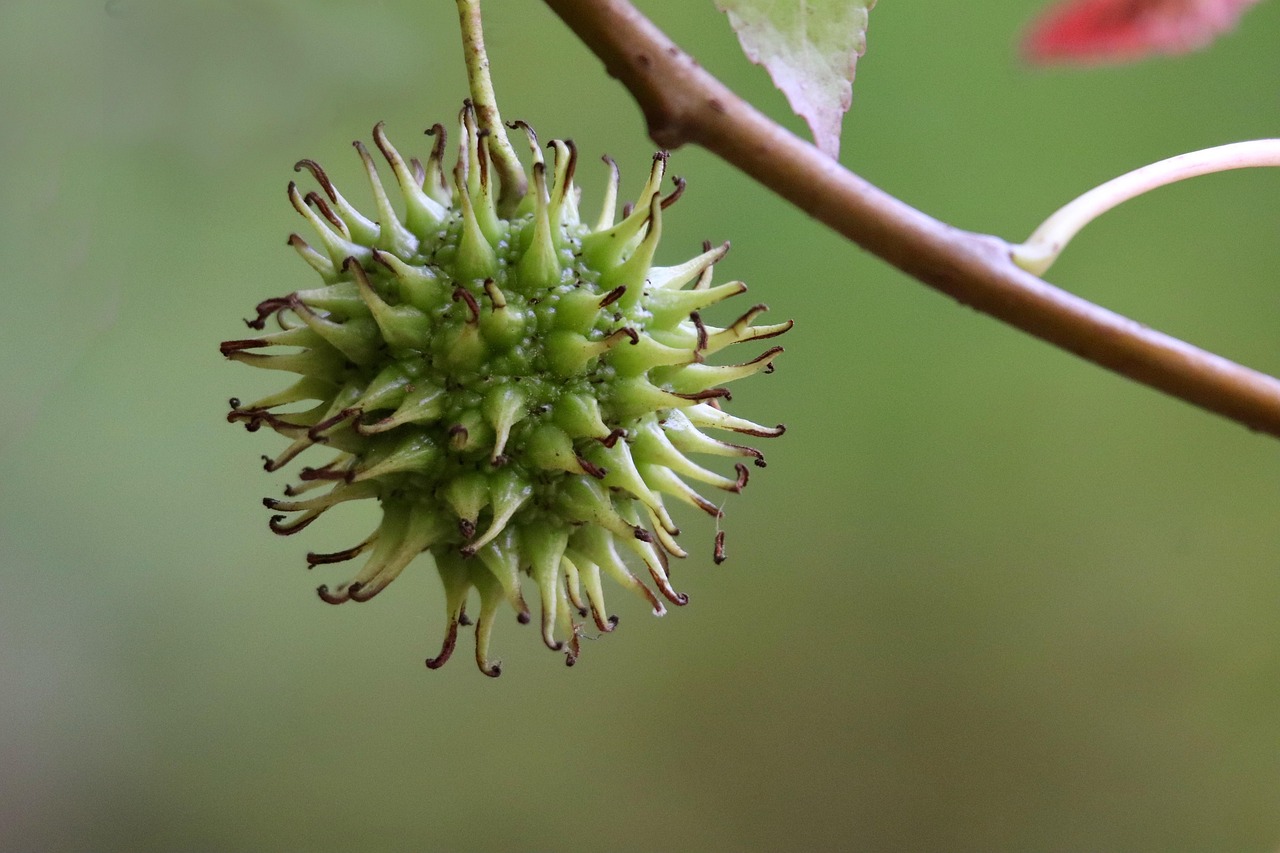
- Slow but worth the wait: oak, beech, sweetgum, and magnolia. Oak leaf mold is rich and crumbly but can take two years unless shredded.
- Leave out: leaves with heavy disease such as apple scab or rose black spot, leaves from areas treated with weed killer, and any trash, plastic, or pet waste.
- Black walnut leaves contain juglone, which can harm tomatoes and some other plants. Keep them out of a bin you plan to use around sensitive plants, or let that batch age well over a year.
Keep it damp
Moisture is the one thing leaf mold needs. Water each layer as you fill the bin, and check the middle of the pile during dry spells. Leaves should feel like a damp sponge, never dry and crisp, never dripping. A loose cover of burlap or a tarp keeps leaves from blowing away and holds moisture in. You do not need to turn the pile, though forking it over once in spring speeds things up. In cold areas the process simply pauses when the pile freezes and starts again as it thaws.
Shop raking, shredding, and safety gear on Amazon
A steel tine rake, a leaf vacuum mulcher to shred leaves before they go in the bin, work gloves, and N95 masks for dusty jobs. We may earn a commission at no extra cost to you.
Amazon · Steel tine leaf rake Amazon · Leaf vacuum mulcher Amazon · Leather work gloves Amazon · N95 dust masks
When it is ready and how to use it
Finished leaf mold is dark brown, crumbly, and smells like a forest floor, with few recognizable leaves left. Partly finished leaf mold is still useful.
- Mulch: spread 2 to 3 inches over beds and around shrubs.
- Soil conditioner: mix it into the top few inches of beds and raised bed soil to help sandy soil hold water and clay soil drain.
- Potting mix: sift it and blend it in as up to about a quarter of a container mix.
- Seed starting: finely sifted, well-aged leaf mold can be mixed with a sterile seed starting mix.
Safety notes
Wear gloves when you handle leaves and leaf mold, and wash your hands after. Dry, moldy leaves can release dust and mold spores when you shred, fork, or sift them. Wear an N95 mask for those jobs, especially if you have asthma, allergies, or a weakened immune system, and work outdoors with the wind at your back.
Pet notes
A leaves-only bin is a lower risk than a compost pile with food scraps, but moldy material is still not something dogs should eat. Moldy food and compost can contain toxins that cause vomiting, tremors, and seizures in dogs. Keep kitchen scraps out of the leaf bin, keep the bin fenced or covered, and pick up any spilled material. If your pet eats moldy material or plant debris and seems unwell, call your veterinarian or the ASPCA Animal Poison Control Center at (888) 426-4435. See what to do if a dog eats a plant.
Bottom line
A wire ring, a pile of shredded leaves, and steady moisture turn free fall leaves into some of the best soil conditioner you can use. Fill the bin, keep it damp, and come back in six months to a year.
Related reading
- Compost fallen leaves in fall
- Leaf mulch with a mower
- Dual chamber compost tumblers
- Raised bed soil mix for a fall refresh
Ready to match plants to your location? Try the PlantWise Plant Finder →