My Dog Ate a Plant. What Should I Do?
Discovering your dog has munched on a plant can be alarming, but the most important thing is to stay calm and act quickly. If your dog ate a plant, the first steps are to identify the plant, assess your dog's symptoms, and contact your veterinarian or the ASPCA Animal Poison Control Center immediately. Do not induce vomiting unless instructed by a professional. Gathering as much information as possible will help them guide you on the best course of action.
Gardens are wonderful havens for us and our furry friends, but sometimes our curious canines can get into things they shouldn't. While many common garden plants are harmless, others can range from mildly irritating to seriously toxic. Knowing what to do in the moment can make all the difference for your dog's health and your peace of mind.
🌱 Get Personalized Plant Picks
Answer a few quick questions and we’ll match plants to your exact yard conditions.
Find My Plants →Why Do Dogs Eat Plants?
Dogs are naturally curious creatures, and their mouths are one of their primary ways of exploring the world. There are several reasons why your dog might decide to snack on a plant:
- Curiosity: Young puppies, especially, will chew on anything and everything.
- Boredom: A bored dog might turn to your garden for entertainment.
- Nutritional Deficiency: Some theories suggest dogs might eat grass or plants to supplement their diet, though this is less common with house-fed dogs.
- Upset Stomach: Just like cats, dogs sometimes eat grass to induce vomiting if they have an upset stomach.
- Taste/Texture: Some dogs simply enjoy the taste or texture of certain plants.
Understanding the "why" can help you prevent future incidents, but the immediate concern is always the "what now?"
What Information Should I Gather If My Dog Ate a Plant?
When you contact your vet or the ASPCA, they will ask for specific details to help them provide the best advice. Having this information ready will save crucial time:
- Identify the Plant: This is the most critical piece of information. If you know the plant's name, great! If not, take a clear photo of the plant (leaves, flowers, stems, berries) and the area where it was growing. If there are any remaining plant parts in your dog's mouth or vomit, collect them in a bag.
- Amount Ingested: Estimate how much of the plant your dog ate. Was it just a nibble, a few leaves, or a significant portion?
- Time of Ingestion: Approximately when did your dog eat the plant? This helps determine how much time has passed and if the toxins have had time to be absorbed.
- Dog's Symptoms: Observe your dog carefully. Is your dog showing any signs of illness? Look for:
- Vomiting or diarrhea
- Lethargy or weakness
- Excessive drooling
- Difficulty breathing
- Tremors or seizures
- Changes in gum color
- Swelling around the mouth or face
- Pain or discomfort
- Dog's Details: Have your dog's breed, age, weight, and any pre-existing medical conditions or medications ready.
Quick Reference: What to Do If Your Dog Ate a Plant
| Situation | Action |
|---|---|
| No Symptoms, Plant Not Listed as Toxic | Monitor your dog. No immediate action needed beyond preventing further ingestion. |
| Mild Symptoms (e.g., mild stomach upset) or Unknown Plant | Call your veterinarian or the ASPCA Poison Control. They can help identify the plant and advise if home care is appropriate or if a visit is needed. |
| Severe Symptoms (e.g., seizures, difficulty breathing, collapse) | EMERGENCY! Go to the nearest emergency vet immediately. Call ahead if possible to let them know you're coming and what happened. |
| Known Highly Toxic Plant Ingestion | EMERGENCY! Call your veterinarian or the ASPCA Poison Control immediately for urgent guidance. They may advise you to go straight to the vet. |
If you suspect your pet has ingested a toxic plant, call the ASPCA Animal Poison Control Center immediately at (888) 426-4435.
Is My Dog's Breed More Susceptible to Plant Poisoning?
While all dogs are susceptible to plant poisoning, some factors can increase risk or severity:
- Size: Smaller dogs often show more severe symptoms from a smaller amount of toxic plant material than larger dogs.
- Age: Puppies are more prone to ingestion due to their exploratory nature, and older dogs or those with compromised health might react more severely.
- Breed Predispositions: Some breeds are known to have sensitivities or genetic predispositions to certain toxins, although this is less common with general plant toxicities. For example, some herding breeds have a genetic mutation (MDR1 gene) that makes them sensitive to certain medications, but this doesn't directly relate to plant toxicity in the same way.
Ultimately, any dog can be affected, so always err on the side of caution regardless of breed.
How Can I Prevent My Dog From Eating Plants?
Prevention is always the best medicine. Here are some strategies to keep your curious canine safe:
- Know Your Plants: Research all plants in your garden and home. Remove any highly toxic plants or relocate them to areas inaccessible to your dog.
- Create Dog-Friendly Zones: Designate specific areas of your yard where your dog can roam freely, ensuring these zones are free of toxic plants.
- Supervision: Always supervise your dog when they are in the garden, especially if they are known plant-munchers.
- Training: Teach your dog commands like "leave it" or "drop it" to deter them from eating plants.
- Fencing: Use physical barriers like fences or raised beds to keep dogs away from sensitive or toxic plants.
- Provide Alternatives: Ensure your dog has plenty of appropriate chew toys and mental stimulation to prevent boredom-induced plant eating.
- Offer Safe Chews: If your dog loves to chew on greenery, consider growing a small patch of dog-safe grass (like oat grass or wheatgrass) specifically for them.
Common Garden Plants and Pet Safety
It's helpful to be aware of some common garden plants and their potential effects on pets. Remember, "not listed as toxic" doesn't mean "eat as much as you want," as even non-toxic plants can cause mild stomach upset if consumed in large quantities.
Plants Not Listed as Toxic to Dogs:
Plants That Are Toxic to Dogs (Partial List):
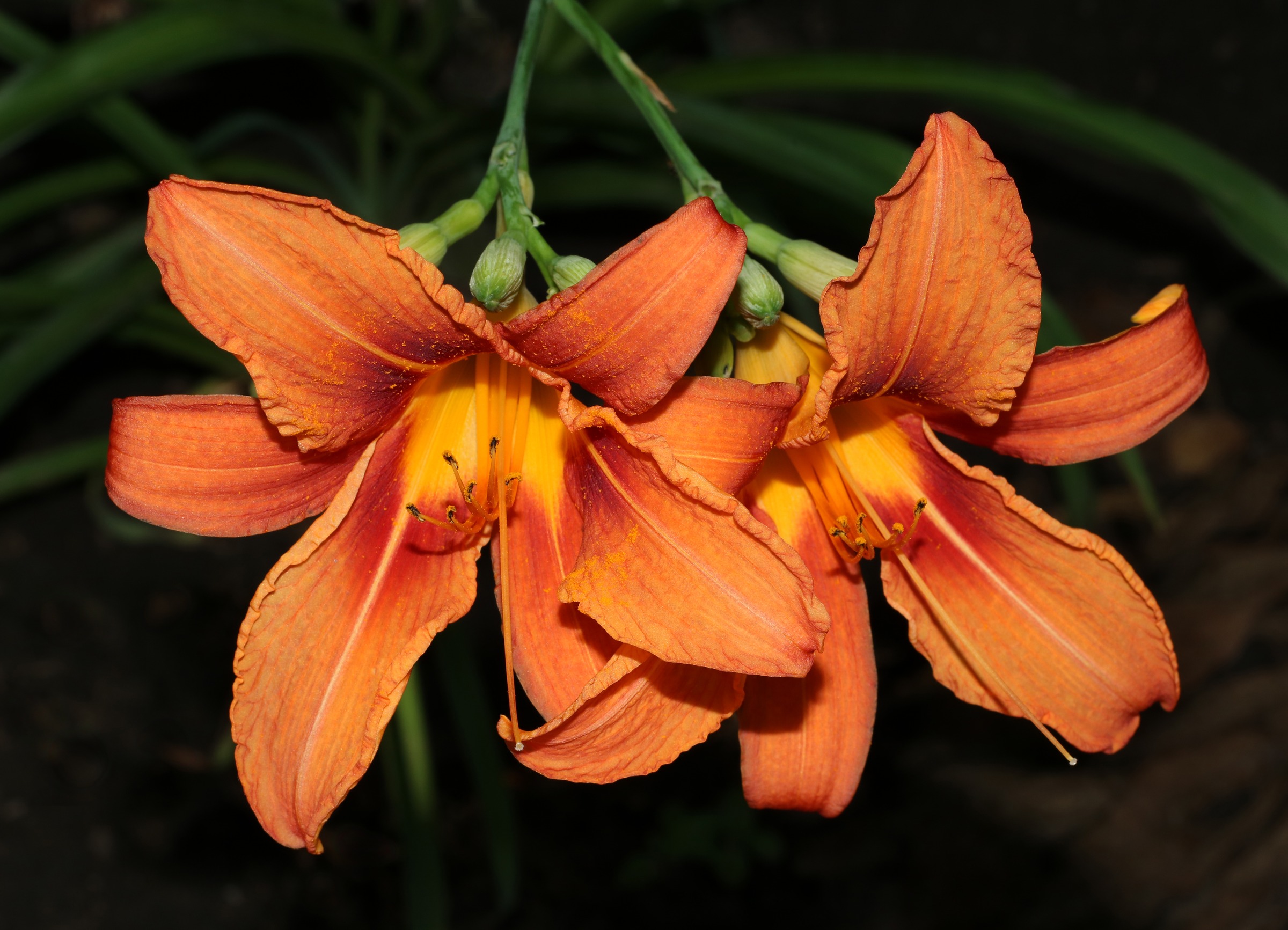
- Daylily (all parts): Can cause vomiting, diarrhea, anorexia, lethargy, and dehydration. Daylily
- Sago Palm (all parts, especially seeds): Highly toxic, causing vomiting, diarrhea, liver failure, seizures, and death.
- Oleander (all parts): Contains cardiac glycosides, leading to severe heart problems, vomiting, diarrhea, and death.
- Azaleas/Rhododendrons (all parts): Can cause vomiting, diarrhea, weakness, tremors, seizures, and cardiovascular collapse.
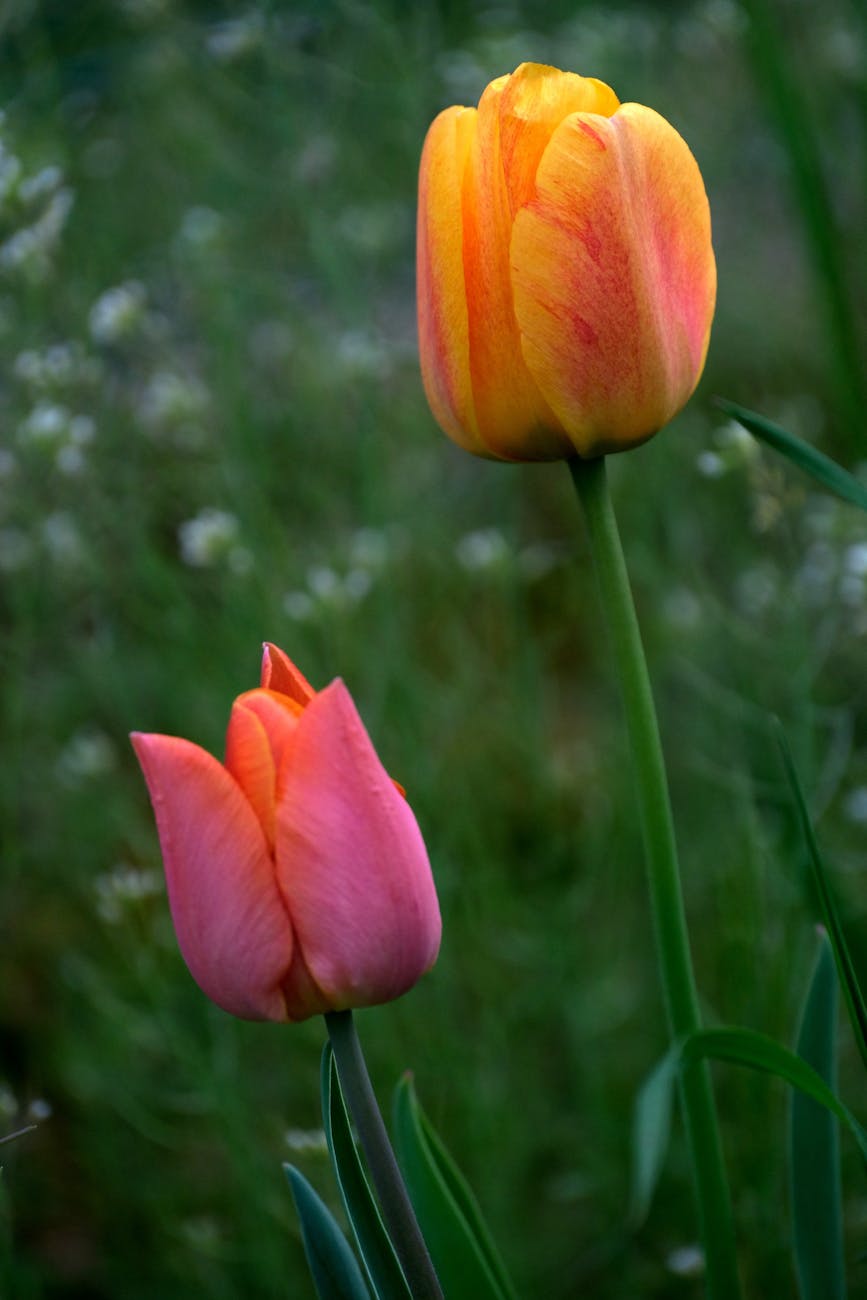
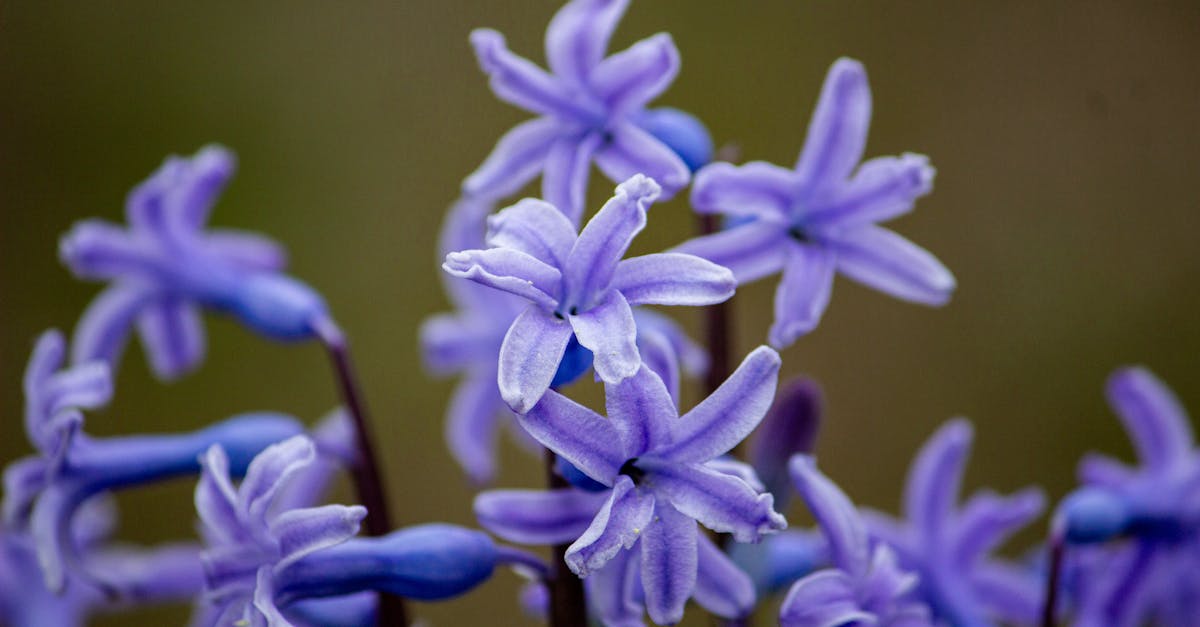
- Tulips/Hyacinths (bulbs are most toxic): Vomiting, diarrhea, drooling, depression.
- Autumn Crocus (all parts): Highly toxic, causing severe gastrointestinal upset, kidney and liver damage, bone marrow suppression.
- Castor Bean (seeds are most toxic): Contains ricin, causing abdominal pain, vomiting, diarrhea (often bloody), weakness, tremors, seizures, and death.
- Lilies (true lilies, Lilium species): Extremely toxic to cats, but can cause mild to moderate gastrointestinal upset in dogs.
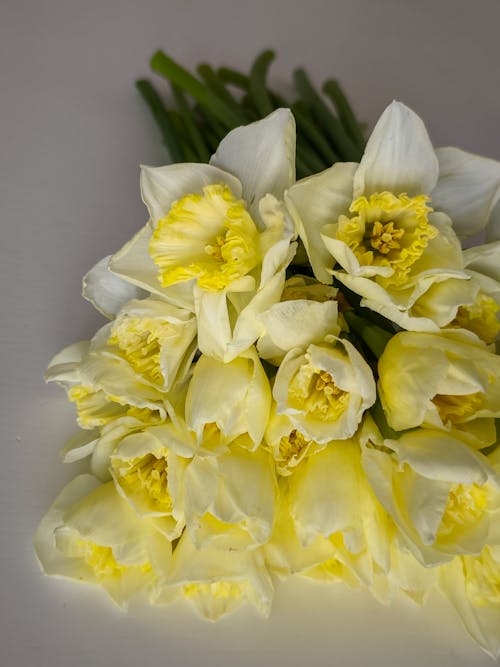
- Daffodils (bulbs are most toxic): Vomiting, diarrhea, abdominal pain, cardiac arrhythmias, respiratory depression.
This is not an exhaustive list. Always consult a reliable source like the ASPCA's toxic plant list or your veterinarian for definitive information.
What if I don't know what plant it was?
If you can't identify the plant, it's still crucial to contact your veterinarian or the ASPCA Animal Poison Control Center. Describe the plant as best you can (e.g., "small green leaves, red berries, growing in a bush") and provide details about your dog's symptoms. They may be able to narrow down possibilities based on your location and description, or advise you to bring your dog in for observation and supportive care. When in doubt, always seek professional advice.
Keeping your garden beautiful and your dog safe requires a little planning and vigilance. By knowing what to do in an emergency and taking preventative measures, you can ensure both your plants and your pets thrive.
Ready to find the perfect plants for your yard? Try the PlantWise Plant Finder →