Meta description: Pet-friendly options for shady spots - practical picks and care tips for ground covers that are not listed as toxic to dogs and cats, plus quick planting advice.
Intro If you need pet-safe ground cover for shaded or partly shaded areas, the short answer is: choose low-growing perennials and herbs that are not listed as toxic to dogs and cats and that tolerate filtered light - then place them where pets can’t dig or chew heavy. Below are reliable choices from common garden plants, a quick-reference guide, and step‑by‑step care tips so your shady beds stay attractive and pet-conscious.
What makes a good pet-safe ground cover for shade?
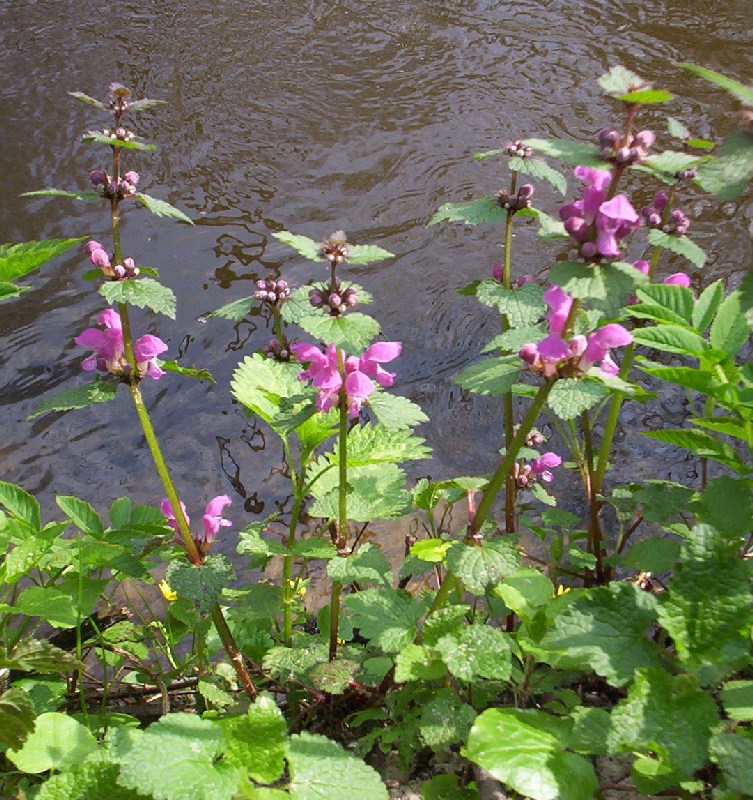
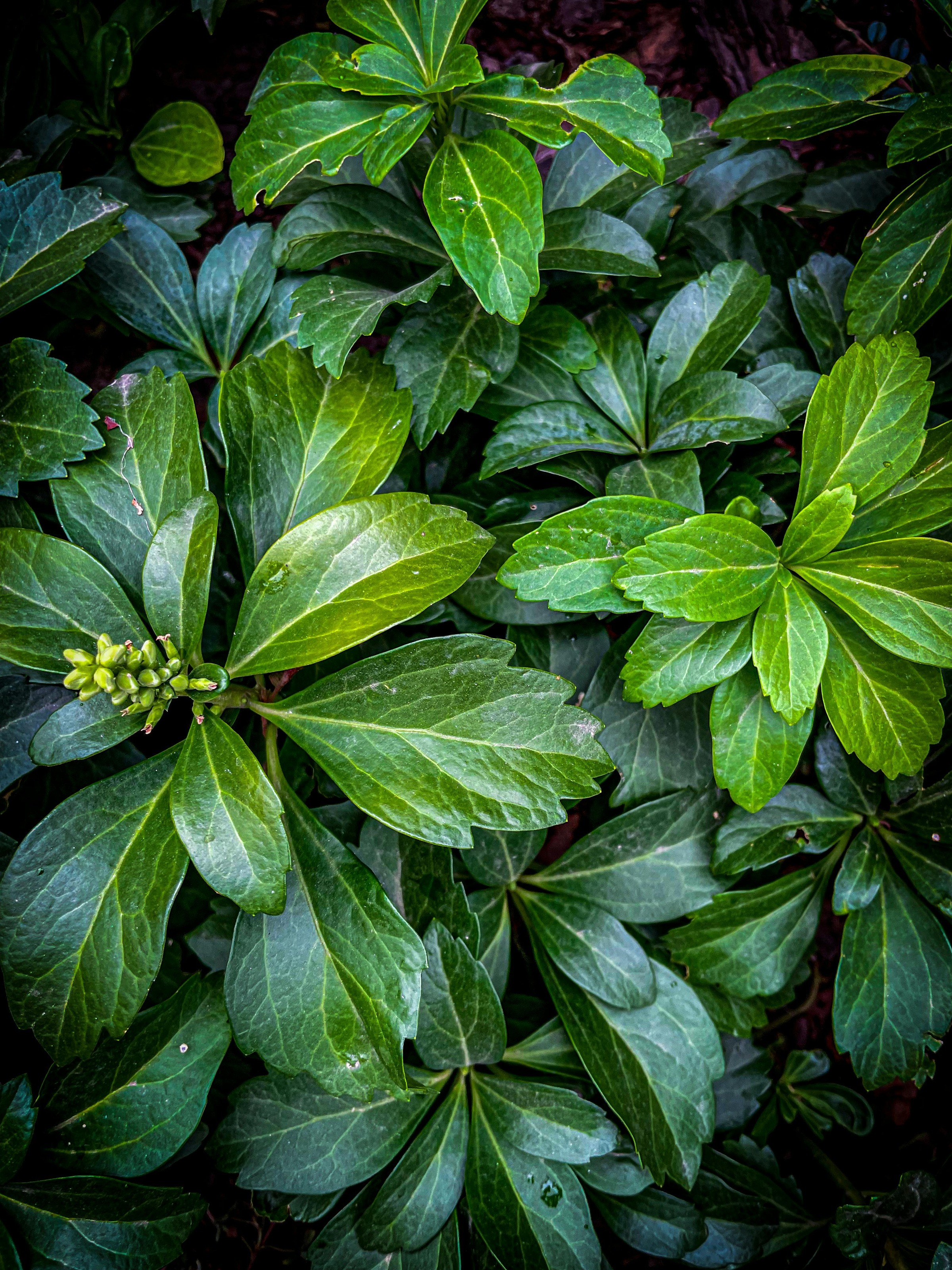
Look for plants that meet three criteria: (1) tolerant of shade or part‑shade (filtered light), (2) low-growing or mounding so they form a carpet or clump, and (3) not listed as toxic to dogs and cats. Even when a plant is not listed as toxic by the ASPCA, any large ingestion can cause stomach upset, so placement and supervision matter. For deep, dense shade you’ll often need traditional shade groundcovers (e.g., lamium, vinca, or pachysandra) - but for light or dappled shade the perennials below make great, pet-conscious options. (aspca.org)
🌱 Get Personalized Plant Picks
Answer a few quick questions and we’ll match plants to your exact yard conditions.
Find My Plants →Quick reference: Best pet‑safe ground covers for shade
Below are four garden picks from the PlantWise list that work well in light or dappled shade and are not listed as toxic to dogs and cats by major plant-toxicity databases. Short notes include their light preference, habit, and an action tip.
-
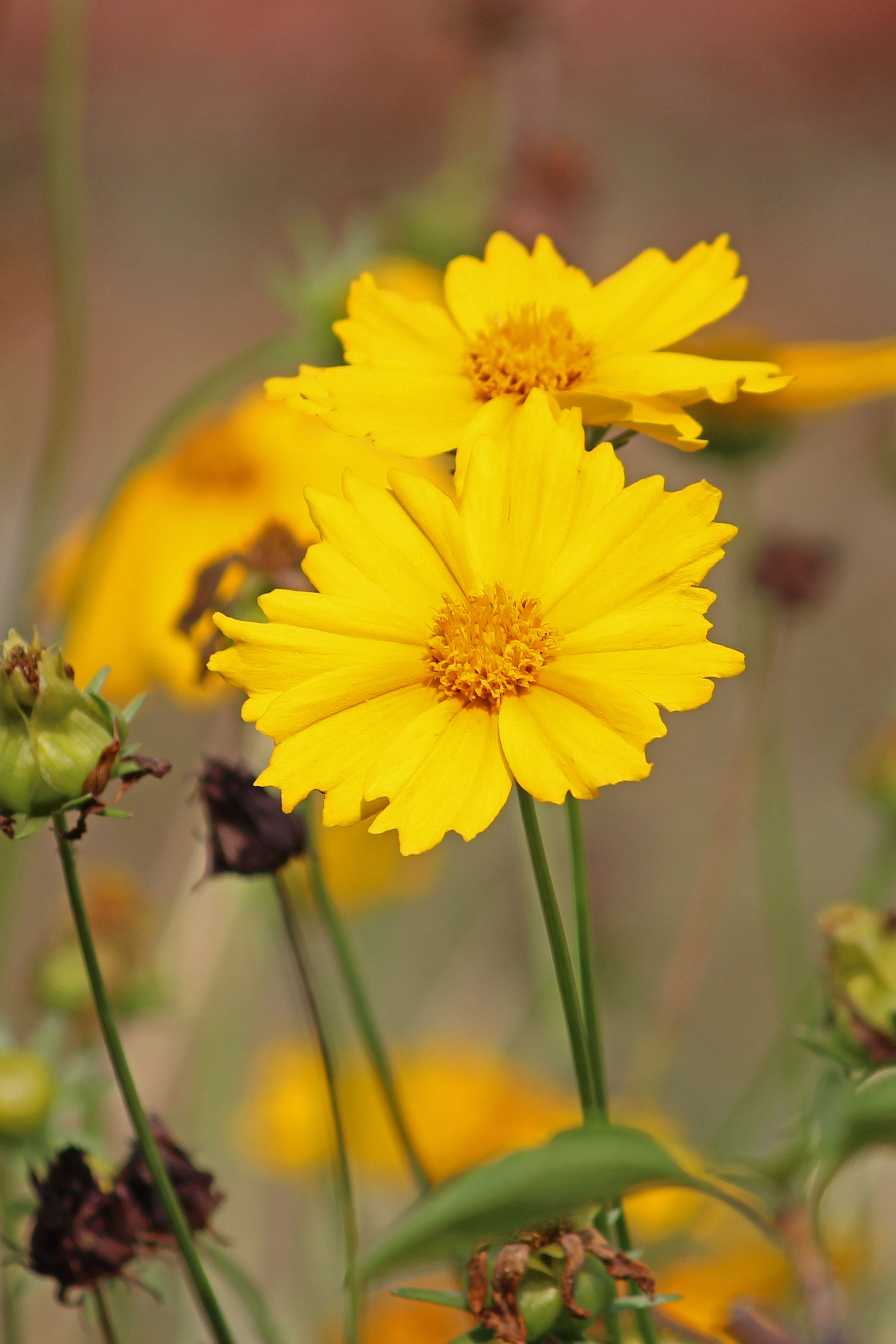
Not listed as toxic to dogs and cats by the ASPCA; low mounds that tolerate light/filtered shade (best in part‑sun). Good for edging shady borders; divide every 2-3 years. (aspca.org)
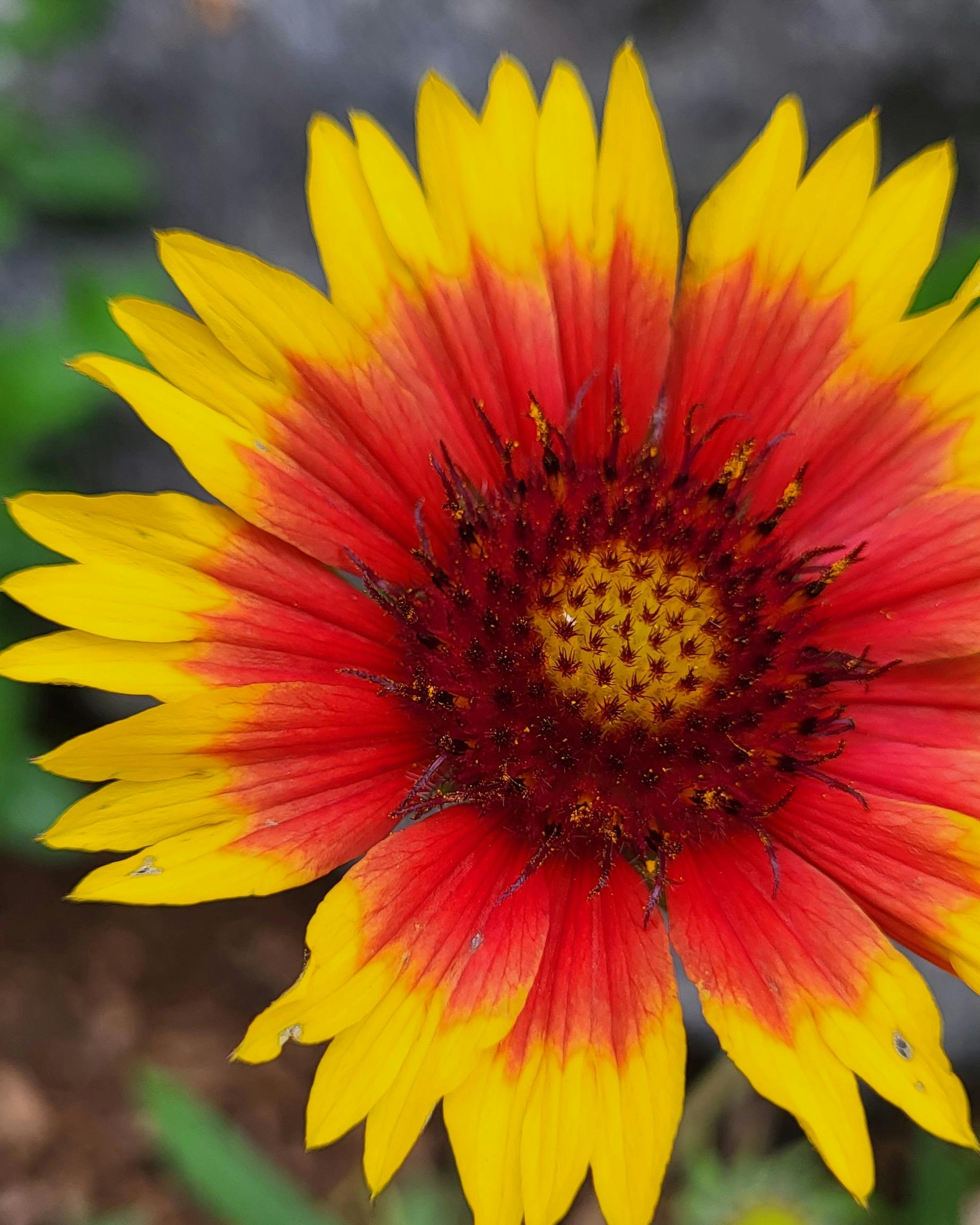
Not listed as toxic to dogs and cats by veterinary sources; performs well in part shade and spreads by clump division (can be used where light is filtered). Great for moist shade beds; trim after bloom to tidy. (plantfun.app)
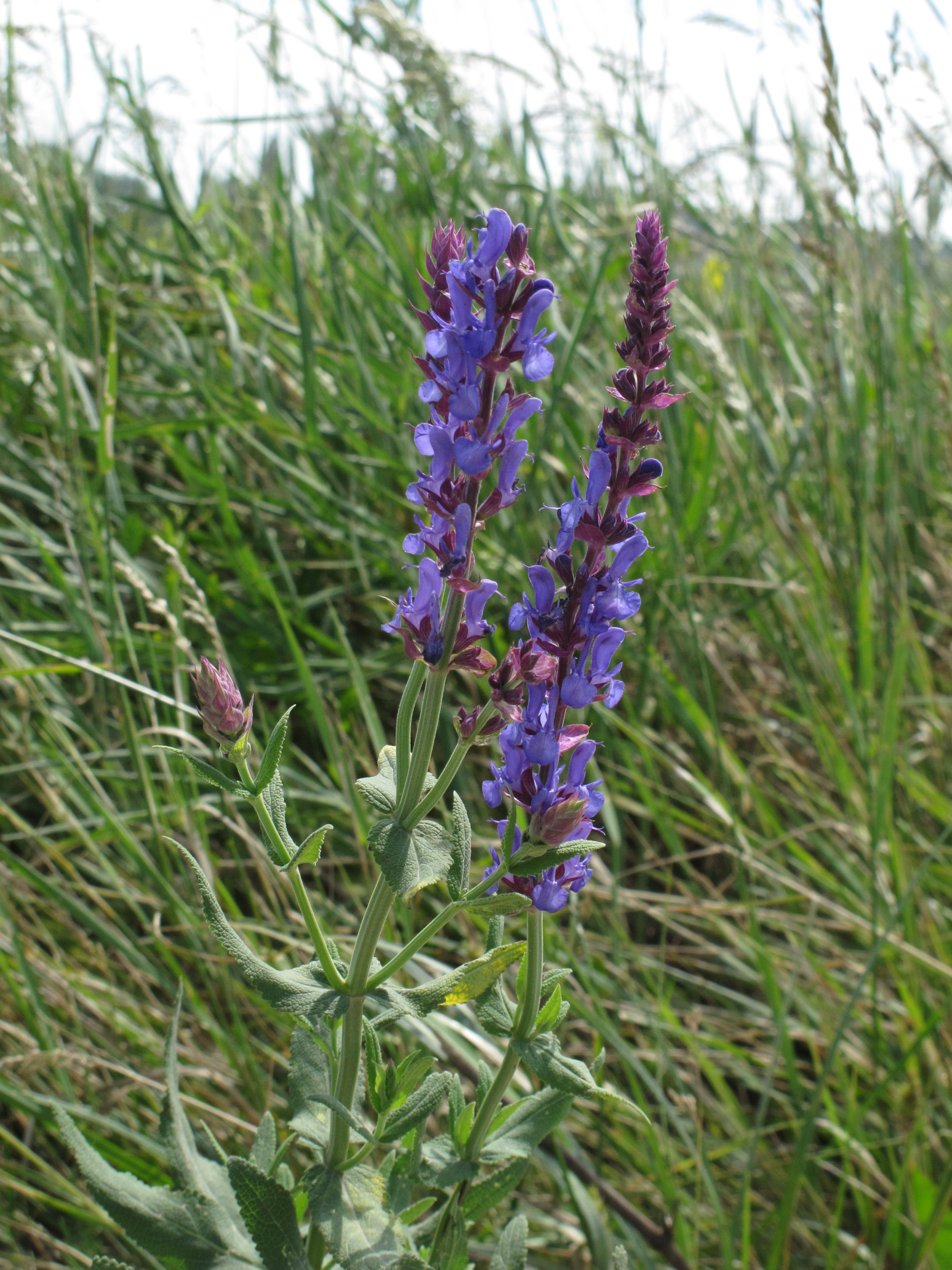
Many salvias (garden sages) are not listed as toxic to dogs and cats and several varieties tolerate part shade; choose low‑growing species for groundcover use. Plant in well‑draining soil and remove spent flower spikes. (aspca.org)
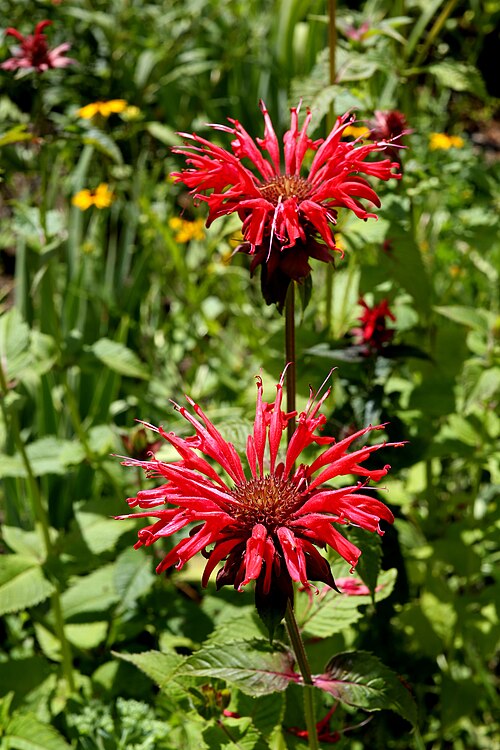
Not listed as toxic to dogs and cats by major vet resources; best in part‑sun to light shade in cooler climates, forms clumps that can help reduce bare soil. Use in mixed beds to discourage digging. (biolens-ai.com)
Quick‑reference planting notes
- Soil: loosen top 6-8 inches and add compost for better root establishment.
- Spacing: plant moderately close (12-18" for many perennials) so the clumps knit together quickly.
- Water: keep evenly moist until established, then reduce - most of these dislike constantly soggy soil.
- Maintenance: annual cutback and occasional division keeps coverage dense and reduces temptation for pets to dig.
How do I plant and care for these ground covers?
Planting
- Test drainage-shade beds can stay wet; amend with grit or compost to improve structure.
- Remove mulch/leaf litter where pets play to reduce hiding places for pests, then install plants in groups so roots touch in a season or two.
- Mulch with a thin (1-2") layer of pet‑friendly mulch (avoid cocoa mulch; it can be toxic). Keep mulch away from stems.
Ongoing care
- Prune or mow lightly to encourage lateral growth and reduce tall flowering stalks if pets jump through beds.
- Replace any spot where a plant repeatedly gets chewed - moving a plant is safer than forcing a plant into constant nibbling.
- Use only pet-safe pest controls (mechanical removal, insecticidal soaps labeled pet‑friendly) and store all garden chemicals out of reach.
Practical tip: If you need a denser carpet in deep shade, combine a low, pet‑friendly evergreen groundcover with these perennials in edges and paths to reduce bare soil and discourage digging.
What should I watch for?
Check two safety angles: plant toxicity and irritants/other hazards. Some commonly grown ornamentals from the same lists can be harmful - for example, daylilies (Hemerocallis spp.) can cause life‑threatening kidney injury in cats and should be avoided where cats can access them. If you’re checking any plant, verify whether it’s listed as toxic by the ASPCA before planting. (aspca.org)
If your pet chews and eats plant material, watch for vomiting, diarrhea, drooling, weakness, or changes in behavior. For pets showing any of these signs (or if you suspect they ate a known toxic plant), call your veterinarian right away. If you suspect your pet has ingested a toxic plant, call the ASPCA Animal Poison Control Center immediately at (888) 426-4435. (Have the plant name or a photo ready if you can.) (aspca.org)
A few extra cautions
- Some daisylike plants can cause mild skin irritation after contact; that’s a contact‑irritant issue rather than systemic poisoning. If pets develop persistent rash or swelling, seek veterinary advice. (biolens-ai.com)
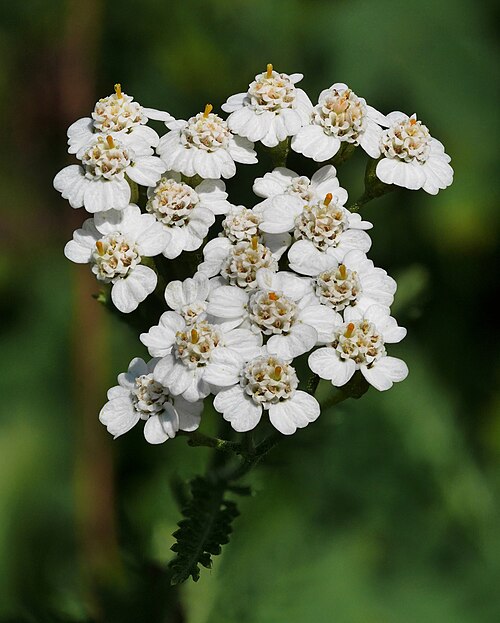
- Avoid plants specifically listed as toxic to pets for your yard or place them behind fencing where pets cannot reach (e.g., yarrow and certain lilies). (aspca.org)
Ready to choose the right ground cover?
Match plant habit to the exact light level you have (deep shade vs. dappled light), place lower‑risk plants where pets spend most time, and use physical barriers or mulches to discourage chewing and digging. Start with plugs or small groups so you can monitor pet interest, and swap out any plant that becomes an ongoing snack. If you’re unsure about a species, check the ASPCA plant database or ask your local extension service before planting. (aspca.org)
If you suspect your pet has ingested a toxic plant, call the ASPCA Animal Poison Control Center immediately at (888) 426-4435.
Ready to find the perfect plants for your yard? Try the PlantWise Plant Finder →