Astilbe vs. Heuchera: Best Shade Plants for Dogs?
Short answer: Both astilbe and heuchera make excellent shade-underplantings and are fine choices for yards with dogs - they prefer different soil moisture and texture, so pick astilbe for consistently moist, rich shade and heuchera (coral bells) for drier, well-drained shade. Both are generally not listed as toxic to dogs, but always discourage chewing and keep an eye out for individual reactions. (gardenuk.co.uk)
Which is better for shade: Astilbe or Heuchera?
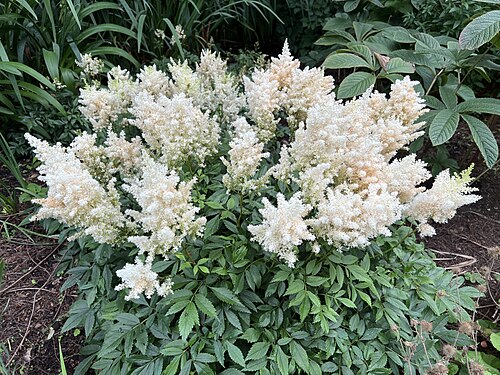
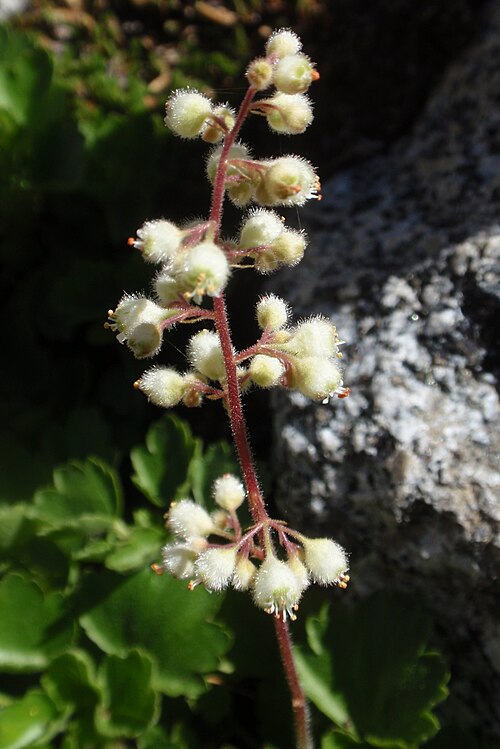
If you need a quick rule: choose by soil moisture and the look you want. Astilbe (feathery plumes) prefers part to full shade and reliably moist, humusy soil; it brightens deep shade with upright flower spikes. Heuchera (coral bells) offers long-lasting, colorful foliage in many shades (bronze, lime, silver) and tolerates drier, well-drained shade and light afternoon sun. Both are low-maintenance perennials that return each year - use astilbe where soil stays damp (near a rain garden or shaded bed) and heuchera where drainage is better. (Practical tips for each plant are below.)
🌱 Get Personalized Plant Picks
Answer a few quick questions and we’ll match plants to your exact yard conditions.
Find My Plants →Are Astilbe and Heuchera toxic to dogs?
Good news: neither is widely implicated in severe pet poisonings. Heuchera (coral bells) is listed on ASPCA plant lists as not listed as toxic to dogs. Astilbe is generally not listed as toxic by major plant-pet references and is commonly shown as not listed as toxic in gardening/pet-safety sources; however some individual cultivar entries vary and reporting can be inconsistent, so treat any chewing as a potential cause of mild stomach upset. (dev-cloudflare.aspca.org)
A few important companion toxicity notes to bear in mind:
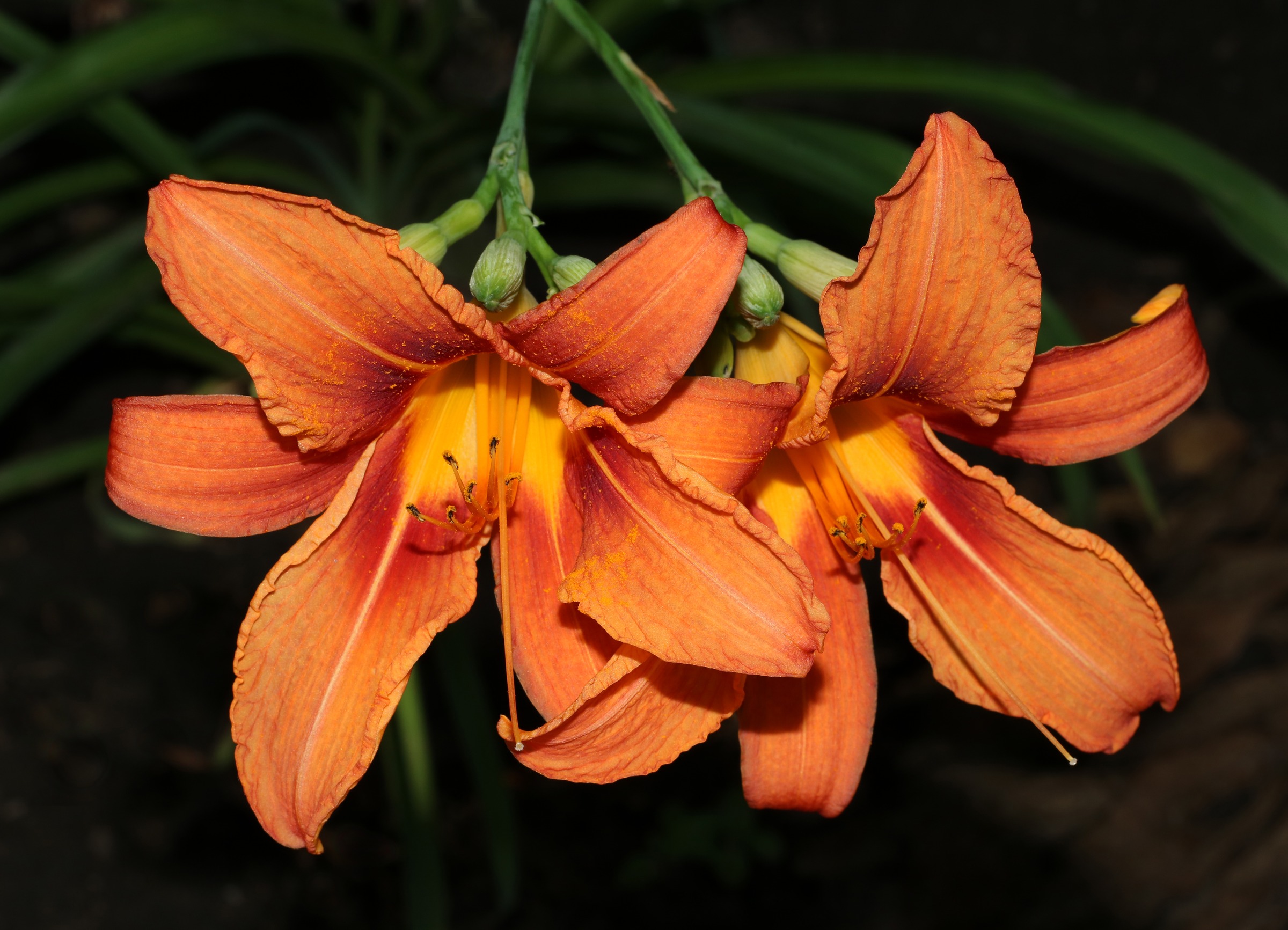
- Daylilies (Hemerocallis spp.) are not listed as toxic to dogs on ASPCA pages, but they are toxic to cats - avoid if you also have cats indoors. (aspca.org)
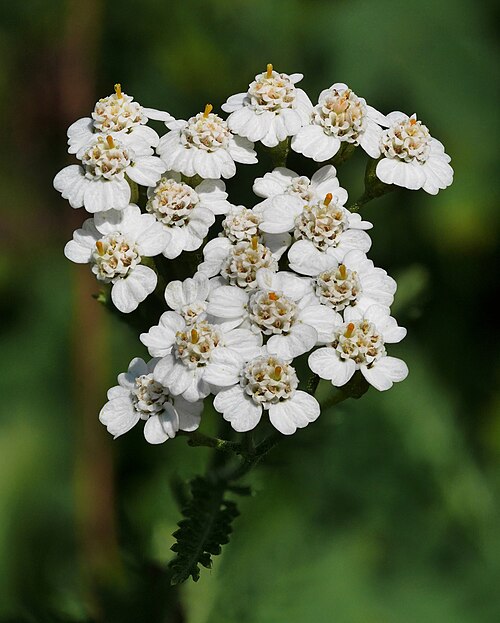
- Yarrow (Achillea millefolium) is listed as toxic to dogs (and cats) and should be avoided in a dog-frequented bed. (aspca.org)
If you suspect your pet has ingested a toxic plant, call the ASPCA Animal Poison Control Center immediately at (888) 426-4435. If you prefer to read ASPCA lists directly for specific cultivars, check their Toxic & Non‑Toxic Plants database. (aspca.org)
How do I care for Astilbe and Heuchera?
Actionable care steps you can use right away:
Astilbe
- Light: part to full shade (morning sun OK).
- Soil: consistently moist, rich in organic matter. Mulch 2-3" to hold moisture and cool roots.
- Water: regular watering - don’t let crowns dry out in summer heat. Divide clumps every 3-4 years.
- Planting tip: raise crowns slightly if soil stays very wet; astilbe still needs good root contact with soil.
Heuchera
- Light: light to moderate shade; many cultivars tolerate dappled sun or morning sun with afternoon shade.
- Soil: well-drained, average to rich soil; heavy clay benefits from added compost and grit.
- Water: water regularly after planting; once established many varieties handle drier shade better than astilbe.
- Maintenance: trim out old flower spikes and cut back tattered leaves in spring; divide every 4-6 years if clumps get crowded.
Both
- Fertilize lightly in spring with a balanced slow‑release fertilizer or a side dressing of compost.
- Keep dogs from digging or urinating directly on crowns (repeated urine exposure can harm plants). Use mulches, stepping stones, or low fencing if you have a chronic digger.
Quick Reference: Plants for shaded, dog-friendly beds
(Use this as a one-glance guide when planning a shade border. “Dog toxicity” uses ASPCA wording: “not listed as toxic” or “listed as toxic.”)
- Astilbe - Shade/moist soil; dog toxicity: generally not listed as toxic (sources vary). (gardenuk.co.uk)
- Heuchera (coral bells) - Shade to part shade, drier soils ok; dog toxicity: not listed as toxic (ASPCA). (dev-cloudflare.aspca.org)
- Daylily - Part shade ok; dog toxicity: not listed as toxic to dogs but toxic to cats (ASPCA).
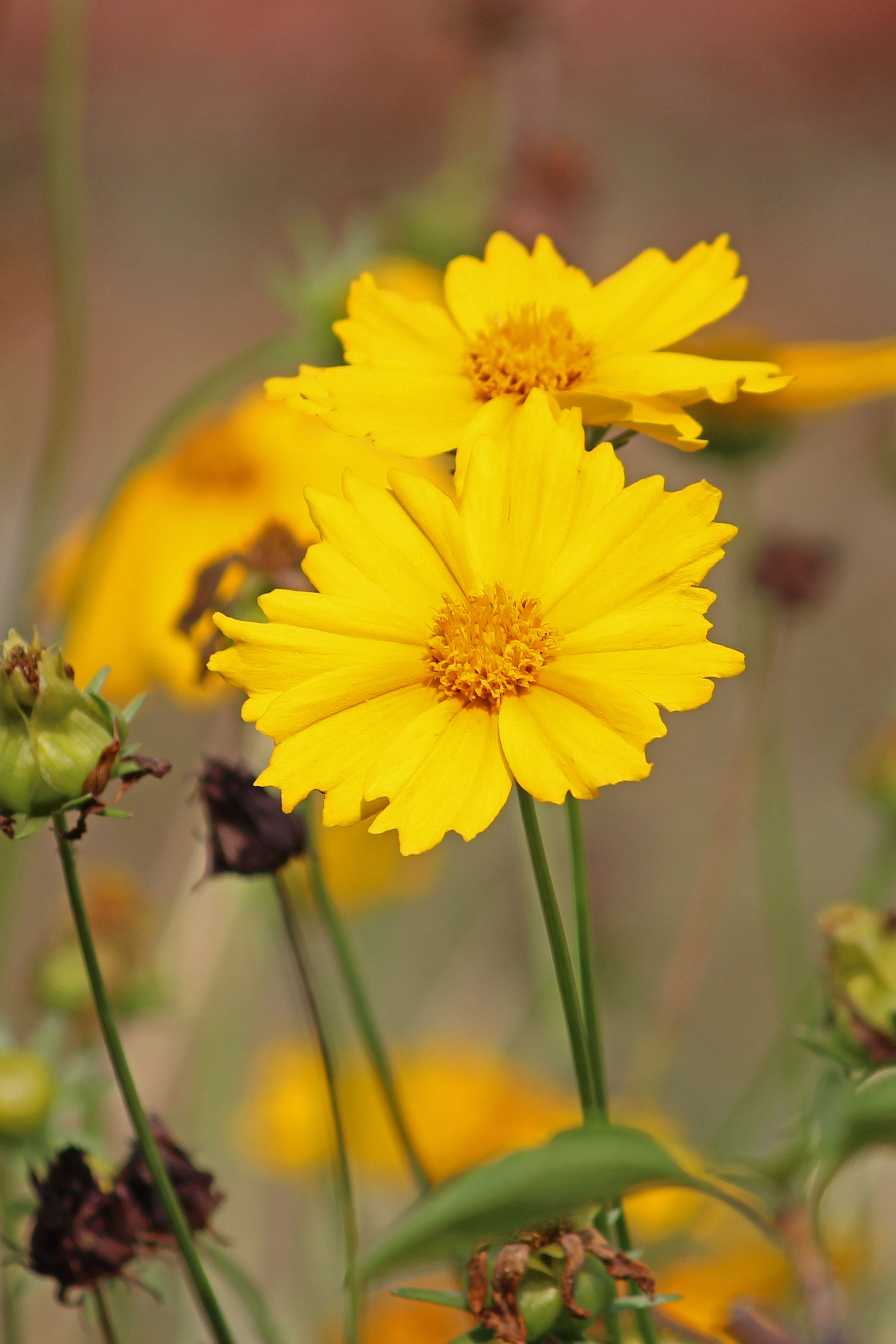
- Coreopsis - Tolerates part shade; dog toxicity: not listed as toxic to dogs (ASPCA).
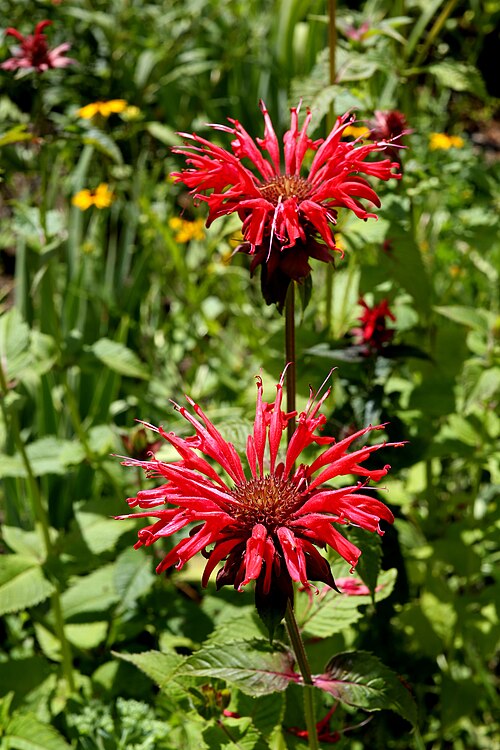
- Bee Balm (Monarda) - Likes part sun/part shade; ASPCA listing for Monarda is not clearly stated on their searchable pages (status unconfirmed), so monitor and discourage chewing.
(thepollinatorpatchgarden.com)
- Yarrow - Sun to part sun, drought tolerant; dog toxicity: listed as toxic to dogs - avoid for dog‑accessible beds.
(Embed cards above include plant pages to help you compare bloom time, height, and hardiness. Use raised beds or edging to keep more curious dogs from digging into planted crowns.)
What if my dog eats a leaf or flower - what should I do?
If your dog chews a small amount of a plant that’s not listed as toxic, watch for mild gastrointestinal signs (drooling, vomiting, diarrhea, loss of appetite). Remove any remaining plant material from the mouth, rinse the mouth with water, and observe for 24 hours. If you see persistent vomiting, lethargy, tremors, trouble breathing, or any sudden changes, call your veterinarian or the ASPCA Animal Poison Control Center right away.
If the plant is listed as toxic (for example, yarrow), treat ingestion as an emergency: remove access to more plant material and call the ASPCA Animal Poison Control Center immediately at (888) 426-4435 for specific, timely instructions. Keep a sample or a clear photo of the plant handy - it helps the vet or poison control identify the species and give the right advice. (aspca.org)
Plant embeds you might find useful for planning a mixed shade bed:
Ready to find the perfect plants for your yard? Try the PlantWise Plant Finder →