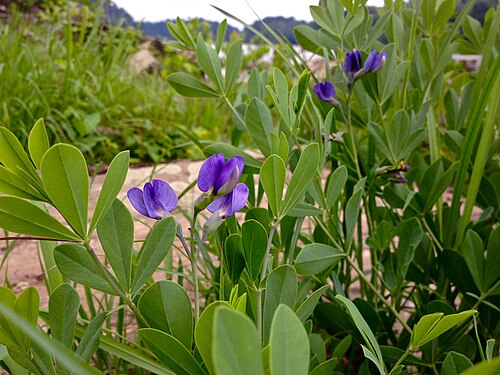
Baptisia vs. Lupine: Which Is Safer for Dogs?
Short answer: Lupine (Lupinus spp.) is the greater risk for dogs - it contains quinolizidine alkaloids that have been implicated in poisoning of animals - while Baptisia (false indigo) is less commonly reported as a pet toxin and is usually described by extension/veterinary sources as causing low or mild toxicity if eaten in quantity. Use caution with both plants; watch for drooling, vomiting, weakness, or neurologic signs and call for help right away if you suspect ingestion. (petpoisonhelpline.com)
Which is more dangerous: Baptisia or lupine?
Lupine is generally considered the more hazardous of the two. Several veterinary and toxicology references list Lupinus species as poisonous because they contain alkaloids (for example, lupinine, lupanine and related compounds) that can cause gastrointestinal, neurologic and sometimes respiratory or cardiac signs in animals. Poisoning is best documented in livestock but cases and warnings also cover companion animals. (petpoisonhelpline.com)
Baptisia (false indigo) contains alkaloids as well and appears in range-plant/toxic-plant lists for livestock, but extension sources characterize its risk to pets as relatively low except when large amounts are eaten. In other words, Baptisia is not commonly reported as a life‑threatening pet toxin the way some plants are, but it can cause stomach upset and possibly more serious effects after significant ingestion. (plants.ces.ncsu.edu)
🌱 Get Personalized Plant Picks
Answer a few quick questions and we’ll match plants to your exact yard conditions.
Find My Plants →What does lupine poisoning look like in dogs?
Signs vary with the species of lupine and the amount eaten, but common clinical signs reported in animals include drooling, vomiting, diarrhea, incoordination, muscle weakness, tremors, and respiratory difficulties. Some lupine alkaloids can also affect the nervous system and heart. Severity depends on dose, the specific lupine species, and the individual animal. Veterinary toxicology references and Pet Poison Helpline list lupine as a plant that can cause clinically significant poisoning. (petpoisonhelpline.com)
Is Baptisia toxic to dogs?
Baptisia species contain alkaloids (sometimes cited historically as cytisine-like compounds) and appear in toxic‑plant lists for livestock and in veterinary references - but published extension guidance and plant toolboxes commonly describe Baptisia as having low toxicity to pets unless large quantities are eaten. That means occasional nibbling is unlikely to cause severe poisoning in most dogs, but any ingestion that provokes vomiting, weakness, or unusual behavior should be treated seriously. When a plant isn’t prominent on the ASPCA’s rapid‑response toxic list, it may be described in extension or veterinary literature as “low‑toxicity” rather than “non‑toxic.” (plants.ces.ncsu.edu)
Quick reference: Baptisia vs. Lupine (at a glance)
Lupine (Lupinus spp.)
- Toxic principle: quinolizidine alkaloids (e.g., lupinine, lupanine).
- Typical signs: GI upset, drooling, tremors, ataxia, respiratory or cardiac effects in severe cases.
- Risk level: Documented toxic plant; greater risk than Baptisia. (petpoisonhelpline.com)
Baptisia (Baptisia spp., false indigo)
- Toxic principle: alkaloids (historically reported as cytisine-type).
- Typical signs: usually mild GI upset if small amounts; more severe effects only after large ingestion.
- Risk level: Reported as causing low toxicity in many extension resources and noted in range-plant lists; not commonly a top pet toxin but still a plant to keep pets away from. (plants.ces.ncsu.edu)
What to do: If your dog shows symptoms or you know they ate plant material, call your veterinarian or a poison hotline right away. See next section for exact contact info and steps. (aspca.org)
What should I do if my dog eats baptisia or lupine?
- Stay calm and collect information: what part of the plant was eaten (leaves, flowers, seeds/pods), how much, when, and bring a photo or a clipped sample (use gloves).
- Call your veterinarian immediately. If you’re in the U.S., you can also call the ASPCA Animal Poison Control Center; keep this statement handy: If you suspect your pet has ingested a toxic plant, call the ASPCA Animal Poison Control Center immediately at (888) 426-4435. The ASPCA and Pet Poison Helpline can give specific, time‑sensitive advice and tell you whether immediate clinic evaluation is needed. (aspca.org)
- Do not induce vomiting unless instructed by a veterinary professional. Treatment depends on the plant, amount, and the animal’s clinical signs - veterinarians may recommend decontamination, activated charcoal, fluids, or supportive care for neurologic or respiratory issues. (petpoisonhelpline.com)
If you can, note any changes in behavior, appetite, bowel movements, breathing, and take photos of the plant - that helps the clinic identify the species and choose appropriate treatment.
Which plants are good to choose if I want lower‑risk ornamentals in a dog yard?
No plant is absolutely risk‑free for every animal (pets can develop individual sensitivities), so the best approach is “reduce risk” rather than “guarantee safety.” Many gardeners pick tough, low‑maintenance perennials that are less likely to be eaten for curiosity or taste. Consider plants that are aromatic, fibrous, or unpalatable to dogs, plant them out of reach, or use fencing/raised beds to limit access.
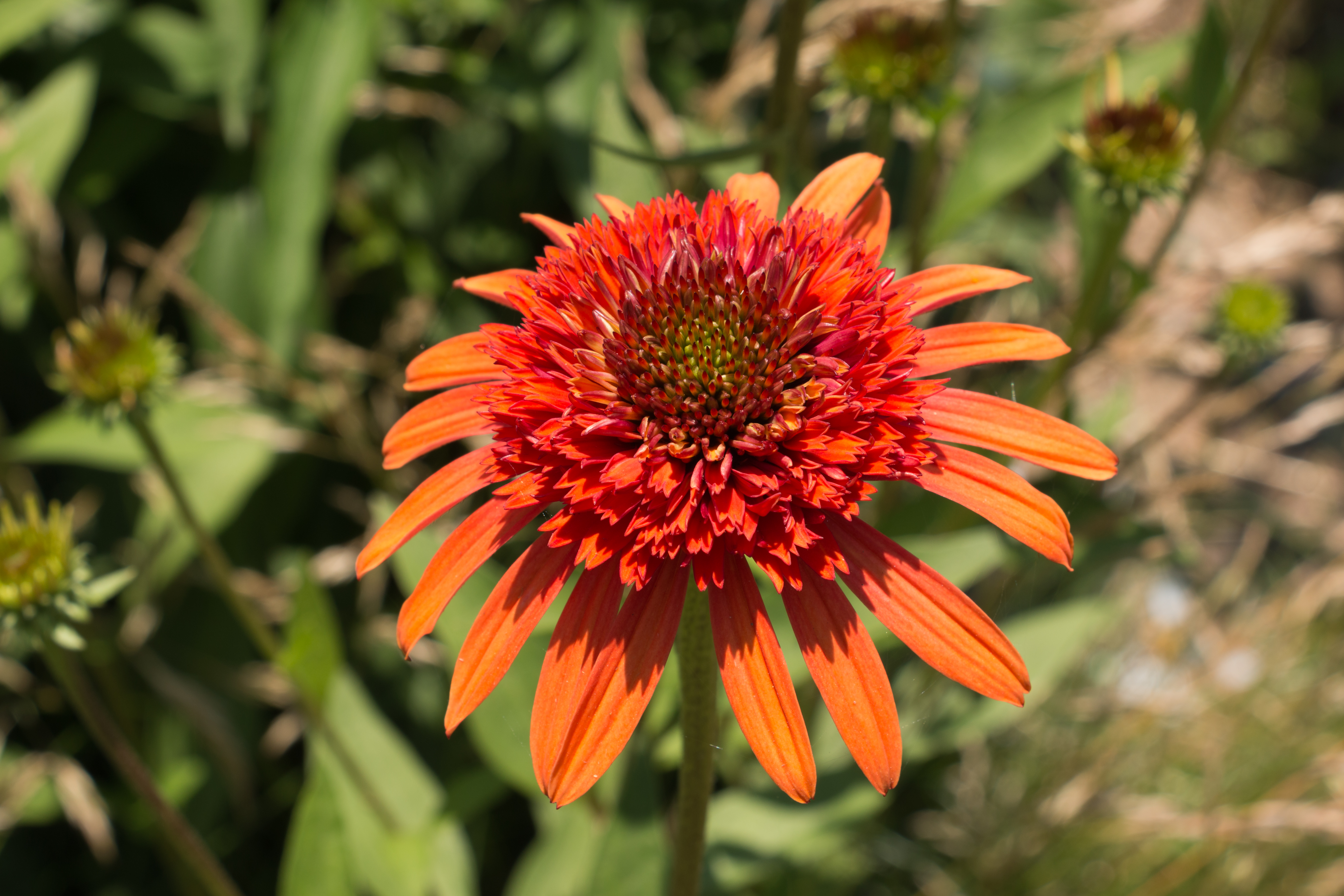
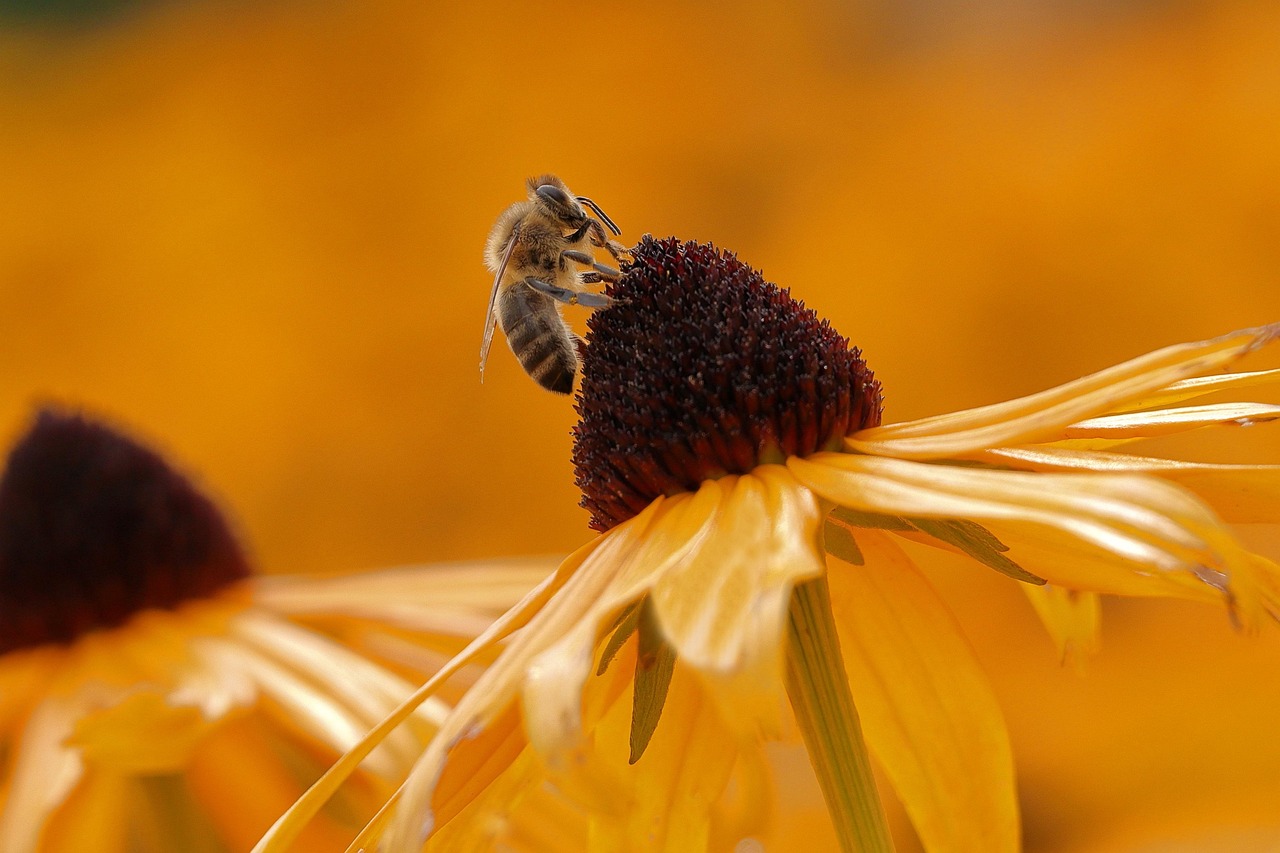
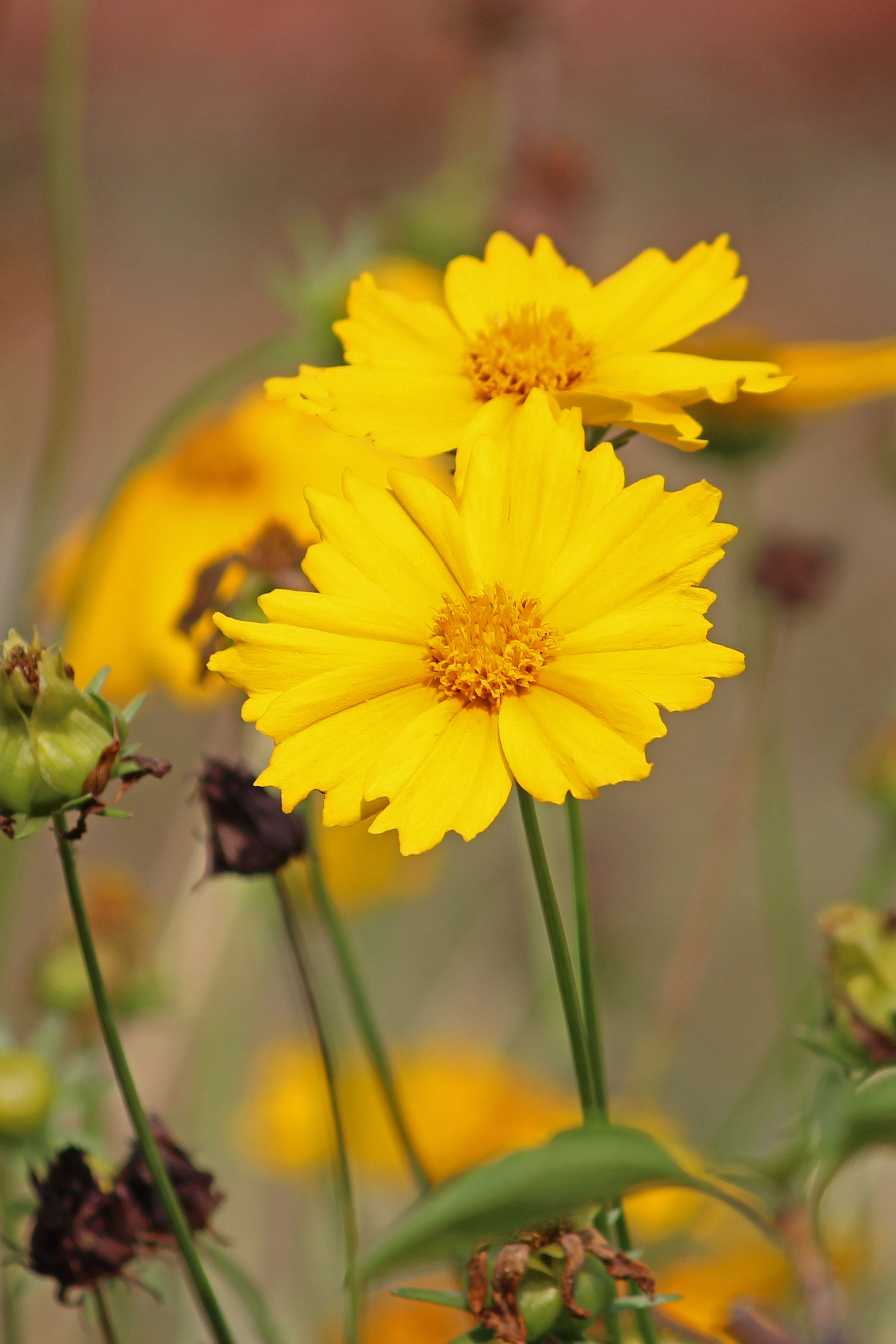
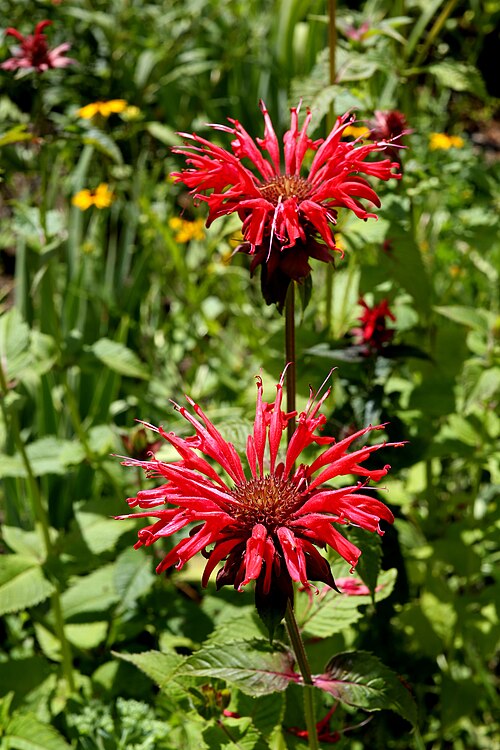
Here are some popular garden perennials to consider as lower‑risk choices (include as visual plant cards; always verify with ASPCA or your vet before planting if you have a chewer):
Bee Balm Coneflower Black-eyed Susan Coreopsis
Note: do not assume any plant is totally harmless for every pet - always check the ASPCA database and talk to your veterinarian about your specific dog and behavior. (aspca.org)
If you’re uncertain about a particular variety or hybrid, or if your dog is an aggressive plant chewer, the safest plan is to keep those plants out of reach and create visual enrichment (toys, scent games, supervised sniffing spots) so your dog is less likely to snack on foliage.
If you suspect your pet has ingested a toxic plant, call the ASPCA Animal Poison Control Center immediately at (888) 426-4435. (aspca.org)
Ready to find the perfect plants for your yard? Try the PlantWise Plant Finder →