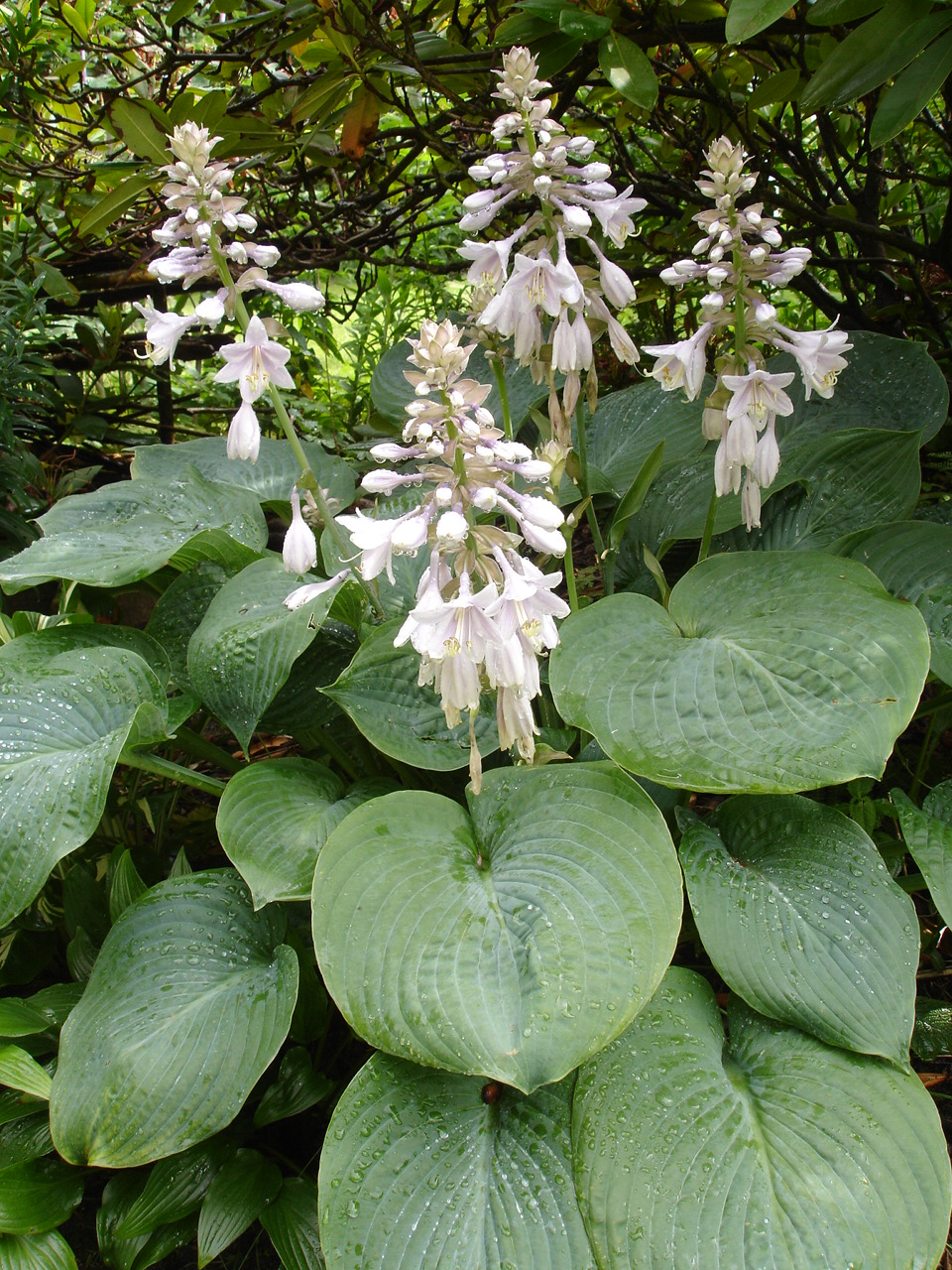
Daylily vs. Hosta: Which Is Safer for Dogs?
Short answer: Hosta is the bigger concern for dogs - hostas are listed as toxic to dogs and can cause vomiting and other symptoms if eaten. Daylilies (Hemerocallis) are best known for being highly toxic to cats, but they are generally not listed as toxic to dogs. That said, any plant chewed in large amounts can cause digestive upset, so prevention and quick action are still important.
Which is safer for dogs: daylilies or hostas?
When comparing the two, hostas present a clearer risk to dogs. Hostas contain steroidal saponins that can irritate the gastrointestinal tract and cause symptoms like vomiting, diarrhea, and lethargy after ingestion. Daylilies are famous for causing life‑threatening kidney damage in cats, but they are not listed as toxic to dogs on major plant toxicity lists. Because of that distinction, most dog owners consider daylilies less dangerous than hostas - however, “not listed as toxic” is not the same as “harmless.” Dogs that eat a lot of plant material can still get sick.
🌱 Get Personalized Plant Picks
Answer a few quick questions and we’ll match plants to your exact yard conditions.
Find My Plants →Is daylily toxic to dogs?
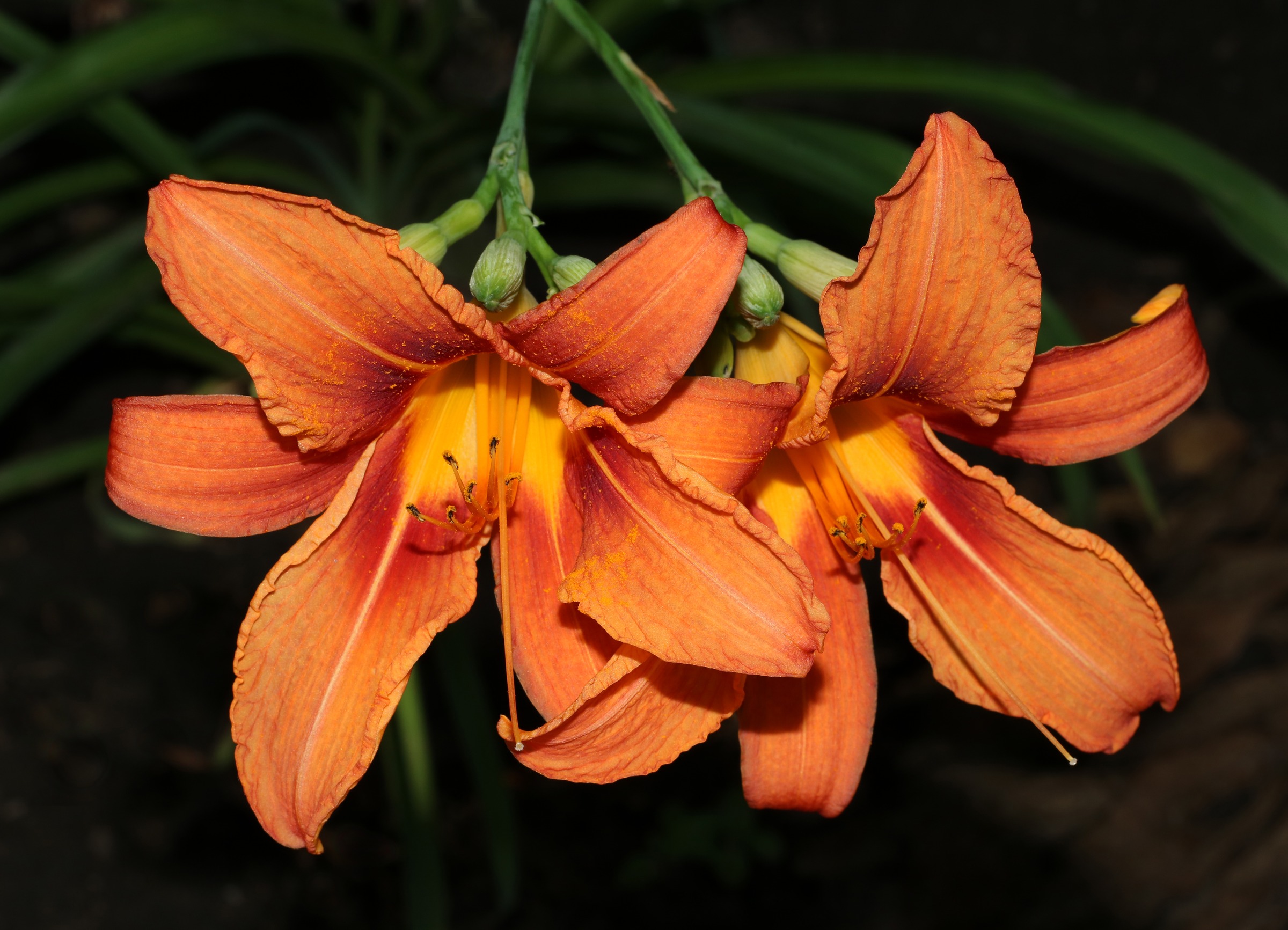
Daylilies are not listed as toxic to dogs by major toxicity references, but they are extremely dangerous for cats (even small amounts of leaves, flowers, or bulbs can cause acute kidney failure in cats). For dogs, occasional nibbling on daylily leaves or flowers will most commonly cause mild gastrointestinal upset - drooling, vomiting, or diarrhea - rather than the severe kidney injury seen in cats. Still, individual dogs can have different sensitivities, and other hazards (pesticides, fertilizers, or mulch) on the plant can make symptoms worse. Monitor any dog that eats plants and contact your veterinarian if symptoms appear.
Is hosta toxic to dogs?
Yes - hostas are listed as toxic to dogs. The saponins in hosta foliage and roots irritate the mouth, stomach, and intestines. Typical signs after ingestion include excessive drooling, vomiting, diarrhea, loss of appetite, and sometimes depression or weakness. Most cases are supportive-care situations handled by a vet, but severity depends on the amount eaten and whether the plant was treated with chemicals. If your dog chews a lot of hosta, call your veterinarian or the ASPCA hotline (see below) for guidance.
Quick Reference: daylily vs hosta for dogs
- Daylily (Hemerocallis): not listed as toxic to dogs; main clinical risk for dogs is gastrointestinal upset if eaten in quantity. Highly toxic to cats - keep separate if you have cats.
- Hosta (Hosta spp.): listed as toxic to dogs; causes vomiting, diarrhea, drooling, and lethargy after ingestion.
- What to watch for: drooling, vomiting, diarrhea, decreased appetite, lethargy. Severe signs (rare) include tremors, collapse, or difficulty breathing - seek immediate care.
- Immediate action: remove plant access, note how much was eaten, call your vet or the ASPCA Animal Poison Control Center at (888) 426-4435 if you’re unsure.
- Long term: choose placement, barriers, or plant varieties that reduce chewing opportunities.
Plant embeds for further reading:
is not available as an embed slug in our database, but see the notes above for toxicity info.
Other dog-friendly (not listed as toxic) ornamental options to consider:
How can I keep my dog safe around garden plants?
- Supervise and train: Teach “leave it” and “drop it” commands so you can stop plant chewing quickly. Supervision is the easiest prevention.
- Plant placement: Put riskier plants (like hostas) in fenced beds or raised planters that are harder for dogs to access. Use decorative barriers or chicken wire under mulch to deter digging.
- Choose plants carefully: Prefer plants that are not listed as toxic to pets when designing dog‑accessible beds. Remember we say “not listed as toxic” rather than “safe.” Consider container gardening for sensitive species.
- Avoid attractants: Don’t leave food, compost, or pet treats near plantings - these draw dogs in. Also avoid scented sprays or fertilizers that make foliage more attractive.
- Use deterrents cautiously: Bitter sprays can discourage chewing, but test them first and avoid anything containing ingredients harmful to pets. Consult your vet before using chemical deterrents.
- Keep emergency info handy: Note the plant types in your yard, your vet’s phone number, and the ASPCA Animal Poison Control Center: If you suspect your pet has ingested a toxic plant, call the ASPCA Animal Poison Control Center immediately at (888) 426-4435.
What should I do if my dog eats a daylily or hosta?
- Stay calm and remove any remaining plant material from your dog’s mouth.
- Identify what and how much was eaten - take a photo or bring a sample if you go to the clinic.
- For hosta ingestion: contact your veterinarian or the ASPCA hotline for next steps; most cases require monitoring and supportive care (fluids, anti-nausea meds).
- For daylily ingestion: while dog risk is lower, still monitor closely and call your vet if you see vomiting, lethargy, or other symptoms. If you have cats in the home and a daylily was eaten, treat as an emergency for the cat.
- If in doubt, call the ASPCA Animal Poison Control Center at (888) 426-4435 for a rapid consult.
Final thoughts If you need a simple rule of thumb: hostas are the clearer dog hazard and should be treated as such in dog‑accessible areas; daylilies are a major cat hazard and are not listed as toxic to dogs, but any plant eaten in large quantities can cause trouble. Combine smart plant selection with training and physical barriers to keep your pets and your garden happy.
Ready to find the perfect plants for your yard? Try the PlantWise Plant Finder →