Best Pet-Safe Ground Cover Plants for Full Sun
Intro Yes - you can create a sunny, low-growing garden with plants that are not listed as toxic to pets. Choose low-mounding perennials and spreading fillers such as coreopsis, blanket‑flower, certain salvias, coneflower, and blazing‑star to build a bright, pet‑friendly groundcover bed in full sun (details and caveats below).
Which full‑sun “ground covers” are not listed as toxic to pets?
Below are sunny, low-to-mounded plants that work well as groundcover-style drifts or edge plantings and are not listed as toxic to dogs and cats by major pet-toxic databases. Note: “not listed as toxic” is the phrasing we use because even non-eaten plant material can still irritate an animal, and reactions vary by animal and variety.
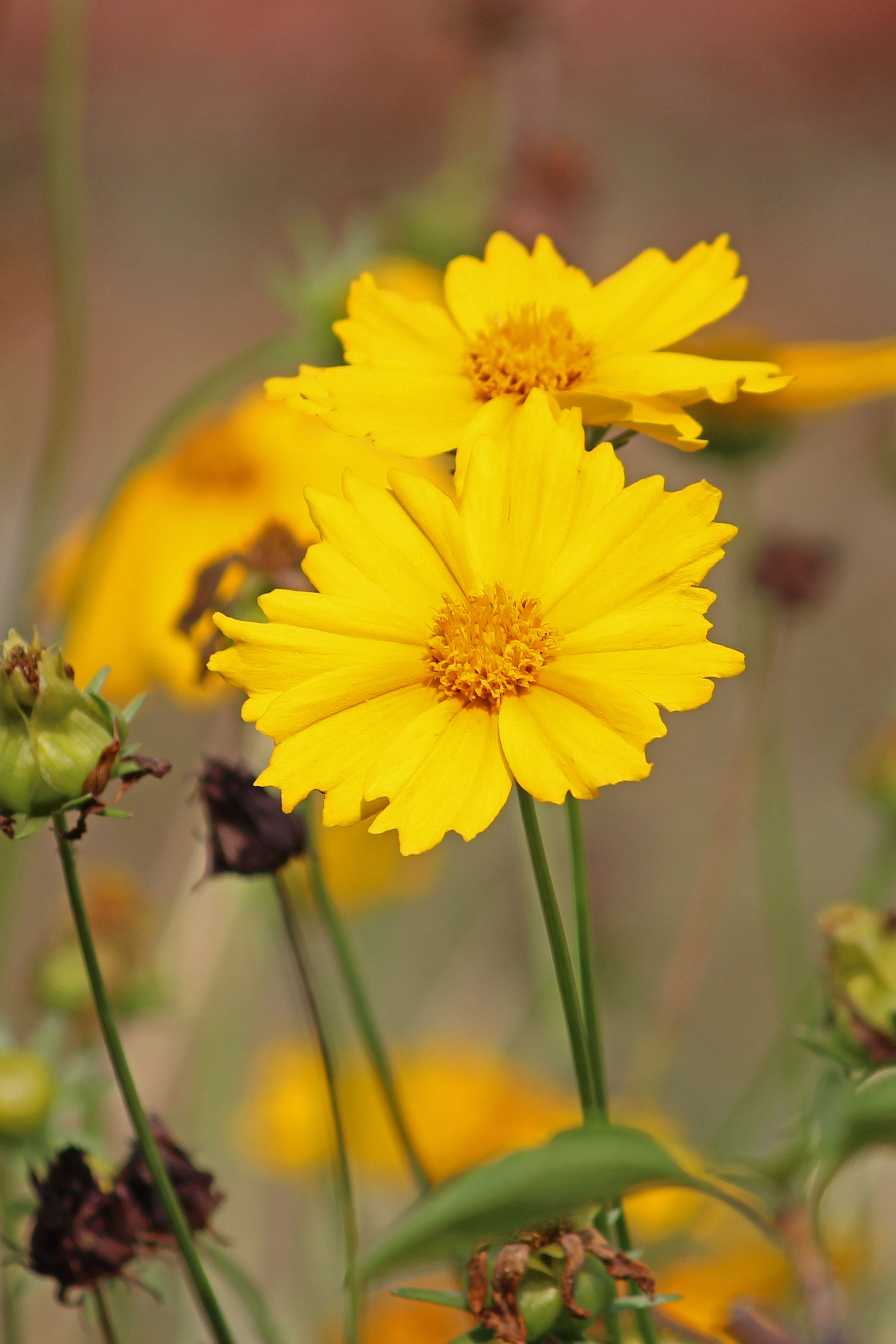
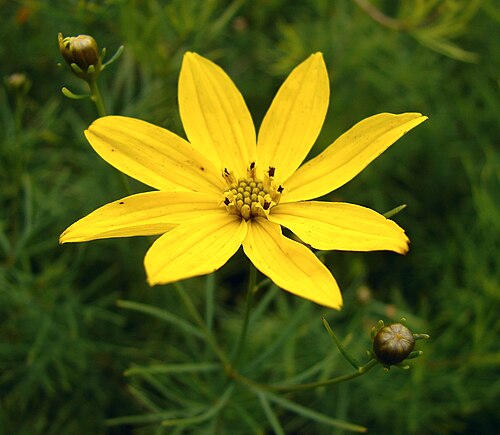
Coreopsis (tickseed) - a classic low, spreading perennial that blooms all summer and tolerates poor, well‑drained soils. Coreopsis is not listed as toxic by the ASPCA. (aspca.org)
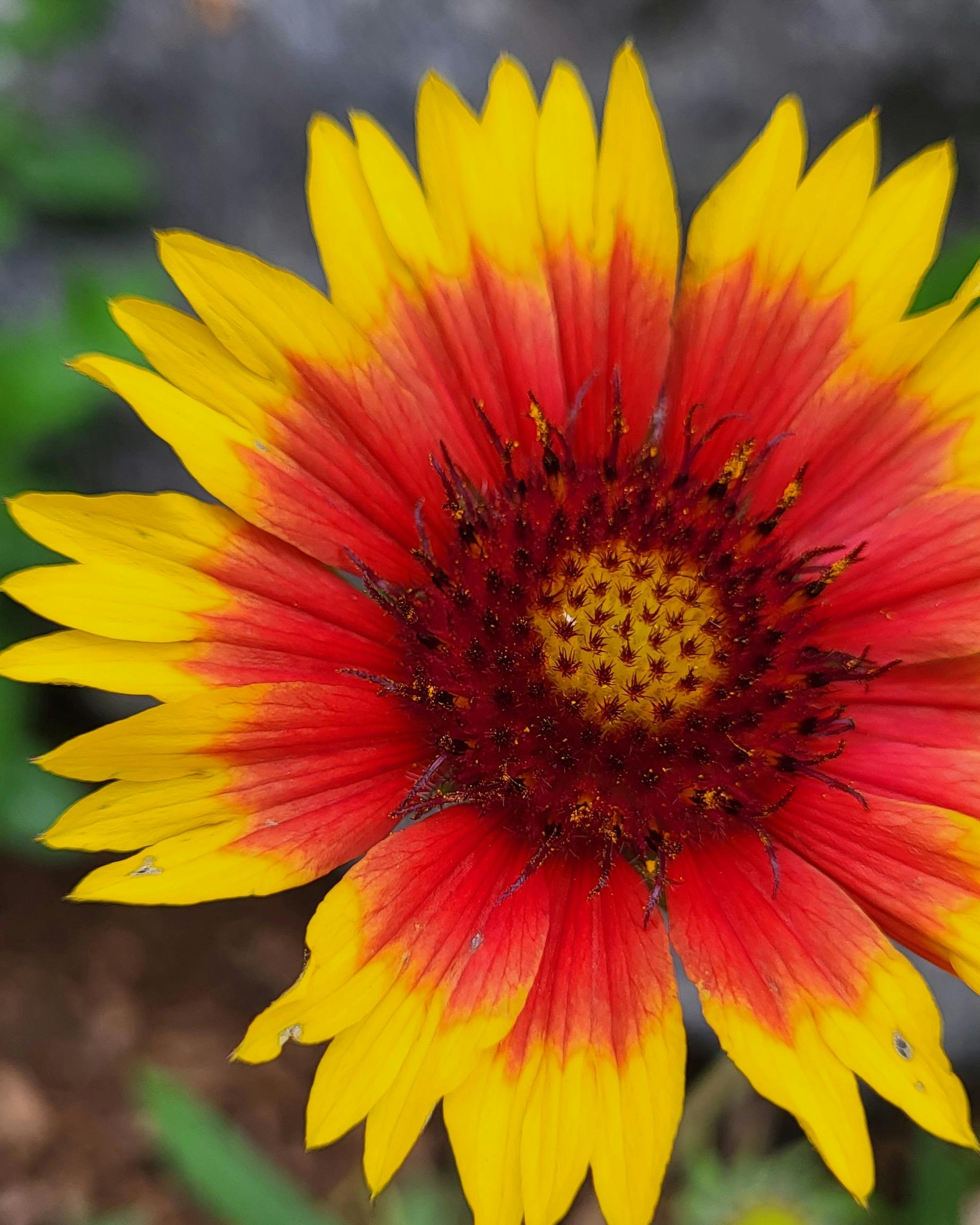
Blanket‑flower (Gaillardia) - a drought‑tolerant, low‑mounded daisy that forms cheerful drifts in hot, sunny beds. Blanket‑flower is generally not listed as toxic and is commonly recommended for pet households, but mild contact irritation has been reported for sensitive individuals, so keep an eye on pets that nibble. (lifetips.alibaba.com)
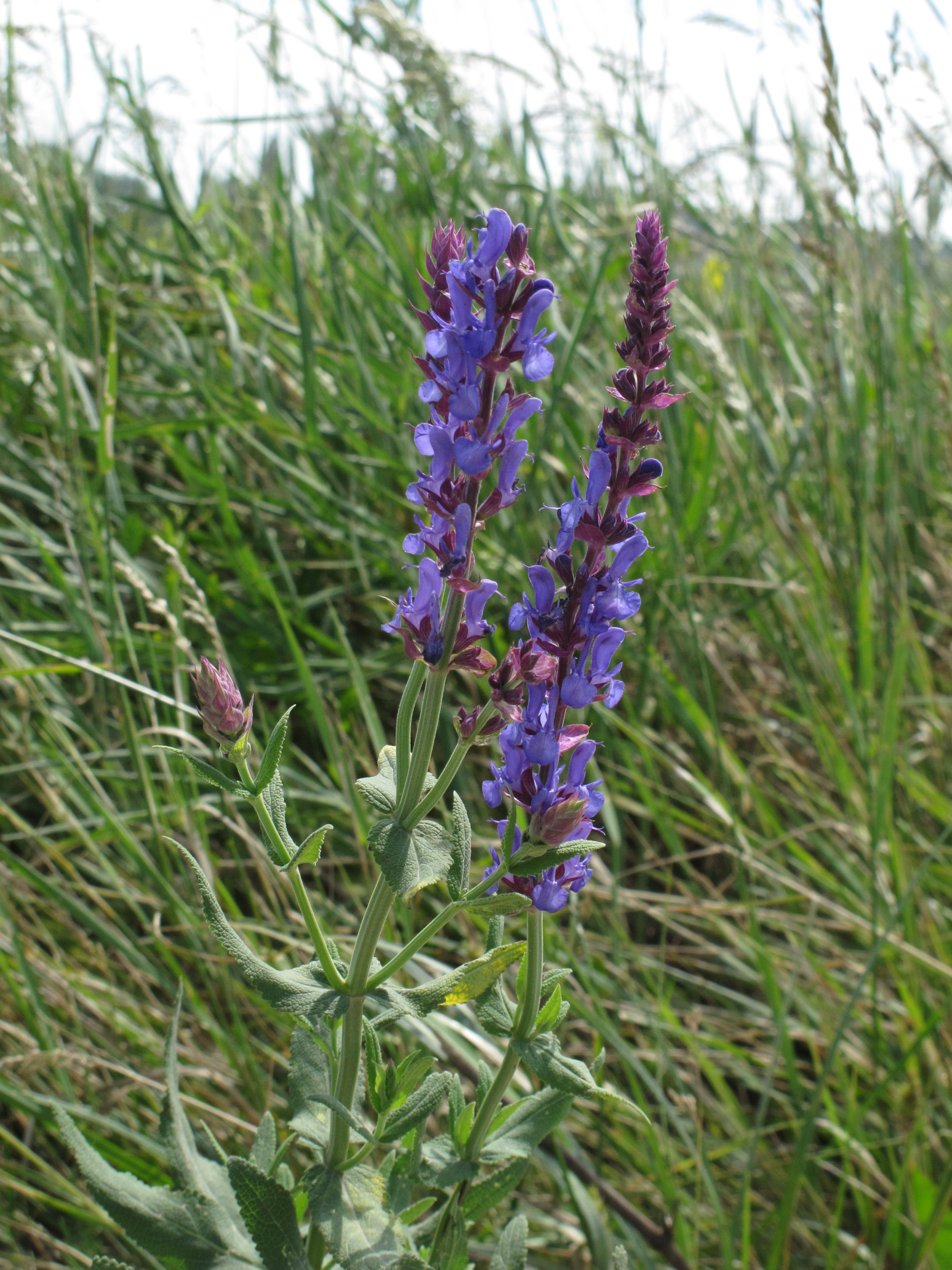
Salvia (garden sages and many ornamental salvias) - many salvia species form tidy, spreading clumps that rebloom through summer; garden sage (Salvia officinalis) varieties are not listed as toxic by the ASPCA. Choose lower‑growing cultivars for groundcover effect. (aspca.org)
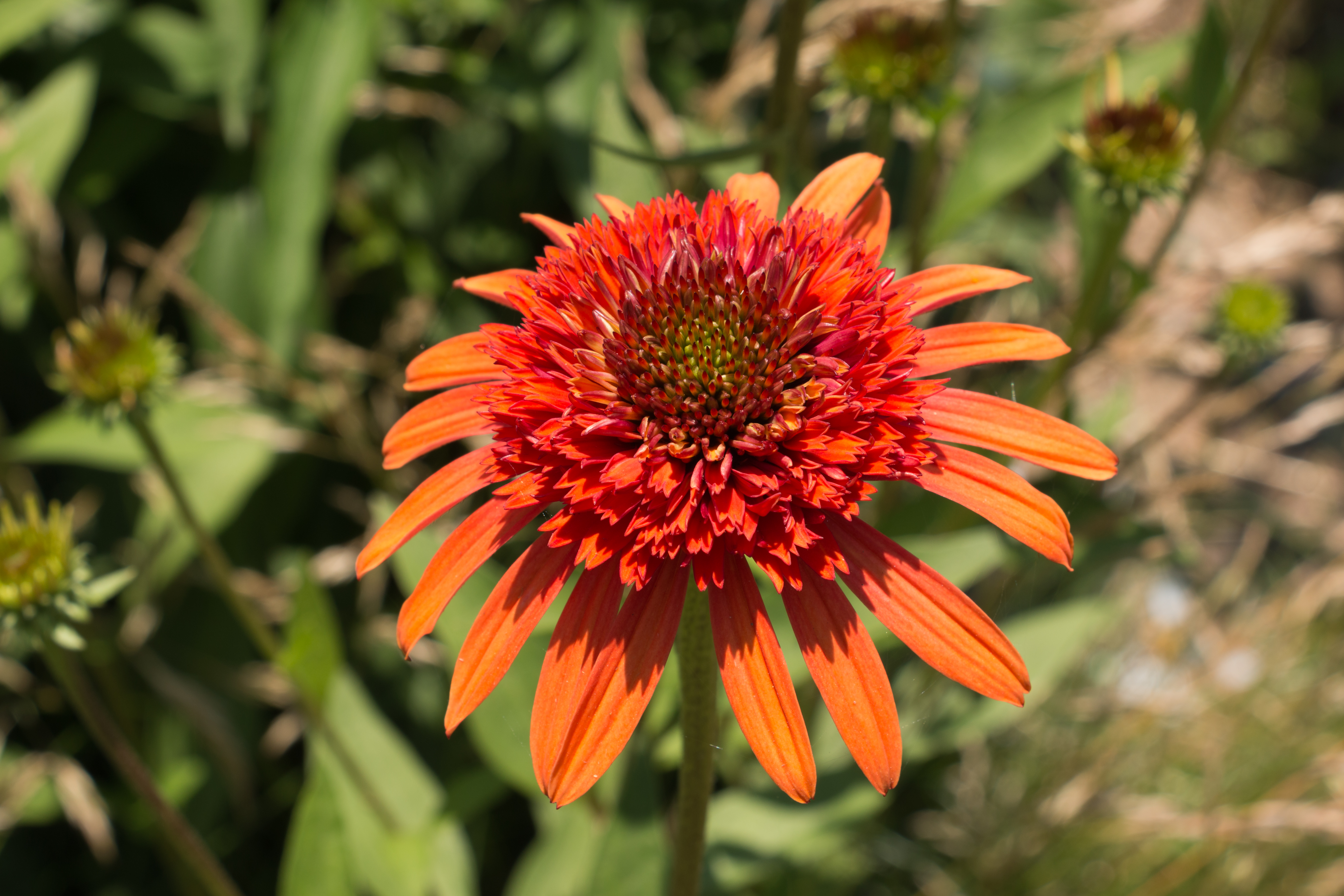
Coneflower (Echinacea) - coneflowers make excellent low-to-mid-height drifts that attract pollinators and are not listed as toxic in major pet plant references. Use them where you want color with low maintenance. (getgrowli.app)
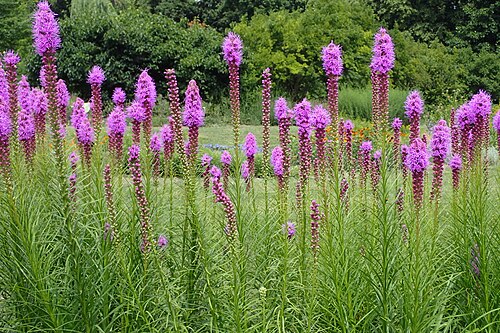
Blazing‑star (Liatris) - while not a mat-forming creeper, some Liatris species naturalize and create low clumps with upright spikes that complement short groundcovers; Liatris has been included in ASPCA “safe bouquet” guidance and is not listed as toxic. (aspca.org)
Always check the specific cultivar before planting (varieties can differ) and discourage pets from grazing - even plants not listed as toxic can cause mild GI upset if eaten in large amounts.
🌱 Get Personalized Plant Picks
Answer a few quick questions and we’ll match plants to your exact yard conditions.
Find My Plants →Quick Reference: at‑a‑glance picks for sunny spots?
(Use this to pick the right habit and spacing for a groundcover-style bed.)
- Coreopsis - Height: 6-18 in; Spread: 12-24 in; Pet note: not listed as toxic (ASPCA). (aspca.org)
- Blanket‑flower (Gaillardia) - Height: 8-18 in; Spread: 12-18 in; Pet note: generally not listed as toxic (monitor for contact irritation). (lifetips.alibaba.com)
- Low Salvia cultivars - Height: 6-18 in; Spread: 12-30 in; Pet note: garden sage/salvias not listed as toxic (ASPCA). (aspca.org)
- Coneflower (Echinacea) - Height: 12-36 in; Spread: 12-24 in; Pet note: not listed as toxic in veterinary resources. (getgrowli.app)
- Blazing‑star (Liatris) - Height: 12-36 in (spikes); Spread: clumping 8-18 in; Pet note: not listed as toxic. (aspca.org)
Tip: For a lower “groundcover” effect, space lower mounded varieties more closely (plant on 12-18" centers) and mix in shorter seasonal fillers. Mulch lightly between plants to suppress weeds while keeping edges soft for pets.
How do I plant and maintain pet‑friendly groundcovers in full sun?
- Soil and siting - most of these sun‑loving perennials prefer well‑drained soil and full sun (at least 6-8 hours daily). Amend heavy clay with compost and grit for better drainage.
- Spacing and massing - plant in drifts of 5-15 plants for visual impact and to discourage pets from trampling individual specimens. Closer spacing forms a quicker, pet‑resistant mat.
- Water and mulch - after establishment, many are drought‑tolerant; water deeply and infrequently. Use an organic mulch (2-3 in) but keep it away from crowns to prevent rot.
- Pest and disease safety - reduce temptation for pets by avoiding edible fertilizers and by keeping fallen fruit or seedheads picked up; use pet‑friendly pest methods (hand‑pick pests, insecticidal soaps approved for pet areas) rather than broadcast insecticides.
- Seasonal care - deadhead spent flowers to encourage rebloom and thin clumps every 2-3 years to keep plantings vigorous.
(These are general best practices; adapt to your USDA zone and local microclimate.)
What if my pet eats a plant or shows symptoms?
Even though the plants above are not listed as toxic in major references, any plant can cause digestive upset or skin irritation if chewed or eaten in quantity. If your pet has chewed a plant and shows drooling, vomiting, diarrhea, lethargy, swollen mouth, or unusual behavior, act quickly:
- Remove plant material from the pet’s mouth and keep the plant sample or a clear photo.
- If you suspect poisoning, call your veterinarian or poison control immediately. If you suspect your pet has ingested a toxic plant, call the ASPCA Animal Poison Control Center immediately at (888) 426-4435. (aspca.org)
Be prepared with the plant name (or photo), pet species and size, and time since ingestion.
Final notes
- “Not listed as toxic” does not mean pets won’t get an upset stomach if they chew a lot. Training, elevated planters, or planting pet‑resistant barriers (low edging, step stones) help keep curious mouths out of beds.
- If you have both dogs and cats, remember behavior differs: cats may be attracted to aromatic herbs while dogs tend to graze more broadly.
Ready to try this in your yard? Use the plant cards above as a starting palette, and tweak for your zone, soil and style. Ready to find the perfect plants for your yard? Try the PlantWise Plant Finder →