About This Collection
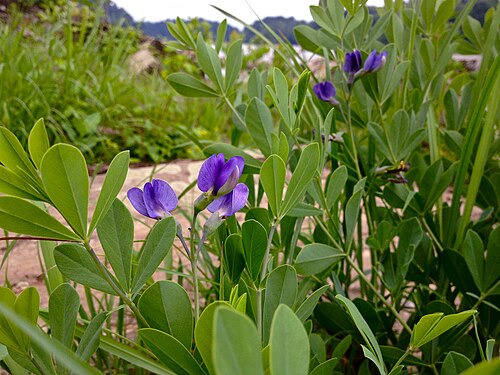
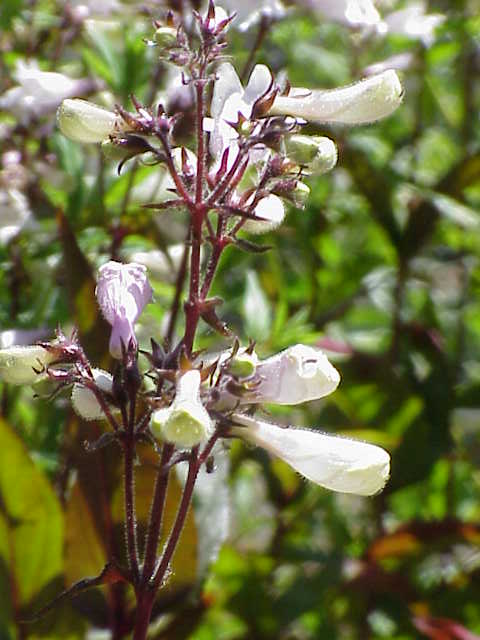
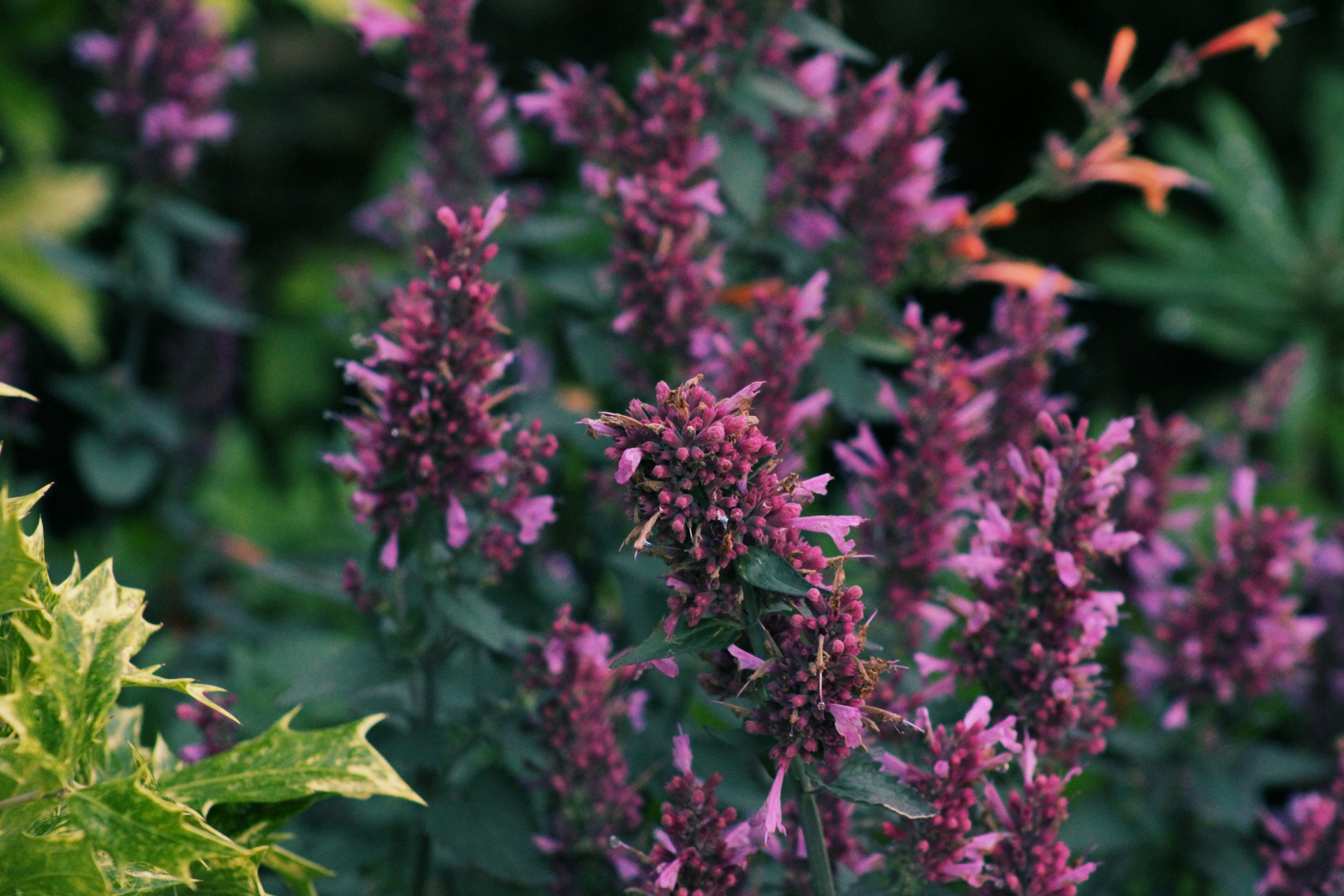
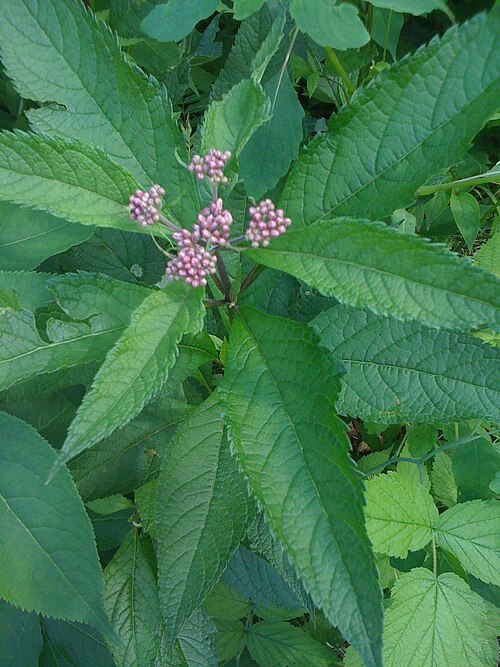
Zone 7 is one of the most ecologically diverse zones in North America. The Mid-Atlantic, Southeast, and Pacific Northwest all fall in Zone 7 — and all have distinctive native plant communities that support local wildlife, pollinators, and birds.
In the Mid-Atlantic and Southeast, Zone 7 native plants include iconic species like Eastern redbud, native azaleas, Virginia sweetspire, and native grasses like muhly grass and little bluestem. These plants have co-evolved with local insects and birds, providing food and habitat that non-native ornamentals cannot replicate.
PlantWise filters for Zone 7 hardiness and native origin, giving you a curated list of ecologically valuable plants that thrive in your specific climate region.
Find Zone 7 Native Plants → or browse the interactive directory.
Featured Plants
Frequently Asked Questions
What are the most iconic Zone 7 native plants?
Iconic Zone 7 natives include Eastern redbud (Cercis canadensis), native azaleas (Rhododendron species), Virginia sweetspire (Itea virginica), muhly grass (Muhlenbergia capillaris), and native asters. All are beautiful, ecologically valuable, and widely available.
Are native azaleas safe for pets in Zone 7?
No. Native azaleas (Rhododendron species) are toxic to both dogs and cats, just like non-native azaleas. If you have pets, choose pet-safe native alternatives like spicebush, native viburnums, or Virginia sweetspire.
What Zone 7 natives support monarch butterflies?
Butterfly weed (Asclepias tuberosa) is the most important Zone 7 native for monarchs — it's the primary milkweed species in the Mid-Atlantic and Southeast. Also plant late-season native asters and goldenrod to fuel fall monarch migration.
Are there Zone 7 native plants for wet areas?
Yes. Excellent Zone 7 natives for wet or poorly drained areas include native cardinal flower (Lobelia cardinalis), swamp milkweed (Asclepias incarnata), buttonbush (Cephalanthus occidentalis), and native sedges. These evolved in riparian and wetland habitats.