About This Collection
USDA Zone 7 spans the mid-Atlantic and upper South — from Virginia and North Carolina through Tennessee, Oklahoma, and into the Pacific Northwest. With mild winters (0°F to 10°F lows) and long, warm growing seasons, Zone 7 gardeners enjoy an enormous palette of plant options.
The Zone 7 advantage is versatility: you can grow many plants that won't survive further north (like crepe myrtles and certain camellias) while still enjoying cold-hardy favorites like hydrangeas and hostas. The challenge is often summer heat management rather than winter survival.
PlantWise matches Zone 7-compatible plants to your specific conditions — whether you're dealing with full afternoon sun, heavy deer pressure, or need pet-safe options. Get a personalized list that accounts for all your yard's unique factors.
Find Zone 7 Plants for My Yard → or browse the interactive directory.
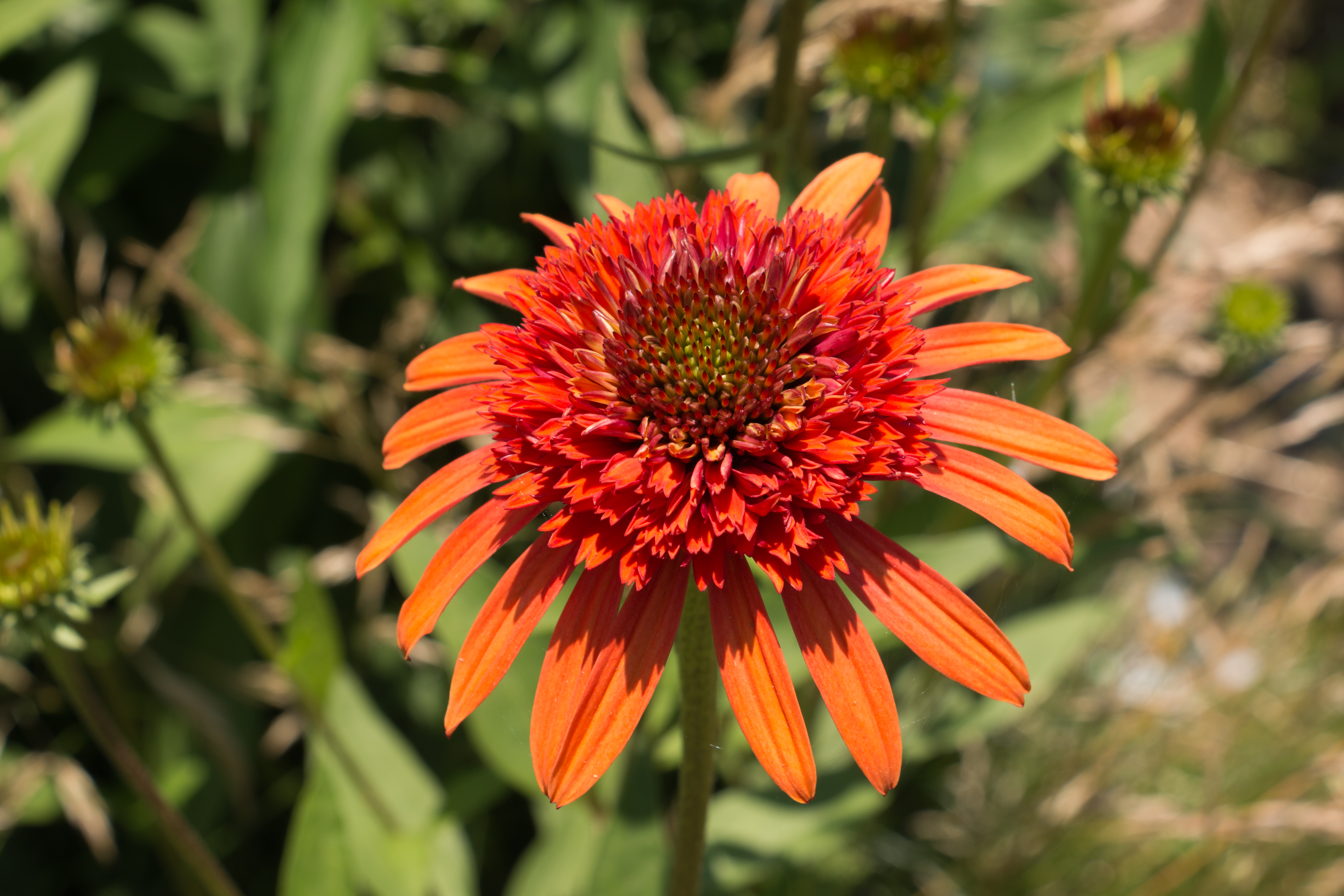
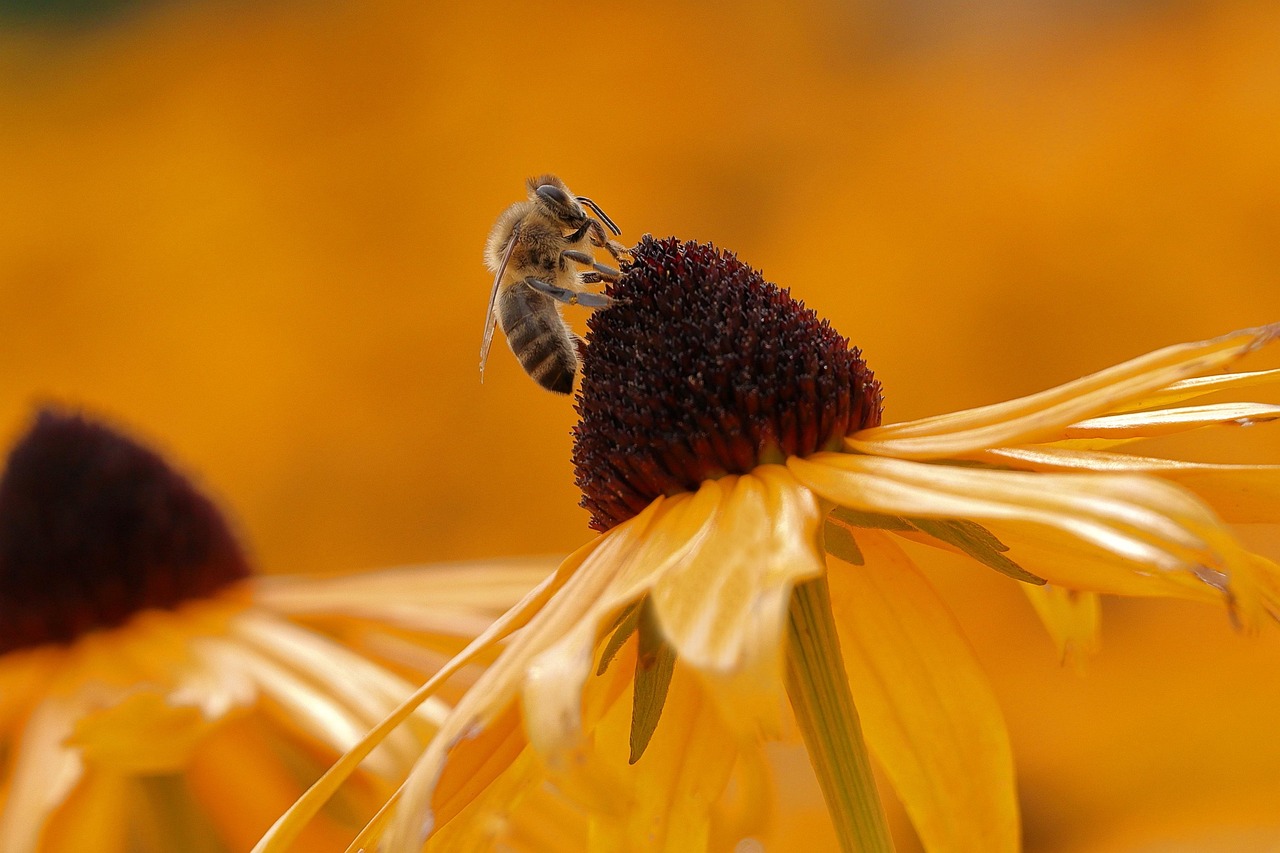
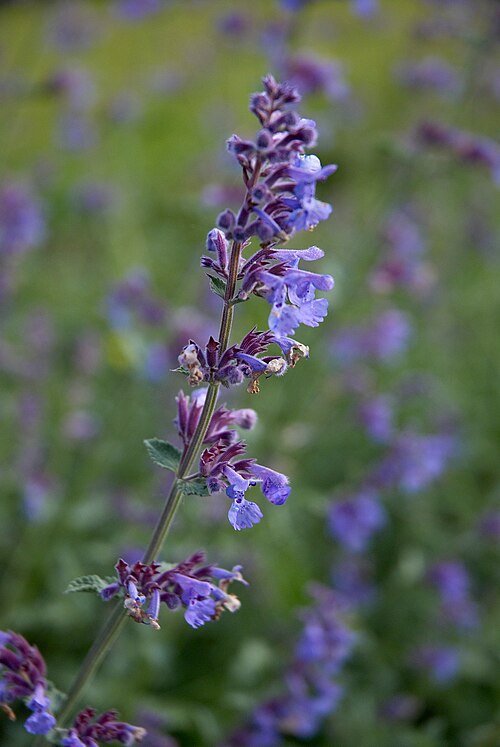
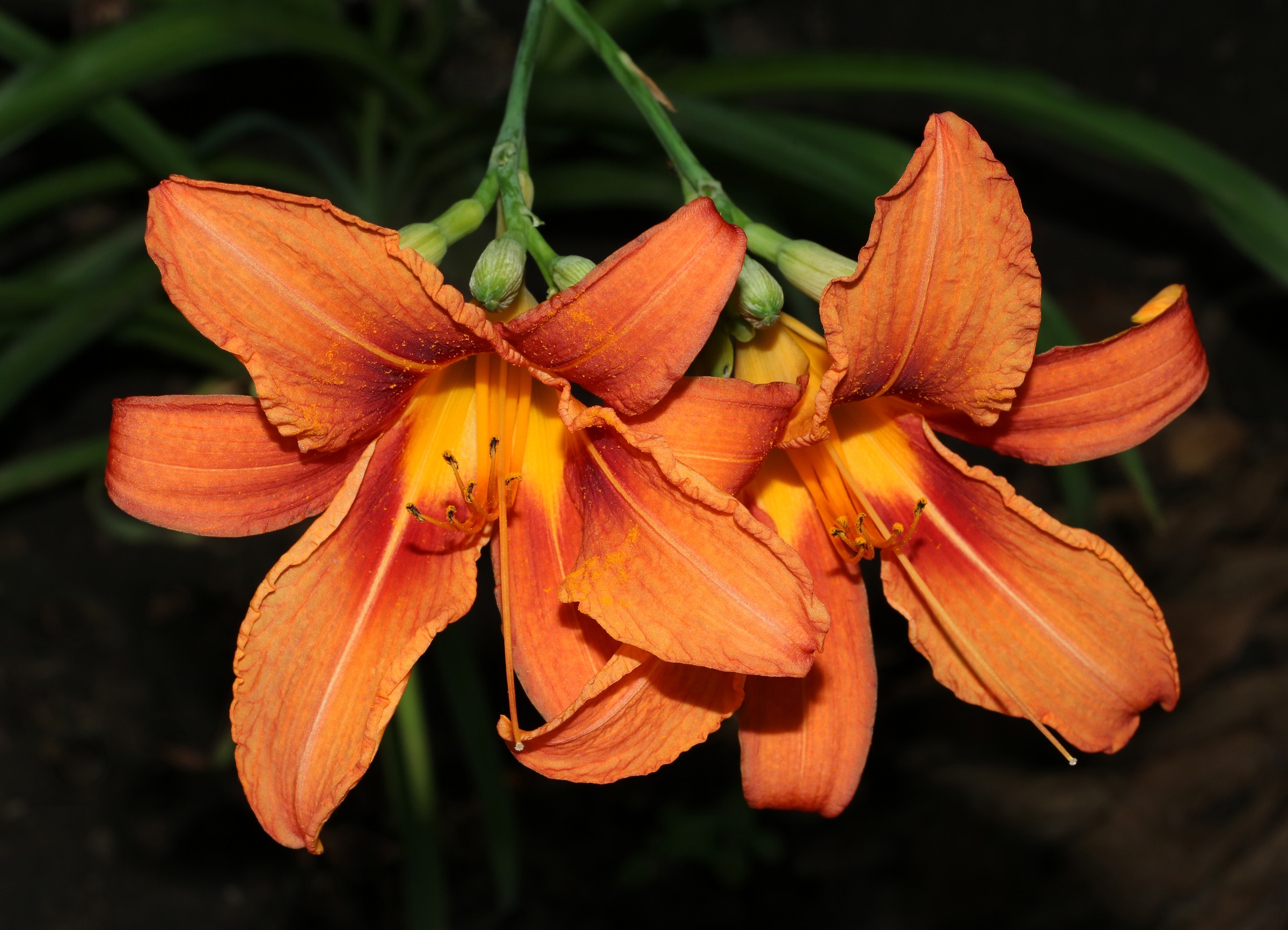
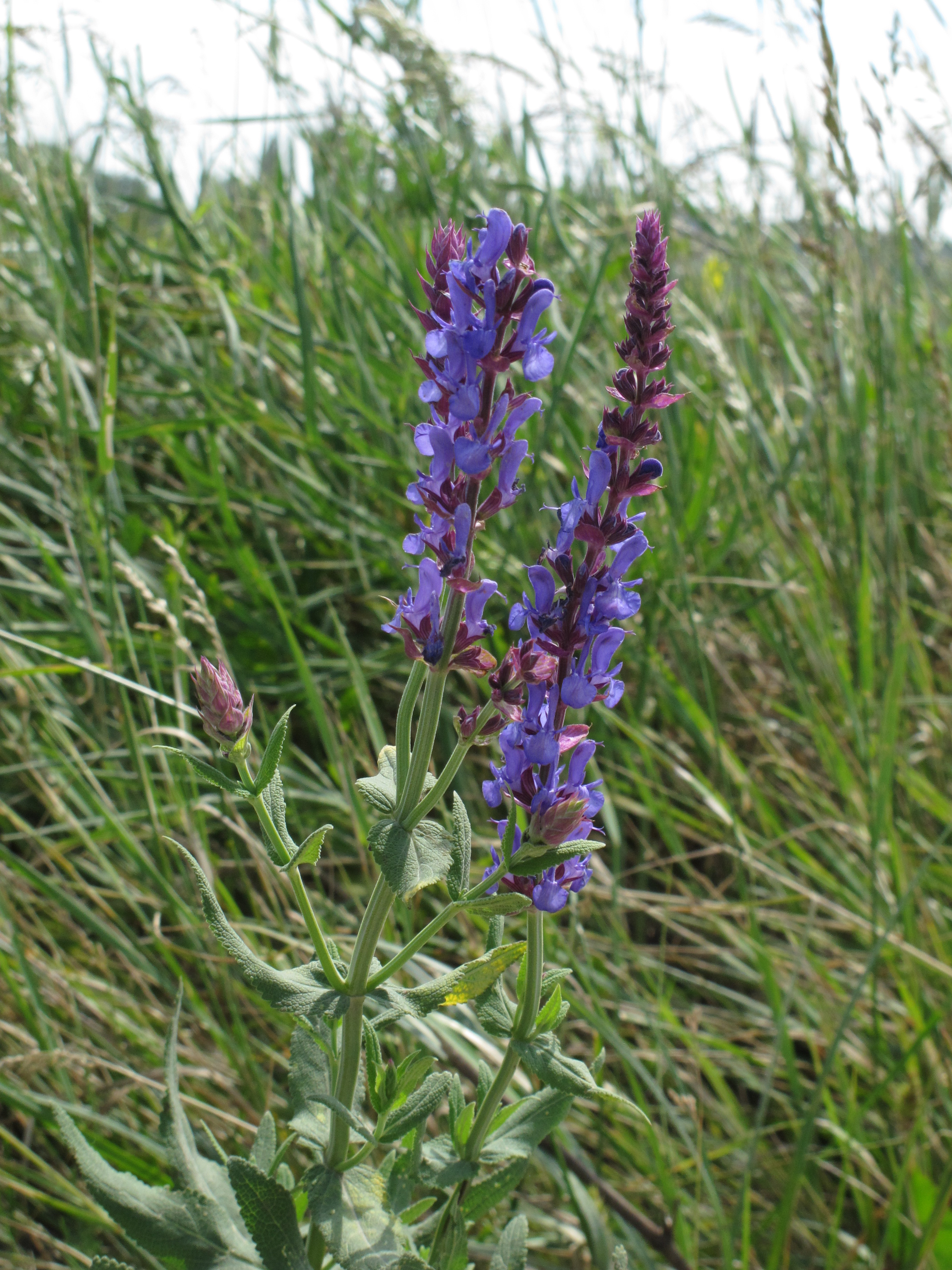
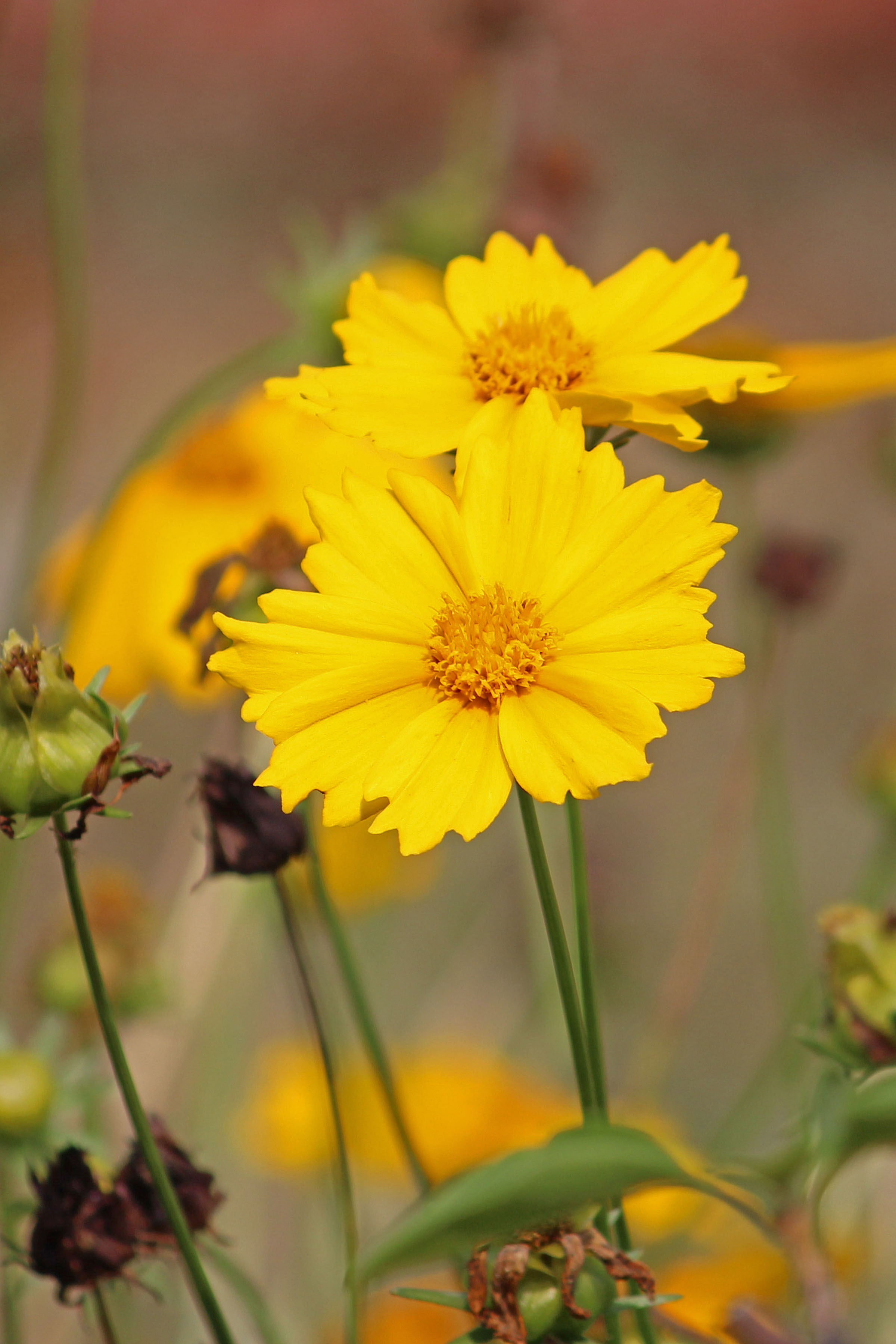
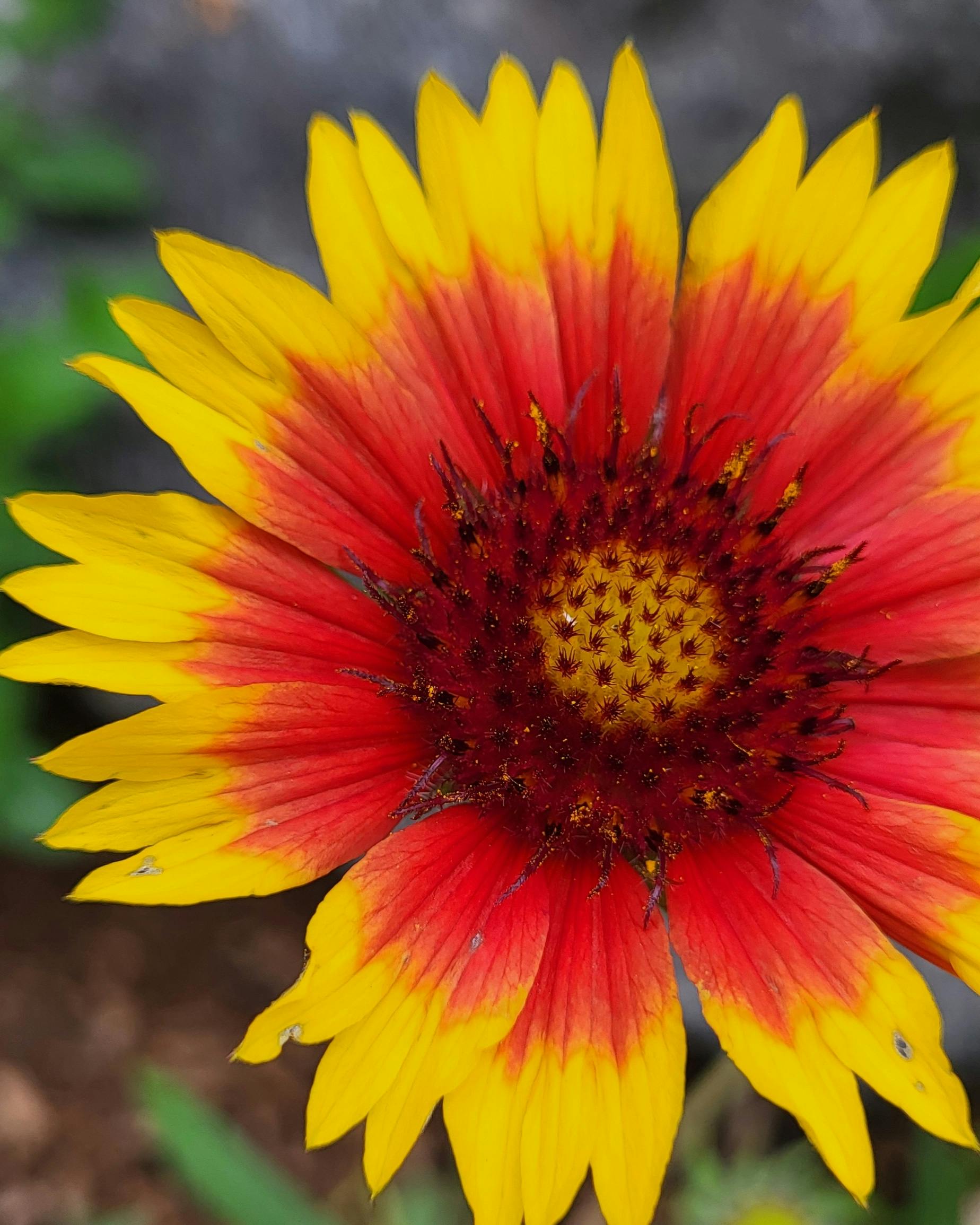
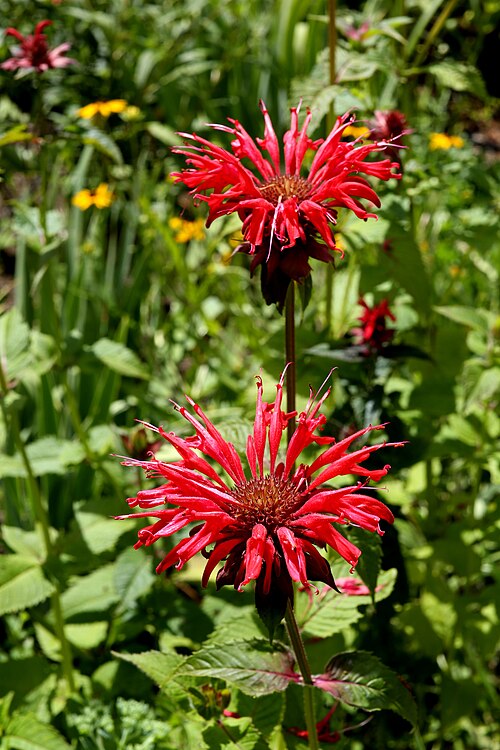
Featured Plants
Frequently Asked Questions
What temperatures define Zone 7?
USDA Zone 7 has average annual minimum temperatures of 0°F to 10°F (-17.8°C to -12.2°C). Zone 7a reaches 0°F to 5°F, while Zone 7b reaches 5°F to 10°F.
When is the last frost in Zone 7?
Typically early to mid-April, with first fall frost in late October to early November. Zone 7 enjoys a generous 7-8 month growing season.
Can I grow crepe myrtles in Zone 7?
Yes! Crepe myrtles thrive in Zone 7 and are one of the best summer-flowering trees for the region. Choose varieties rated for Zone 7 hardiness for reliable performance.
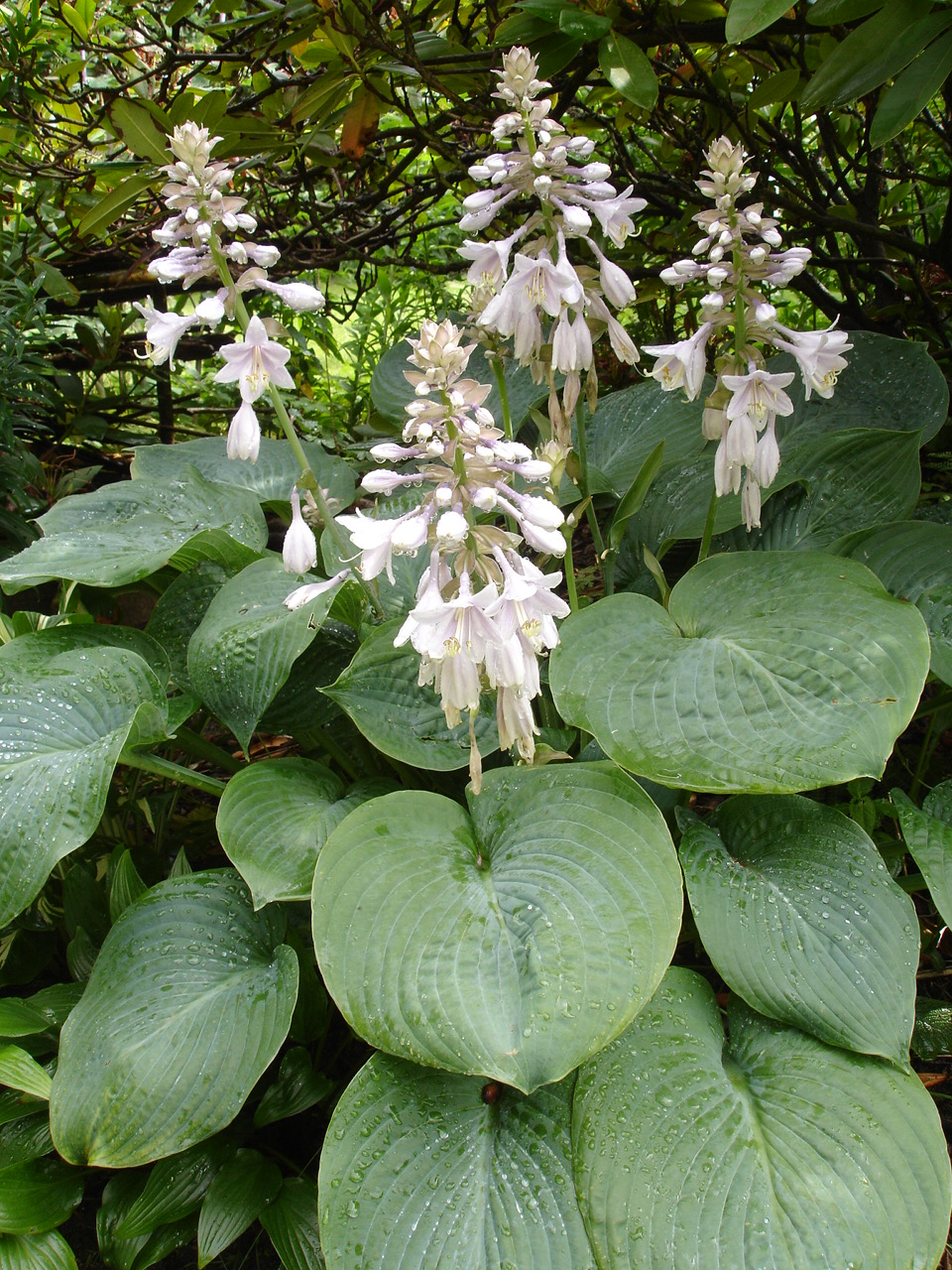
Is Zone 7 too hot for hostas?
Not at all — hostas do well in Zone 7, especially in part shade to full shade locations. They may need more water during hot summers, but they'll thrive with afternoon shade protection.