About This Collection
USDA Zone 6 is one of the most popular gardening zones in America, stretching from New Jersey and Connecticut through Missouri and into parts of Oregon. With winter lows of -10°F to 0°F, Zone 6 offers a sweet spot: cold enough for proper dormancy (which many plants need) but warm enough for an enormous variety of perennials, shrubs, and trees.
Zone 6 gardeners enjoy a roughly 6-7 month growing season with four distinct seasons. This means you can grow everything from spring bulbs and summer perennials to fall-color trees and winter-interest evergreens. The challenge is choosing from the overwhelming number of options.
PlantWise narrows the field by matching Zone 6-compatible plants to your specific sun exposure, pet safety needs, deer pressure, and maintenance preferences. Instead of browsing thousands of options, you get a curated list that's guaranteed to work in your climate.
Find Zone 6 Plants for My Yard → or browse the interactive directory.
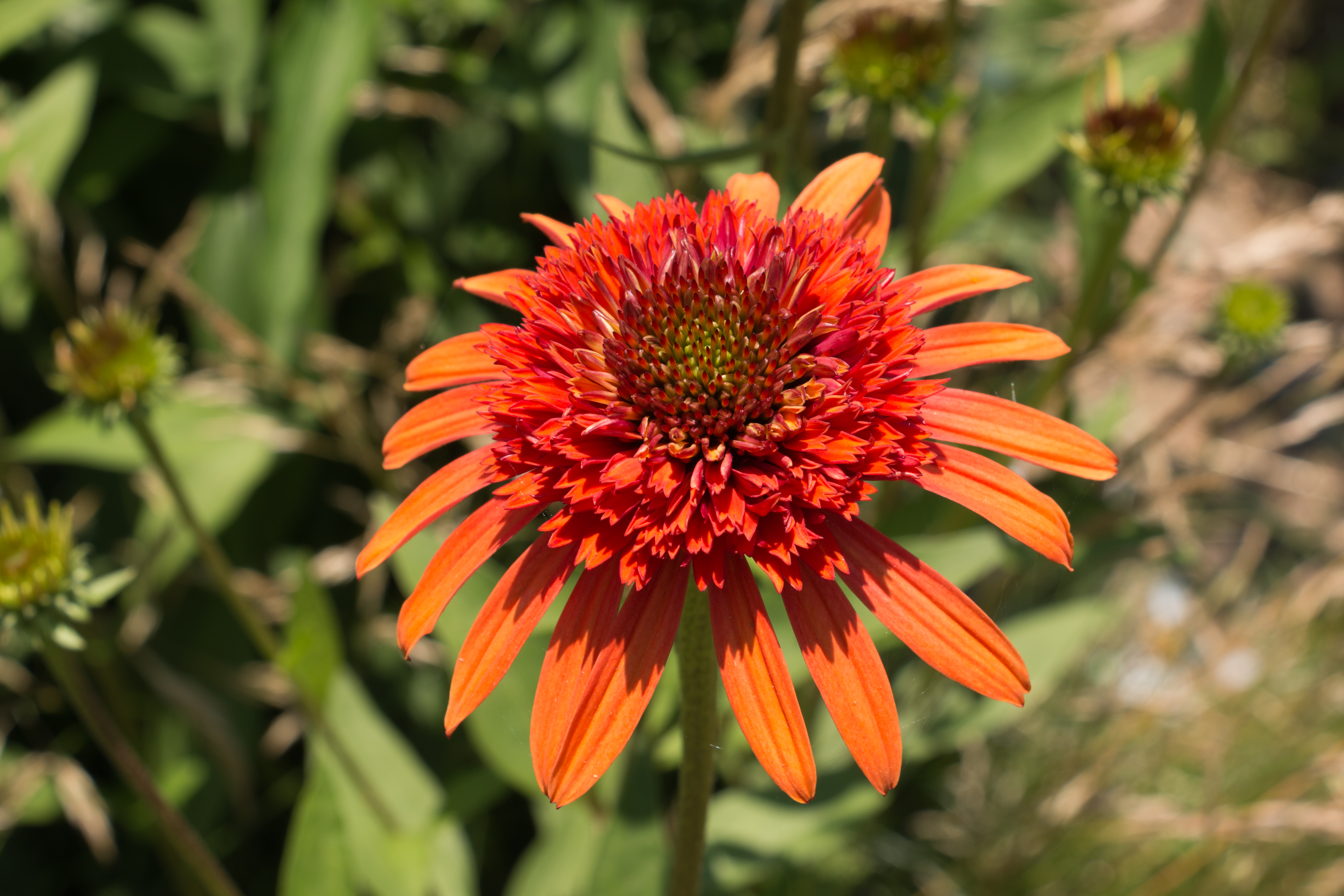
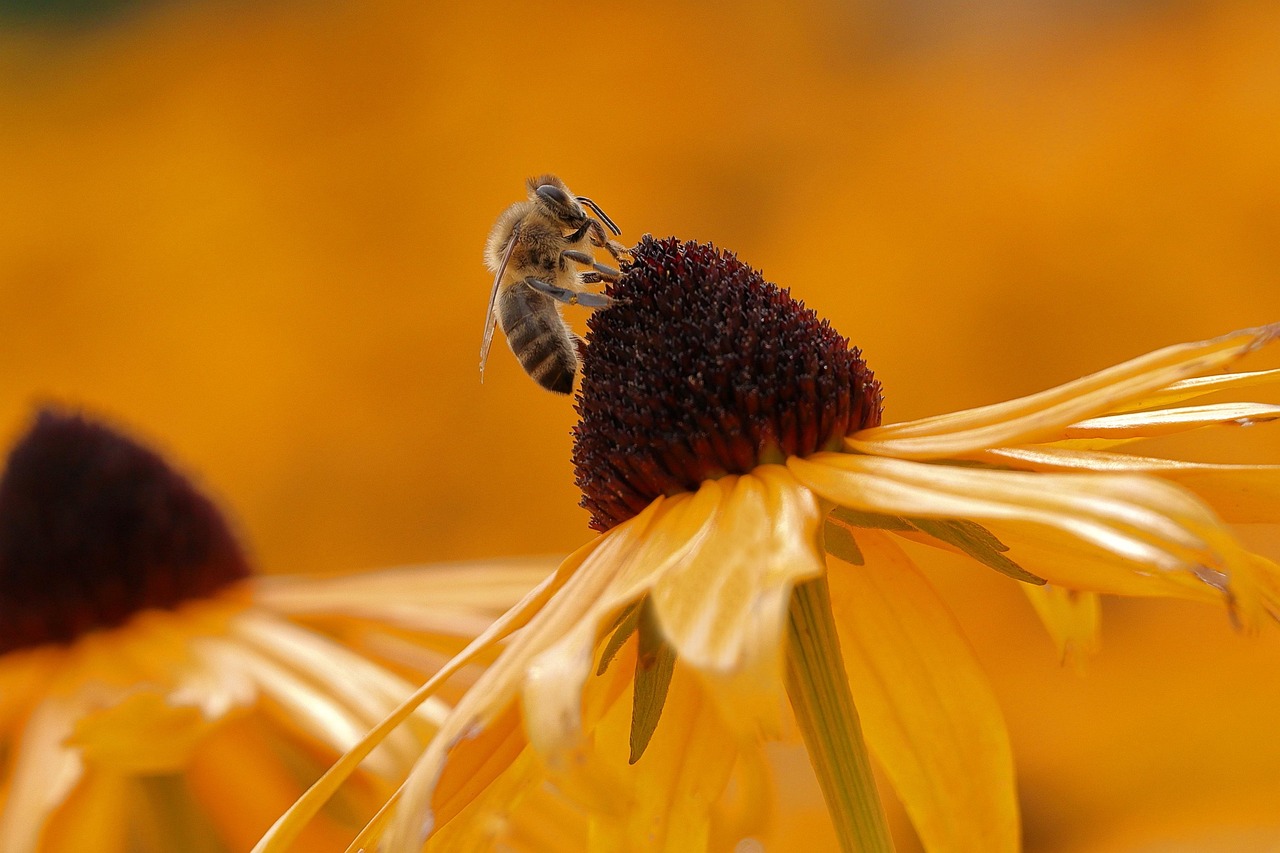
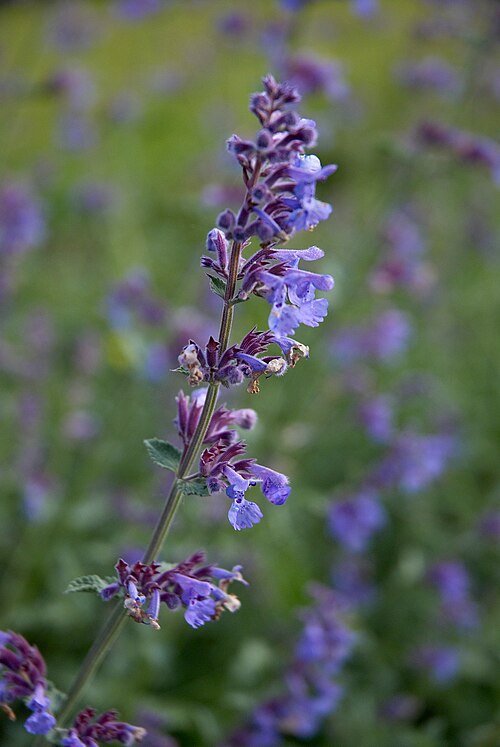
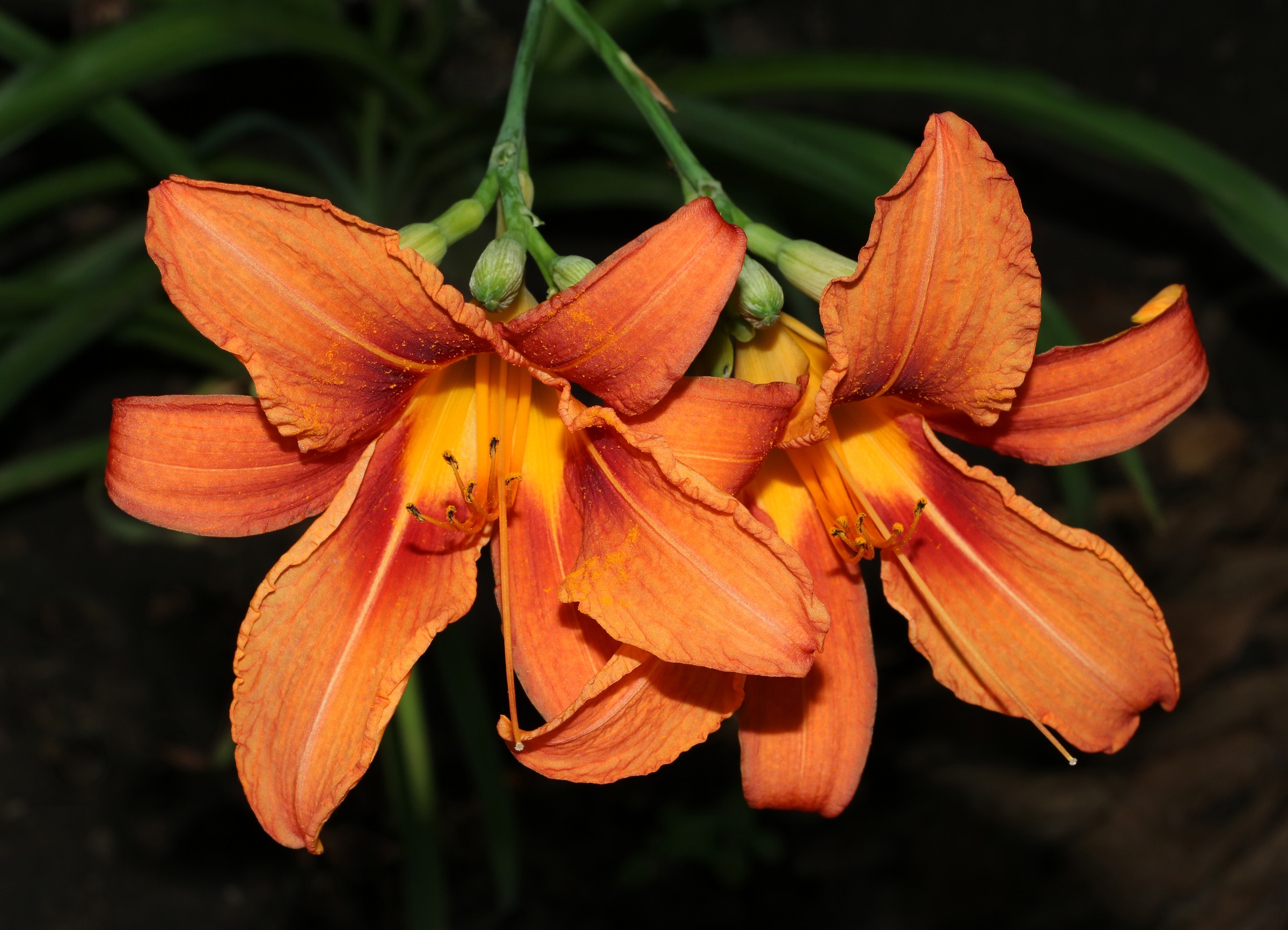
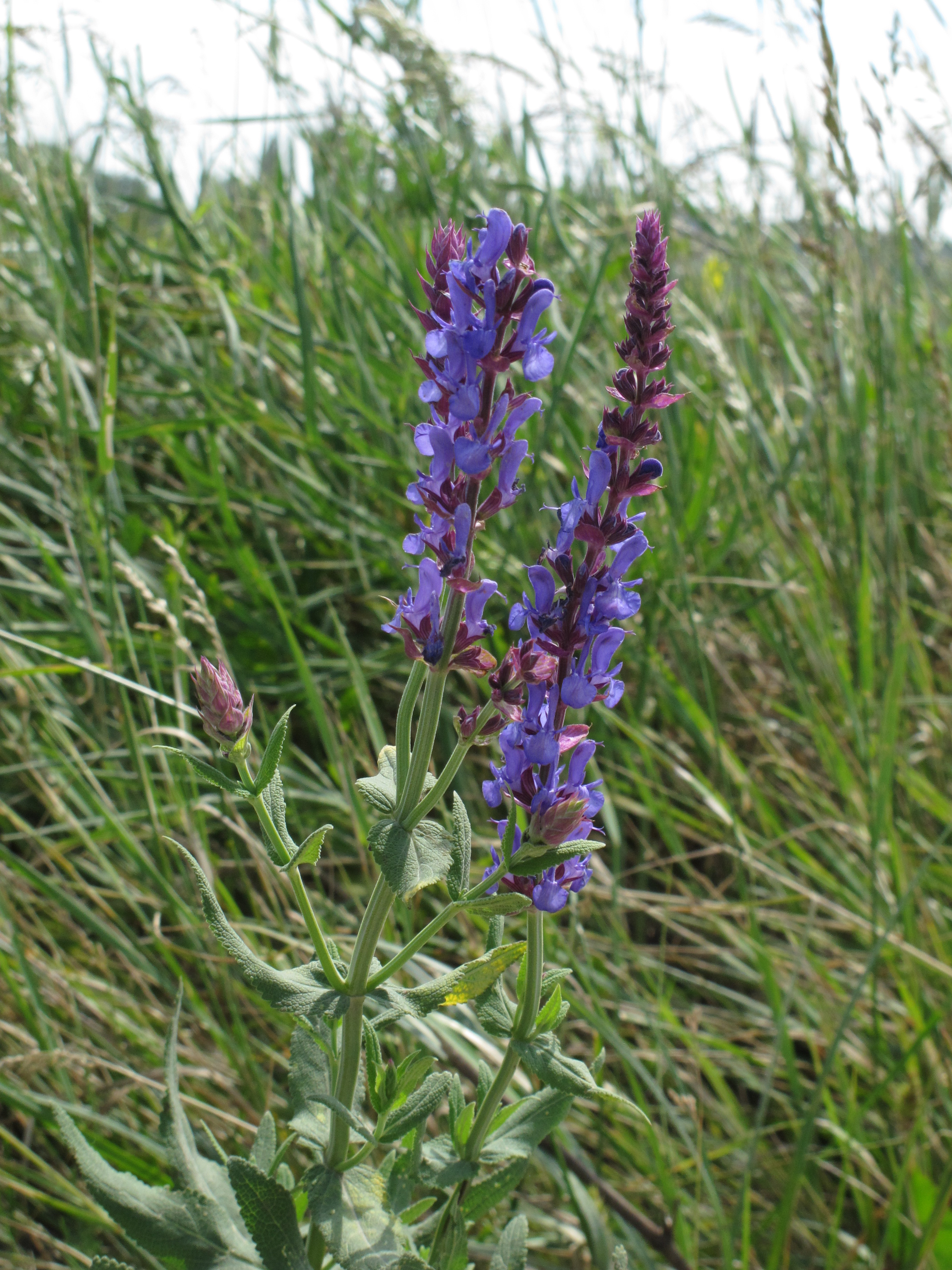
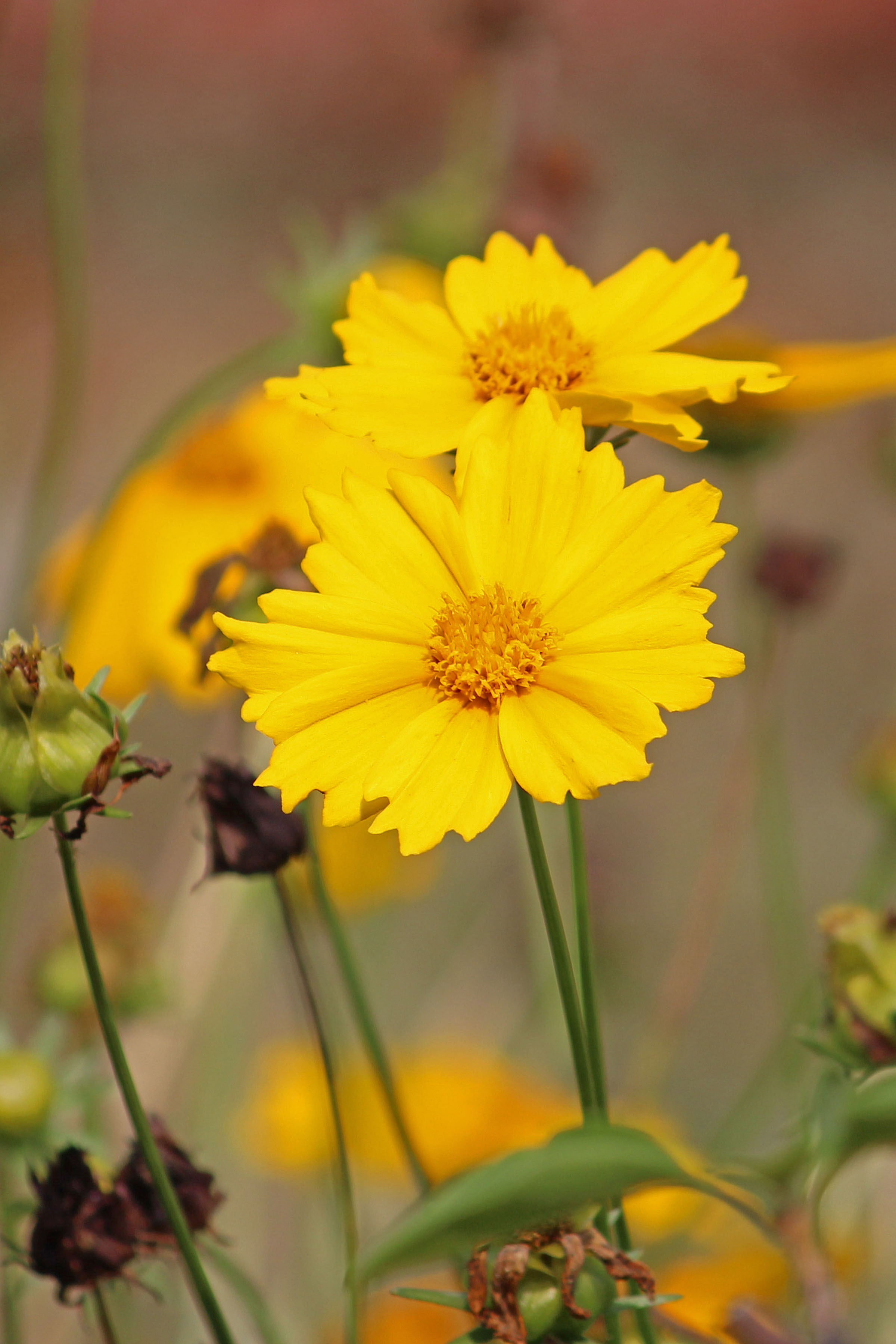
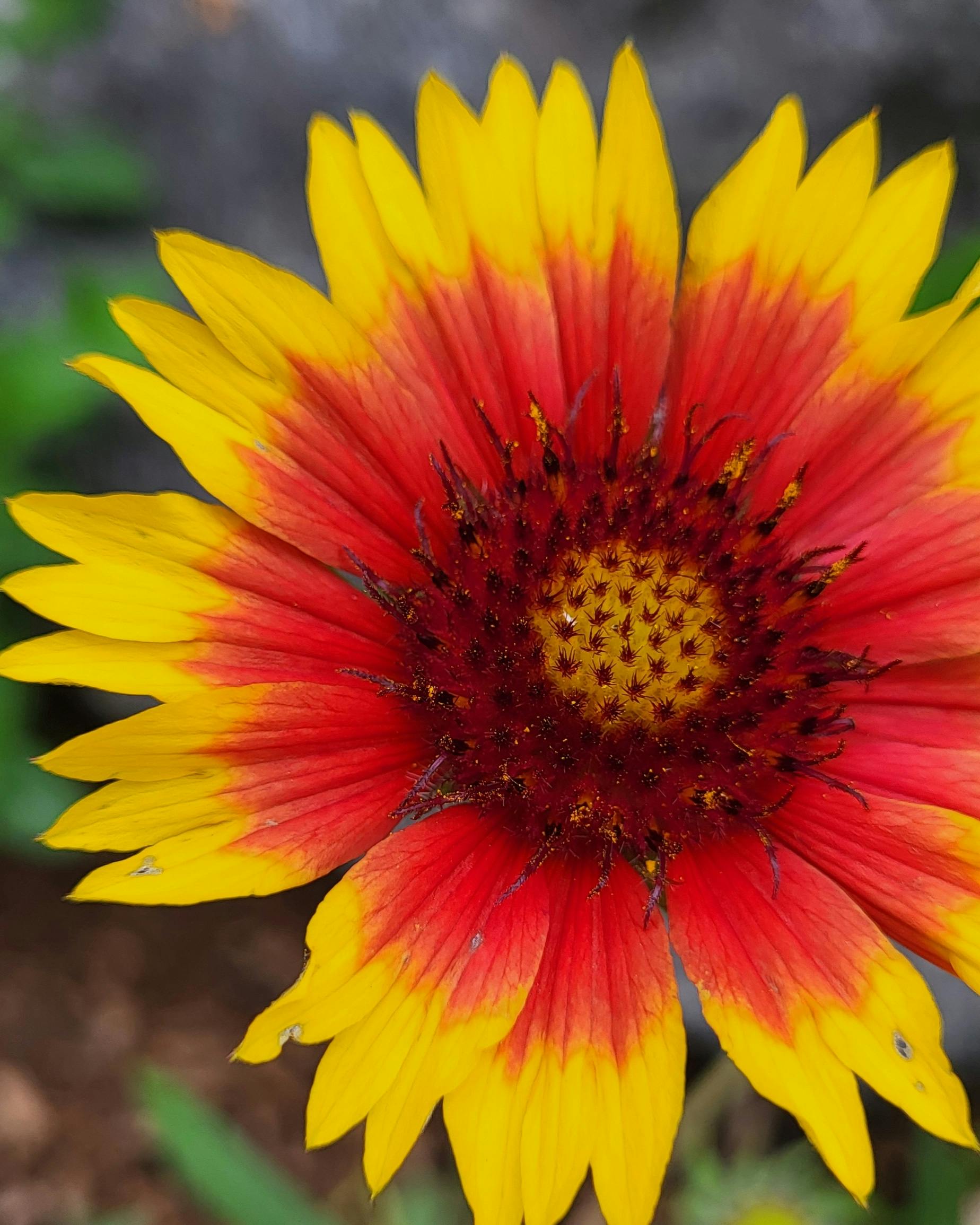
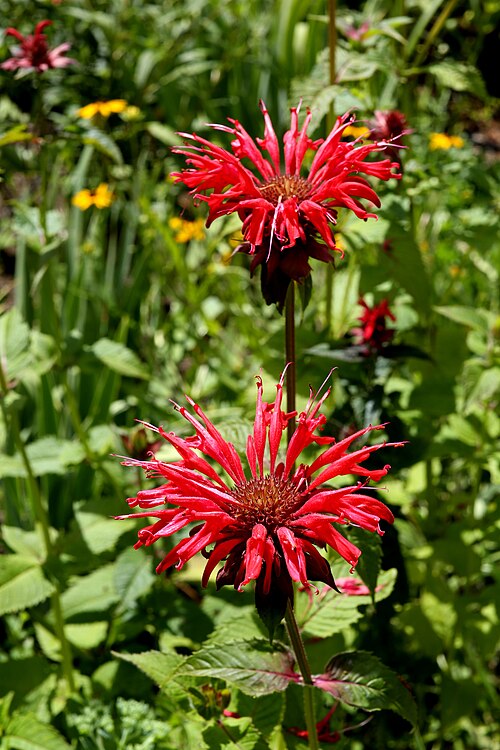
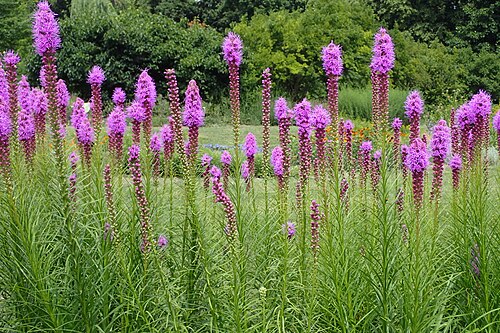
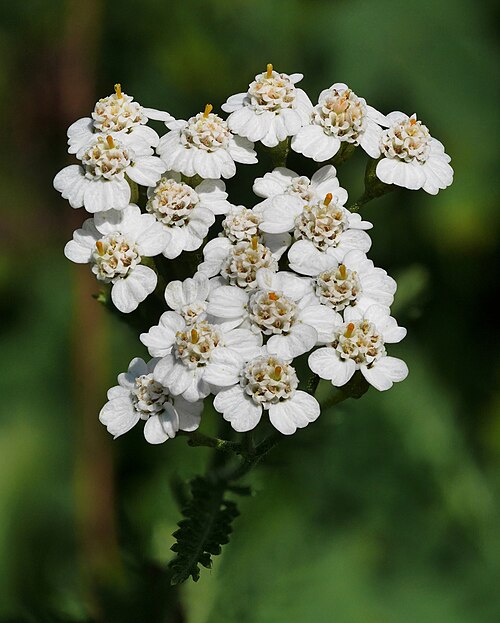
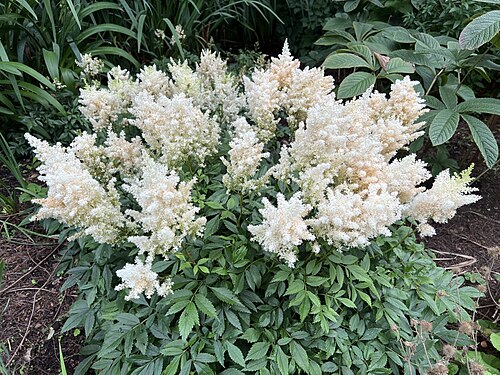
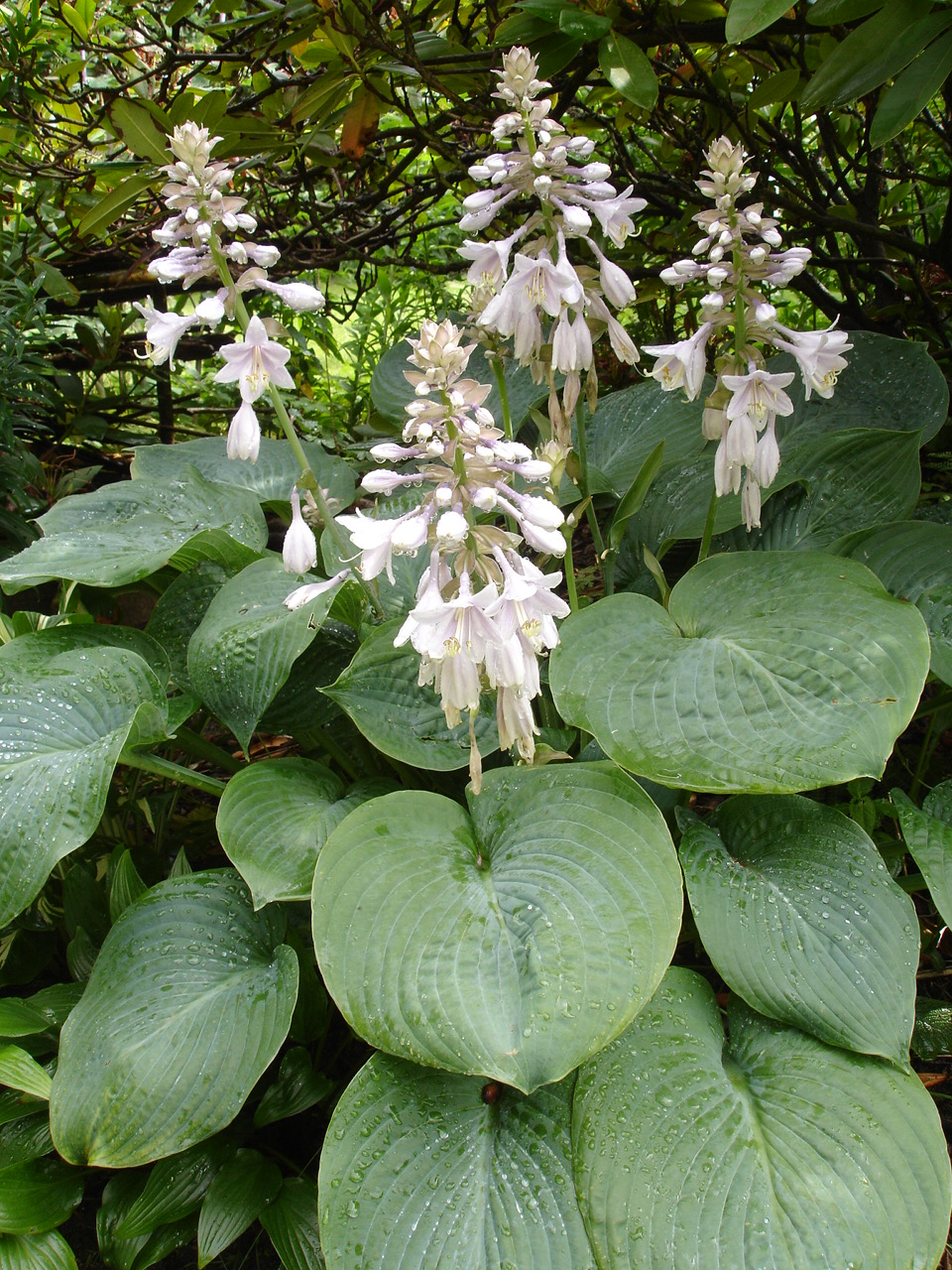
Featured Plants
Frequently Asked Questions
What temperatures define Zone 6?
USDA Zone 6 has average annual minimum temperatures of -10°F to 0°F (-23.3°C to -17.8°C). Zone 6a reaches -10°F to -5°F, while Zone 6b reaches -5°F to 0°F.
When is the last frost in Zone 6?
Typically mid-April, with first fall frost in mid-to-late October. This gives Zone 6 gardens a 6-7 month growing season — enough for most perennials and many vegetables.
Can I grow hydrangeas in Zone 6?
Yes! Most hydrangea varieties thrive in Zone 6, including bigleaf (macrophylla), panicle, smooth, and oakleaf types. Panicle hydrangeas are the most cold-hardy and reliable bloomers.
What's the difference between Zone 6a and 6b?
Zone 6a is slightly colder (-10°F to -5°F) while 6b is slightly warmer (-5°F to 0°F). In practice, most Zone 6 plants work in both sub-zones. The distinction matters most for borderline plants.