About This Collection
Zone 6 full sun is a unique combination: your plants need to survive winters that drop to -10°F while also thriving in summer heat with 6+ hours of direct sunlight. This eliminates many tender sun-lovers (too cold in winter) and many cold-hardy plants (prefer shade).
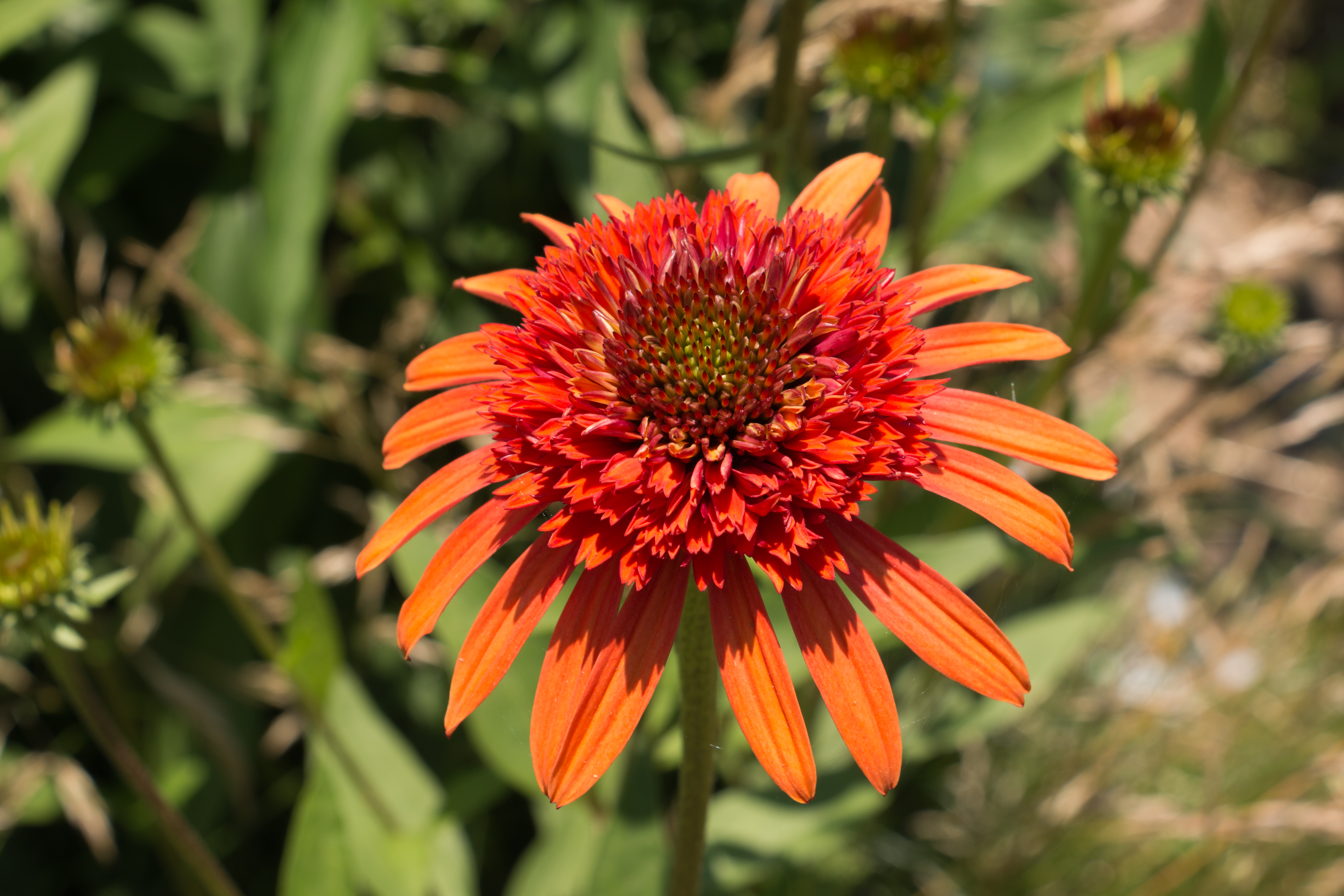
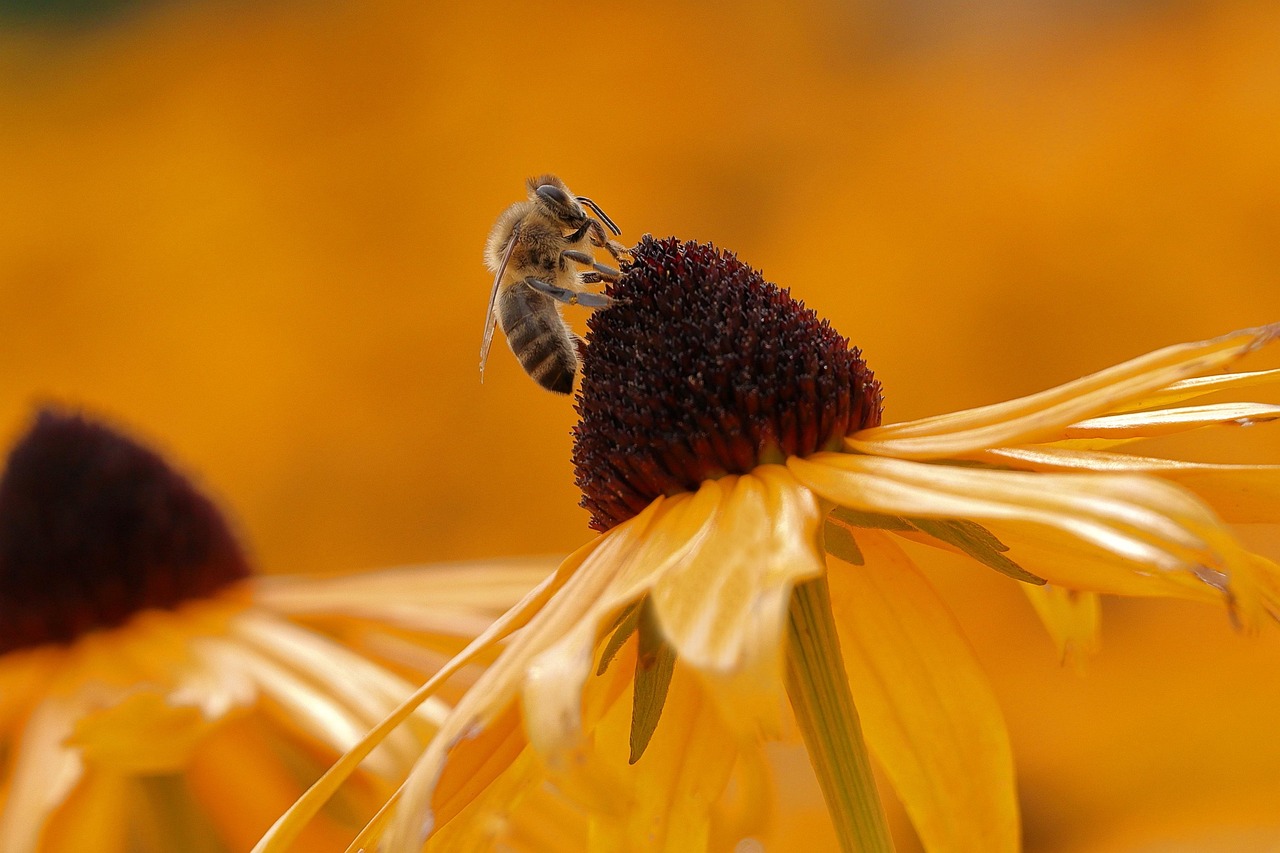
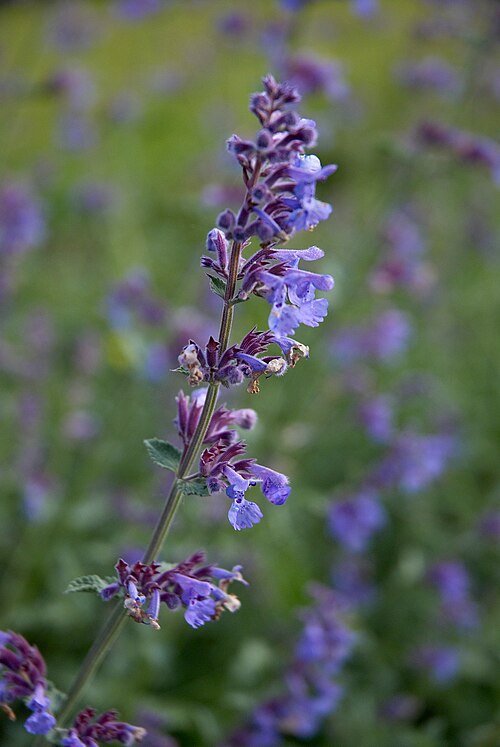
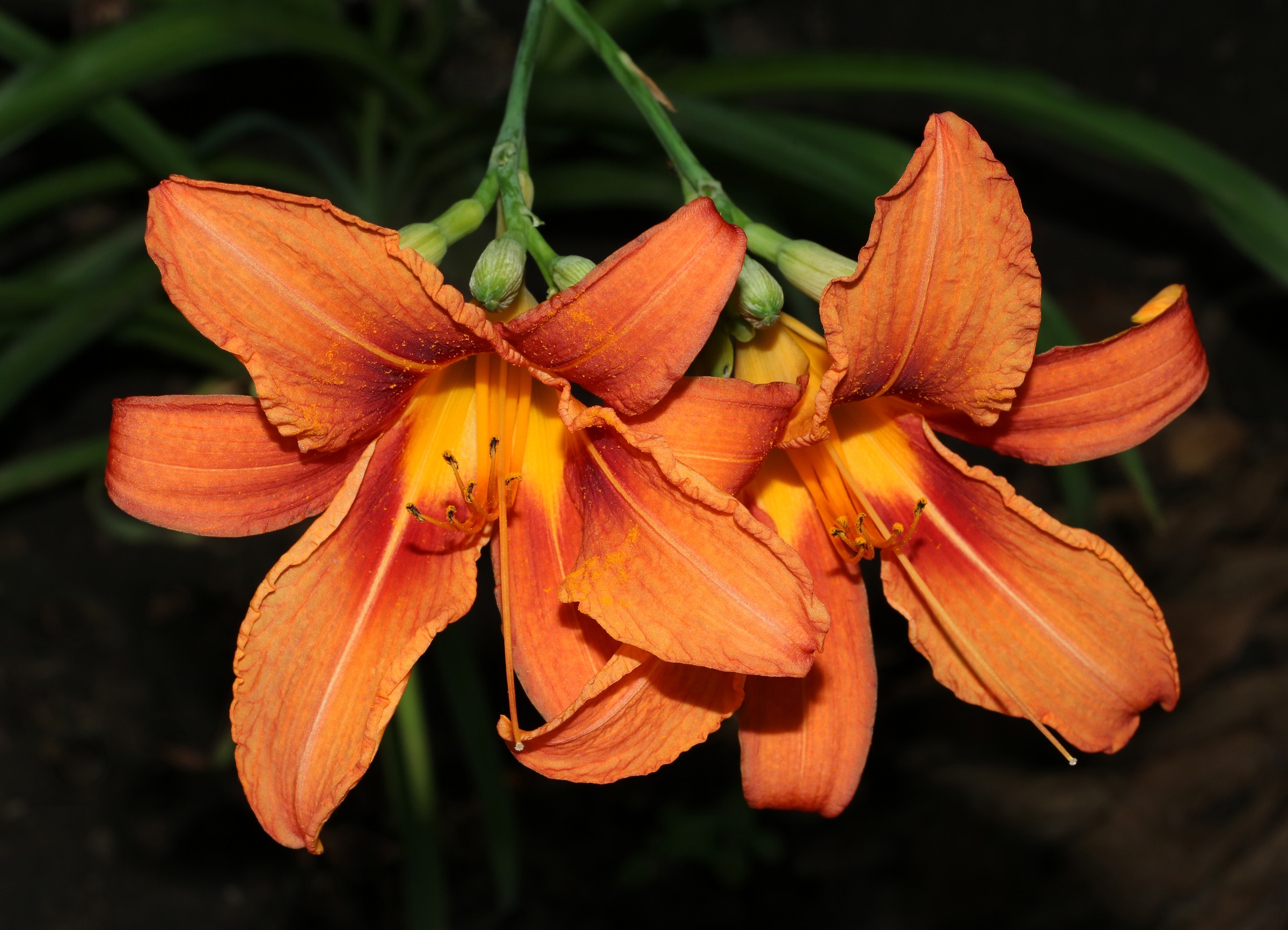
The sweet spot includes tough, sun-loving perennials like Coneflower (Echinacea), Black-Eyed Susan (Rudbeckia), Catmint (Nepeta), Daylilies, and Ornamental Grasses. These plants are built for the Zone 6 challenge: deep roots for winter survival and sun-loving foliage for summer performance.
PlantWise filters for this exact combination — Zone 6 hardy AND full sun tolerant — then lets you further narrow by deer resistance, pet safety, height, and maintenance level. Get a curated list of proven performers for your sunniest spots.
Find Zone 6 Full Sun Plants → or browse the interactive directory.
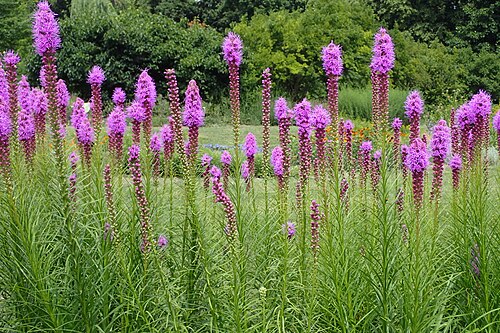
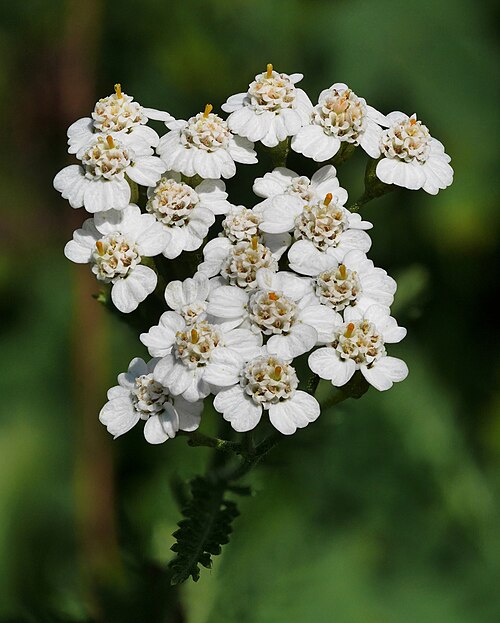
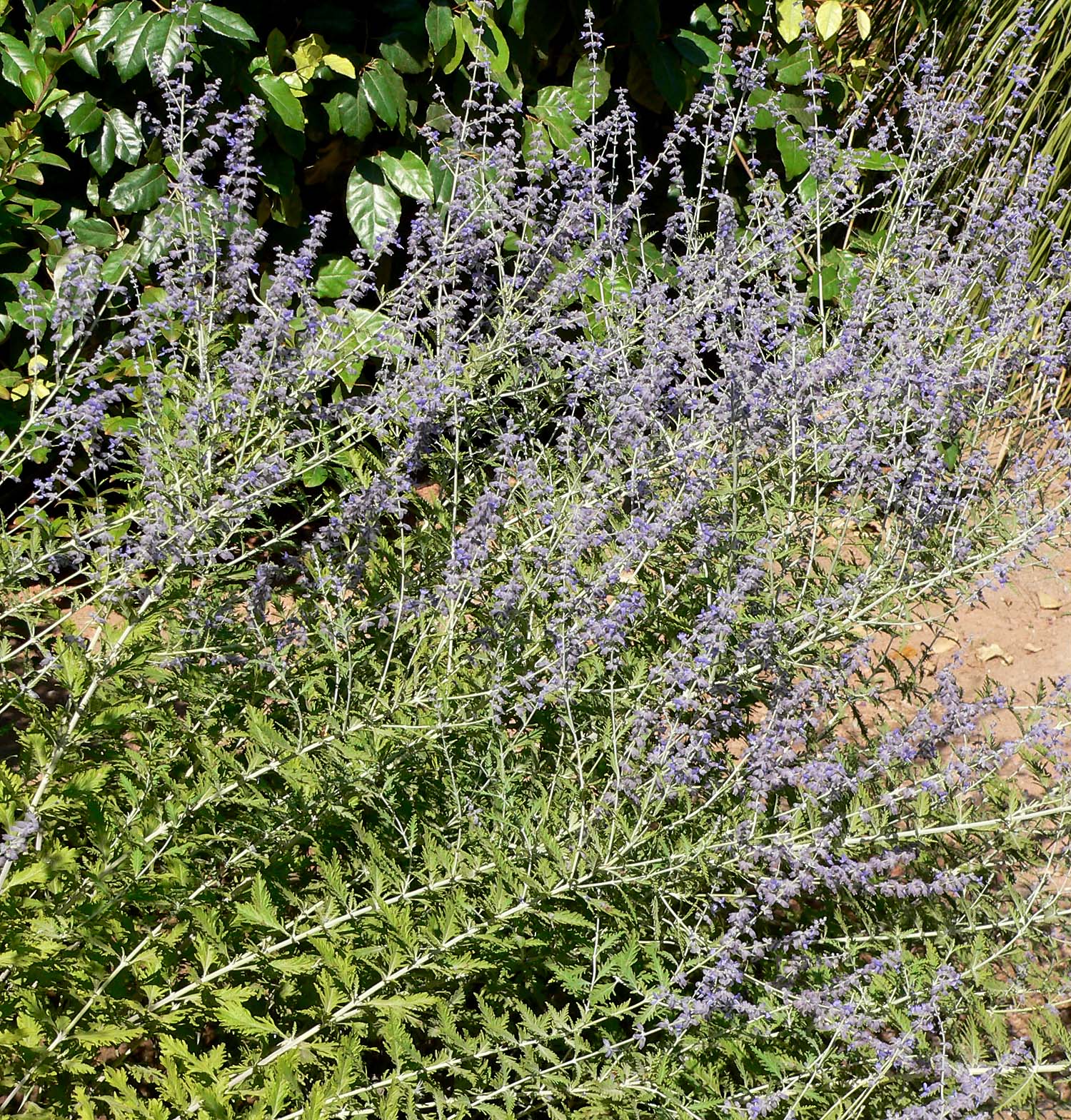
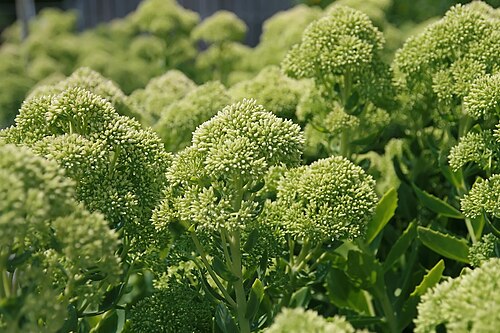
Featured Plants
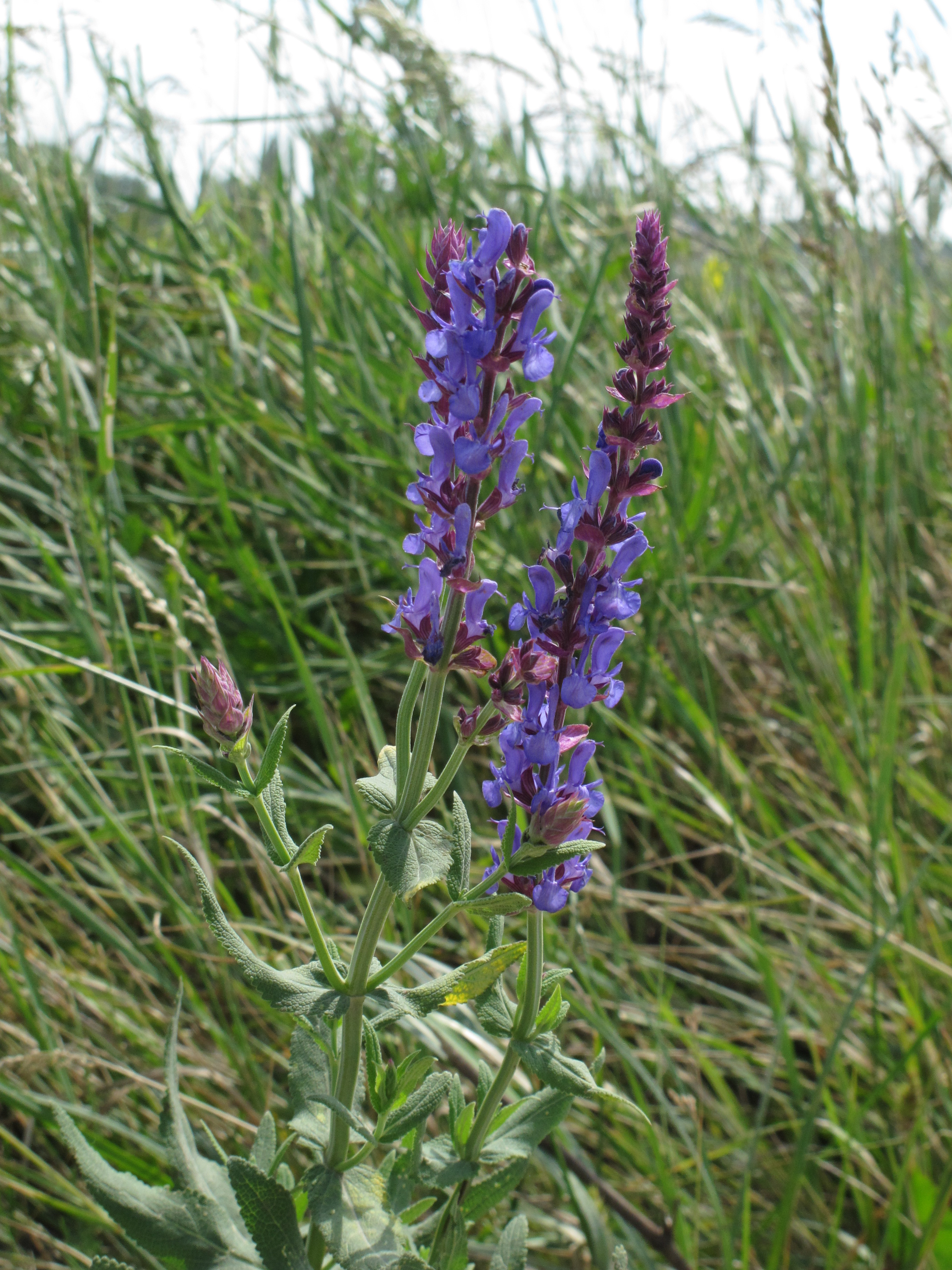
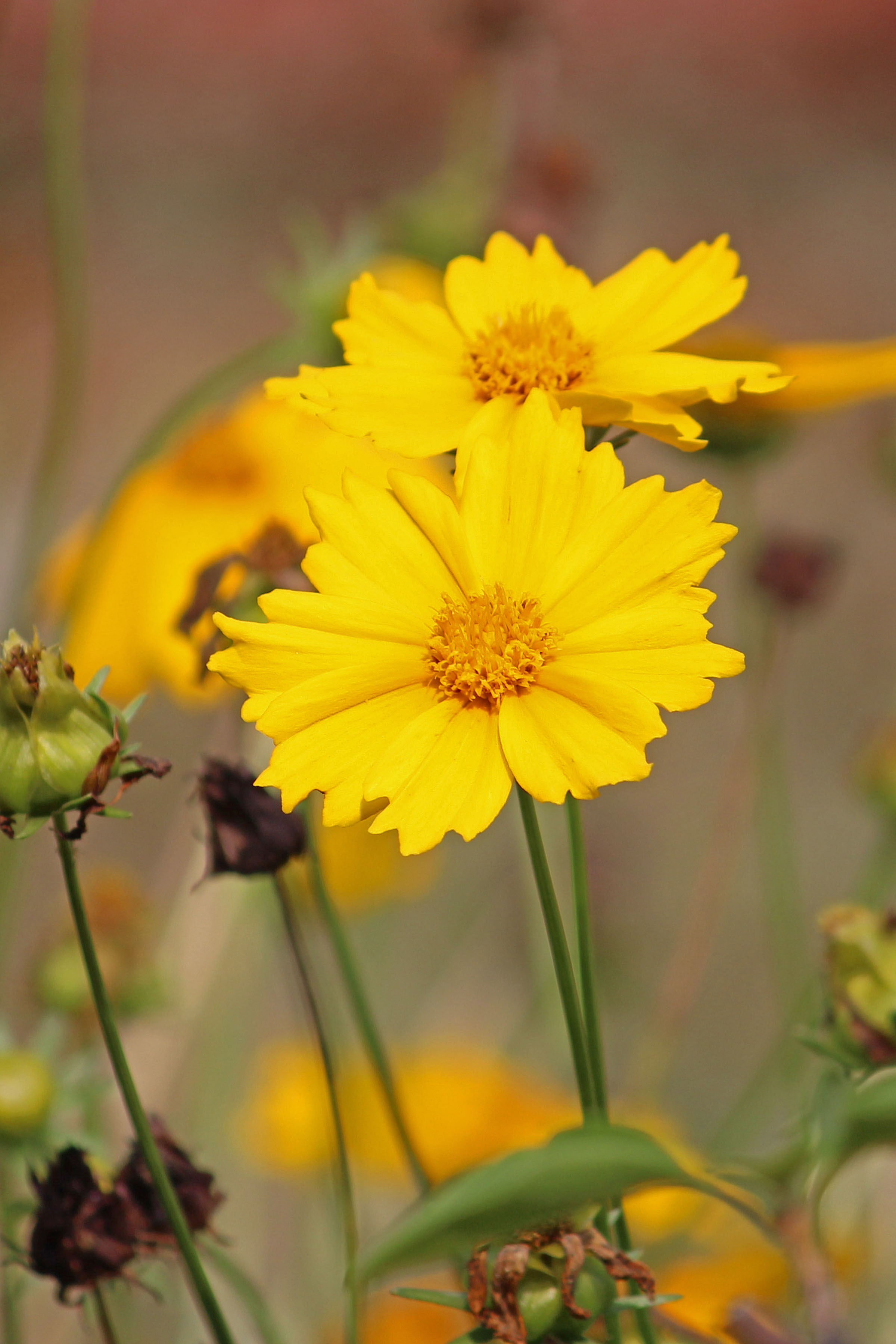
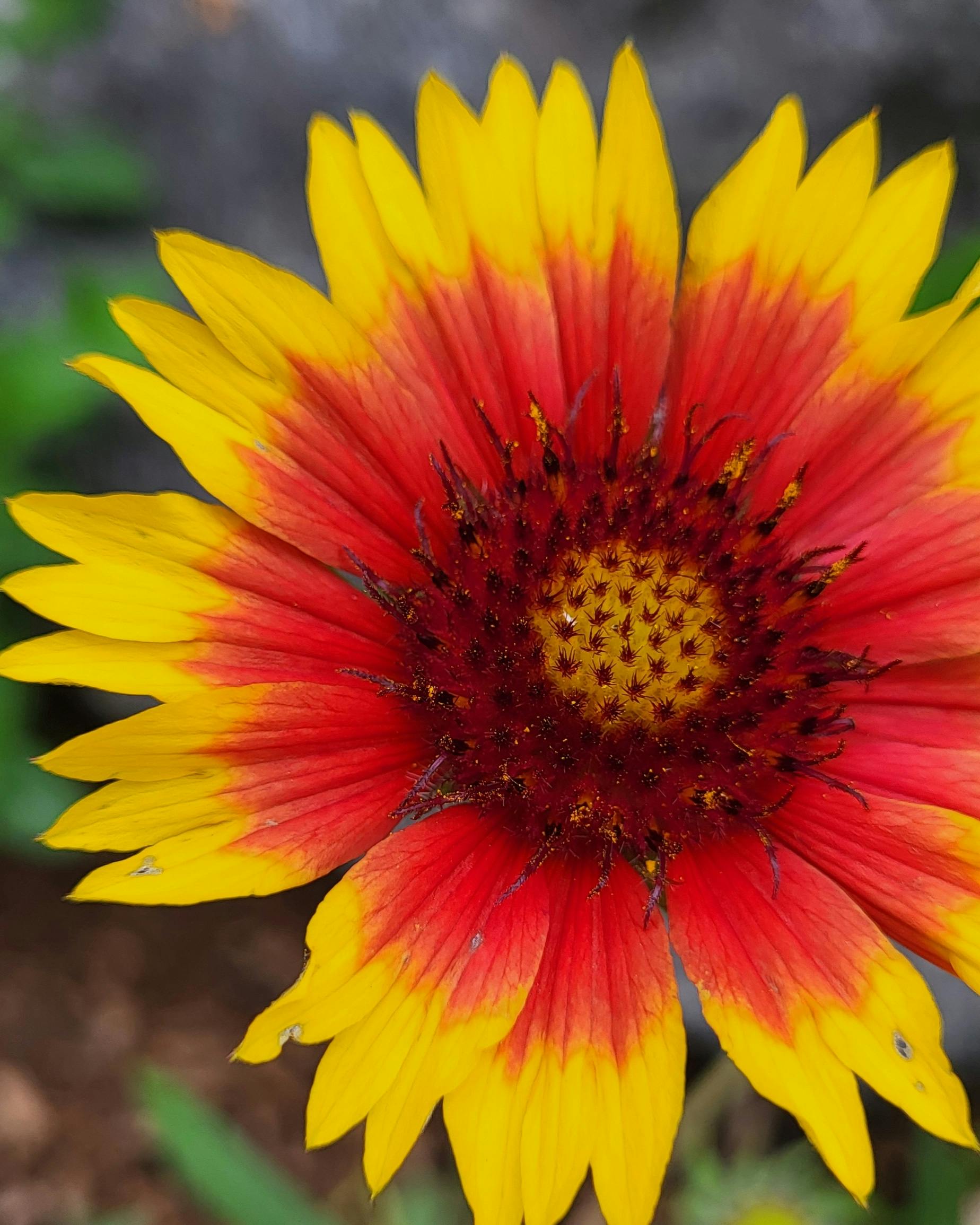
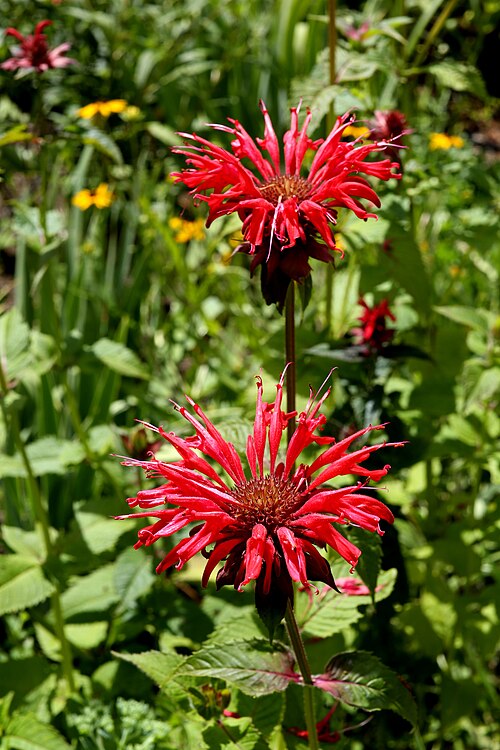
Frequently Asked Questions
What qualifies as 'full sun'?
Full sun means 6 or more hours of direct sunlight per day. This is typically south-facing or west-facing areas with no overhead tree canopy. Morning sun (east-facing) counts but is less intense than afternoon sun.
Will full sun plants survive Zone 6 winters?
Only if they're rated for Zone 6 hardiness. Many sun-loving plants (like Lantana or Mandevilla) are tropical and won't survive freezing temperatures. PlantWise only shows plants rated for Zone 6 winters.
Do full sun plants need more water?
Generally yes, especially during establishment and peak summer heat. However, many Zone 6 full sun plants (like Sedum, Lavender, and ornamental grasses) are drought-tolerant once established.
Can I mix full sun and part sun plants together?
Only if part of your bed gets afternoon shade. Place full sun plants in the brightest spots and part sun plants where they'll get some afternoon protection. Don't mix them in uniform full sun — the part sun plants will struggle.