About This Collection
Zone 9 encompasses some of the most ecologically rich native plant communities in North America. California's chaparral and coastal sage scrub, the Gulf Coast's longleaf pine savannas, and the Southeast's subtropical forests all fall within Zone 9 — each with a distinctive native flora adapted to local soils, rainfall patterns, and wildlife.
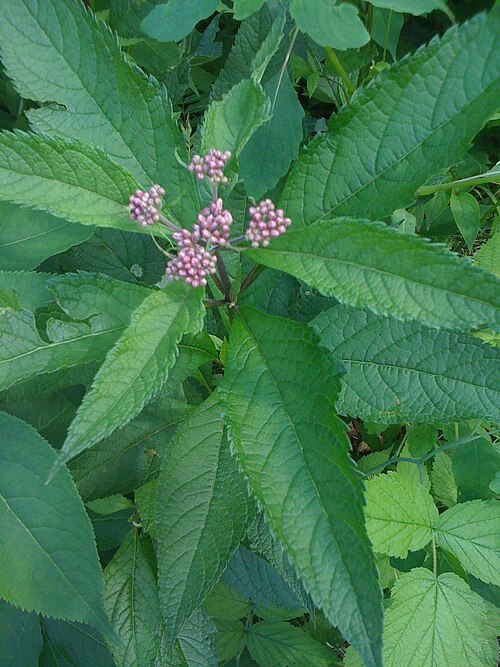
California Zone 9 natives include ceanothus (California lilac), native salvias, manzanita, toyon, native bunchgrasses, and California poppy. Gulf Coast and Southeast Zone 9 natives include muhly grass, beautyberry, native azaleas, and longleaf pine understory plants. Both communities support extraordinary biodiversity.
PlantWise filters for Zone 9 hardiness and native origin, giving you a curated list of ecologically valuable plants matched to your specific climate region within Zone 9.
Find Native Zone 9 Plants → or browse the interactive directory.
Featured Plants

Frequently Asked Questions
What are the best California native plants for Zone 9?
Top California Zone 9 natives include ceanothus (California lilac), native salvias (Salvia apiana, S. leucantha), manzanita, toyon, California poppy, and native bunchgrasses like purple needlegrass. These plants are drought-tolerant, deer-resistant, and support native pollinators.
What are the best Gulf Coast native plants for Zone 9?
Top Gulf Coast Zone 9 natives include muhly grass (Muhlenbergia capillaris), American beautyberry (Callicarpa americana), native azaleas, yaupon holly, and native asters. These support the rich biodiversity of the Southeast's native ecosystems.
Are Zone 9 native plants drought-tolerant?
California Zone 9 natives are highly drought-tolerant — they evolved in a summer-dry, winter-wet climate. Gulf Coast and Southeast Zone 9 natives are adapted to summer humidity and may need supplemental water during dry periods. Always match natives to your specific regional climate within Zone 9.
Where can I buy Zone 9 native plants?
Look for native plant nurseries that source from local ecotypes — plants grown from seeds collected in your region. California Native Plant Society (CNPS) chapters hold annual sales. The Lady Bird Johnson Wildflower Center's native plant database lists regional nurseries. Avoid big-box store natives, which are often grown from generic seed sources.