About This Collection
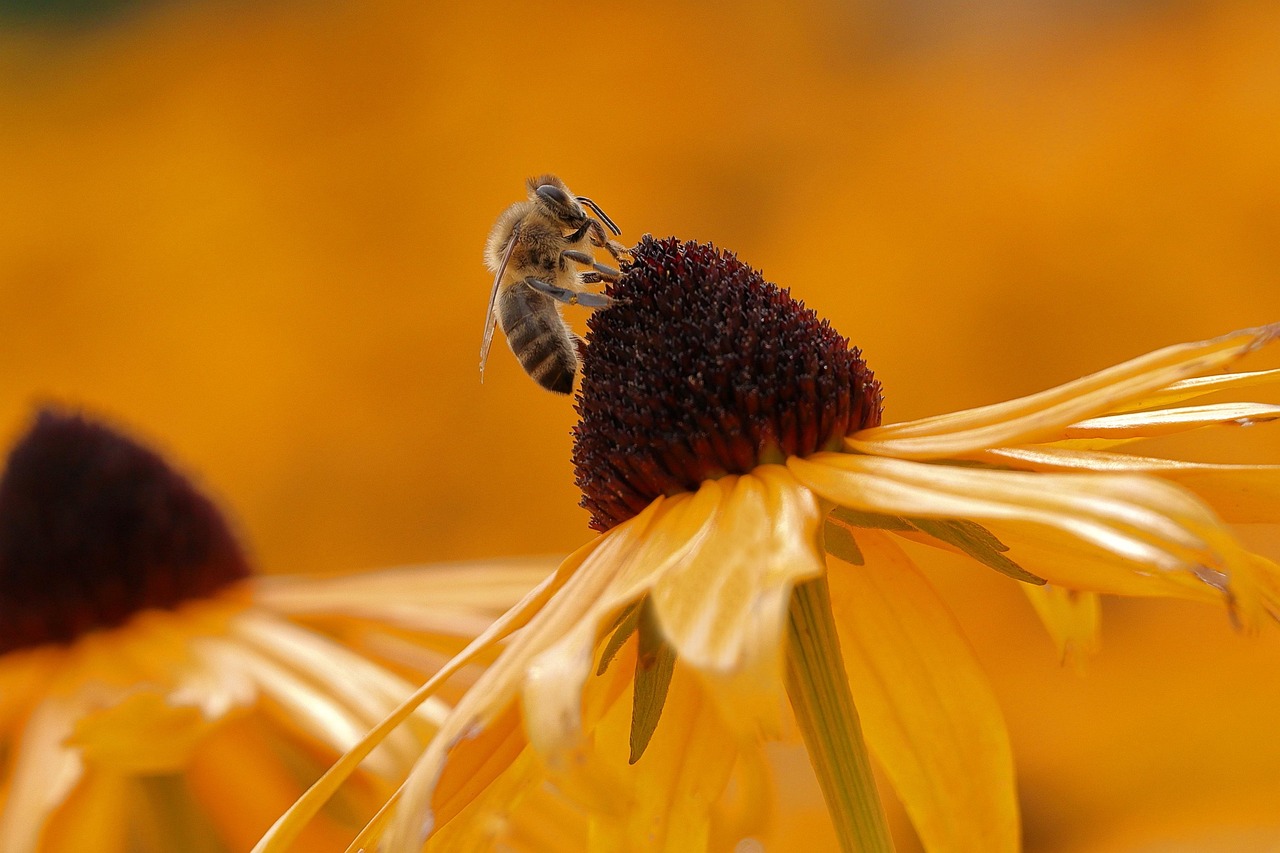
Zone 9 is one of the most biodiverse regions in North America for pollinators. Southern California alone hosts over 1,600 native bee species — more than any other region in the US. The Gulf Coast and Southeast Zone 9 areas support monarch butterfly migration corridors and year-round hummingbird populations.
The key to a Zone 9 pollinator garden is providing bloom from late winter through fall. Early bloomers like ceanothus and native currant support bees emerging in February. Summer salvias, agastache, and native milkweed support monarchs and native bees through the hot months. Fall-blooming asters and goldenrod provide critical late-season resources.
PlantWise filters for Zone 9 hardiness and pollinator value, helping you build a garden that supports native bees, butterflies, and hummingbirds across the entire growing season.
Find Pollinator Plants for Zone 9 → or browse the interactive directory.
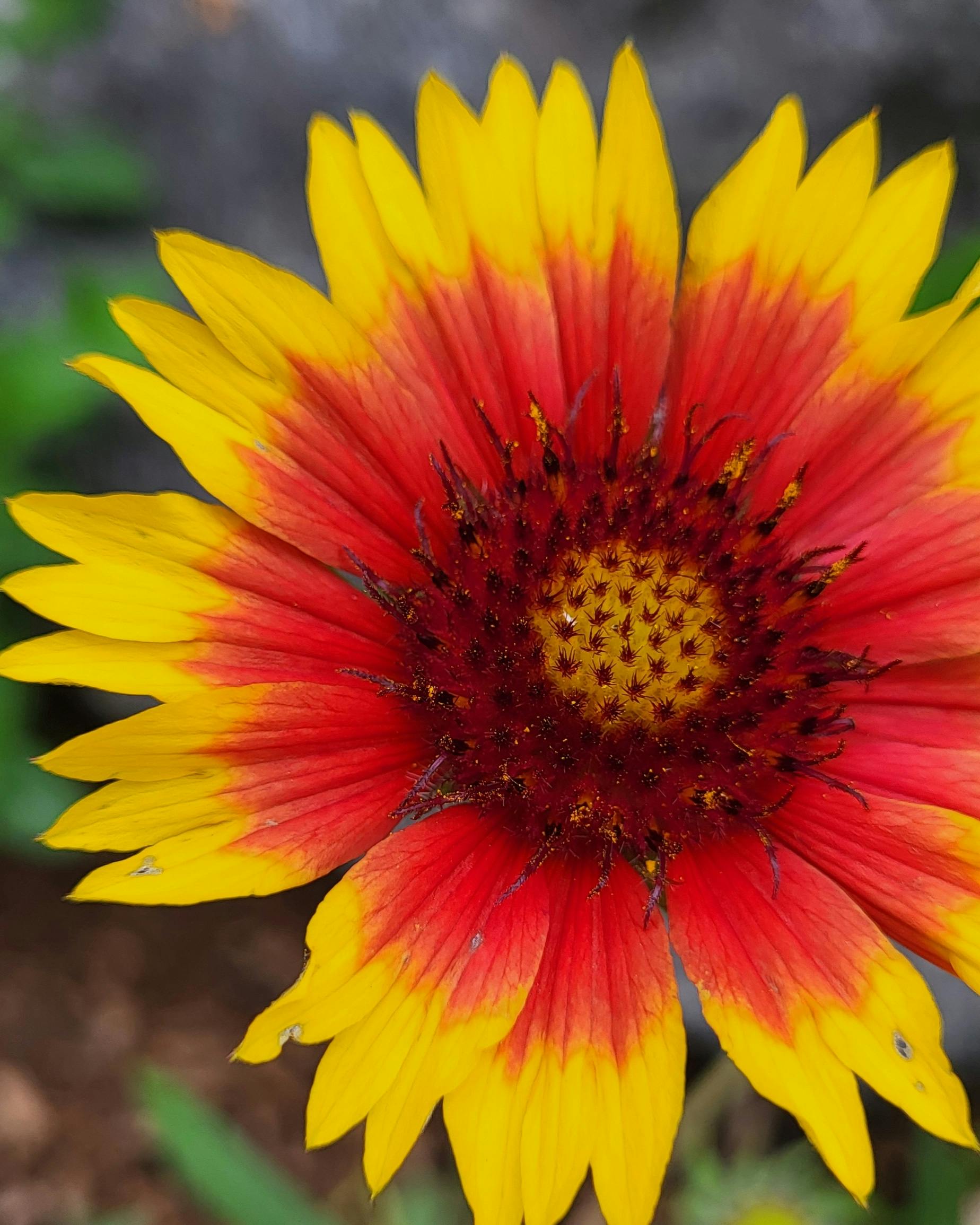
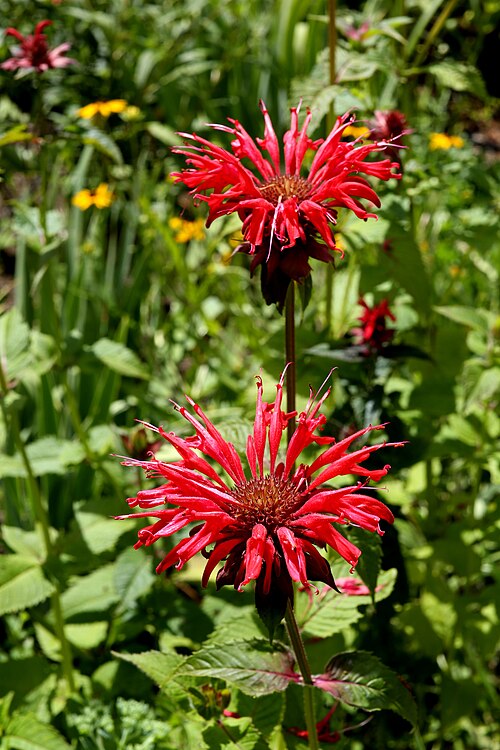
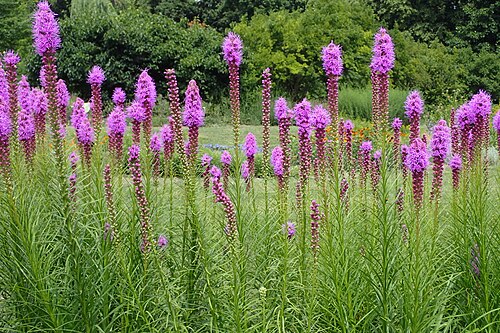
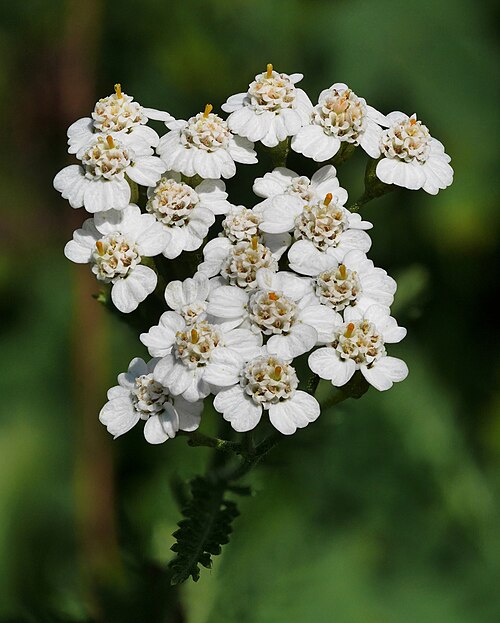
Featured Plants
Frequently Asked Questions
What Zone 9 plants attract the most bees?
Top Zone 9 bee plants include native salvias (Salvia apiana, S. mellifera), ceanothus, native buckwheat (Eriogonum), phacelia, and lavender. California native plants are especially valuable because they co-evolved with native bee species.
How do I attract monarch butterflies in Zone 9?
Plant native milkweed (Asclepias californica, A. fascicularis in California; A. tuberosa in the Southeast) as the monarch caterpillar host plant. Add nectar sources like native asters, goldenrod, and zinnias for adult monarchs.
What Zone 9 plants attract hummingbirds?
Hummingbirds are attracted to tubular red and orange flowers: native salvias, penstemon, monkeyflower, cape honeysuckle, and agastache. In Zone 9, Anna's hummingbirds are year-round residents and will visit winter-blooming plants like aloe and native currant.
When should I plant a Zone 9 pollinator garden?
Fall (September–November) is the ideal planting time in Zone 9. Cooler temperatures and winter rains help plants establish strong root systems before summer heat. Spring planting works too but requires more irrigation through the first summer.