About This Collection
Perennials are the backbone of any established garden — plant them once and they return year after year, growing larger and more impressive with each season. Unlike annuals that die after one growing season, perennials develop deep root systems that survive winter dormancy and emerge stronger each spring.
The key to perennial success is matching the plant to your USDA hardiness zone. A perennial rated for Zones 5-9 will reliably return in those climates, but may die in Zone 4 winters or struggle in Zone 10 heat. Your zone determines which perennials are truly 'plant and forget' versus which need special protection.
PlantWise filters our perennial collection by your exact zone, sun exposure, and preferences. Whether you want low-maintenance groundcovers, tall border plants, or continuous-bloom combinations, we'll match you with perennials proven to thrive and return in your specific climate.
Find Perennials for My Zone → or browse the interactive directory.
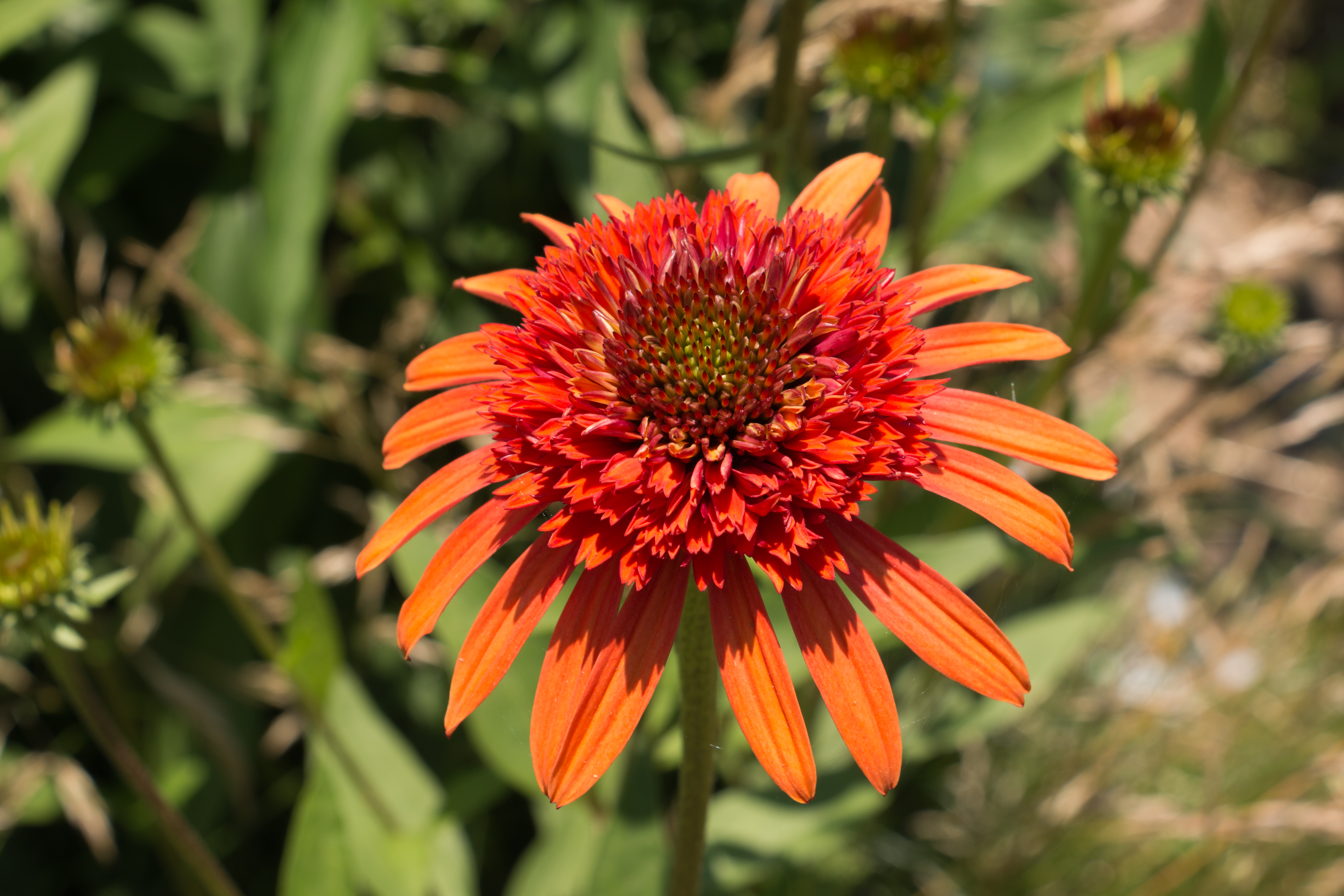
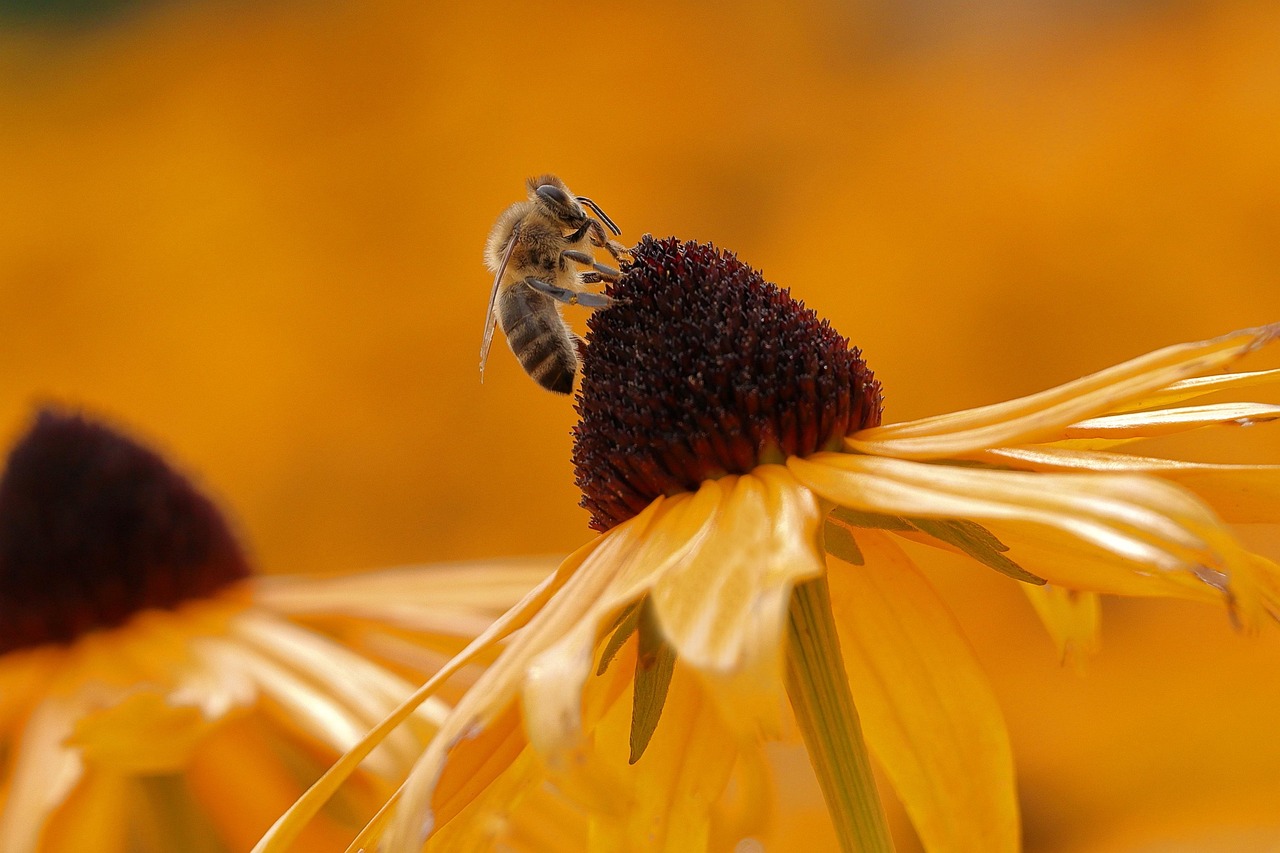
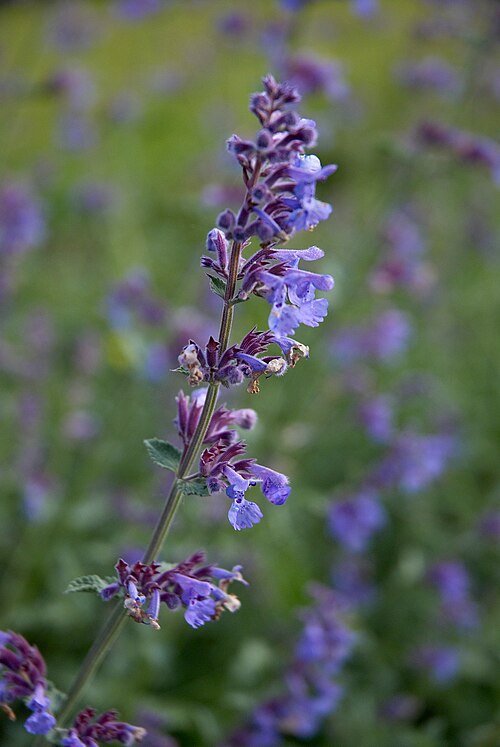
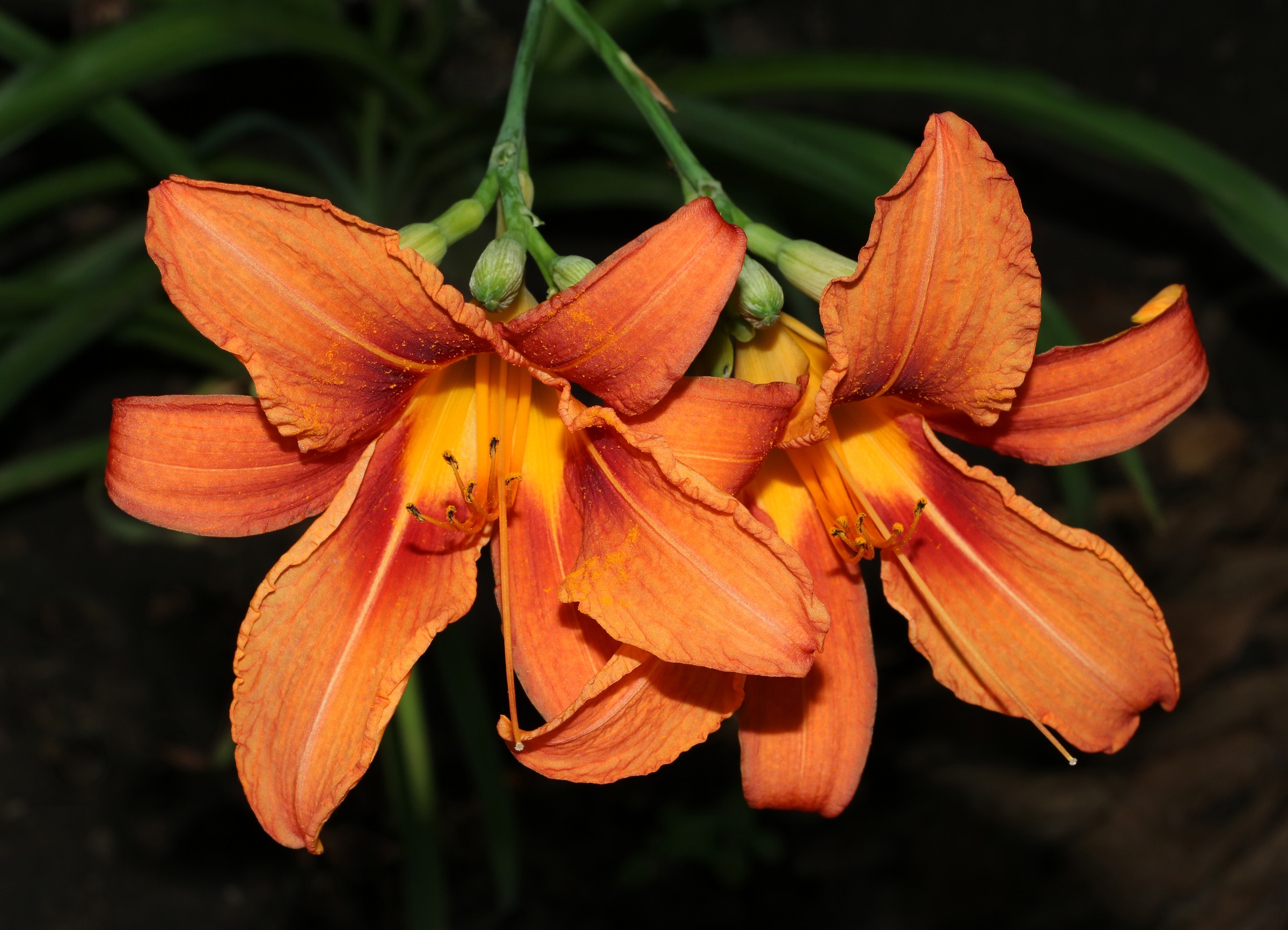
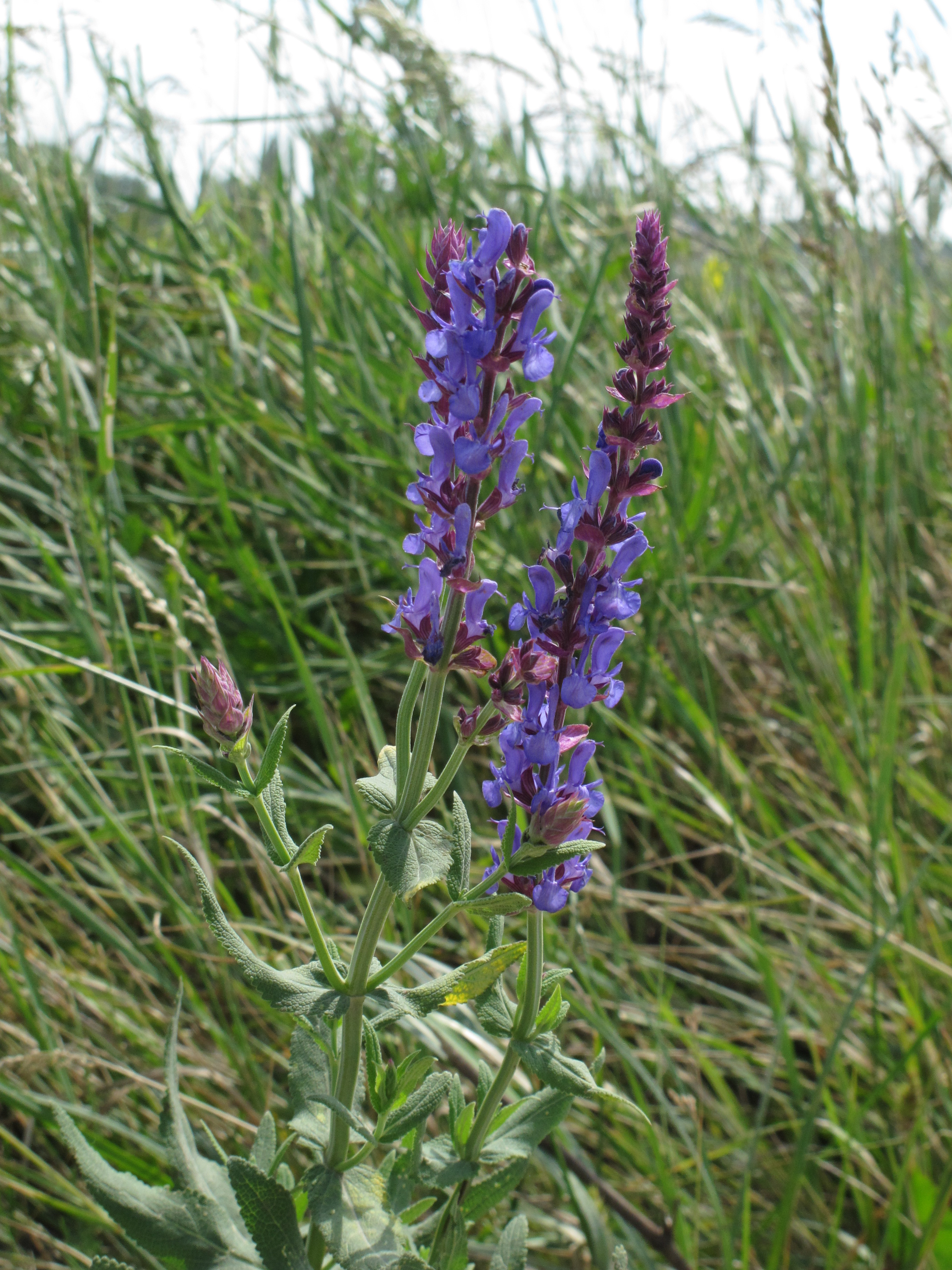
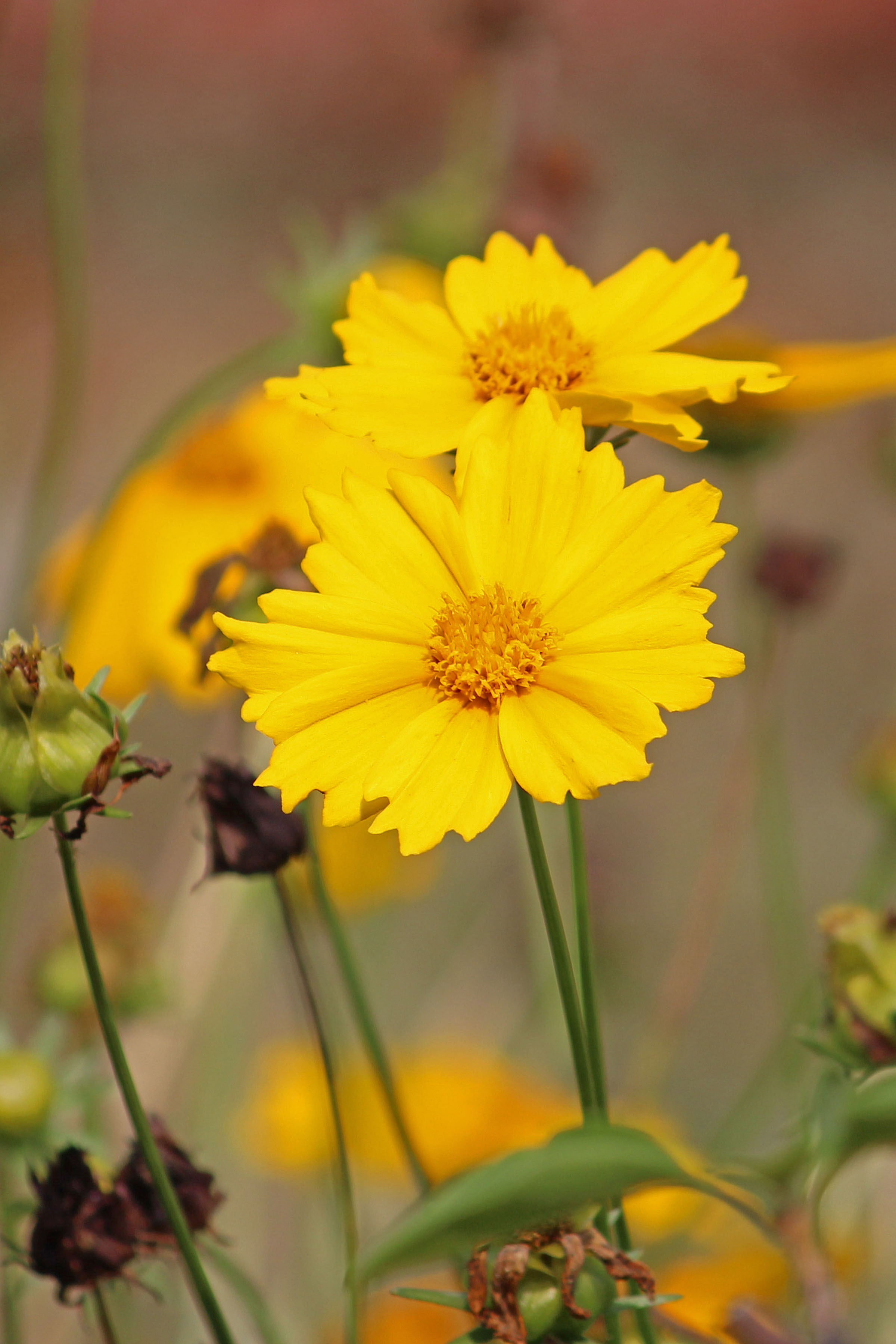
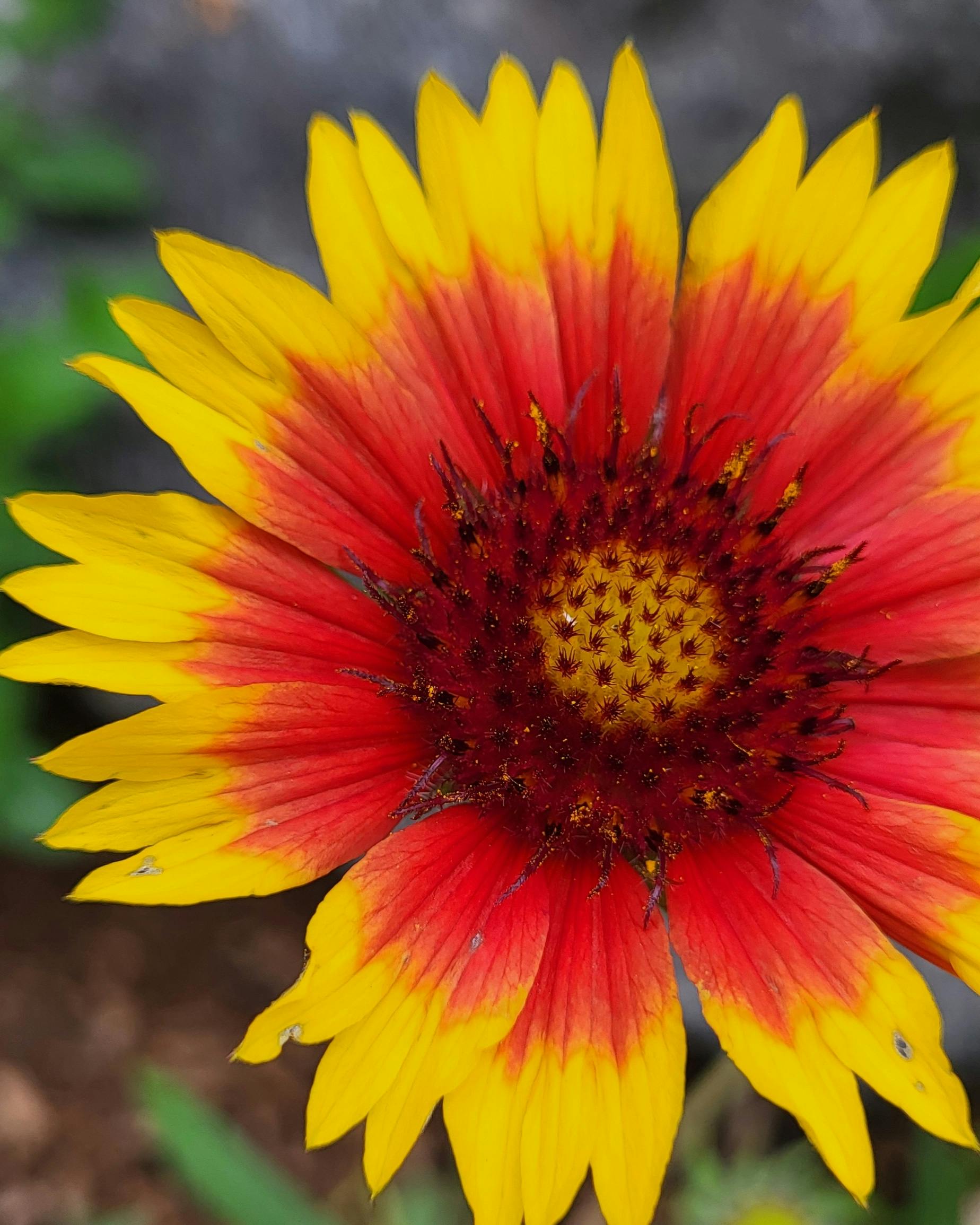
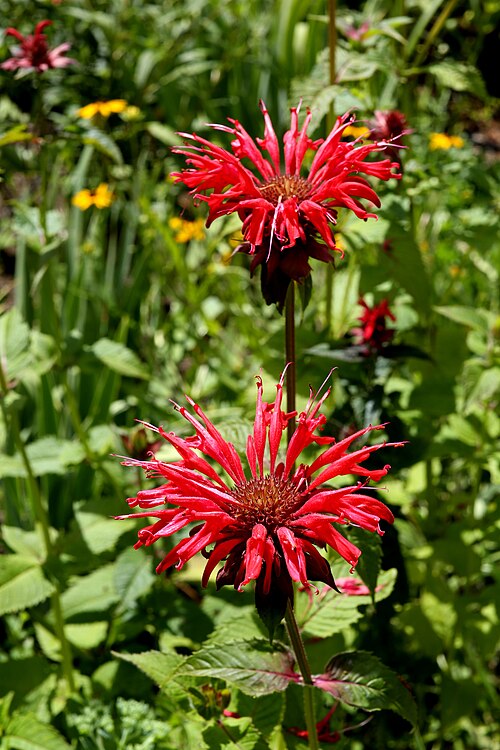
Featured Plants
Frequently Asked Questions
What's the difference between perennials and annuals?
Perennials live for 3+ years, dying back to the ground in winter and regrowing from their roots each spring. Annuals complete their entire life cycle in one season and must be replanted yearly. Perennials cost more upfront but save money long-term.
Do perennials bloom all summer?
Most individual perennials bloom for 2-6 weeks. For continuous color, plant a succession of perennials that bloom at different times — early spring (hellebores), late spring (peonies), summer (coneflowers), and fall (asters).
How long do perennials take to establish?
Most perennials follow the rule: 'First year they sleep, second year they creep, third year they leap.' Expect modest growth in year one, filling in by year two, and full maturity by year three.
Should I cut perennials back in fall?
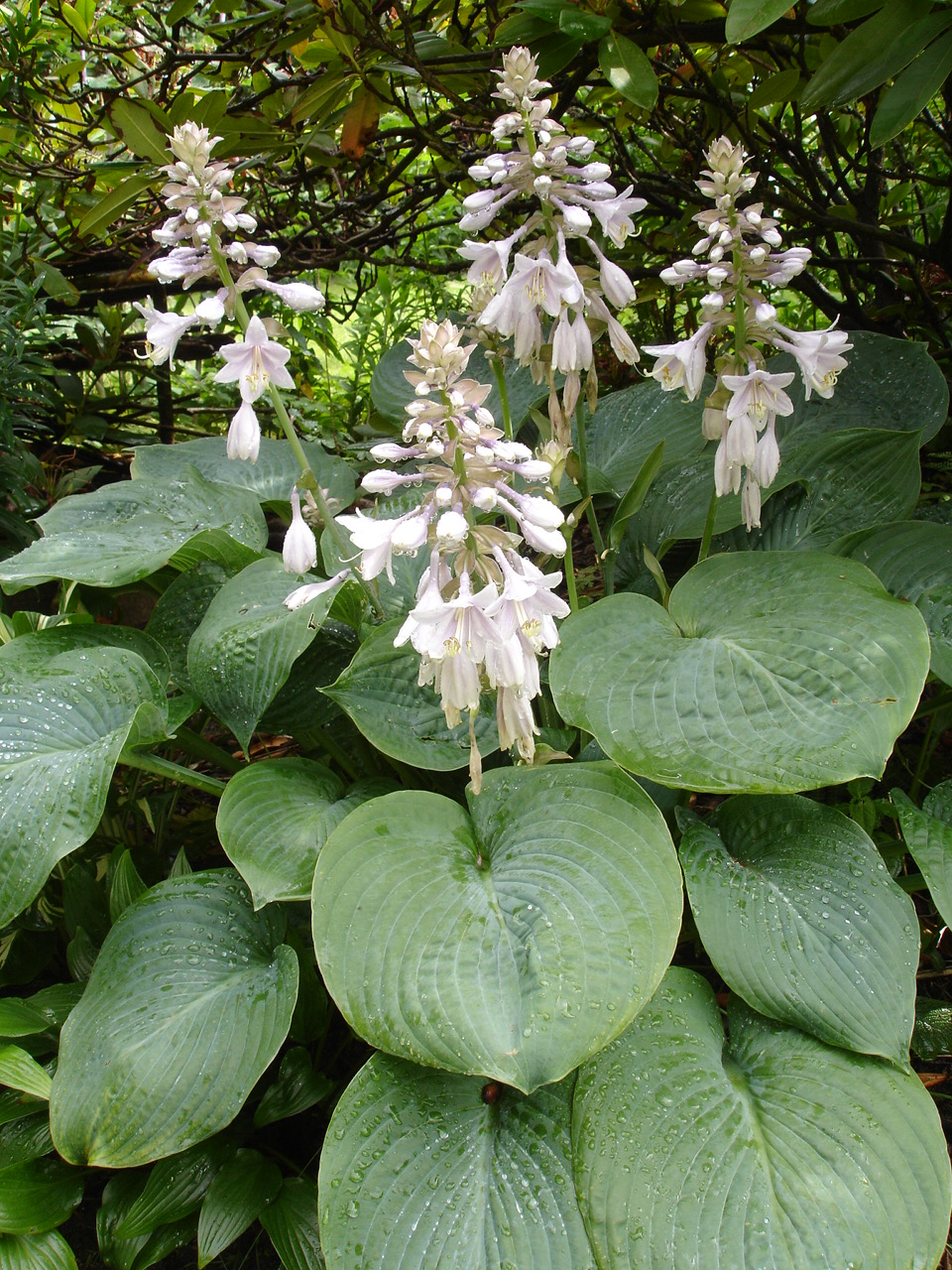
It depends on the plant. Some (like hostas) should be cut back after frost. Others (like ornamental grasses and coneflowers) provide winter interest and bird food — leave them until early spring cleanup.