About This Collection
Zone 9 gardens are outdoor living spaces — and if you have dogs or cats, plant safety matters as much as aesthetics. Many popular Zone 9 plants, including bougainvillea, lantana, and sago palm, are toxic to pets. Choosing pet-safe alternatives lets you create a beautiful warm-climate garden without worrying about your animals.
Pet-safe Zone 9 plants include many California natives (ceanothus, native grasses, salvia), Mediterranean herbs (rosemary, basil, thyme), and ornamental grasses. These plants thrive in Zone 9's heat and drought while posing minimal risk to curious dogs and cats.
PlantWise cross-references ASPCA toxicity data with Zone 9 hardiness to surface plants that are both pet-friendly and climate-appropriate. Always consult your veterinarian if you suspect your pet has ingested any plant.
Find Pet-Safe Zone 9 Plants → or browse the interactive directory.
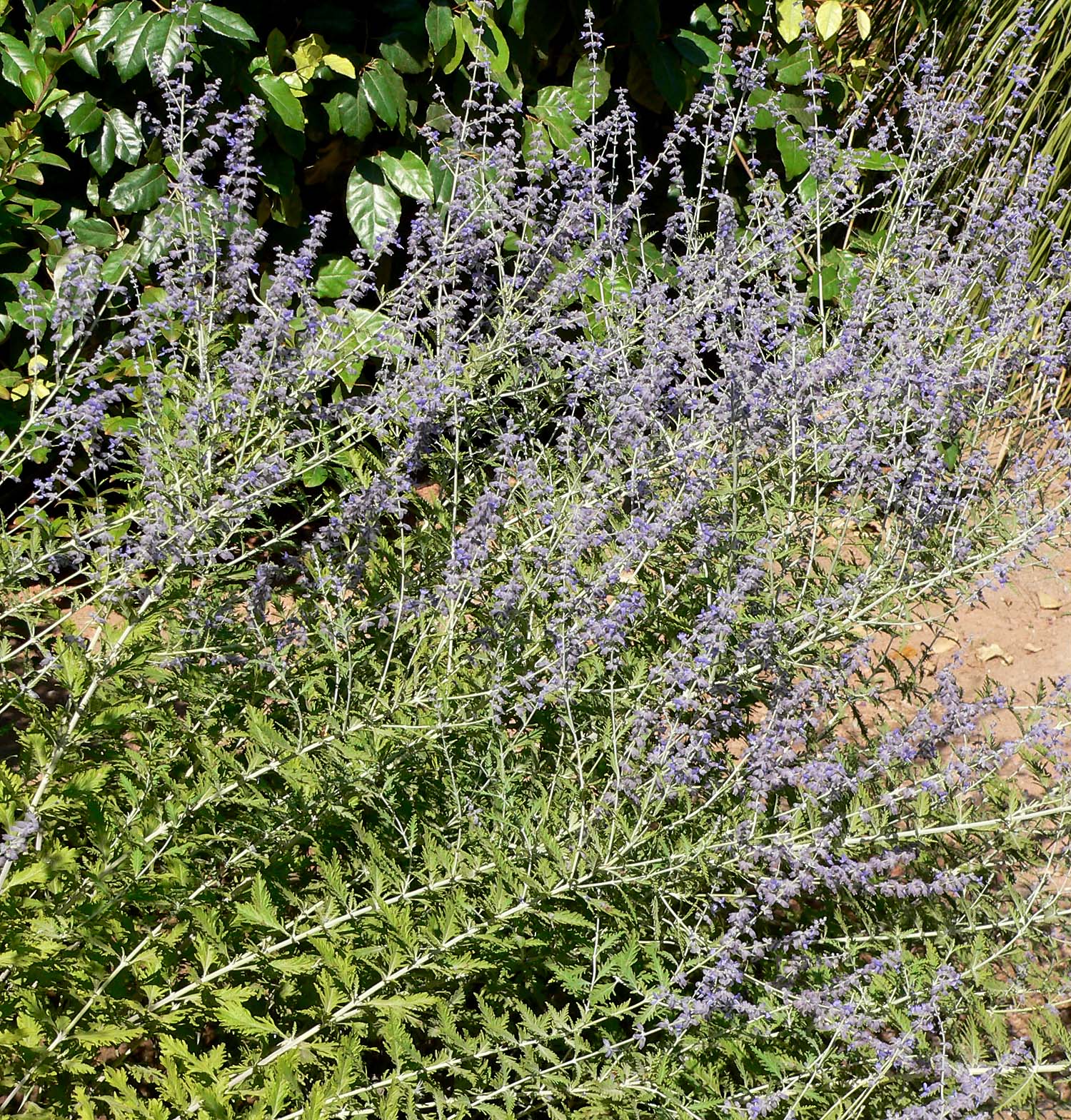
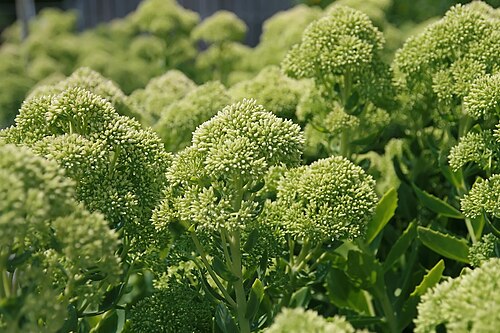
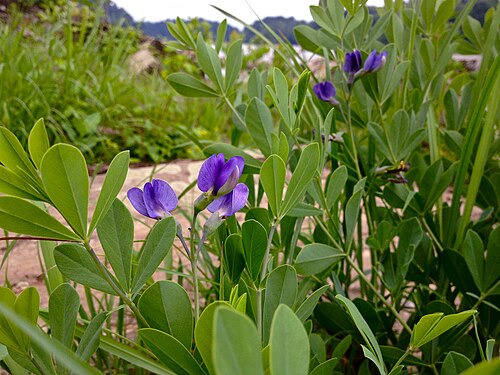
Featured Plants

Frequently Asked Questions
What Zone 9 plants are toxic to dogs and cats?
Common toxic Zone 9 plants include sago palm (extremely toxic), lantana, bougainvillea (mildly toxic), oleander (highly toxic), and bird of paradise. Always check ASPCA toxicity data before planting if you have pets.
What does 'pet-safe' mean on PlantWise?
PlantWise uses 'not listed as toxic' language based on ASPCA data. This means the plant is not on the ASPCA's toxic plant list for dogs or cats. It does not mean the plant is completely safe — individual animals may have sensitivities. Always consult your vet if concerned. ASPCA hotline: 888-426-4435.
Are California native plants safe for pets?
Many California natives are not listed as toxic to pets: native grasses, ceanothus, and many salvias. However, some natives like lupine can be toxic. Always verify individual species with ASPCA data before planting in a pet-accessible area.
What groundcovers are pet-safe in Zone 9?
Pet-safe Zone 9 groundcovers include creeping thyme, native sedges, and many ornamental grasses. Avoid mondo grass (mildly toxic to dogs) and English ivy (toxic). Native groundcovers are often the safest choice.