About This Collection
Zone 5 gardeners can create thriving pollinator habitats despite cold winters. Native bees, monarch butterflies, and other pollinators are adapted to cold climates — they overwinter as eggs, pupae, or adults in leaf litter, hollow stems, and soil. Your Zone 5 garden can support them from first bloom in April through last flowers in October.
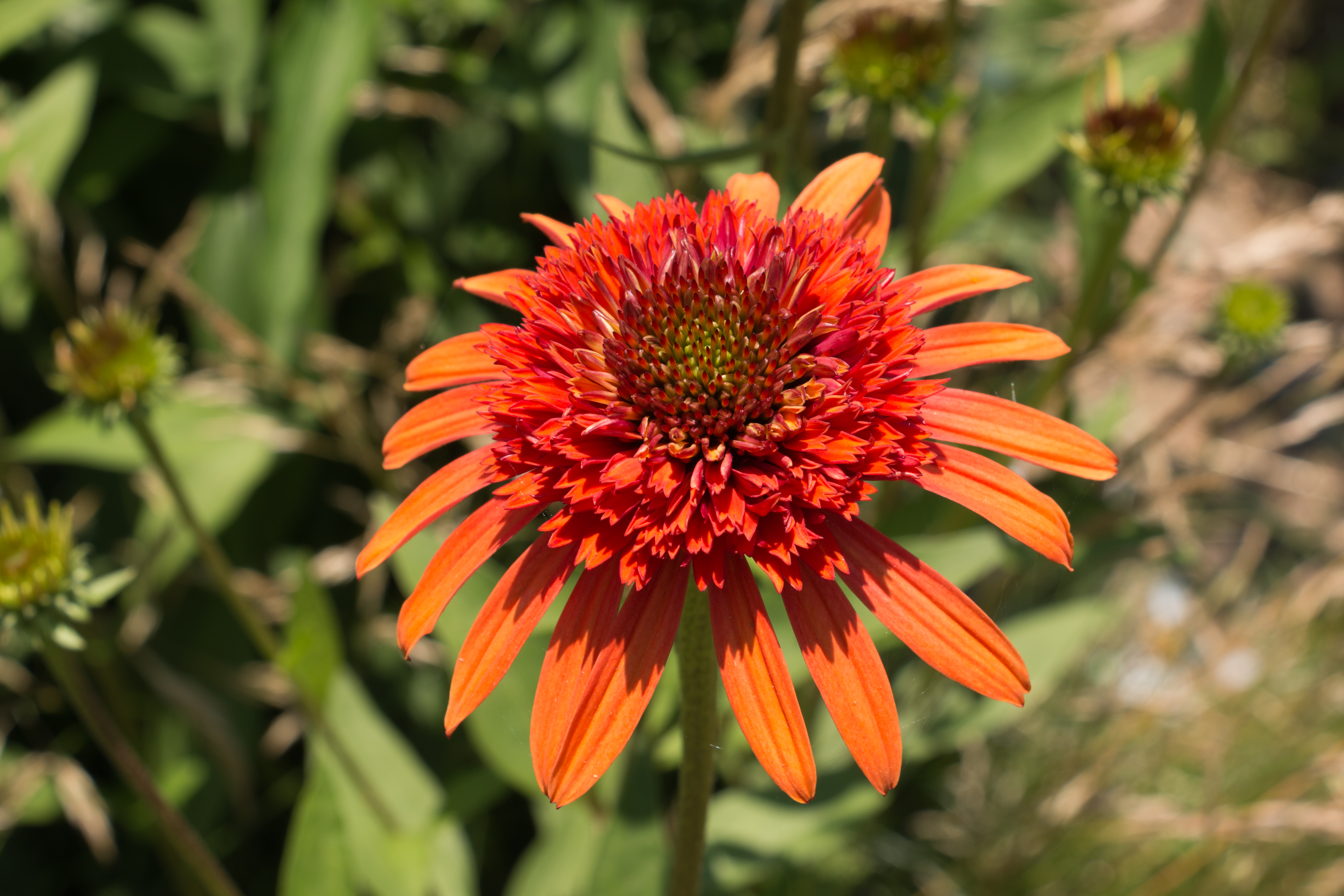
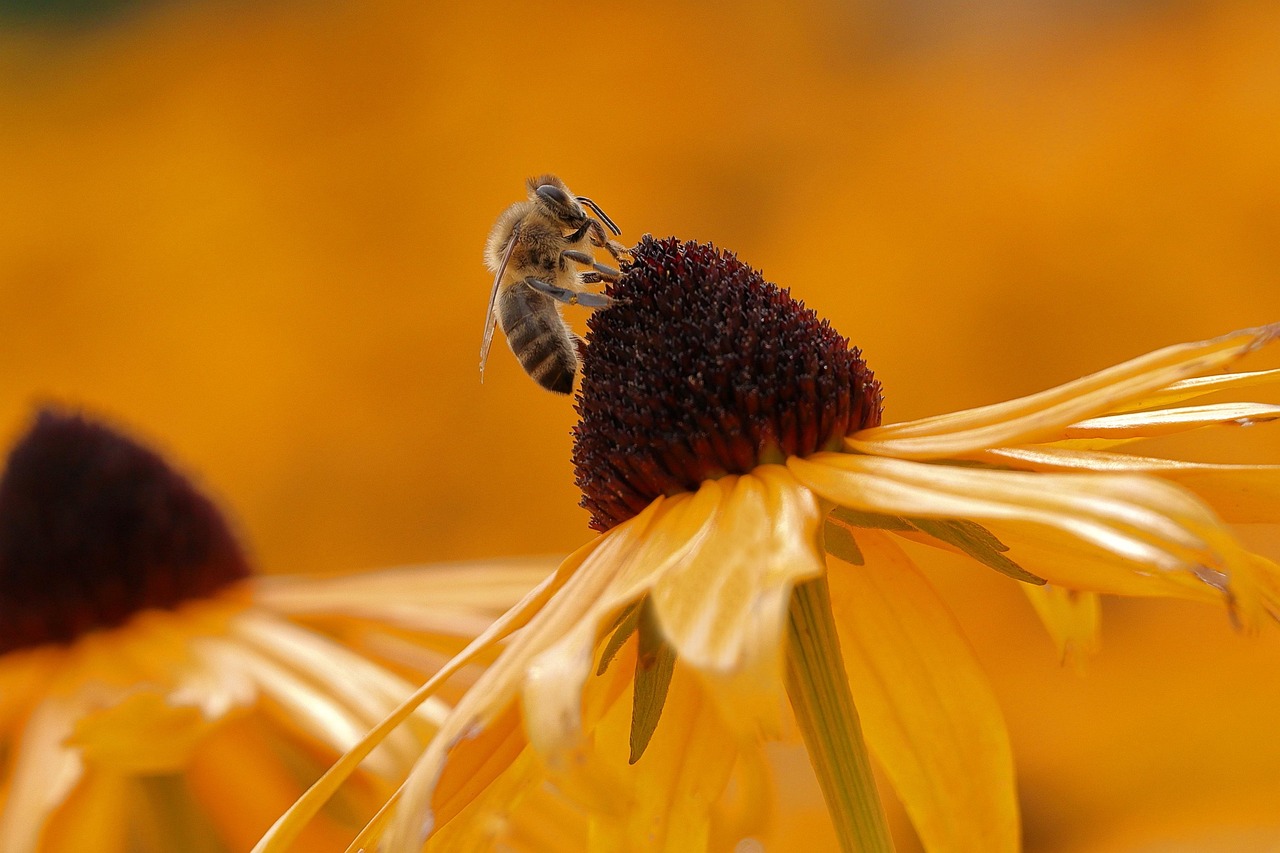
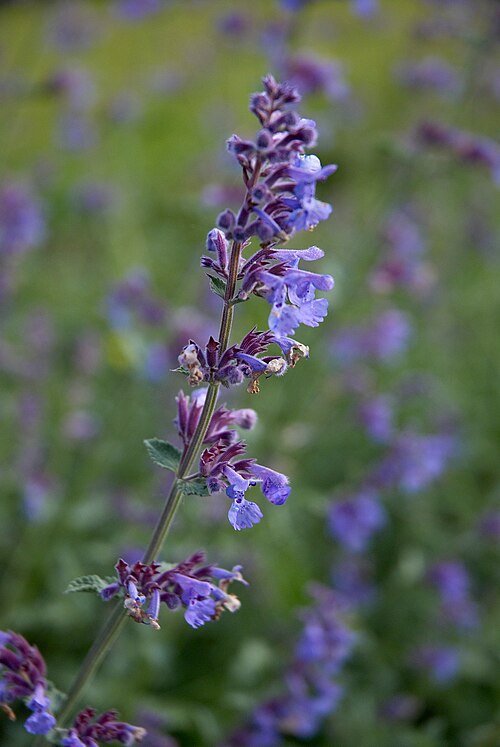
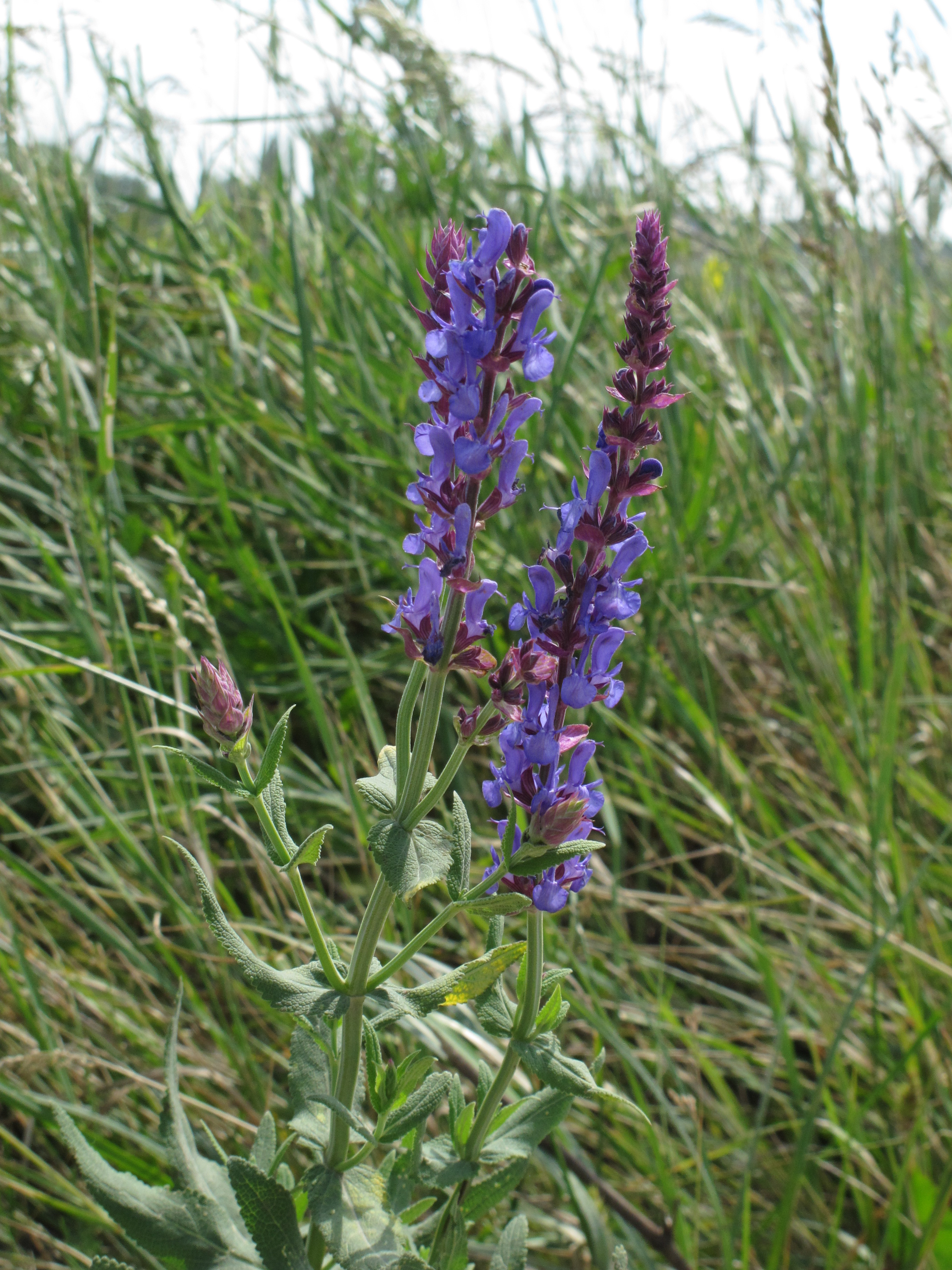
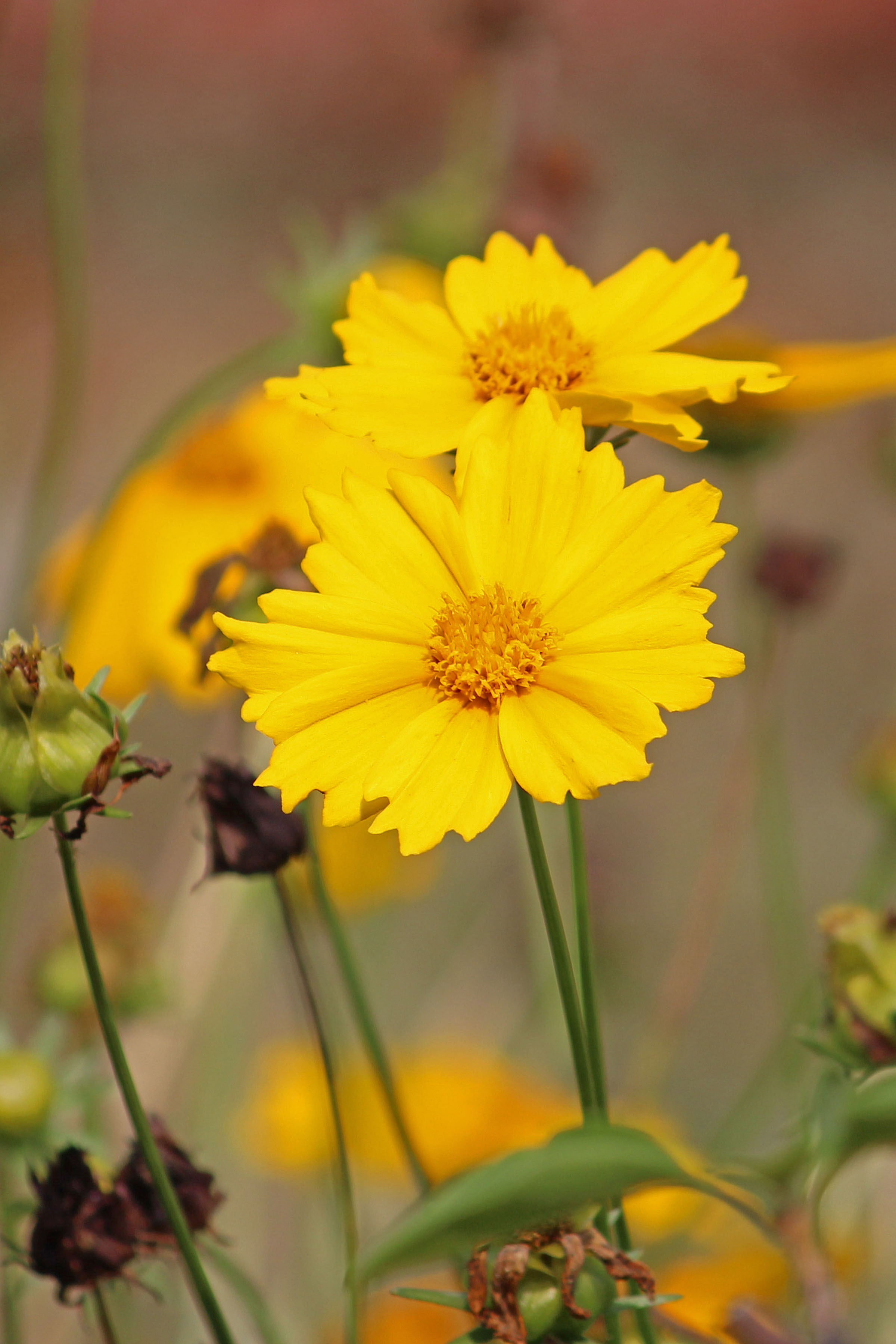
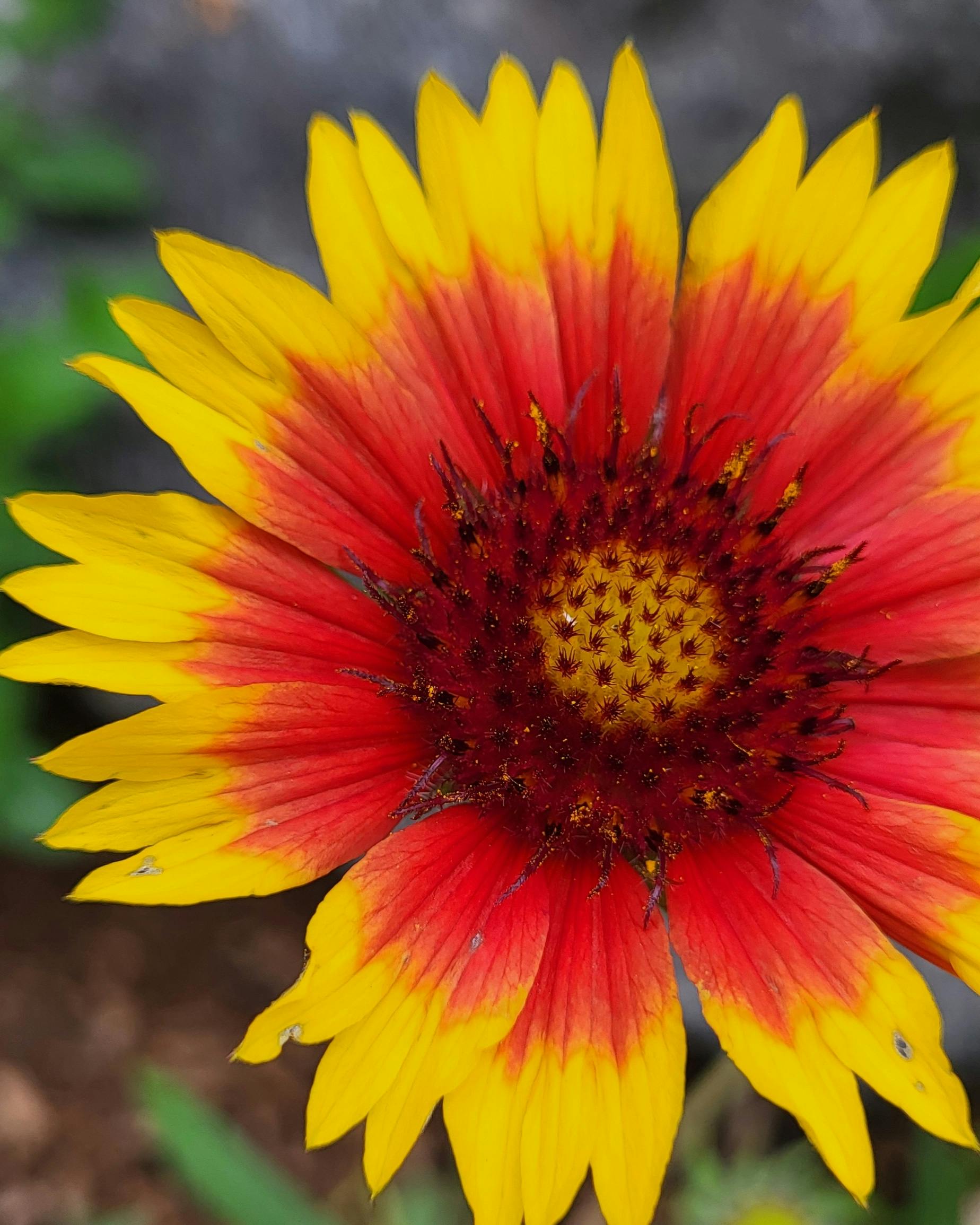
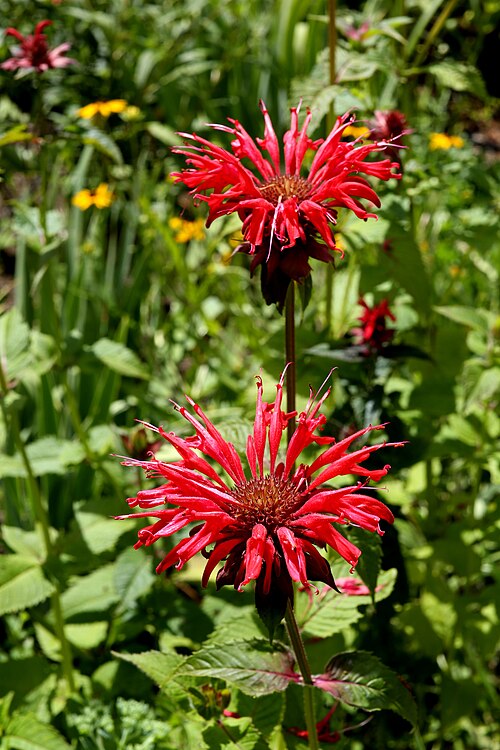
The key to a successful Zone 5 pollinator garden is continuous bloom across the season. Early-blooming plants like catmint and salvia feed bees emerging from winter dormancy. Mid-season coneflowers and bee balm support peak pollinator activity. Late-season asters and goldenrod provide critical fuel for monarch migration and bee winter preparation.
PlantWise filters for Zone 5 cold hardiness and pollinator attraction simultaneously, giving you a curated list of plants that survive your winters and support your local pollinator community.
Find Zone 5 Pollinator Plants → or browse the interactive directory.
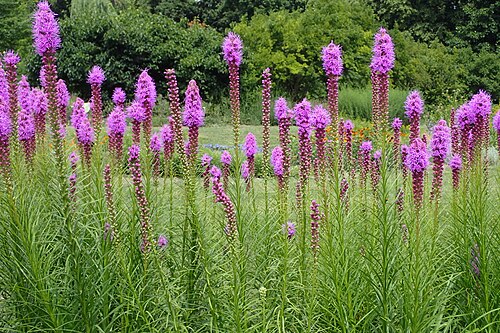
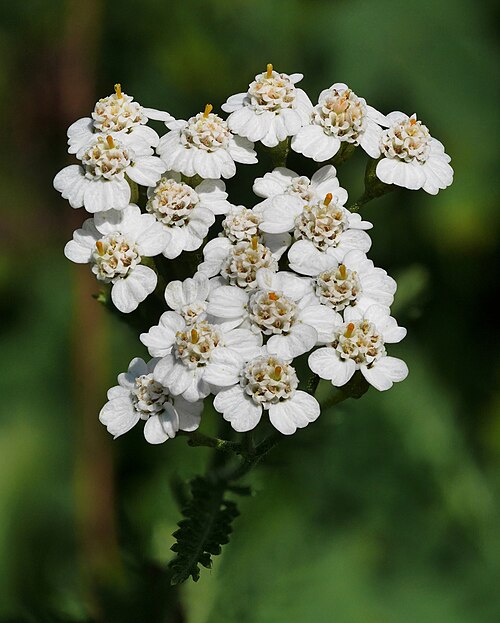
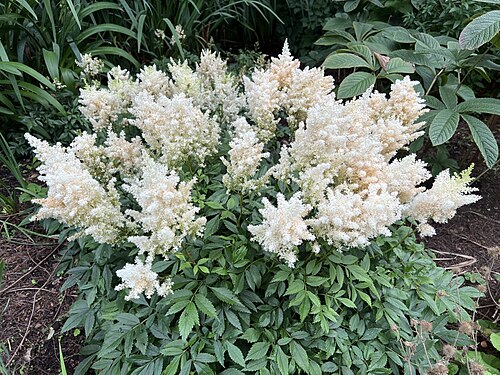
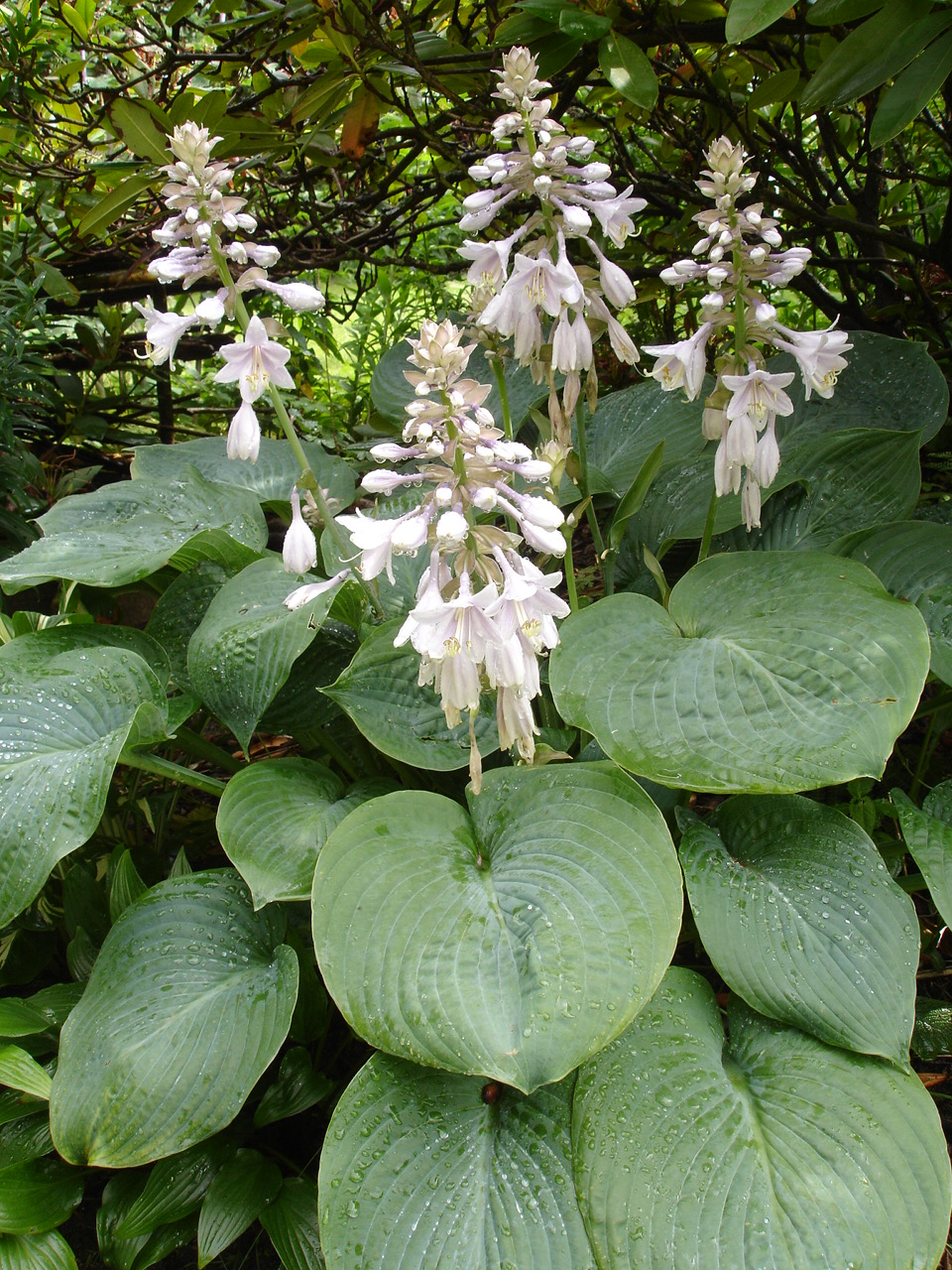
Featured Plants
Frequently Asked Questions
What pollinators live in Zone 5?
Zone 5 supports dozens of native bee species (bumblebees, mason bees, sweat bees), monarch and swallowtail butterflies, ruby-throated hummingbirds (summer visitors), and many moth species. Native bees are often more important pollinators than honeybees.
What are the best Zone 5 pollinator perennials?
Top Zone 5 pollinator perennials include purple coneflower (Echinacea), bee balm (Monarda), black-eyed Susan, catmint, salvia, native asters, and goldenrod. All are cold-hardy to Zone 5 and provide excellent pollinator value.
When should I plant a Zone 5 pollinator garden?
Plant in spring after last frost (mid-April to mid-May in most Zone 5 areas) or in fall for spring establishment. Fall planting allows roots to establish before winter, giving plants a head start in spring.
How do I support pollinators through Zone 5 winters?
Leave plant stems standing through winter — many native bees overwinter in hollow stems. Leave leaf litter in garden beds as overwintering habitat. Don't cut back perennials until late spring when temperatures consistently exceed 50°F.