About This Collection
Native plants are the foundation of healthy ecosystems — and Zone 5 has a rich native plant heritage. Prairie wildflowers, woodland natives, and cold-hardy shrubs evolved over thousands of years to thrive in Zone 5 winters and support the insects, birds, and other wildlife that depend on them.
Zone 5 native plants offer practical advantages beyond ecological value. They're adapted to local soils and rainfall patterns, requiring less watering and fertilizing once established. They're naturally cold-hardy without special protection. And they support 10-50x more caterpillar species than non-native ornamentals — critical for bird populations that depend on caterpillars to feed their young.
PlantWise filters for Zone 5 cold hardiness and native origin, giving you a curated list of plants that thrive in your climate and support your local ecosystem.
Find Zone 5 Native Plants → or browse the interactive directory.
Featured Plants
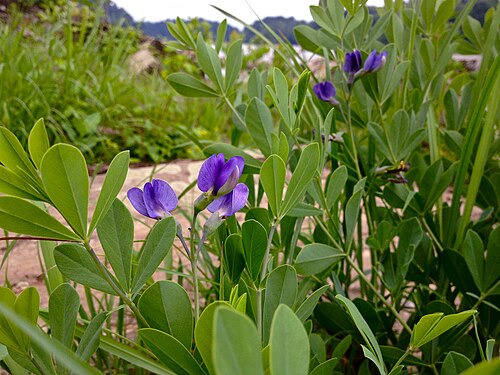
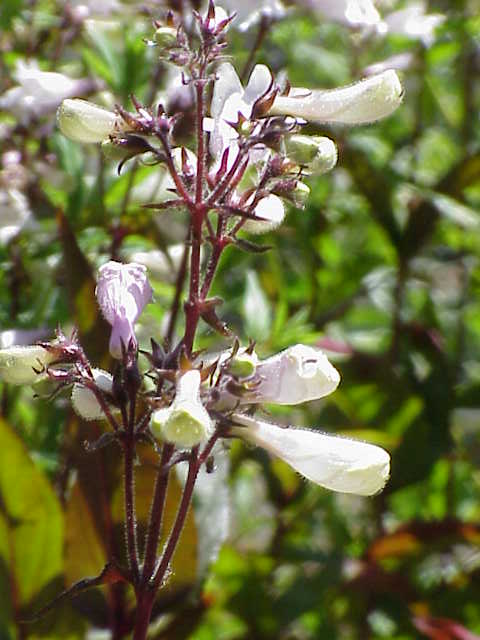
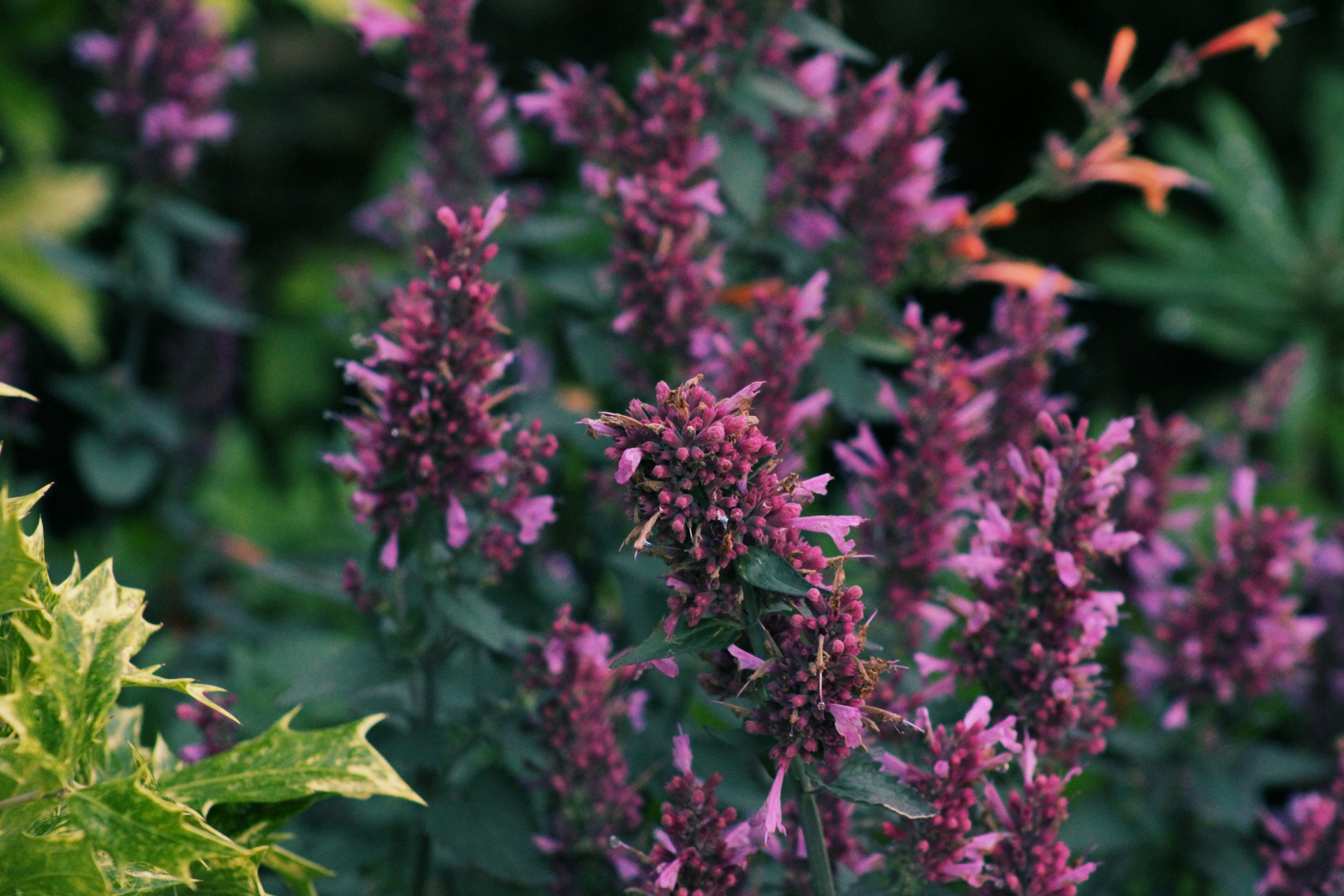
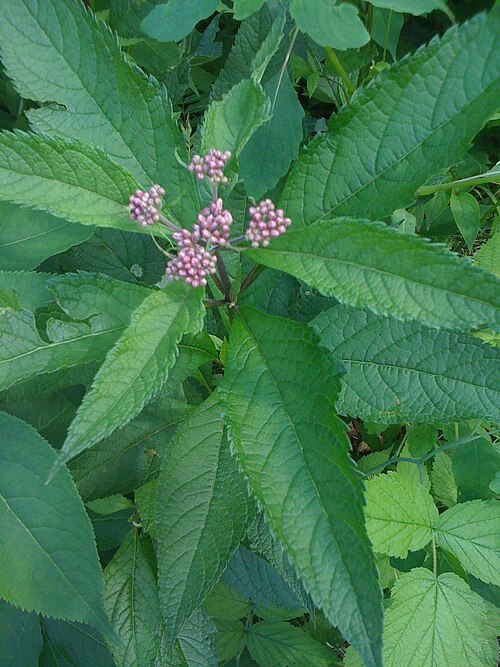
Frequently Asked Questions
What are the most important Zone 5 native plants for wildlife?
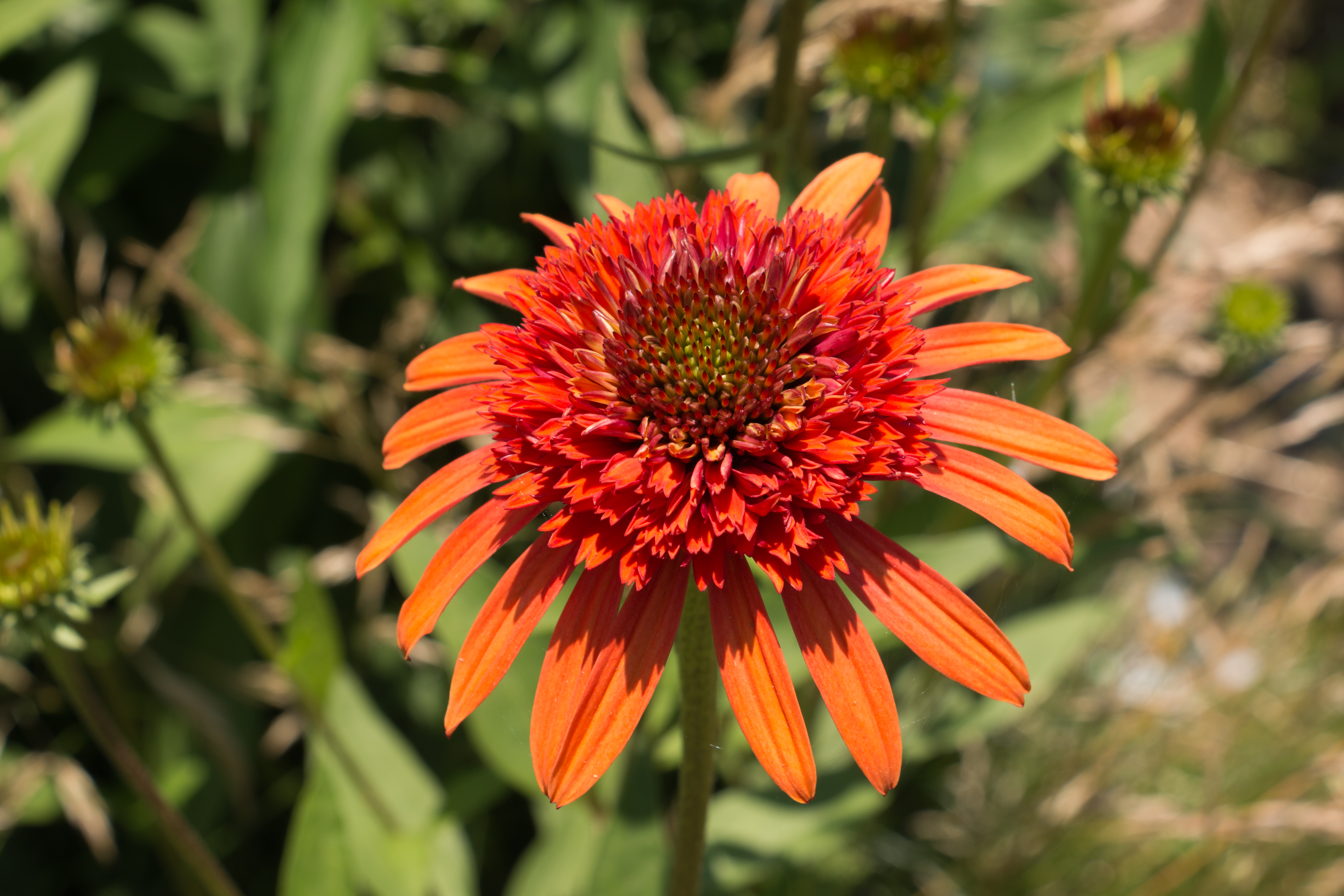
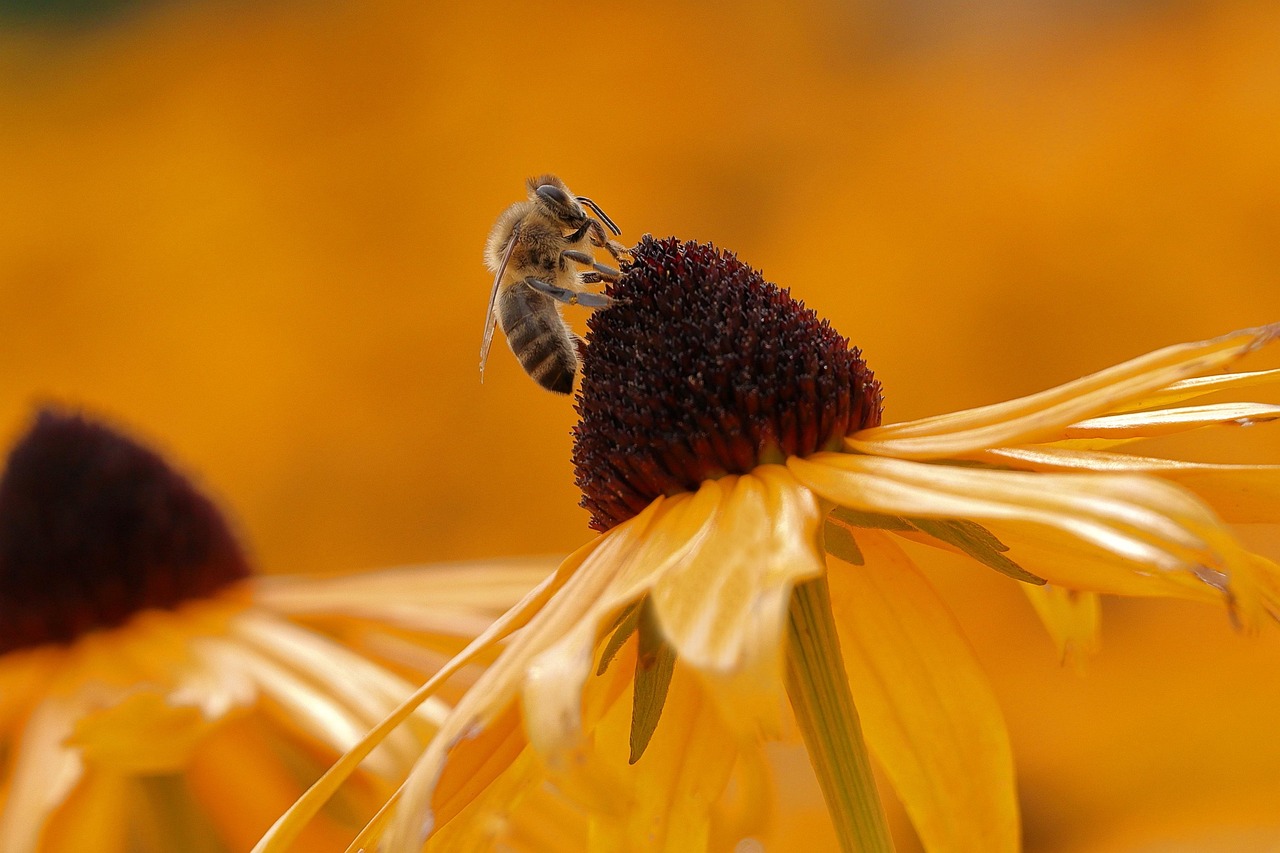
Top Zone 5 natives for wildlife include native oaks (support 500+ caterpillar species), black-eyed Susan, purple coneflower, native asters, goldenrod, and serviceberry. These plants support the most wildlife of any Zone 5 natives.
Are Zone 5 native plants hard to grow?
Most Zone 5 natives are easy to grow once established. They're adapted to local conditions and typically require less water, fertilizer, and pest control than non-native plants. The key is matching plants to your specific site conditions (sun, soil moisture, drainage).
Where can I buy Zone 5 native plants?
Native plant nurseries, native plant society sales, and some big-box stores carry Zone 5 natives. Look for plants grown from local ecotypes (regional seed sources) for best performance and ecological value. Avoid 'nativar' cultivars when possible, as they may have reduced wildlife value.
Can Zone 5 native plants be used in formal gardens?
Yes. Many Zone 5 natives work beautifully in formal settings: ornamental grasses provide structure, native coneflowers and black-eyed Susans provide color, and native shrubs like viburnum and serviceberry provide form. The key is selecting and placing them thoughtfully.