About This Collection
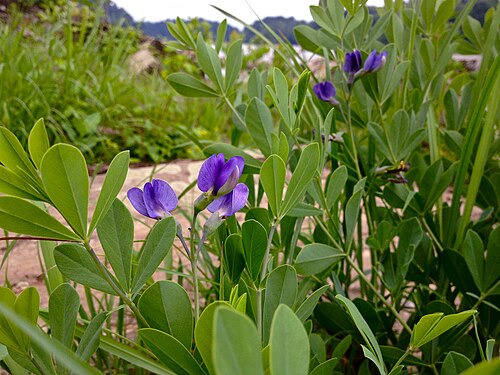
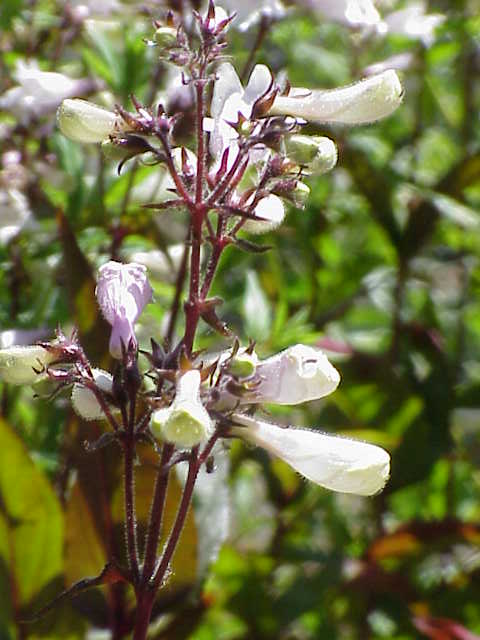
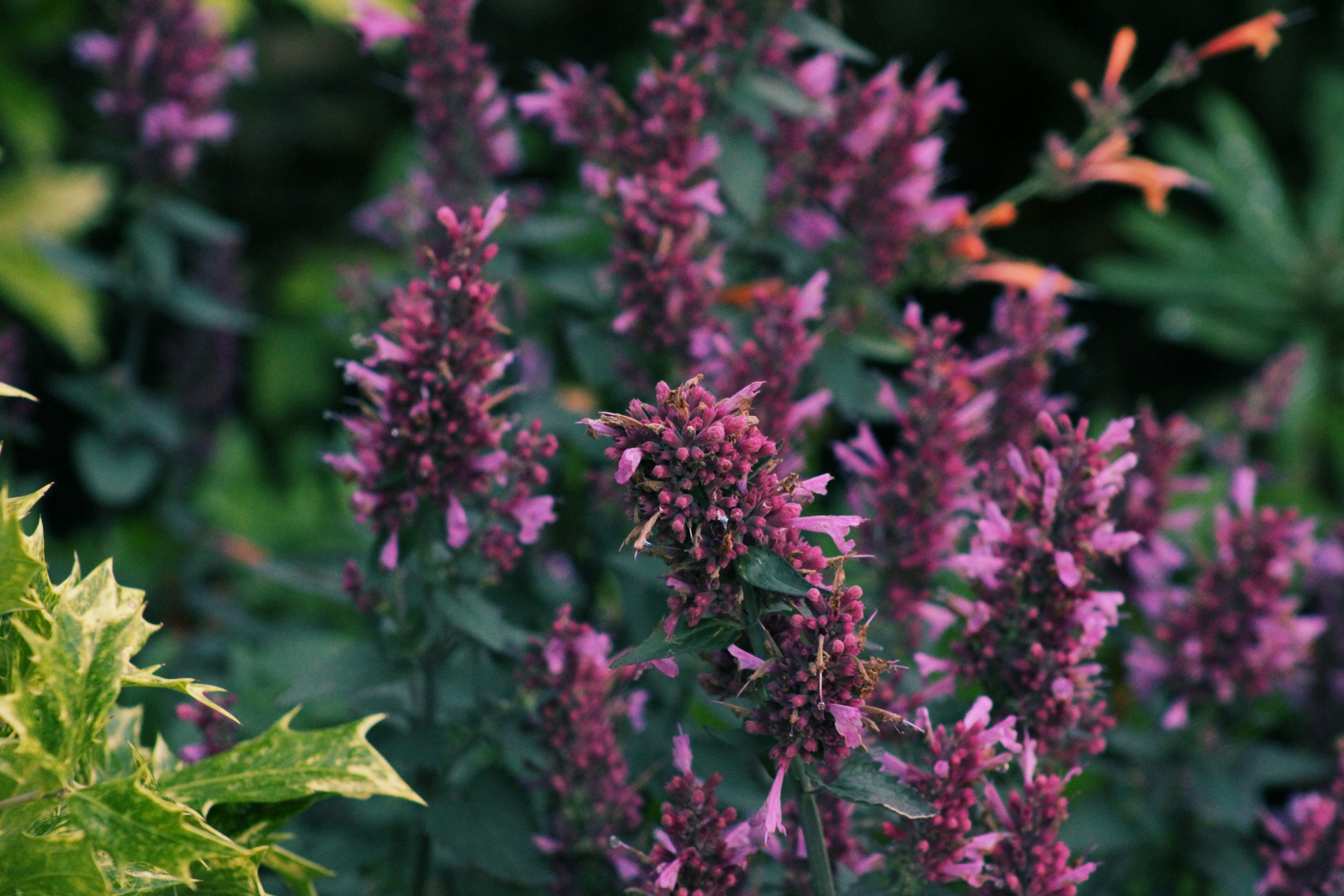
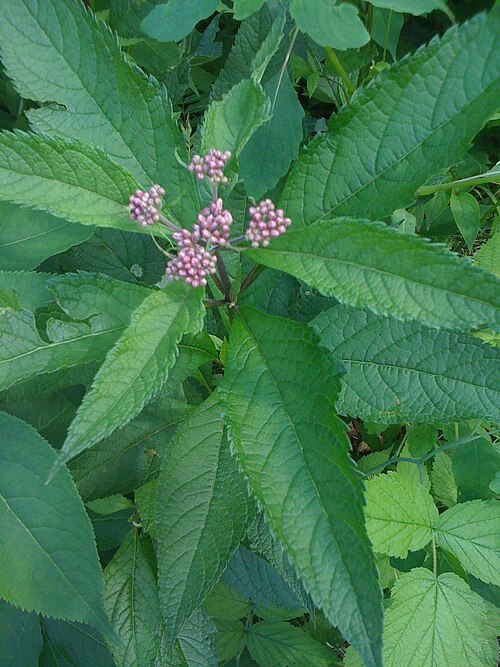
Zone 6 sits at the heart of North America's native plant diversity. The Mid-Atlantic, Midwest, and parts of the Pacific Northwest all fall in Zone 6 — and all have rich native plant communities that evolved alongside local wildlife over thousands of years.
Native plants in Zone 6 support dramatically more wildlife than non-native ornamentals. Research by entomologist Doug Tallamy found that native oaks support 500+ caterpillar species, while non-native ginkgos support fewer than 5. Those caterpillars feed birds, which feed larger wildlife. Native plants are the foundation of the food web.
PlantWise filters for Zone 6 hardiness and native origin, giving you a curated list of ecologically valuable plants that thrive in your climate. Filter by sun exposure, height, and bloom time.
Find Zone 6 Native Plants → or browse the interactive directory.
Featured Plants
Frequently Asked Questions
What are the best Zone 6 native shrubs?
Top Zone 6 native shrubs include native viburnums (arrowwood, blackhaw), native hollies (inkberry, winterberry), native dogwoods (red-osier, silky), buttonbush, and native spicebush. All provide four-season interest and excellent wildlife value.
Are there Zone 6 native plants for shade?
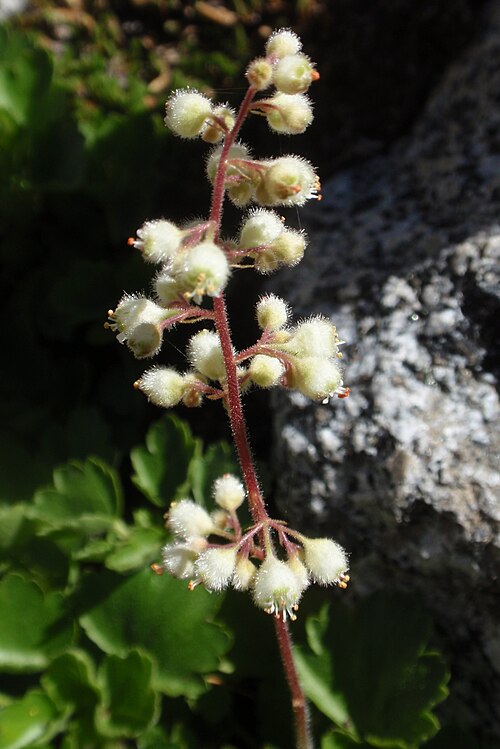
Yes. Excellent Zone 6 native shade plants include wild ginger, Virginia bluebells, trillium, native ferns (ostrich fern, cinnamon fern), and native coral bells (Heuchera americana). These evolved in woodland understory conditions.
What's the difference between native and non-native plants?
Native plants evolved in a specific region and have co-evolved with local insects, birds, and other wildlife. Non-native plants were introduced from other regions or continents. While many non-natives are beautiful and non-invasive, they generally support less wildlife than natives.
Can I mix native and non-native plants in Zone 6?
Absolutely. A garden that's 50-70% native plants provides significant ecological benefits while still allowing non-native favorites. The key is avoiding invasive non-natives (burning bush, Japanese barberry, English ivy) that spread into natural areas.