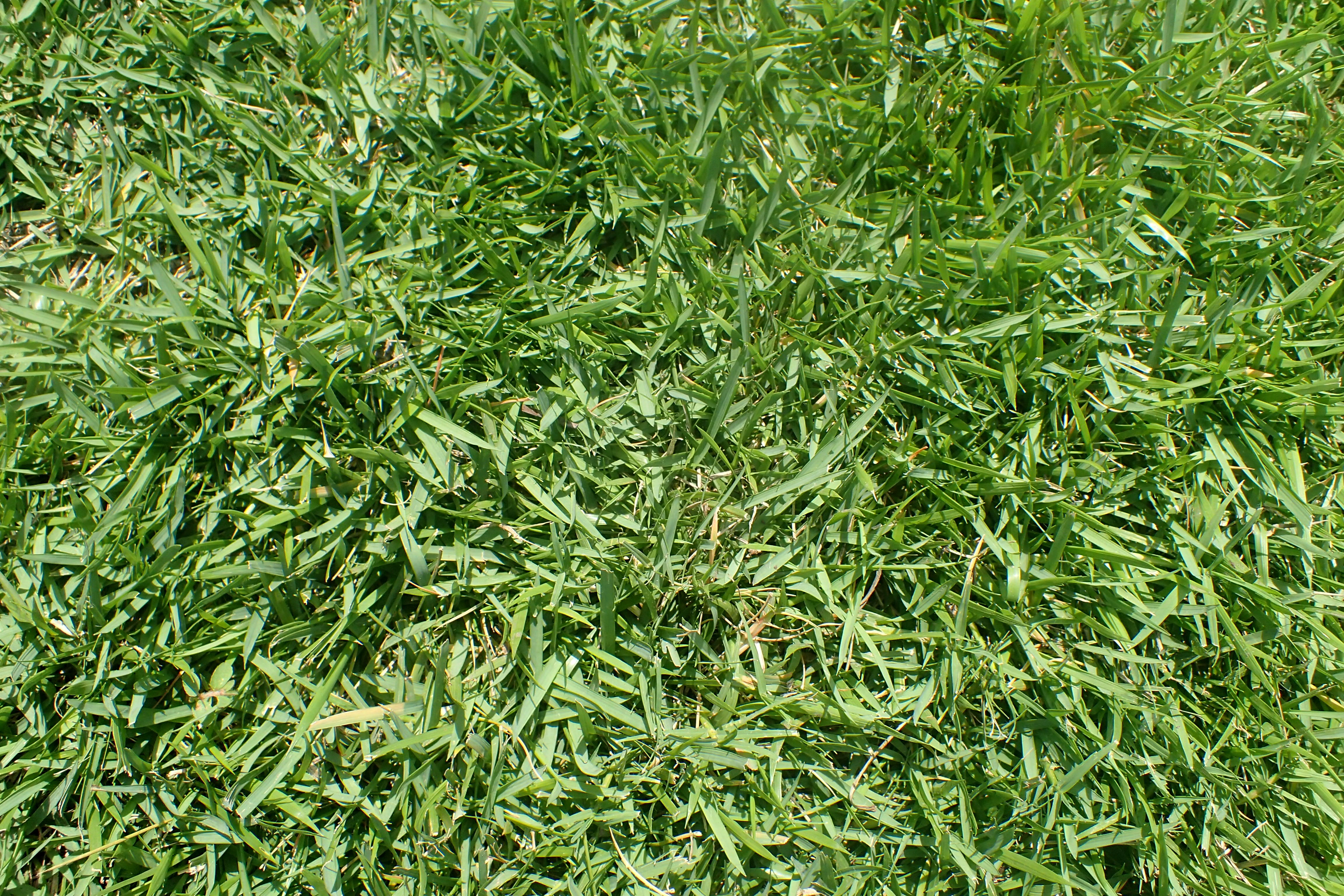
Bermuda vs. Zoysia Grass: Which Is Better for Dog Owners?
Choosing between Bermuda and Zoysia grass for your lawn when you have dogs can be a tough decision, as both have their pros and cons. For dog owners, Zoysia grass generally edges out Bermuda grass as the better option due to its superior durability, denser growth habit that resists dog traffic better, and its slightly softer texture which can be more comfortable for paws. While Bermuda grass is incredibly tough and recovers quickly, its aggressive growth can be a nuisance, and its coarser texture might not be as pleasant for your furry friends. Ultimately, the best choice depends on your specific climate, maintenance commitment, and how much wear and tear your dogs inflict.
When you share your home and yard with a canine companion, your lawn becomes more than just a patch of green; it's a playground, a bathroom, and a napping spot. This means your grass needs to be resilient, recover quickly, and ideally, not cause any issues for your pet. Let's dig into the details of Bermuda and Zoysia to help you make an informed decision.
Shop warm-season lawn seed on Amazon
Zoysia and Bermudagrass seed for dog-tolerant warm-season lawns. We may earn a commission at no extra cost to you.
Amazon · Zoysia turf seed bags Amazon · Bermudagrass seed bags
* Sponsored mix bags may appear above named Zoysia/Bermuda seed; open the product and confirm the species on the label before buying.
🌱 Get Personalized Plant Picks
Answer a few quick questions and we’ll match plants to your exact yard conditions.
Find My Plants →Understanding Warm-Season Grasses
Both Bermuda and Zoysia are warm-season grasses, meaning they thrive in hot climates and go dormant in cooler temperatures, turning brown. This is an important consideration if you live in a region with cold winters, as you'll have a brown lawn for several months of the year. They are both excellent choices for southern and transition zone climates where cool-season grasses struggle in the summer heat.
Durability and Traffic Tolerance
When it comes to resisting the wear and tear from playful paws, zoomies, and daily romps, both Bermuda and Zoysia are champions compared to many other grass types.
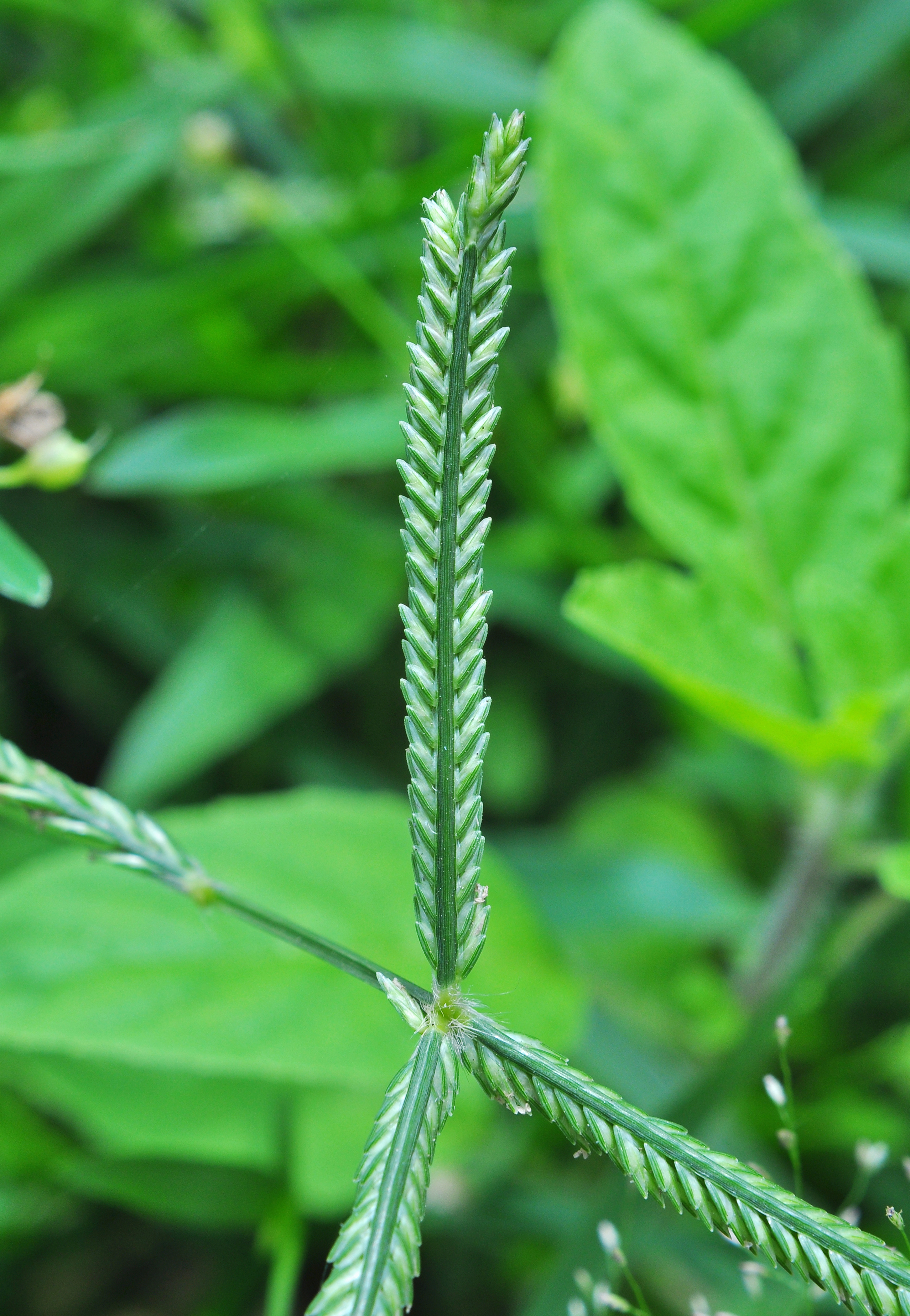
Bermuda Grass: Known for its exceptional toughness and rapid recovery. Bermuda grass spreads aggressively via stolons and rhizomes, allowing it to quickly repair bare spots caused by dog traffic, digging, or urine. It's often used on sports fields for this very reason. If your dogs are particularly active or you have multiple large dogs, Bermuda's ability to bounce back quickly is a significant advantage.
Zoysia Grass: Zoysia also boasts impressive durability and traffic tolerance. It grows very densely, creating a thick, cushiony turf that can withstand heavy foot (and paw) traffic. Its dense growth helps protect the soil underneath, making it less prone to compaction from running dogs. While it recovers from damage, it does so at a slower rate than Bermuda grass due to its slower growth habit.
Verdict: For sheer recovery speed, Bermuda has an edge. For dense, long-lasting resistance to wear, Zoysia is excellent.
Maintenance Requirements for Dog Owners
The amount of effort you're willing to put into your lawn will also play a role in your decision. Both grasses require regular maintenance, but there are some differences.
Bermuda Grass: This is a high-maintenance grass. It requires frequent mowing (often 1-2 times per week during peak growing season) to maintain its ideal height and prevent it from becoming too coarse. It also has high fertilization and watering needs to look its best. Its aggressive spreading can be a double-edged sword; while great for recovery, it can quickly invade flower beds and walkways, requiring regular edging and control.
Zoysia Grass: Zoysia is often considered lower maintenance than Bermuda, primarily because of its slower growth rate. This means less frequent mowing (typically once a week or every other week). It also has lower fertilization and watering requirements once established. However, its dense growth can lead to thatch buildup, which may require occasional dethatching.
Verdict: Zoysia generally requires less frequent mowing and fertilization, making it a slightly lower-maintenance option for busy dog owners.
Pet Safety and Comfort
This is a crucial factor for any dog owner.
Bermuda Grass: Bermuda grass is not listed as toxic to dogs by the ASPCA. Its texture can be somewhat coarse, especially if not mowed frequently, which might be less comfortable for sensitive paws. Its aggressive growth habit can also mean it grows into areas where you don't want it, potentially causing minor irritations if it gets into a dog's eyes or fur.
Zoysia Grass: Zoysia grass is also not listed as toxic to dogs by the ASPCA. It typically has a finer, softer blade texture than Bermuda, which can be more comfortable for dogs to walk, play, and lie on. Its dense growth also provides a softer landing for playful pups.
ASPCA Animal Poison Control: 888-426-4435
Verdict: Zoysia offers a slightly softer and more comfortable surface for dogs. Both are not listed as toxic.
Urine Spots and Recovery
Dog urine can be a major headache for any lawn, causing unsightly brown spots due to its high nitrogen content.
Bermuda Grass: Bermuda's rapid growth and recovery capabilities mean it can often bounce back from urine spots relatively quickly, especially if the area is flushed with water soon after. However, the initial burn can still occur.
Zoysia Grass: Zoysia's dense nature can sometimes make urine spots more noticeable, and its slower recovery means those spots might linger longer. However, the density can also offer some protection if the urine doesn't penetrate as deeply.
Tip: Regardless of your grass choice, training your dog to use a specific "potty area" or immediately hosing down urine spots can significantly reduce damage.
Quick Reference: Bermuda vs. Zoysia for Dog Owners
| Feature | Bermuda Grass | Zoysia Grass |
|---|---|---|
| Durability | Excellent; rapid recovery | Excellent; dense growth resists wear |
| Traffic Tolerance | Very high; quickly repairs bare spots | High; thick turf protects soil |
| Growth Rate | Very fast; aggressive spreader | Slow to moderate; dense spreader |
| Mowing Frequency | High (1-2 times/week) | Moderate (1 time/week or every other week) |
| Fertilization | High | Moderate to low |
| Water Needs | High | Moderate to low |
| Texture | Coarser | Finer, softer |
| Pet Safety | Not listed as toxic; can be coarse | Not listed as toxic; softer on paws |
| Urine Spot Recovery | Faster recovery due to aggressive growth | Slower recovery; spots may linger longer |
| Thatch Buildup | Moderate | High (due to dense growth) |
| Invasiveness | High (can invade beds) | Moderate (less invasive than Bermuda) |
| Overall for Dogs | Great for active dogs needing fast recovery | Better for comfort, dense wear resistance |
Other Considerations for a Dog-Friendly Lawn
Beyond Bermuda and Zoysia, here are a few more things to keep in mind for your dog-friendly yard:
- Soil Health: Healthy soil leads to healthy grass, which is more resilient to dog traffic and urine. Regular soil testing and amendments are key.
- Watering: Proper watering helps dilute urine and keeps grass strong. Deep, infrequent watering is generally best.
- Pest Control: Be mindful of any pesticides or herbicides you use. Always choose pet-safe options and follow instructions carefully, keeping pets off the lawn for recommended periods.
- Shade Tolerance: Both Bermuda and Zoysia prefer full sun. If your yard has significant shade, neither will perform well. You might need to consider other options like St. Augustine Grass for shadier areas, though it's less traffic-tolerant.
- Alternative Groundcovers: For very high-traffic areas or small patches where grass struggles, consider durable groundcovers like Creeping Phlox or even artificial turf for a small designated dog run.
The Verdict: Zoysia Noses Ahead for Most Dog Owners
While Bermuda grass is an incredibly tough and fast-recovering option, Zoysia grass generally offers a better balance for most dog owners. Its dense growth provides excellent wear resistance, its slower growth means less frequent mowing, and its softer texture is more comfortable for your canine companions. Although it recovers from urine spots more slowly than Bermuda, its overall benefits for a dog-friendly lawn often outweigh this drawback.
Ultimately, both are strong contenders for a warm-season lawn with dogs. Consider your specific climate, the activity level of your dogs, and your willingness to commit to maintenance before making your final choice.
Ready to find the perfect plants for your yard? Try the PlantWise Plant Finder →