Is Aloe Vera Safe for Cats? Complete Guide
Many of us love the soothing properties of aloe vera for our own skin, but when it comes to our feline friends, aloe vera is not safe for cats. The ASPCA (American Society for the Prevention of Cruelty to Animals) lists aloe vera as toxic to cats due to compounds called anthraquinone glycosides found in the plant's latex, which is the yellowish layer between the outer leaf and the inner gel. Ingesting any part of the aloe plant can lead to a range of unpleasant symptoms for your cat, from mild gastrointestinal upset to more severe issues. As responsible pet parents, it's crucial to understand why this popular houseplant poses a risk and how to keep your curious cat safe.
🌱 Get Personalized Plant Picks
Answer a few quick questions and we’ll match plants to your exact yard conditions.
Find My Plants →Why is Aloe Vera Toxic to Cats?
The primary culprits behind aloe vera's toxicity to felines are the anthraquinone glycosides. While the clear inner gel is often used topically for humans, the bitter, yellowish latex layer, which is difficult to separate completely from the gel, contains these compounds. When ingested by cats, these glycosides are metabolized by bacteria in the colon, producing compounds that act as a laxative and irritate the digestive tract.
Cats, being naturally curious and sometimes prone to nibbling on houseplants, can easily ingest enough of the plant to cause a reaction. Even a small amount can be problematic, especially for sensitive individuals or smaller cats. It's not just the leaves; if your cat plays with a broken leaf or licks residue from a pot, they could be exposed.
What Are the Symptoms of Aloe Vera Poisoning in Cats?
If your cat has ingested aloe vera, you might observe a variety of symptoms, typically appearing within a few hours of consumption. The severity of these symptoms can depend on the amount of plant material ingested and your cat's individual sensitivity.
Common symptoms include:
- Vomiting: This is often one of the first signs, as the plant irritates the stomach lining.
- Diarrhea: Due to the laxative effect of the anthraquinone glycosides.
- Lethargy: Your cat may seem unusually tired or less active.
- Anorexia (loss of appetite): They might refuse to eat their regular food.
- Tremors: In more severe cases, muscle tremors can occur.
- Changes in urine color: This is less common but can be a sign of dehydration or kidney stress.
It's important to remember that these symptoms can also be indicative of other health issues, so prompt veterinary attention is always recommended if you notice any changes in your cat's behavior or health.
Quick Reference: Aloe Vera Toxicity for Cats
| Feature | Detail |
|---|---|
| Toxicity Level | Mild to Moderate (listed as toxic by ASPCA) |
| Toxic Parts | All parts, especially the latex (yellow layer) and leaves |
| Toxic Compounds | Anthraquinone glycosides |
| Onset of Symptoms | Within a few hours of ingestion |
| Common Symptoms | Vomiting, diarrhea, lethargy, anorexia, tremors (rarely), urine changes |
| Action | Contact vet/ASPCA Poison Control immediately |
If you suspect your pet has ingested a toxic plant, call the ASPCA Animal Poison Control Center immediately at (888) 426-4435.
How Can I Prevent My Cat from Eating Aloe Vera?
The best way to protect your cat from aloe vera toxicity is to prevent access to the plant entirely. Here are some practical tips:
- Remove the Plant: The most straightforward solution is to simply remove all aloe vera plants from your home and garden. This eliminates the risk completely.
- Place Out of Reach: If removing it isn't an option (e.g., it's a neighbor's plant), ensure your aloe vera is in a location your cat absolutely cannot reach. This means high shelves, hanging baskets, or rooms that are always kept closed to pets. Remember, cats are excellent climbers and jumpers!
- Use Physical Barriers: Consider placing plants inside decorative cages, terrariums, or behind pet gates if they are in a shared space.
- Deterrents: Some cats are deterred by certain smells or textures. You could try placing citrus peels around the plant (cats dislike citrus), or spraying the leaves with a bitter apple spray (available at pet stores). Always test deterrents on a small, inconspicuous part of the plant first to ensure it doesn't cause damage.
- Provide Alternatives: Ensure your cat has plenty of appropriate things to chew on, such as cat grass (oat, wheat, or barley grass), catnip toys, or other safe chew toys. Sometimes, cats chew on houseplants out of boredom or a need for roughage.
What Are Some Cat-Friendly Houseplant Alternatives to Aloe Vera?
If you're looking for a soothing, succulent-like plant for your home but need a cat-safe option, there are many beautiful choices. Remember, "not listed as toxic" means the plant is generally considered safe, but individual sensitivities can vary. Always supervise your pet around new plants.
Here are a few popular options that are not listed as toxic to cats by the ASPCA:
- Haworthia (Zebra Plant): These small, succulent-like plants resemble miniature aloe vera plants with their spiky, triangular leaves and often have attractive white markings. They are easy to care for and are not listed as toxic.
- Christmas Cactus (Schlumbergera bridgesii): A popular flowering houseplant that is not listed as toxic. Its segmented stems and vibrant blooms make it a cheerful addition to any home.
- African Violet (Saintpaulia spp.): Known for their fuzzy leaves and beautiful, long-lasting flowers, African violets are a classic houseplant that is not listed as toxic.
- Boston Fern (Nephrolepis exaltata 'Bostoniensis'): A lush, green fern that adds a touch of nature to your home and is not listed as toxic.
- Prayer Plant (Maranta leuconeura): With its striking patterned leaves that fold up at night, the prayer plant is a unique and not listed as toxic option.
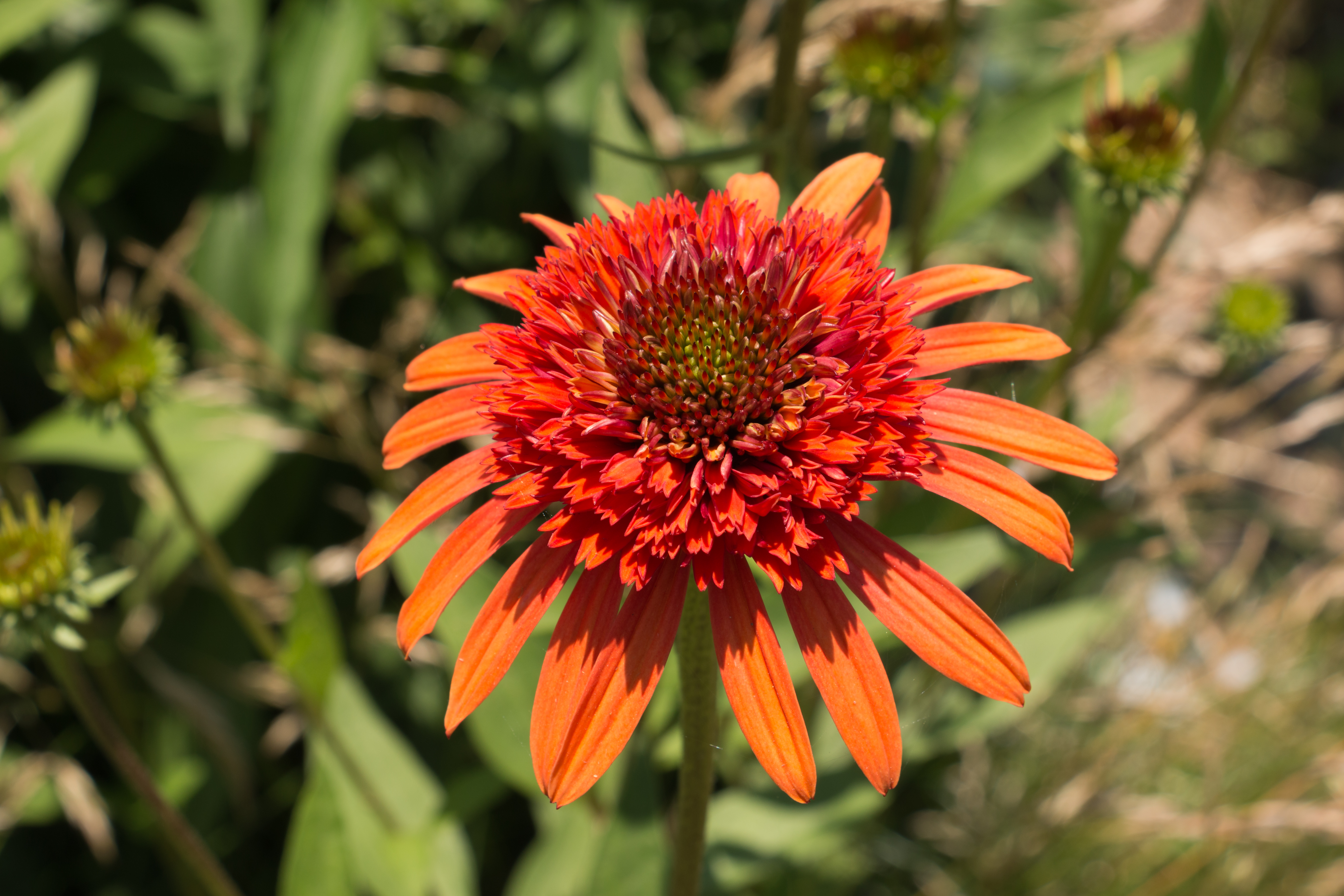
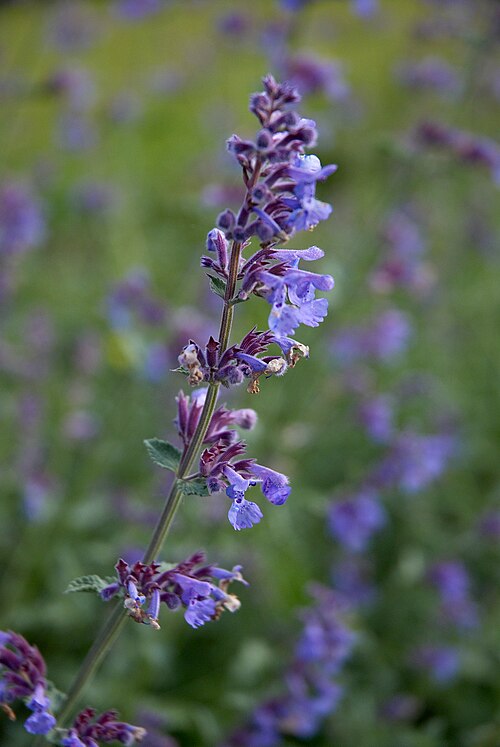
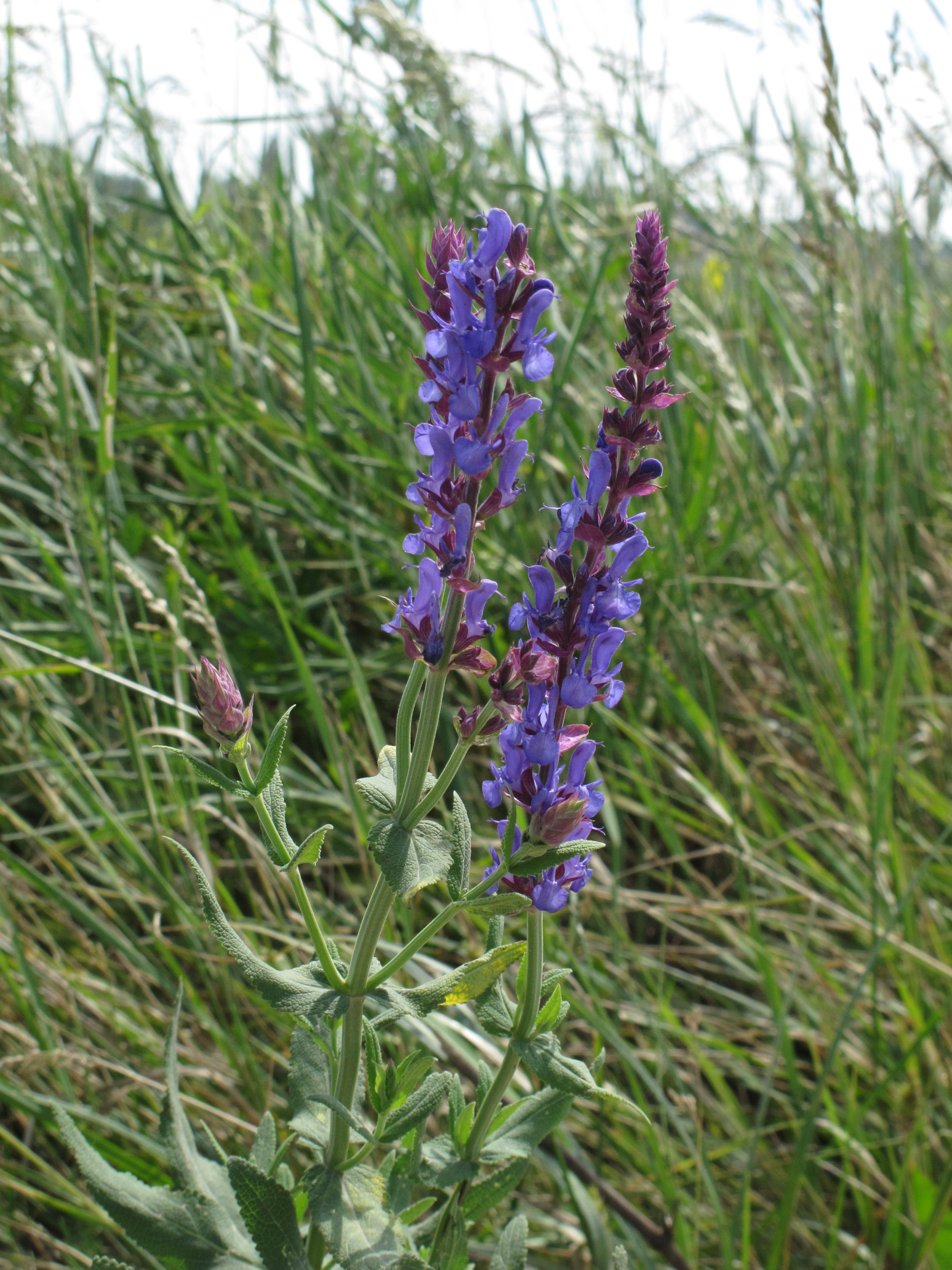
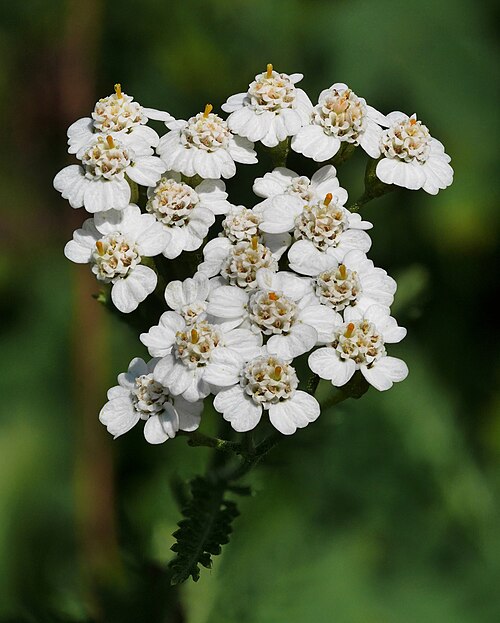
For your outdoor garden, consider these beautiful and generally cat-friendly options:
Catmint Coneflower Salvia Yarrow
Remember, even with non-toxic plants, excessive ingestion of any plant material can cause mild stomach upset in pets. It's always a good idea to monitor your cat and ensure they aren't over-indulging.
What Should I Do If My Cat Eats Aloe Vera?
If you witness your cat eating aloe vera or suspect they have, act quickly:
- Remove the Plant: Immediately remove any remaining plant material from your cat's mouth and environment.
- Contact Your Veterinarian or ASPCA Poison Control: This is the most crucial step. Call your vet or the ASPCA Animal Poison Control Center at (888) 426-4435. Be prepared to provide information about the type of plant, how much you believe was ingested, and any symptoms your cat is showing.
- Follow Their Advice: They will guide you on whether to monitor your cat at home or bring them in for immediate veterinary care. Do not try to induce vomiting unless specifically instructed by a professional.
- Monitor Your Cat: Even if advised to monitor at home, keep a close eye on your cat for any developing or worsening symptoms.
While aloe vera is a beneficial plant for humans, its potential toxicity to cats means it's best kept out of their reach. By understanding the risks and taking preventative measures, you can ensure your home remains a safe and happy environment for your beloved feline companion.
Ready to find the perfect plants for your yard? Try the PlantWise Plant Finder →