Is Peace Lily Safe for Dogs? Complete Guide
As a dog owner, ensuring your furry friend's safety is always a top priority, and that includes being mindful of the plants you bring into your home and garden. When it comes to the popular Peace Lily ( Spathiphyllum spp.), the answer to whether it's safe for dogs is a definitive no. The ASPCA (American Society for the Prevention of Cruelty to Animals) lists Peace Lily as toxic to dogs due to the presence of insoluble calcium oxalates. While not typically life-threatening, ingestion can cause significant discomfort and irritation.
This guide will delve into why Peace Lilies are harmful, what symptoms to look for if your dog ingests part of the plant, and how to safely enjoy beautiful greenery in your home with pet-friendly alternatives.
🌱 Get Personalized Plant Picks
Answer a few quick questions and we’ll match plants to your exact yard conditions.
Find My Plants →What Makes Peace Lily Toxic to Dogs?
Peace Lilies contain insoluble calcium oxalate crystals. These tiny, needle-shaped crystals are present in all parts of the plant - leaves, stems, flowers, and roots. When a dog chews on or ingests any part of a Peace Lily, these crystals are released.
The sharp crystals embed themselves in the mucous membranes of the mouth, throat, esophagus, and stomach. This causes immediate and intense irritation, leading to a range of uncomfortable symptoms. It's important to note that while the term "toxic" is used, the primary danger comes from this mechanical irritation rather than a systemic toxin that would affect organs like the liver or kidneys. However, the discomfort can be severe enough to cause distress and, in rare cases, lead to more serious issues if swelling obstructs the airway.
What Are the Symptoms of Peace Lily Ingestion in Dogs?
If your dog has nibbled on a Peace Lily, you'll likely notice symptoms fairly quickly due to the immediate irritation caused by the calcium oxalate crystals. The severity of symptoms can vary depending on how much of the plant was ingested and the individual dog's sensitivity.
Common symptoms include:
- Oral Irritation: Intense burning sensation in the mouth, excessive drooling (ptyalism), pawing at the mouth.
- Vomiting: Your dog may try to expel the irritating plant material.
- Difficulty Swallowing: Due to pain and swelling in the mouth and throat.
- Loss of Appetite: Discomfort can make eating and drinking painful.
- Swelling: Swelling of the mouth, tongue, and lips. In rare, severe cases, this swelling could potentially affect the airway.
If you suspect your pet has ingested a toxic plant, call the ASPCA Animal Poison Control Center immediately at (888) 426-4435. It's always best to err on the side of caution and consult with a veterinarian, even if symptoms appear mild.
How Can I Keep My Dog Safe from Peace Lilies?
The best way to keep your dog safe from Peace Lilies is to avoid having them in your home or garden altogether. If you already own a Peace Lily, consider relocating it to a place where your dog absolutely cannot reach it, such as a high shelf in a room your dog doesn't access, or rehoming the plant.
Here are some practical tips:
- Elevate: Place plants on high shelves, hanging baskets, or in rooms with restricted access.
- Barriers: Use pet gates to block off areas where toxic plants are kept.
- Training: Train your dog with "leave it" commands, but remember that curiosity can sometimes override training, especially with young puppies.
- Supervision: Always supervise your dog, especially when introducing new plants or allowing them into new areas.
- Education: Be aware of the plants in your home and garden, and those in public spaces your dog might encounter.
Are There Safe Alternatives to Peace Lilies for Pet Owners?
Absolutely! You don't have to sacrifice greenery to keep your dog safe. Many beautiful and popular houseplants are not listed as toxic to dogs by the ASPCA. Here are a few excellent choices that offer similar aesthetic appeal to the Peace Lily, or simply make wonderful additions to a pet-friendly home:
- Boston Fern ( Nephrolepis exaltata): A classic, lush fern that adds a touch of green elegance. Not listed as toxic.
- Spider Plant ( Chlorophytum comosum): Easy to care for, produces "spiderettes," and is a great air purifier. Not listed as toxic.
- Prayer Plant ( Maranta leuconeura): Known for its striking foliage and habit of folding its leaves at night. Not listed as toxic.
- *African Violet ( Saintpaulia spp.):* Offers beautiful, colorful blooms in a compact size. Not listed as toxic.
- Christmas Cactus ( Schlumbergera bridgesii): A festive, flowering succulent that's generally considered safe. Not listed as toxic.
For your outdoor garden, many vibrant and beautiful plants are also considered safer choices for dogs. Here are some ideas:
*Blanket Flower ( Gaillardia spp.):* These cheerful, daisy-like flowers bring a burst of color to sunny gardens and are not listed as toxic.
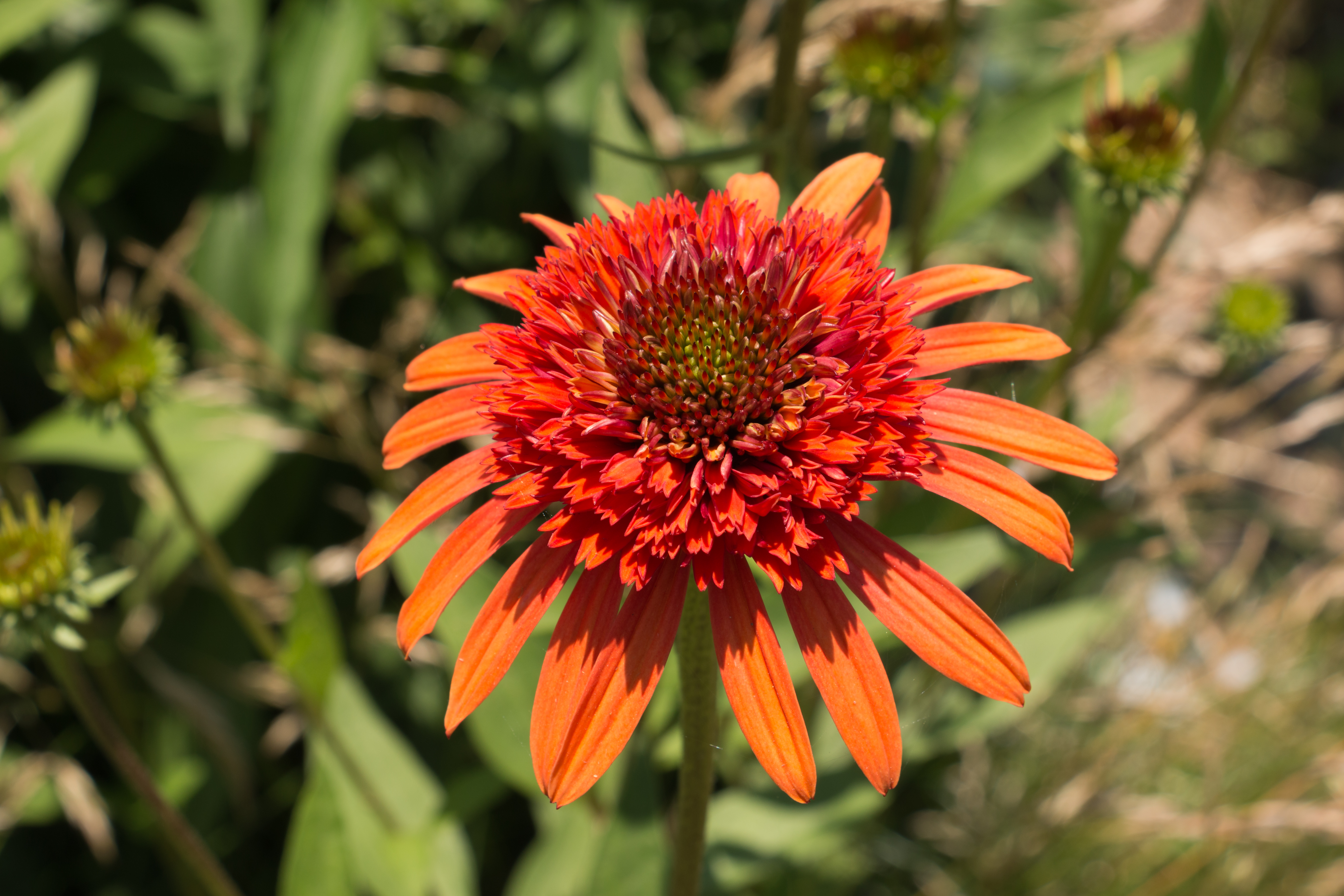
*Coneflower ( Echinacea spp.):* A pollinator magnet with sturdy, beautiful blooms, coneflowers are a great addition to a pet-friendly landscape and are not listed as toxic.
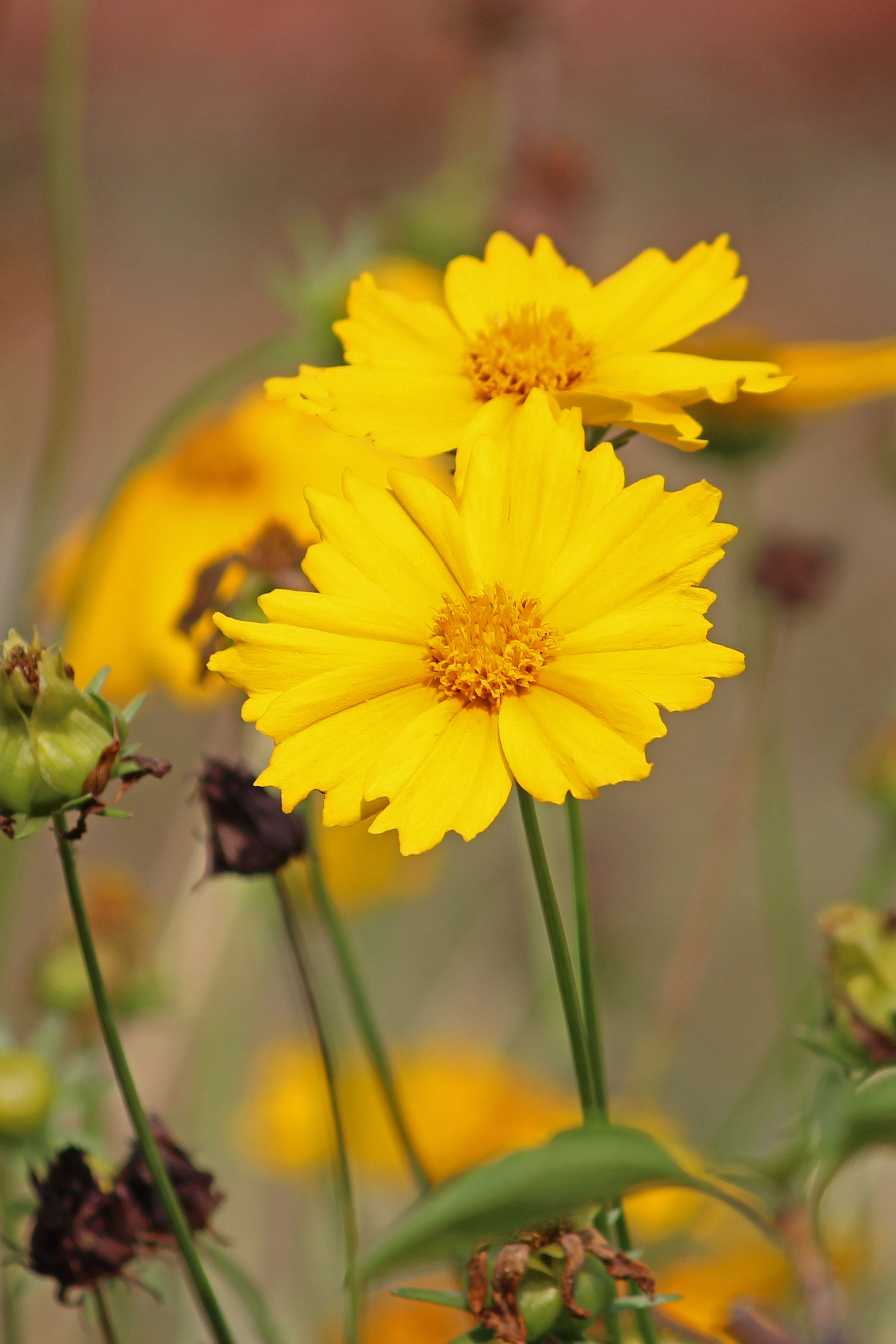
*Coreopsis ( Coreopsis spp.):* Also known as Tickseed, Coreopsis offers bright, long-lasting blooms and is not listed as toxic to dogs.
Quick Reference: Peace Lily & Dog Safety
| Feature | Detail | | Toxicity | Highly Irritating | | Scientific Name | Spathiphyllum spp. | | Common Names | Peace Lily, Spath, White Sails | | Toxic Principle | Insoluble calcium oxalates | | Symptoms | Oral irritation, intense burning, drooling, vomiting, difficulty swallowing, pawing at mouth, swelling of mouth/tongue/lips. | | Emergency? | Yes, contact vet or ASPCA Animal Poison Control immediately. | | Prognosis | Usually good with prompt treatment, but can cause severe discomfort. | | Prevention | Remove plant, place out of reach, use barriers. | | Safer Alternatives | Boston Fern, Spider Plant, Prayer Plant, African Violet, Christmas Cactus, Blanket Flower, Coneflower, Coreopsis. |
Final Thoughts
While the Peace Lily is a beautiful and popular houseplant, its toxicity to dogs means it's not the safest choice for homes with curious canines. Understanding the risks and knowing what symptoms to look for are crucial for responsible pet ownership. Fortunately, the world of plants is vast, and there are countless gorgeous, pet-friendlier options available that allow you to enjoy the beauty of nature without compromising your dog's well-being. Always double-check the toxicity of any new plant before bringing it into your home.
Ready to find the perfect plants for your yard? Try the PlantWise Plant Finder →