Is Chamomile Safe for Cats? Complete Guide
As cat owners, we're always looking out for the well-being of our feline friends, especially when it comes to the plants we bring into our homes and gardens. When considering chamomile, a popular herb known for its calming properties, it's crucial to understand its safety for cats. According to the ASPCA (American Society for the Prevention of Cruelty to Animals), chamomile (both Chamaemelum nobile and Matricaria recutita) is considered toxic to cats. Ingesting any part of the plant can lead to various symptoms, ranging from mild to severe, depending on the amount consumed. Therefore, it's best to keep chamomile plants out of reach of curious kitties.
🌱 Get Personalized Plant Picks
Answer a few quick questions and we’ll match plants to your exact yard conditions.
Find My Plants →What Makes Chamomile Toxic to Cats?
Chamomile contains several active compounds, primarily essential oils and sesquiterpene lactones, which are responsible for its medicinal properties in humans but can be harmful to pets. These compounds can irritate a cat's gastrointestinal tract and, in larger doses, affect other bodily systems. The specific compounds of concern include:
- Alpha-bisabolol: An anti-inflammatory compound.
- Chamazulene: Another anti-inflammatory agent.
- Flavonoids: Such as apigenin, which can have sedative effects.
- Coumarins: Which can act as blood thinners in high concentrations.
While humans often consume chamomile in teas or supplements for its calming effects, a cat's digestive system and metabolism process these compounds differently, making them susceptible to toxicity.
What Are the Symptoms of Chamomile Poisoning in Cats?
If your cat has ingested chamomile, either from a plant in your garden or a product containing chamomile, watch for the following symptoms. The severity can depend on the amount consumed and the individual cat's sensitivity.
Common Symptoms:
- Vomiting
- Diarrhea
- Anorexia (loss of appetite)
- Dermatitis (skin inflammation, often from topical exposure)
More Severe Symptoms (with larger ingestions):
- Lethargy
- Drooling
- Bleeding disorders (due to coumarins, though rare with typical plant ingestion)
- Allergic reactions (in sensitive individuals)
If you suspect your pet has ingested a toxic plant, call the ASPCA Animal Poison Control Center immediately at (888) 426-4435. Prompt veterinary attention is crucial for the best outcome.
Quick Reference: Chamomile & Cats
| Aspect | Detail
This is a pet safety post. Chamomile contains sesquiterpene lactones and other compounds that are toxic to cats, potentially causing vomiting, diarrhea, lethargy, and other symptoms.
Can Cats Have Chamomile Tea or Products Containing Chamomile?
Given that chamomile plants are toxic, it's natural to wonder about products derived from chamomile, such as teas, essential oils, or supplements. The answer is generally no, or at least not without extreme caution and strict veterinary guidance.
- Chamomile Tea: While a very diluted, small amount of cooled chamomile tea might occasionally be suggested by holistic vets for specific, temporary issues like mild anxiety or digestive upset, it's not a general recommendation. The concentration of active compounds in tea can still be problematic. Never give your cat tea intended for human consumption without consulting your vet.
- Chamomile Essential Oils: Essential oils are highly concentrated and extremely dangerous for cats. Cats lack the specific liver enzymes needed to properly metabolize the compounds in essential oils, leading to rapid accumulation of toxins in their system. Even diffusing chamomile essential oil can be harmful if the cat inhales it or gets it on their fur and then grooms themselves. Never use chamomile essential oil on or near your cat.
- Chamomile Supplements: Any supplement containing chamomile should only be given under the direct supervision and recommendation of a veterinarian. They can assess the appropriate dosage, potential interactions with other medications, and whether it's truly beneficial for your cat's specific condition. Self-medicating your cat with human supplements is risky.
How Can I Prevent My Cat from Accessing Chamomile?
The best approach is prevention. If you have chamomile in your garden or home, take these steps:
- Remove or Relocate: The safest option is to remove chamomile plants from areas accessible to your cat. If you love chamomile, consider growing it in a fenced-off area your cat cannot enter, or in hanging baskets or on high shelves where it's impossible for your cat to reach.
- Indoor Plants: For indoor chamomile, place it in a room your cat doesn't frequent, or behind closed doors. Ensure windows are screened if plants are near them, to prevent escape and access to outdoor plants.
- Supervision: When introducing any new plant to your home or garden, supervise your cat closely.
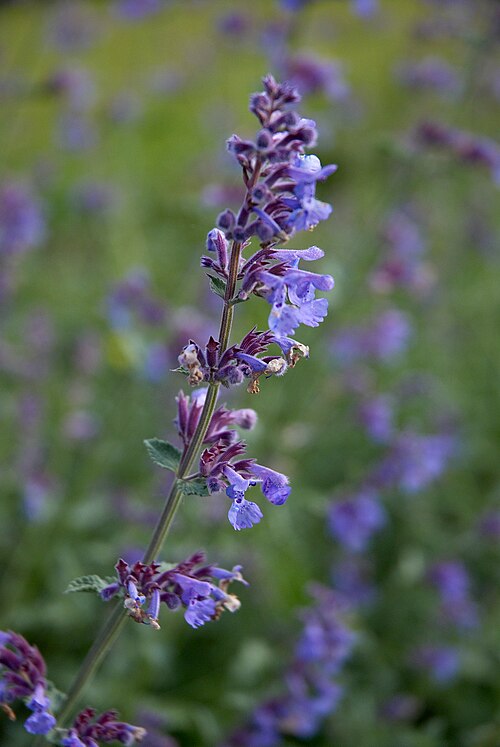
- Provide Alternatives: Offer your cat plenty of cat-safe plants to chew on, such as cat grass (oats, wheat, rye, or barley grass) or Catmint. This can redirect their chewing instincts away from potentially harmful plants.
- Secure Products: Store all chamomile teas, essential oils, and supplements in secure cabinets that your cat cannot open or knock over.
Are There Any Cat-Friendly Alternatives to Chamomile?
If you're looking for plants with calming properties or simply beautiful additions to your garden that are safer for cats, consider these options:
- Cat Grass (Oats, Wheat, Barley): These are excellent, safe options for cats to chew on, providing fiber and enrichment.
- Catnip (Nepeta cataria): While not calming for all cats (some get energetic!), it's generally considered safe and many cats love it.
- Valerian: Some cats respond to valerian root with calming effects, similar to catnip. However, as with any herb, consult your vet before offering it.
- Spider Plant (Chlorophytum comosum): A common houseplant that is not listed as toxic to cats by the ASPCA.
- Boston Fern (Nephrolepis exaltata): Another popular houseplant that is not listed as toxic.
- Sunflowers (Helianthus annuus): The plant itself is not listed as toxic, though seeds should be given in moderation.
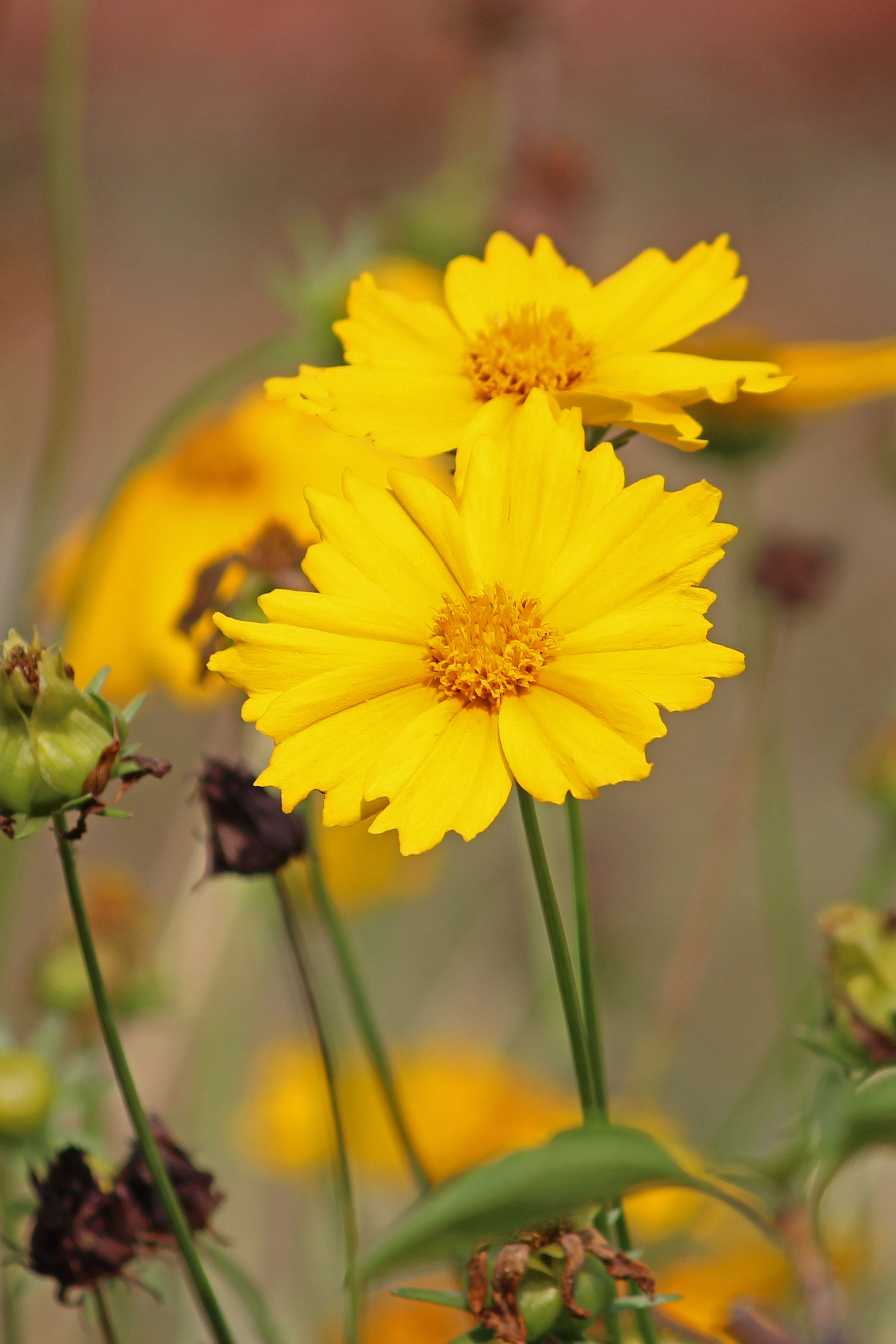
- *Coreopsis (Coreopsis spp.):* A cheerful, daisy-like flower that is not listed as toxic to cats. Coreopsis
Always double-check the ASPCA's toxic and non-toxic plant lists when selecting new plants for your home and garden, especially if your cat is known to chew on foliage.
What Should I Do If My Cat Eats Chamomile?
If you witness your cat eating chamomile or notice any of the symptoms mentioned above, act quickly:
- Remove Access: Immediately remove any remaining plant material from your cat's reach and mouth.
- Contact a Professional: Call your veterinarian or the ASPCA Animal Poison Control Center at (888) 426-4435. Be prepared to provide information about the type of chamomile (if known), the amount ingested (even an estimate helps), and your cat's symptoms.
- Follow Advice: Follow the instructions given by the veterinary professional. They may advise you to monitor your cat at home or bring them in for immediate treatment.
- Do Not Induce Vomiting: Never try to induce vomiting in your cat unless specifically instructed to do so by a veterinarian, as it can sometimes cause more harm than good.
While chamomile offers benefits for humans, it's essential to prioritize the safety of our beloved feline companions. By understanding the risks and taking preventative measures, you can ensure your home and garden remain a safe haven for your cat.
Ready to find the perfect plants for your yard? Try the PlantWise Plant Finder →