Is Aloe Vera Safe for Dogs? Complete Guide
Many of us love to keep aloe vera plants around the house for their striking appearance and the soothing properties of their gel for human skin. However, if you're a dog owner, you might be wondering: Is aloe vera safe for dogs? The short answer is no, aloe vera is considered toxic to dogs. While the inner gel of the leaf, often used in commercial products, is generally not harmful, the outer leaf, which contains a yellowish latex called aloin, is toxic if ingested by canines. This latex can cause gastrointestinal upset and other symptoms in your beloved pet.
Understanding the risks associated with common houseplants is crucial for creating a safe environment for your furry friends. This guide will delve into why aloe vera is toxic, what symptoms to look out for, and how to keep your dog safe while still enjoying beautiful plants in your home and garden.
🌱 Get Personalized Plant Picks
Answer a few quick questions and we’ll match plants to your exact yard conditions.
Find My Plants →Why is Aloe Vera Toxic to Dogs?
The primary culprit behind aloe vera's toxicity to dogs is a compound called aloin, which is found in the latex layer just beneath the outer skin of the leaf. When dogs ingest this latex, it acts as a laxative and can cause irritation to their digestive system.
While many commercial aloe vera products for humans (like juices or skincare) are processed to remove aloin, the raw plant itself contains it in significant quantities. Dogs, being naturally curious, might chew on the leaves, especially if they are bored or exploring new textures. It's this direct ingestion of the raw plant material that poses a risk.
What Symptoms Will My Dog Show if They Eat Aloe Vera?
If your dog ingests the toxic parts of an aloe vera plant, you might observe a range of symptoms, primarily affecting their gastrointestinal system. The severity of these symptoms can depend on the amount ingested and your dog's individual sensitivity.
Common symptoms include:
- Vomiting: One of the most immediate signs of irritation.
- Diarrhea: Often accompanied by abdominal discomfort.
- Lethargy: Your dog may seem unusually tired or less active.
- Anorexia: Loss of appetite.
- Changes in urine color: In some cases, urine may appear reddish due to the aloin.
- Tremors (rare): In severe cases, neurological symptoms can occur.
If you suspect your pet has ingested a toxic plant, call the ASPCA Animal Poison Control Center immediately at (888) 426-4435. It's always better to be safe and seek professional veterinary advice.
Quick Reference: Aloe Vera and Dogs
| Feature | Description |
|---|---|
| Toxicity Level | Mild to Moderate. The outer leaf/latex is toxic. |
| Toxic Compound | Aloin (anthraquinone glycosides) |
| Symptoms | Vomiting, diarrhea, lethargy, anorexia, changes in urine color. Rarely, tremors. |
| Action | If ingested, contact your vet or ASPCA Animal Poison Control immediately. Remove plant from pet's reach. |
| Prevention | Keep aloe vera plants out of reach, use pet-safe alternatives, supervise your dog around plants. |
How Can I Keep My Dog Safe from Toxic Plants?
Preventing your dog from accessing toxic plants is the best course of action. Here are some practical tips:
- Placement is Key: Place all houseplants, including aloe vera, in areas your dog cannot reach. This might mean high shelves, hanging planters, or rooms with restricted access.
- Supervise Outdoors: If you have aloe vera outdoors (common in warmer climates), supervise your dog or fence off areas where toxic plants are located.
- Educate Yourself: Learn which plants in your home and garden are toxic to pets. The ASPCA website is an excellent resource.
- Provide Alternatives: Ensure your dog has plenty of appropriate chew toys and mental stimulation to deter them from chewing on plants out of boredom.
- Train "Leave It": Teach your dog commands like "leave it" to prevent them from investigating plants.
- Consider Pet-Safe Plants: Opt for plants that are not listed as toxic to dogs. There are many beautiful options available!
What Are Some Pet-Friendly Plant Alternatives to Aloe Vera?
If you're looking for attractive plants that won't pose a risk to your canine companion, there are many wonderful options. While no plant is truly "safe" for consumption in large quantities (even non-toxic plants can cause mild stomach upset if a pet overeats them), these options are not listed as toxic by the ASPCA.
Here are a few ideas for both indoor and outdoor pet-friendly plants:
Indoor Pet-Friendly Plants:
- Boston Fern (Nephrolepis exaltata): A classic, lush fern that adds greenery and is not listed as toxic.
- Prayer Plant (Maranta leuconeura): Known for its beautiful patterned leaves that fold up at night. Not listed as toxic.
- Spider Plant (Chlorophytum comosum): Easy to care for and a great air purifier. Not listed as toxic.
- African Violet (Saintpaulia spp.): Produces lovely, colorful blooms and is not listed as toxic.
Outdoor Pet-Friendly Plants (for your garden):
For your garden, consider plants that add beauty without the worry. While no plant is truly deer-proof or rabbit-proof, these options are generally less appealing to pets and are not listed as toxic.
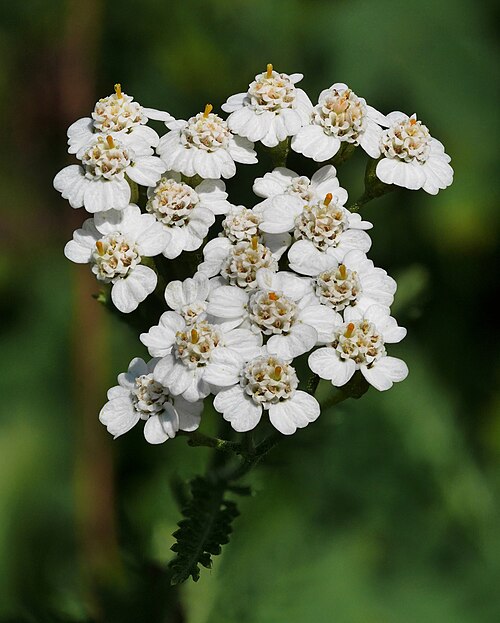
Yarrow Yarrow (Achillea millefolium): This perennial offers beautiful, flat-topped flower clusters in various colors. It's drought-tolerant and attracts pollinators, making it a great addition to a sunny garden. Not listed as toxic to dogs.
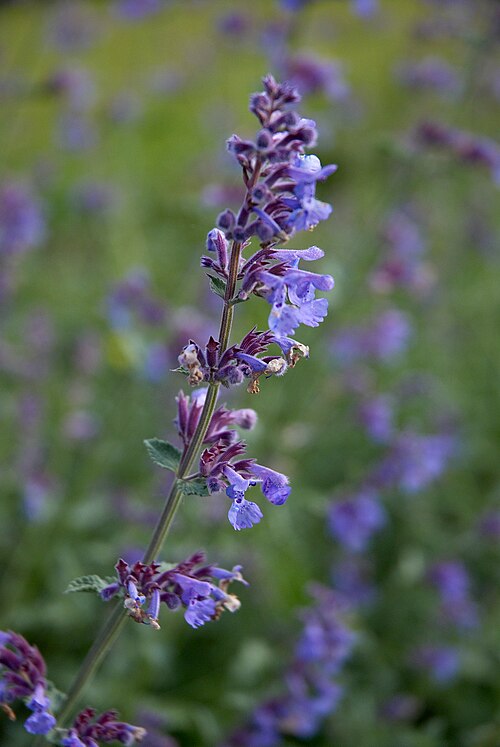
Catmint Catmint (Nepeta spp.): A favorite for its long-lasting purple blooms and aromatic foliage. While cats love it, it's generally not listed as toxic to dogs and can be a beautiful, low-maintenance choice.
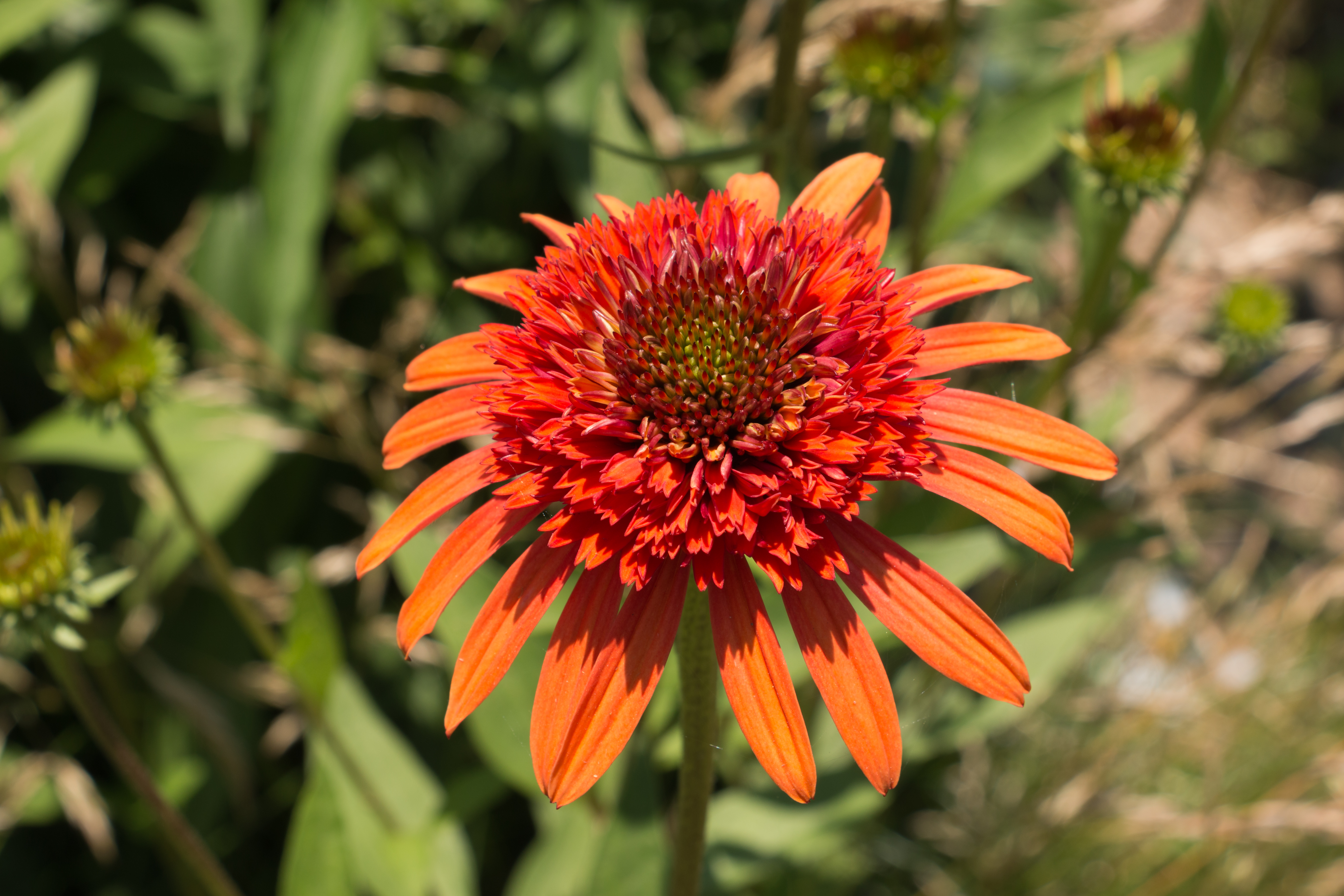
Coneflower Coneflower (Echinacea purpurea): Iconic prairie flowers with distinctive cone-shaped centers and vibrant petals. They are hardy, drought-tolerant, and attract butterflies. Not listed as toxic to dogs.
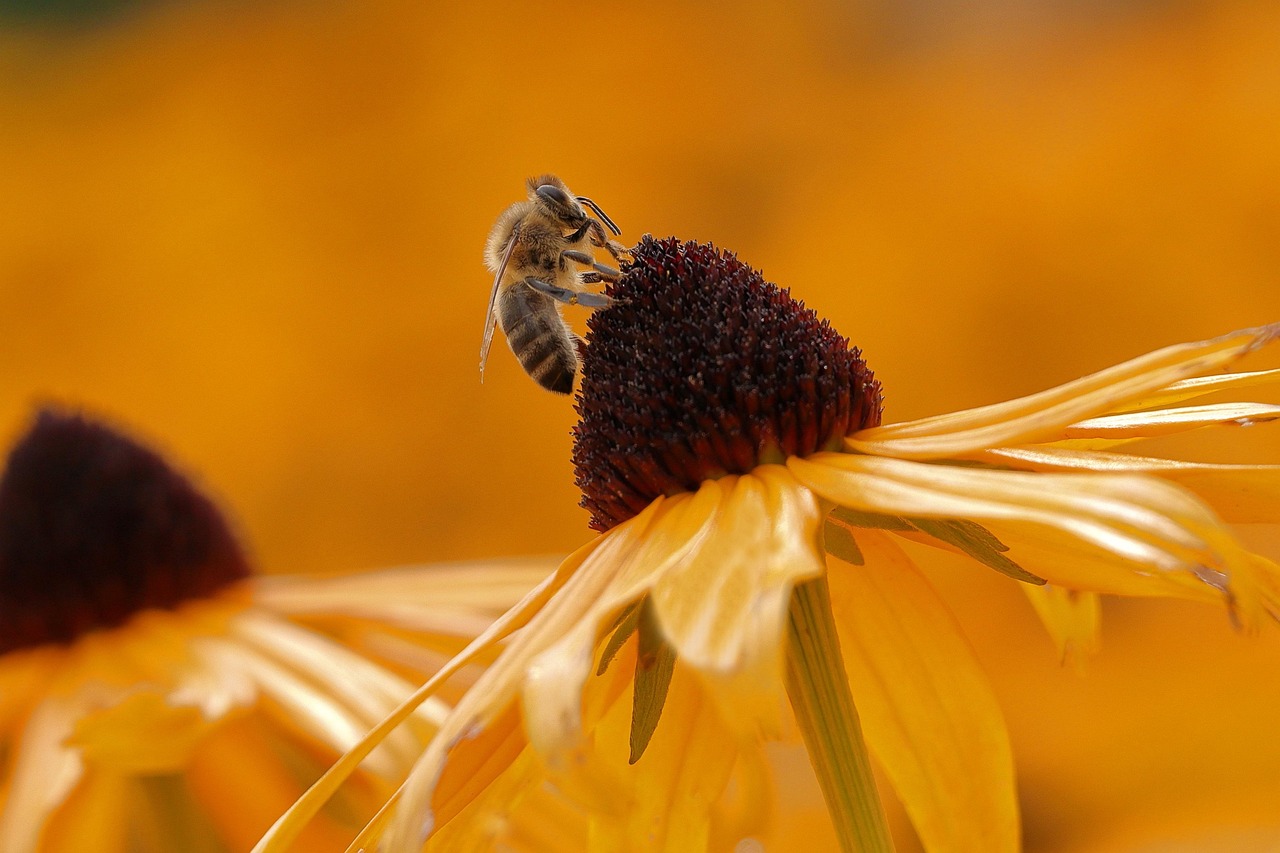
Black-eyed Susan Black-Eyed Susan (Rudbeckia hirta): Cheerful, daisy-like flowers with dark centers, bringing a burst of sunshine to any garden. They are relatively easy to grow and not listed as toxic to dogs.
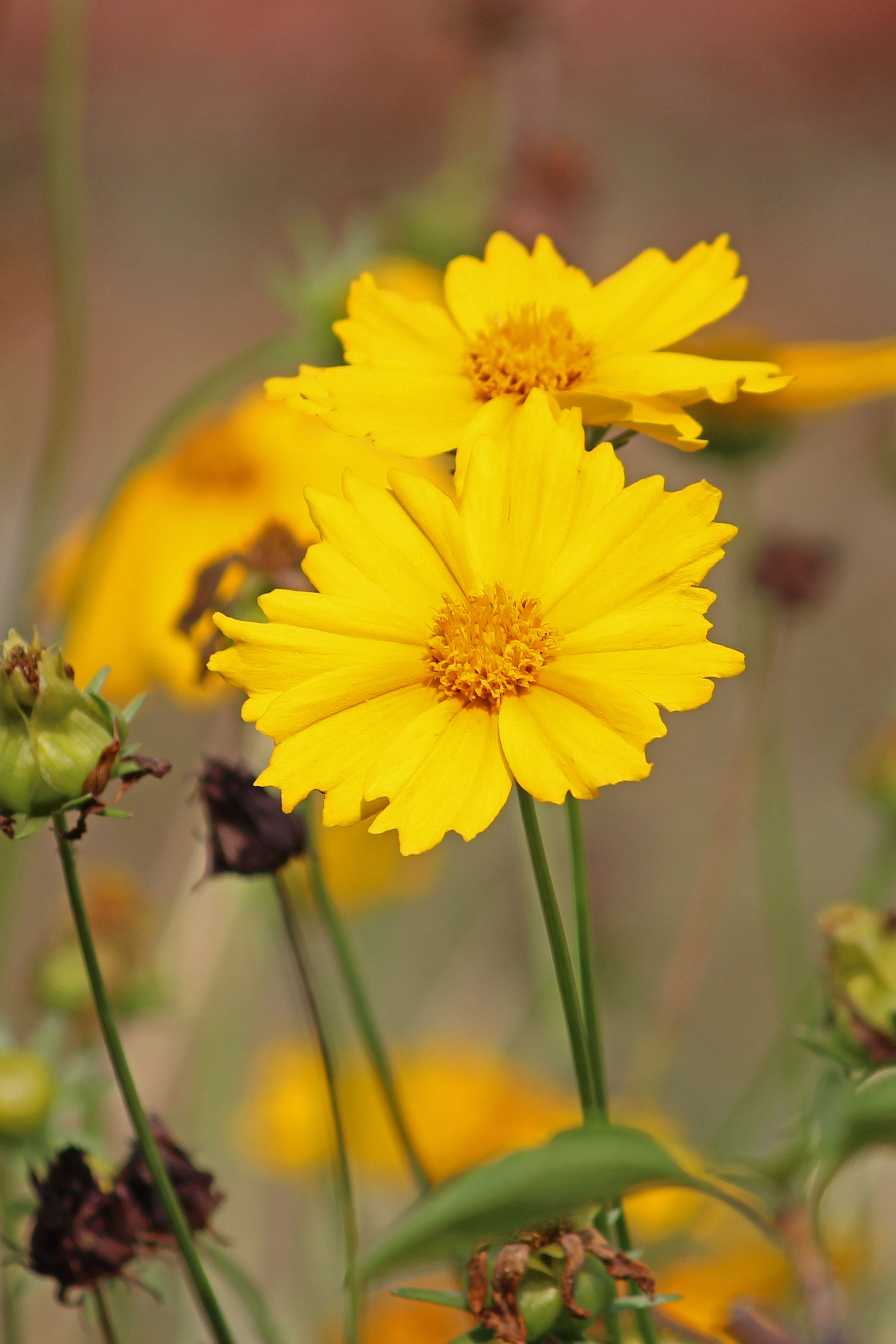
Coreopsis Coreopsis (Coreopsis spp.): Also known as Tickseed, these plants offer a profusion of bright, often yellow or pink, daisy-like flowers. They are low-maintenance and not listed as toxic to dogs.
By choosing non-toxic alternatives and practicing good plant placement, you can enjoy a beautiful home and garden while ensuring your beloved dog stays safe and healthy.
Ready to find the perfect plants for your yard? Try the PlantWise Plant Finder →