Why Deer Resistance Matters
If you live in zones 4-8 across the eastern United States, deer damage is likely your number-one landscaping frustration. The average white-tailed deer eats 6-10 pounds of vegetation daily, and a single herd can devastate a garden overnight.
The good news: certain plants have evolved natural defenses-strong scents, fuzzy textures, or bitter compounds-that deer consistently avoid. While no plant is truly "deer-proof" (a starving deer will eat almost anything), the plants below have proven track records across thousands of gardens.
🌱 Get Personalized Plant Picks
Answer a few quick questions and we’ll match plants to your exact yard conditions.
Find My Plants →Top 15 Deer-Resistant Plants
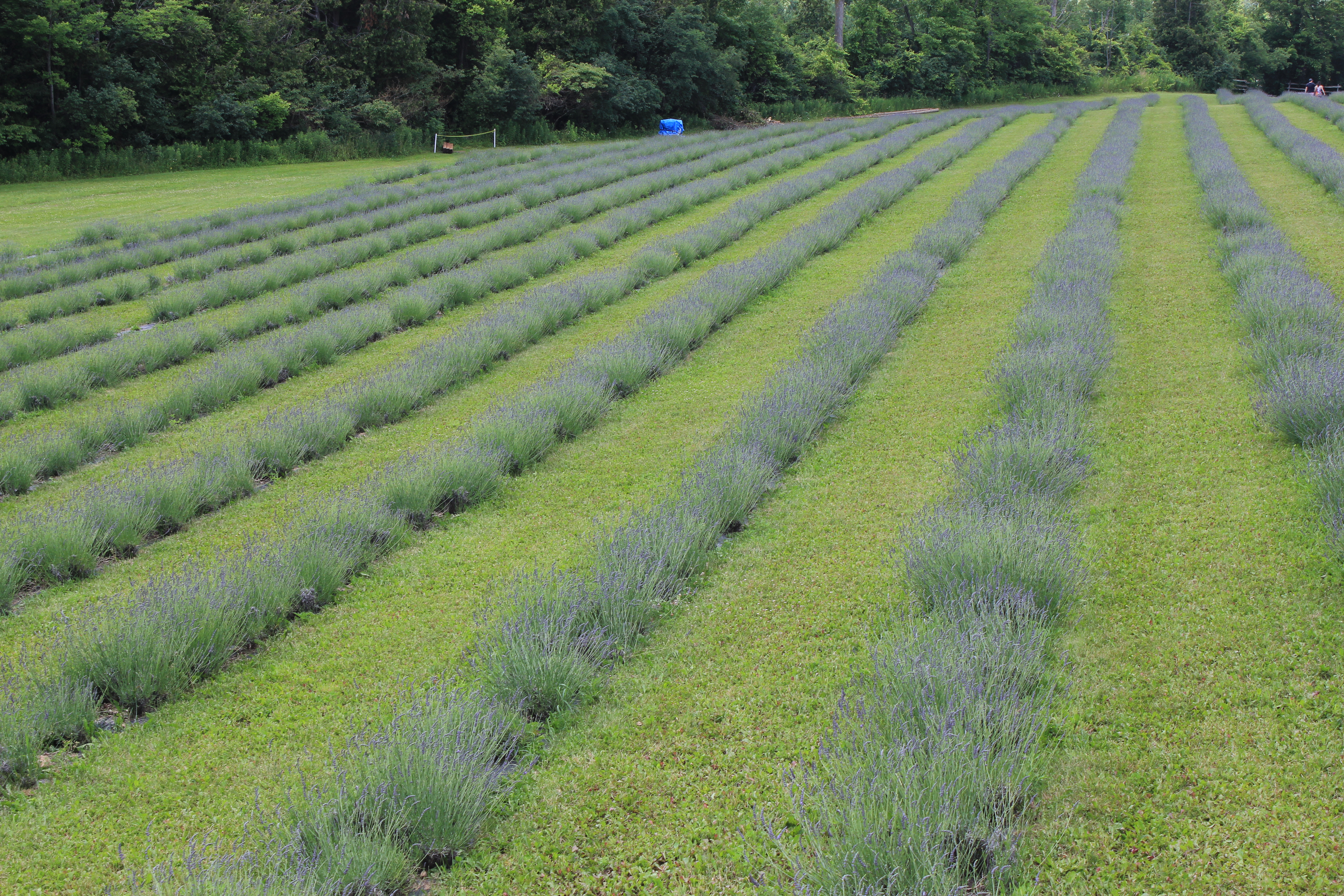
1. Lavender (Lavandula angustifolia)
Zones 5-9 | Full Sun | Low Water
Lavender's intense fragrance is precisely what deer hate. The aromatic oils that make it a kitchen and aromatherapy staple are a natural deterrent. Plant it as a border around more vulnerable plants for double duty.
Best varieties: 'Hidcote' (compact, deep purple), 'Munstead' (early blooming), 'Phenomenal' (heat and humidity tolerant)
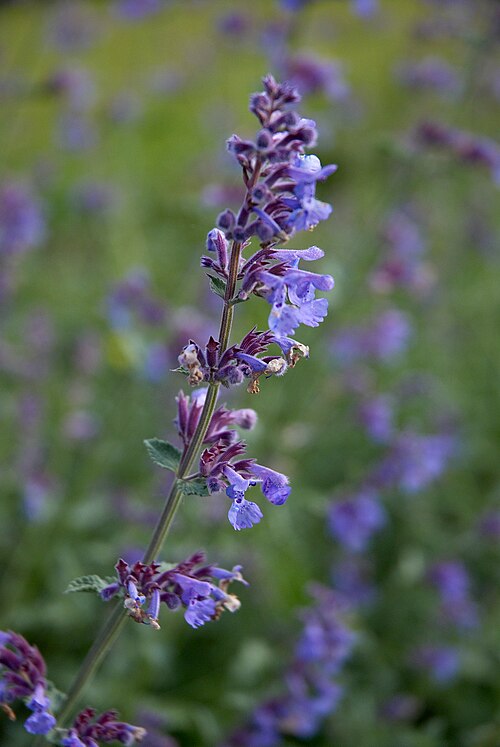
2. Catmint (Nepeta × faassenii)
Zones 3-8 | Full Sun to Part Shade | Low Water
One of the most reliable deer-resistant perennials available. Catmint blooms continuously from late spring through fall with minimal care. Its aromatic foliage is a strong deterrent, and pollinators love it.
Best varieties: 'Walker's Low' (2-3 ft, spreading habit), 'Cat's Meow' (compact, 17-20 inches)
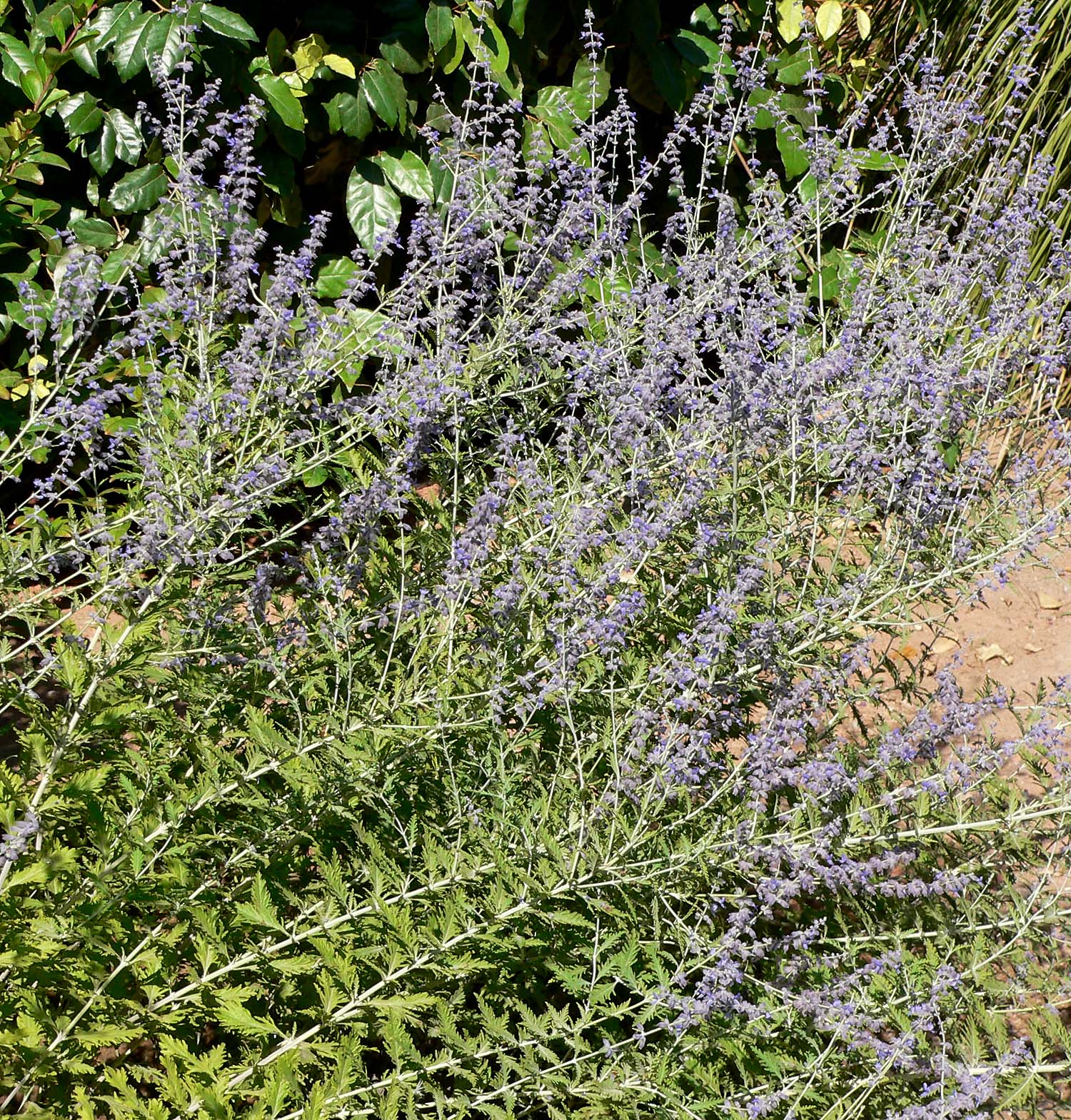
3. Russian Sage (Perovskia atriplicifolia)
Zones 4-9 | Full Sun | Drought Tolerant
The silvery, aromatic foliage and airy blue flower spikes create a stunning display that deer completely ignore. Russian sage is also drought-tolerant once established, making it ideal for low-maintenance landscapes.
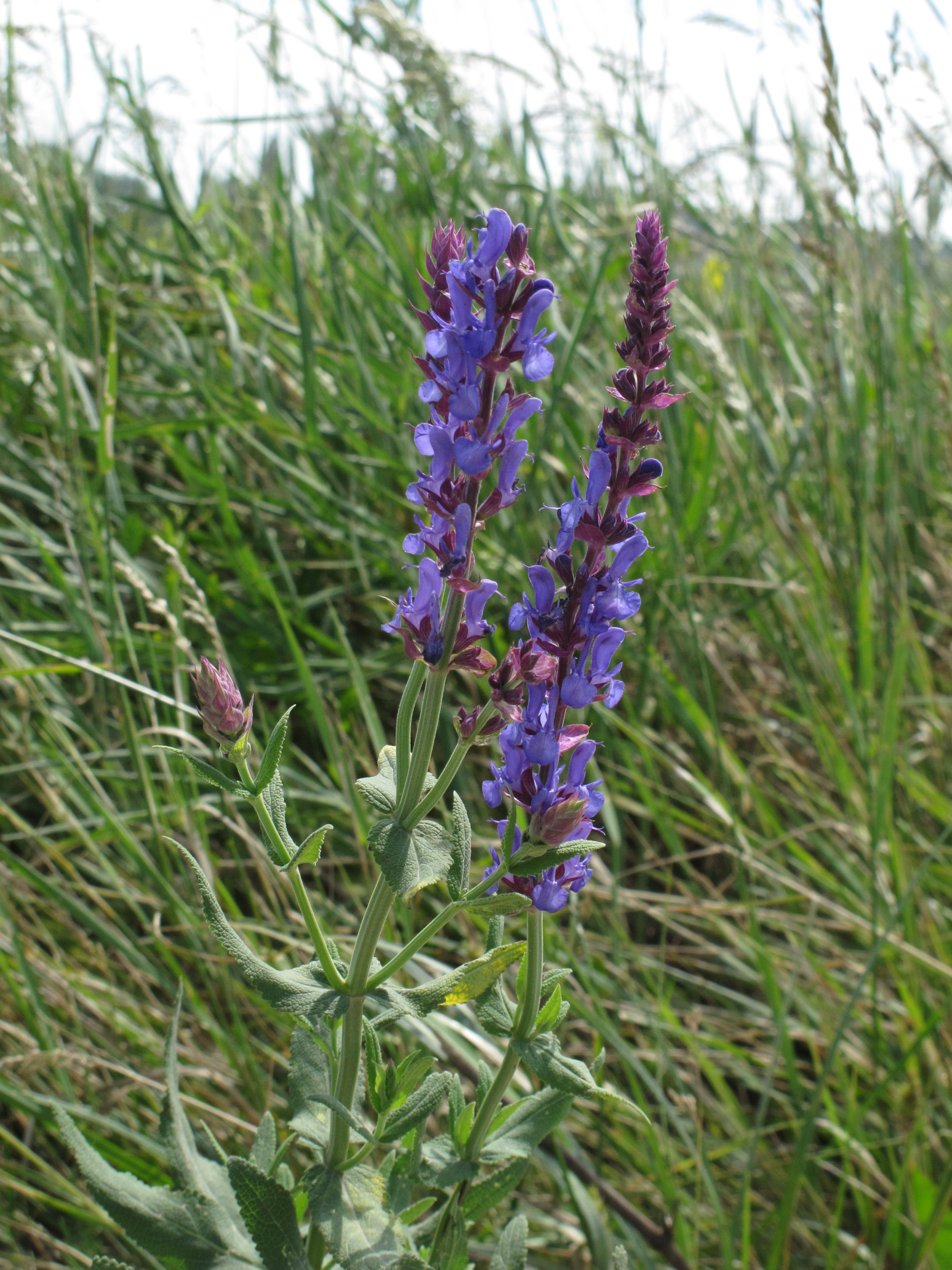
4. Salvia (Salvia nemorosa)
Zones 3-8 | Full Sun | Low to Moderate Water
Ornamental salvias combine deer resistance with exceptional pollinator value. The strong-scented foliage deters browsers while the flower spikes attract hummingbirds and butterflies all season.
Best varieties: 'May Night' (deep violet), 'Caradonna' (dark stems), 'Blue Hill' (true blue)
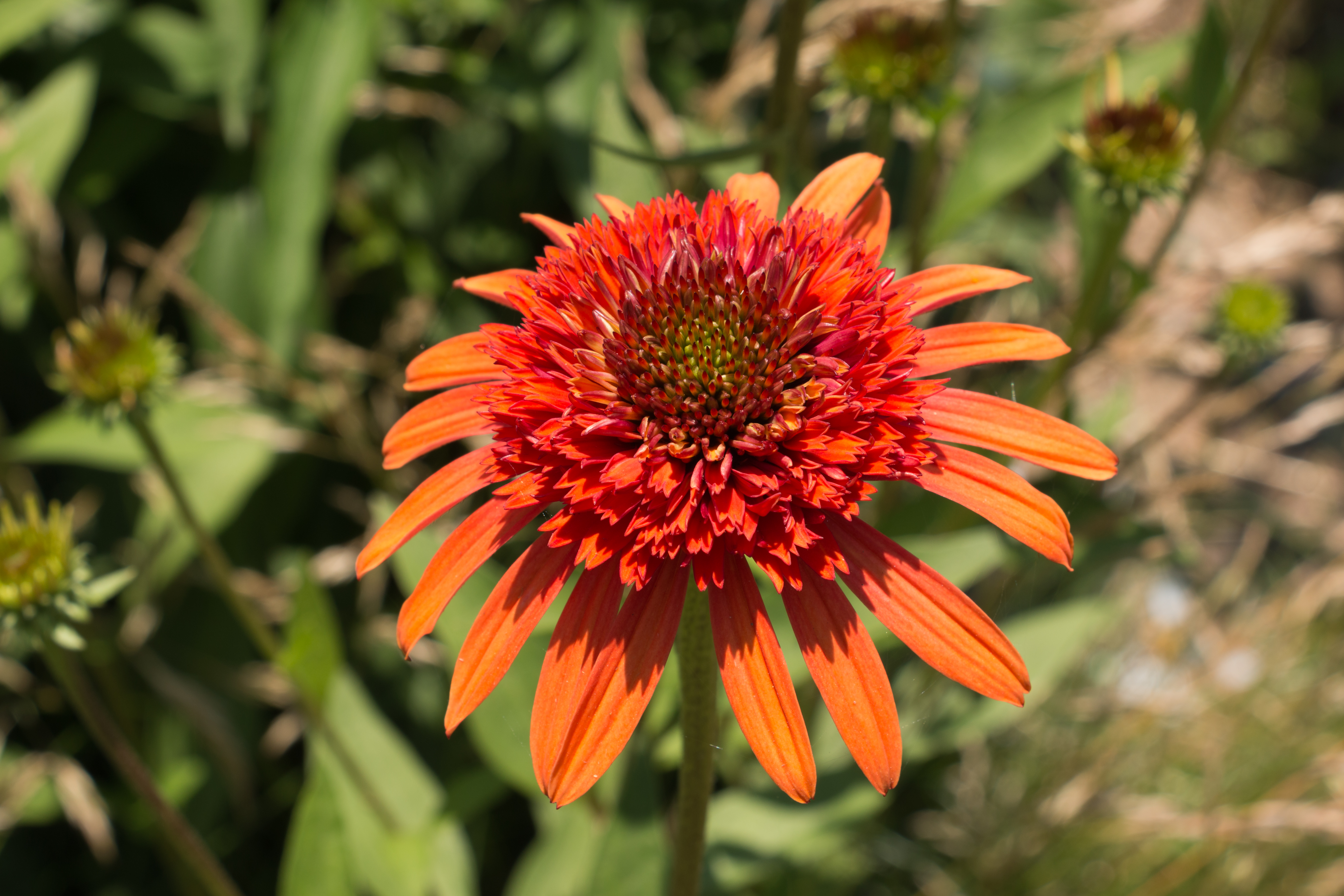
5. Coneflower (Echinacea purpurea)
Zones 3-8 | Full Sun | Moderate Water
Native coneflowers are rarely browsed by deer and provide critical habitat for pollinators and songbirds. The seed heads persist through winter, offering food for goldfinches and visual interest.
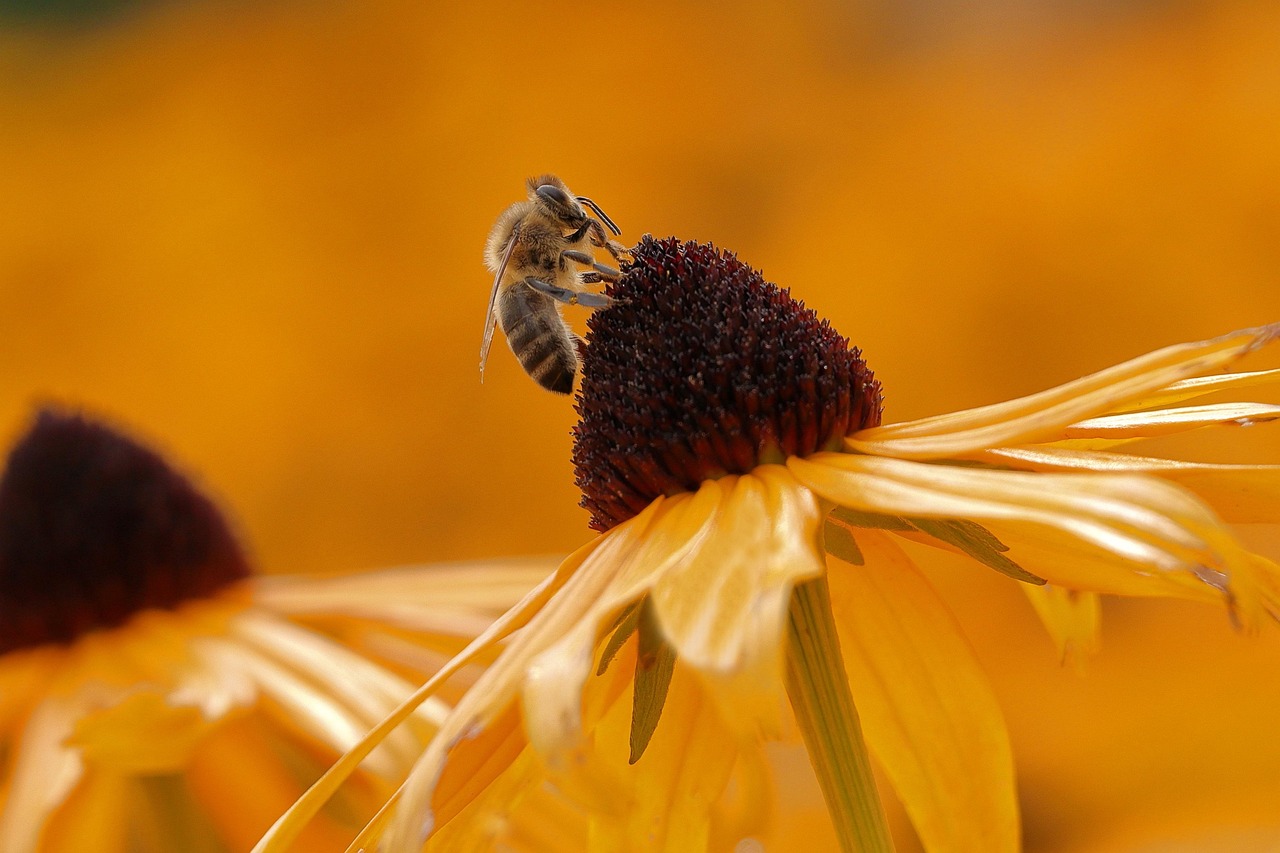
6. Black-eyed Susan (Rudbeckia fulgida)
Zones 3-9 | Full Sun to Part Shade | Moderate Water
Another native powerhouse that deer tend to avoid. The rough, hairy stems and leaves are unappealing to browsers. 'Goldsturm' is the gold standard variety-reliable, long-blooming, and virtually indestructible.
7. Ornamental Grasses
Zones vary | Full Sun | Low Water
Most ornamental grasses are completely ignored by deer. Their narrow, tough leaves offer no appeal. Top picks include:
- Switchgrass (Panicum virgatum) - native, zones 4-9
- Little Bluestem (Schizachyrium scoparium) - native, zones 3-9
- Fountain Grass (Pennisetum alopecuroides) - zones 5-9
8. Boxwood (Buxus sempervirens)
Zones 5-9 | Full Sun to Part Shade | Moderate Water
The classic evergreen hedge plant is highly deer-resistant thanks to its bitter, alkaloid-rich leaves. Use it for year-round structure and privacy.
9. Barberry (Berberis thunbergii)
Zones 4-8 | Full Sun to Part Shade | Low Water
Thorny stems make barberry a physical deterrent as well as a chemical one. Modern varieties like 'Crimson Pygmy' offer stunning burgundy foliage without the invasive tendencies of older cultivars.
10. Lamb's Ear (Stachys byzantina)
Zones 4-8 | Full Sun | Low Water
The thick, fuzzy silver leaves are completely unappealing to deer. Lamb's ear makes an excellent groundcover or border plant and is nearly indestructible in well-drained soil.
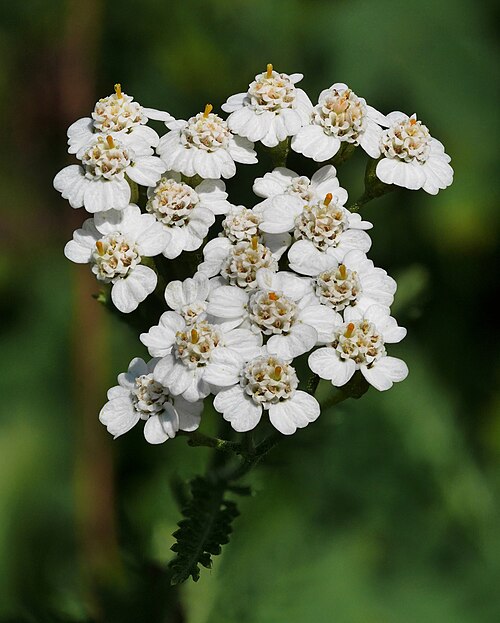
11. Yarrow (Achillea millefolium)
Zones 3-9 | Full Sun | Drought Tolerant
Native yarrow's strongly aromatic, fern-like foliage is a reliable deer deterrent. Modern hybrids come in colors from soft pastels to vibrant reds, and all are equally resistant.
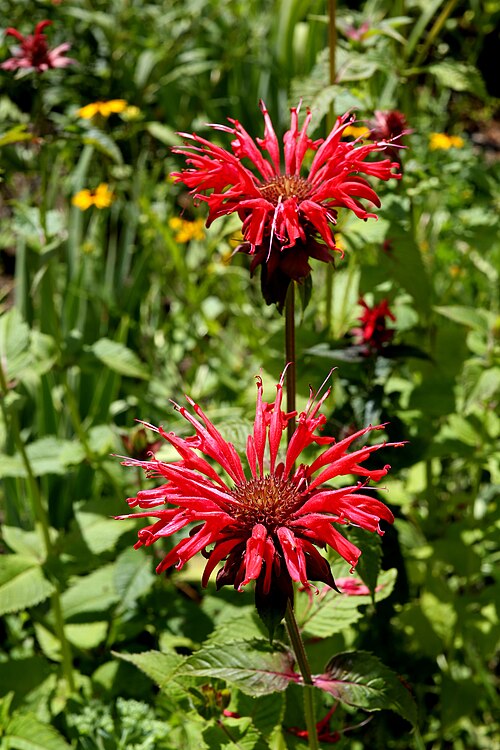
12. Bee Balm (Monarda didyma)
Zones 4-9 | Full Sun to Part Shade | Moderate Water
The intensely aromatic foliage (it's in the mint family) keeps deer away while the tubular flowers are magnets for hummingbirds. Choose mildew-resistant varieties like 'Jacob Cline' or 'Raspberry Wine.'
13. Foxglove (Digitalis purpurea)
Zones 4-8 | Part Shade | Moderate Water
Deer avoid foxglove because it's genuinely toxic-all parts contain cardiac glycosides. This makes it one of the most reliably deer-proof plants available, though it should be planted away from areas where children or pets play.
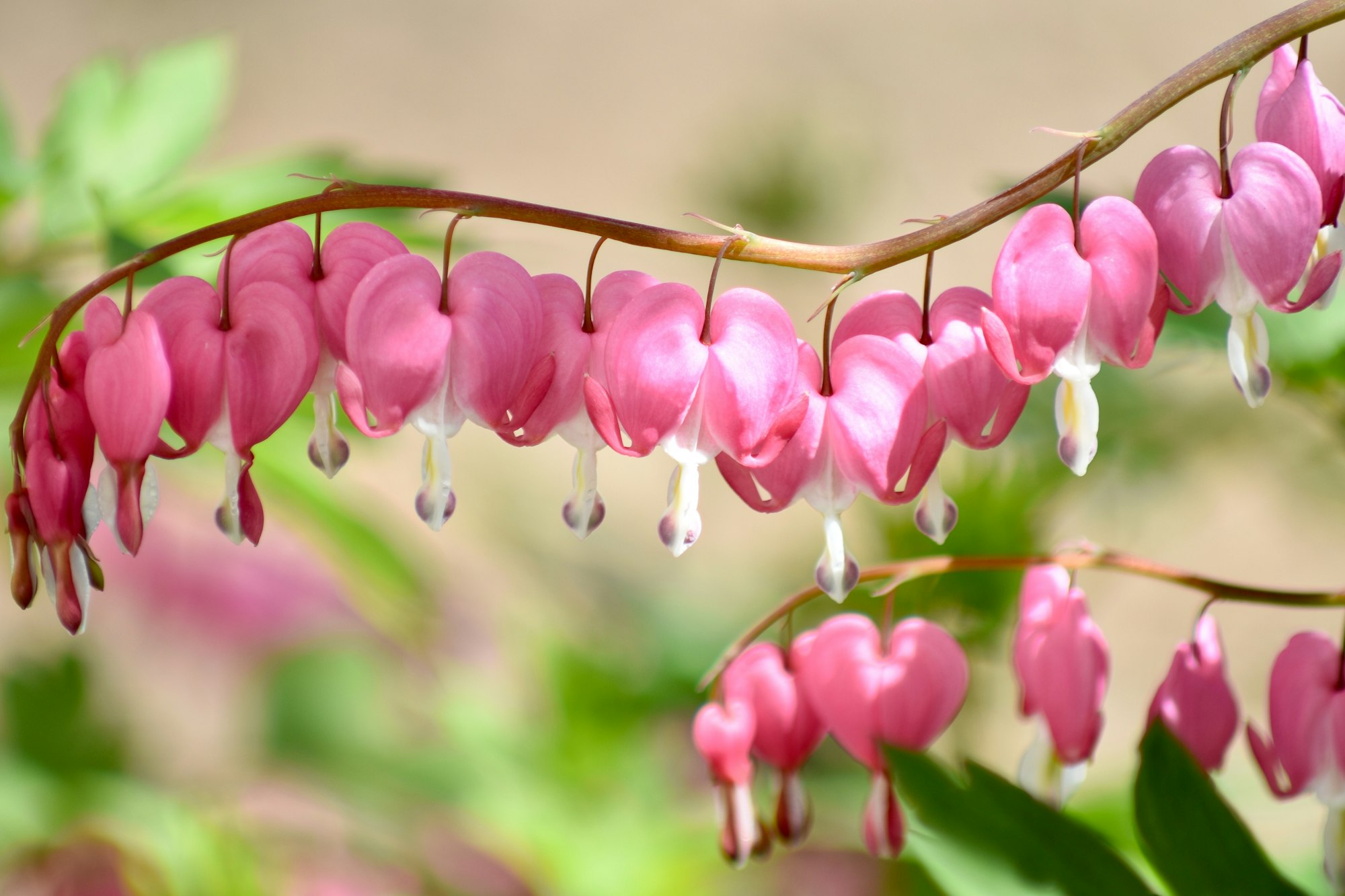
14. Bleeding Heart (Dicentra spectabilis)
Zones 3-9 | Part Shade to Full Shade | Moderate Water
A shade garden staple that deer consistently ignore. The alkaloid compounds in the foliage are unpalatable. The heart-shaped flowers in spring are among the most elegant in the garden.
15. Alliums (Allium spp.)
Zones 3-9 | Full Sun | Low Water
Anything in the onion family is deer-resistant. Ornamental alliums range from the towering 'Globemaster' (4-foot stems with 10-inch purple spheres) to the dainty drumstick allium. Plant bulbs in fall for spring and early summer bloom.
Deer-Resistant Garden Design Tips
Layer your defenses. Plant the most aromatic species (lavender, catmint, sage) at the garden's perimeter where deer approach first.
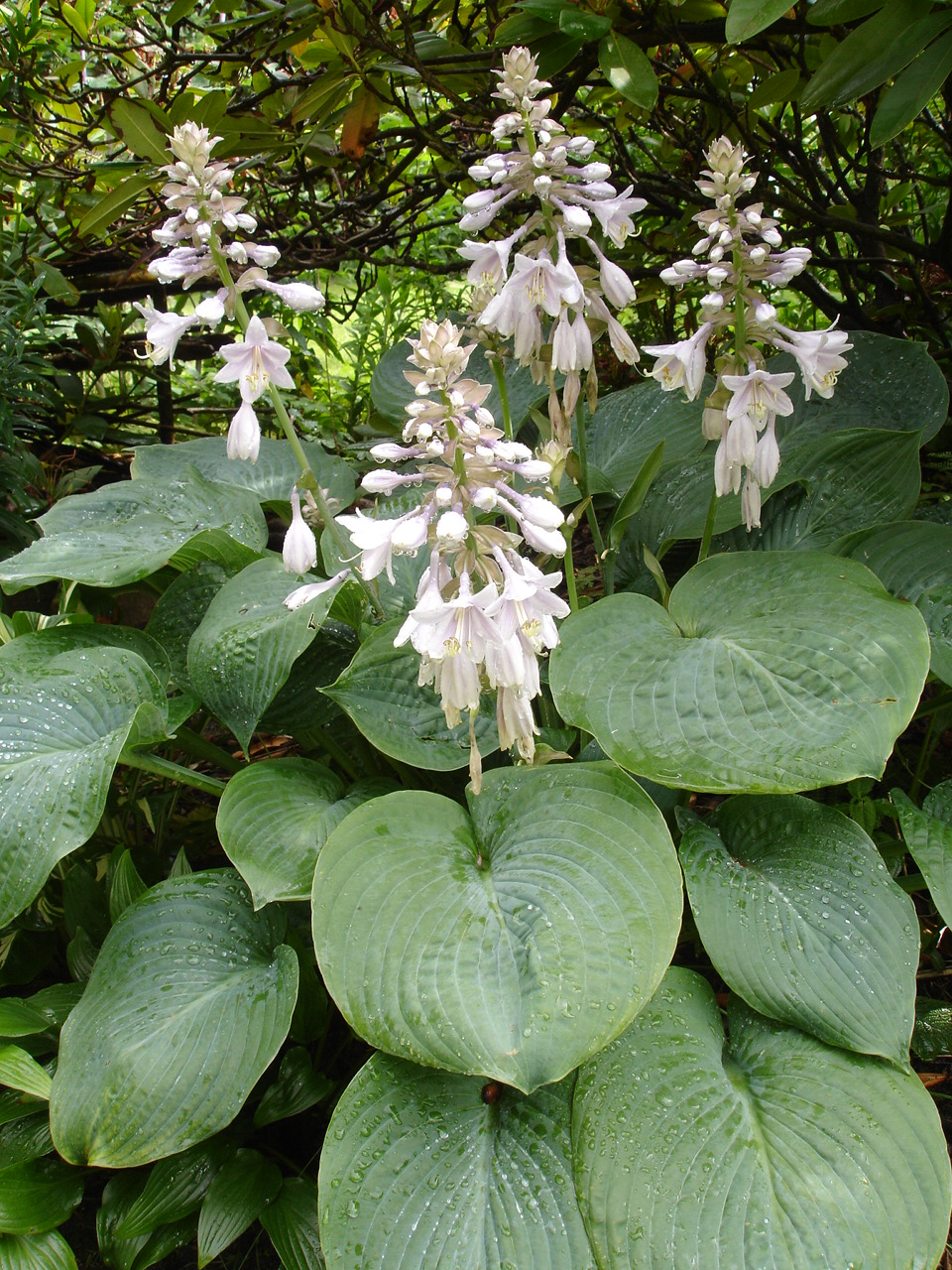
Avoid deer magnets. Hostas, daylilies, tulips, and roses are deer candy. If you must grow them, surround them with deterrent plants.
Use texture. Deer dislike fuzzy (lamb's ear), spiny (barberry), and leathery (boxwood) textures. Incorporate these throughout your design.
Think native. Many native plants have co-evolved with deer and developed natural defenses. They're also better for local ecosystems.
Accept imperfection. No plant is 100% deer-proof. In severe winters or drought, hungry deer may sample plants they normally avoid.
Find Your Perfect Deer-Resistant Plants
Use the PlantWise Recommendation Wizard to find deer-resistant plants matched to your specific USDA zone, sun exposure, and soil conditions. All recommendations include care guides and links to purchase from trusted nurseries.
Disclaimer: While these plants have strong track records of deer resistance, no plant is guaranteed deer-proof. Hungry or stressed animals may eat plants they typically avoid.