Coreopsis vs. Rudbeckia: Which Is More Deer Resistant?
Short answer: Neither Coreopsis nor Rudbeckia is guaranteed deer-proof, but Rudbeckia (Black‑eyed Susan) often fares a bit better in many gardens. Both are generally considered moderately deer‑resistant - meaning deer will usually leave them alone when food is plentiful, but will browse them when pressure is high or in winter. Below you’ll find practical tips to choose varieties and protect your border so you keep color without feeding deer.
Which Is More Deer Resistant: Coreopsis or Rudbeckia?
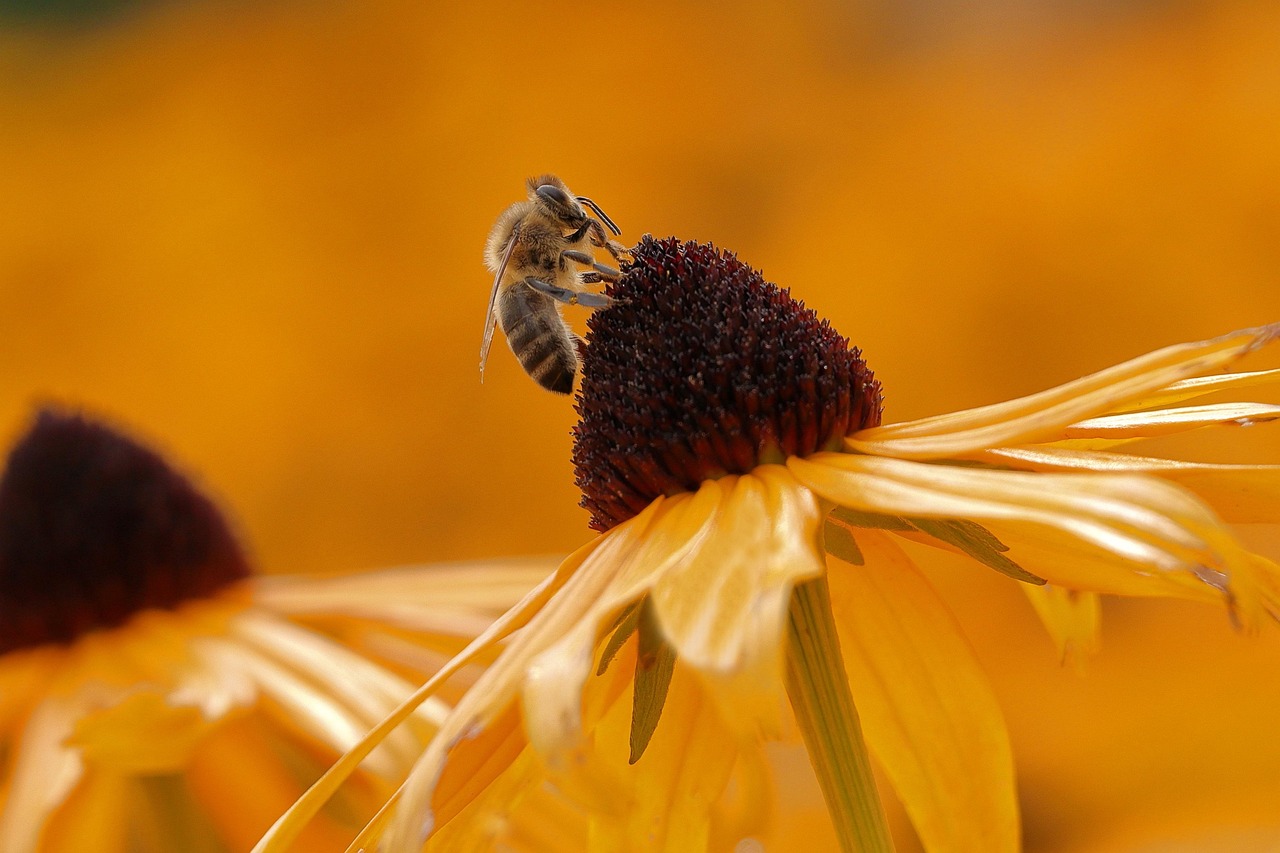
Rudbeckia (Black‑eyed Susan) typically ranks slightly higher on deer‑resistance lists than Coreopsis. Rudbeckia’s coarse foliage and tougher stems are less appealing to deer than the softer, more tender foliage of many Coreopsis species. That said, the difference is not dramatic - both are commonly listed as “deer‑resistant to moderately deer‑resistant,” not “deer‑proof.” Local deer habits, seasonal hunger, and nearby food sources have a much bigger impact than the species label.
Quick comparison points:
- Rudbeckia (Black‑eyed Susan): coarse, upright growth; hardy; often ignored by deer but browsed under high pressure.
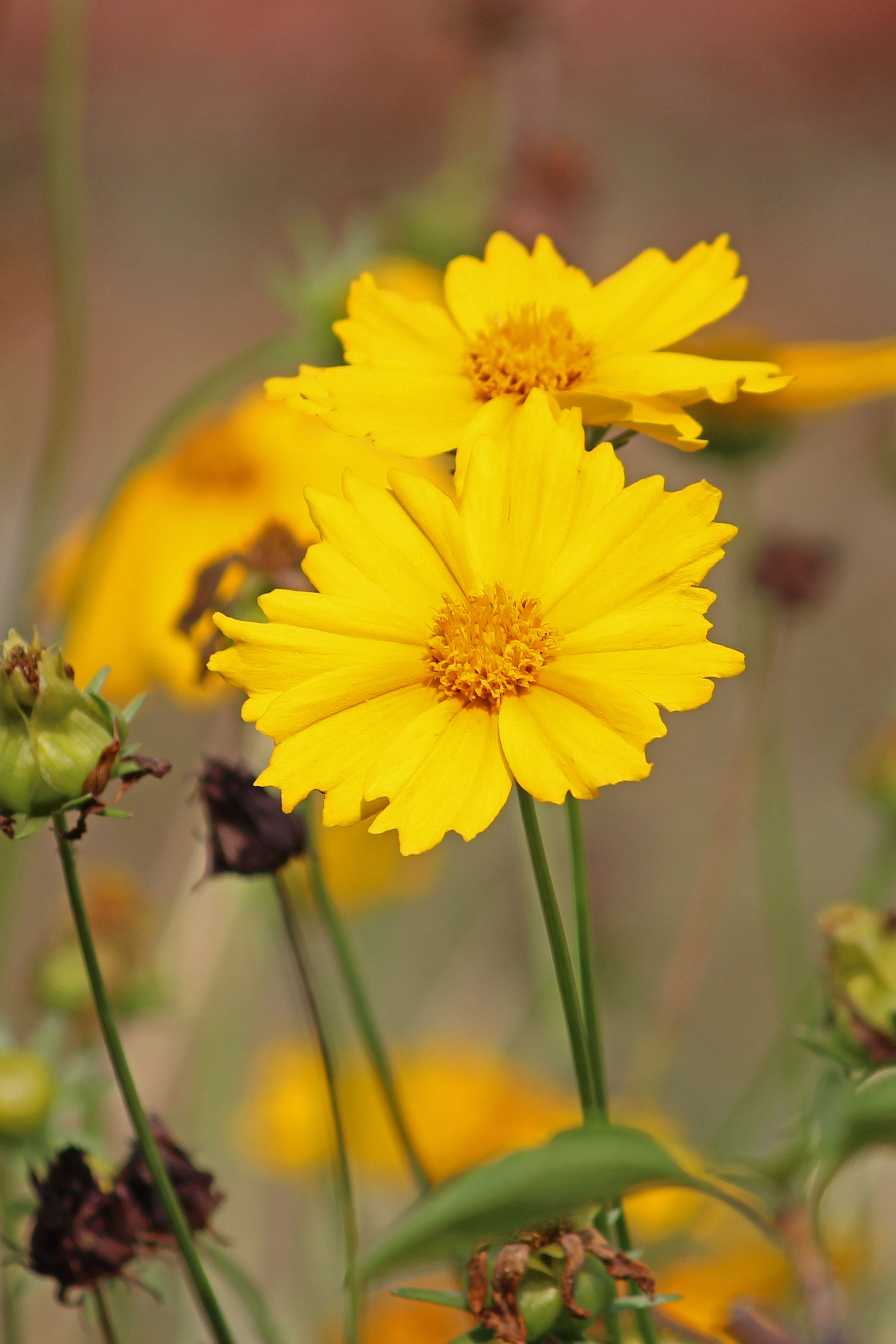
- Coreopsis: fine-textured leaves and tender shoots that can be more attractive in spring; many cultivars still perform well with moderate deer pressure.
🌱 Get Personalized Plant Picks
Answer a few quick questions and we’ll match plants to your exact yard conditions.
Find My Plants →Why Do Deer Avoid (or Eat) These Plants?
Deer feeding is driven by taste, availability, and nutritional need - not plant names. Factors that influence whether a deer will eat a particular plant include:
- Texture: coarse, hairy, or bitter foliage tends to be less palatable.
- Scent and secondary compounds: aromatic or chemically defended plants (e.g., strong oils or bitter compounds) discourage browsing.
- Season and hunger: in late winter or when softer forage is scarce, deer will eat plants they normally avoid.
- Plant stage: tender new growth and seedlings are most at risk.
Both Coreopsis and Rudbeckia lack strong aromatic defenses, so they fall into the “will-eat-if-necessary” category. That’s why planting strategy and protective measures matter more than the plant label.
How to Improve Deer Resistance in Your Garden?
Practical, actionable tactics to keep your Coreopsis and Rudbeckia bloomers intact:
- Plant in groups: large masses of one species are less likely to be completely stripped than scattered plants. Masses also create visual barriers that discourage deep browsing.
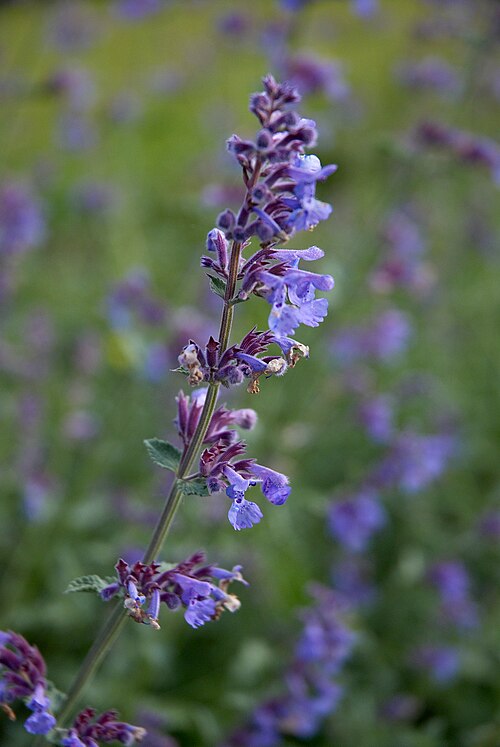
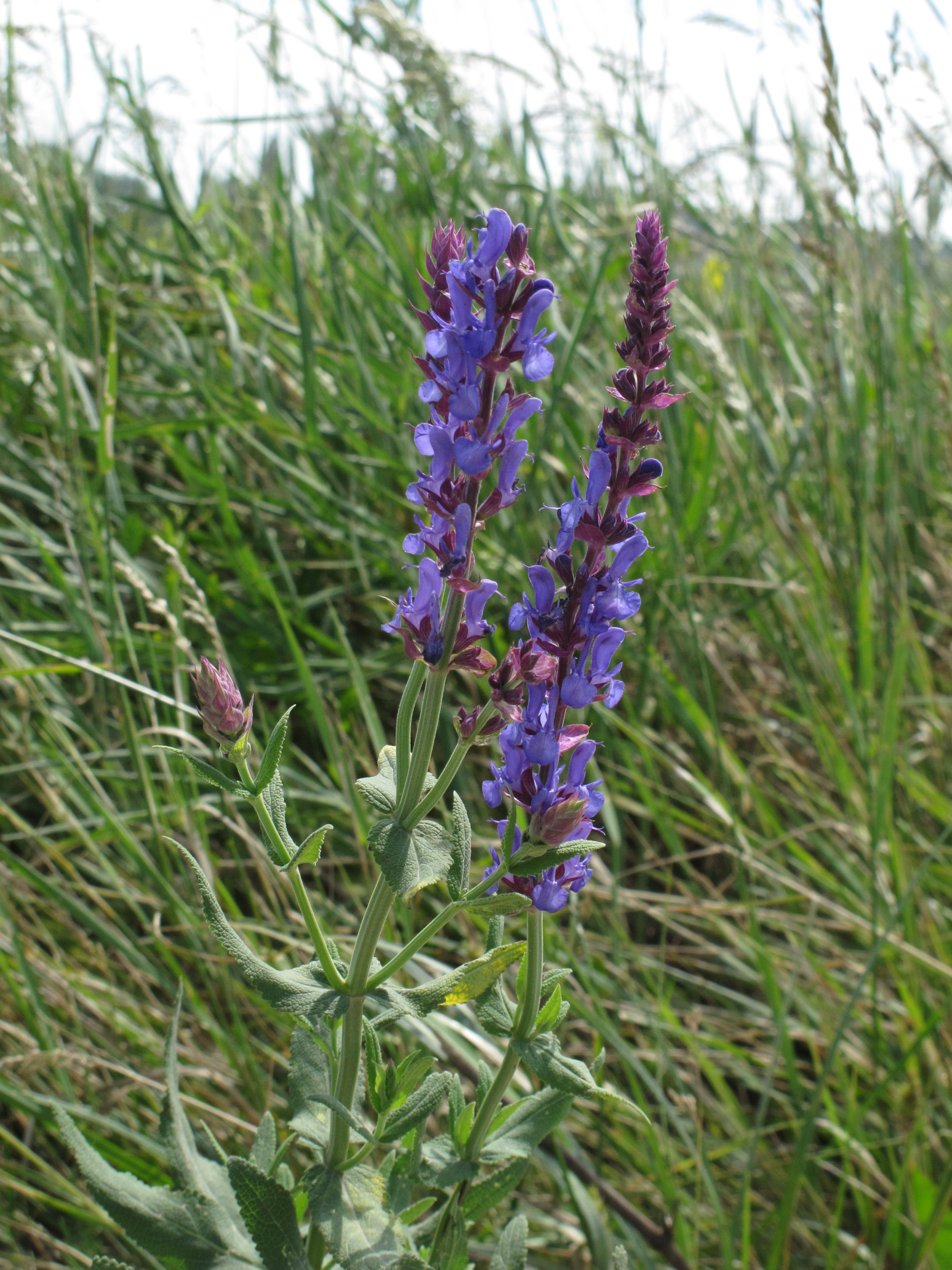
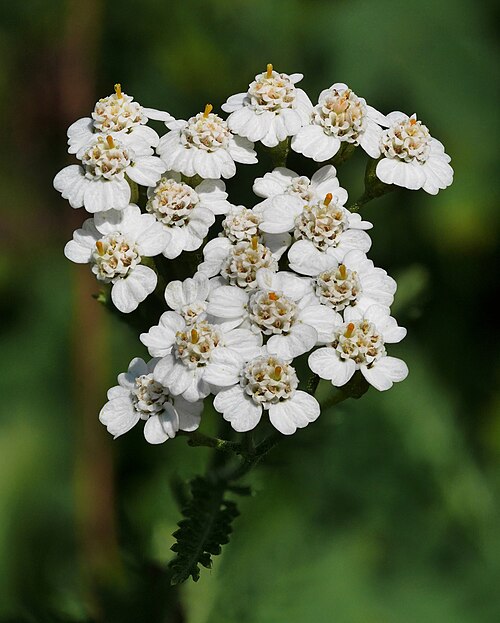
- Mix with strongly aromatic plants: interplant with catmint, salvia, yarrow, or other pungent plants to mask tender foliage. Deer are less likely to graze where strong scents dominate.
- Use physical barriers for high‑value areas: a 6-8 foot fence is the most reliable solution; shorter fences can be effective if combined with repellents and dense shrubs.
- Rotate repellents: scent- and taste-based repellents work best when rotated every 2-4 weeks and after rain. Follow label instructions closely.
- Delay planting of tender starts into the ground until they’re more established, and protect seedlings with temporary cages or netting.
- Keep the landscape tidy: remove fallen fruit, bird seed, and other attractants that encourage deer to linger in beds.
- Time pruning carefully: avoid heavy pruning in late winter/early spring when tender flushes are most attractive.
Remember: no plant is truly deer-proof. Combining cultural tactics with plant choice gives you the best chance of success.
Quick Reference: Deer Resistance at a Glance
Rudbeckia (Black‑eyed Susan) - Moderate deer resistance: often ignored but eaten when hungry.
Coreopsis - Moderate deer resistance: attractive-looking foliage can be nibbled in spring.
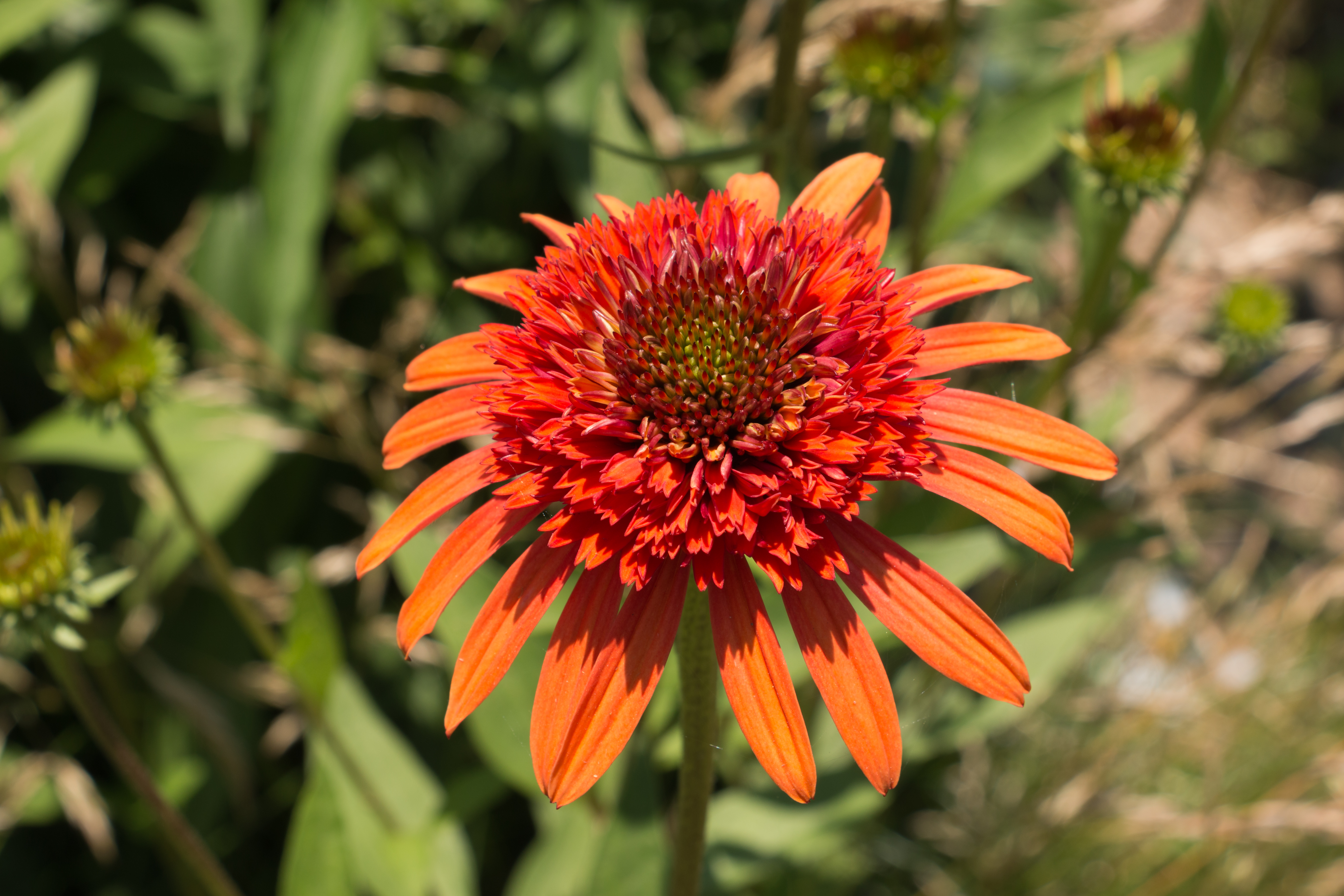
Coneflower (Echinacea) - Moderate to good resistance: coarse stems and seedheads are less palatable.
Yarrow - Higher resistance: ferny, aromatic foliage that deer usually avoid.
Catmint - Higher resistance: strong aromatic foliage that deters many deer.
Use this as a starting point - local deer behavior can flip these rankings. If you have heavy deer pressure, assume any of the above can be browsed and plan protective measures.
Which Companion Plants Work Well?
Companion planting both improves the look of the bed and reduces browsing pressure. Pair Coreopsis and Rudbeckia with:
- Aromatic perennials:
, salvia, and yarrow help mask tender foliage.
- Tough-textured plants: coneflowers and blanket‑flower hold up visually and physically to nibbling.
- Evergreens or dense shrubs: create a physical barrier and break sight lines, making deer feel less comfortable grazing.
Avoid planting high-value food sources (e.g., fruiting shrubs, certain ornamental grasses) next to your focal beds; they attract deer into the area. If deer are persistent, protect new plantings with temporary cages or netting until established.
Final checklist for planting with deer in mind:
- Choose tougher-leaved varieties where possible.
- Plant in bold drifts and mix in aromatic deterrents.
- Use physical protection for small or young specimens.
- Keep repellents on a rotation schedule and reapply after rain.
Ready to find the perfect plants for your yard? Try the PlantWise Plant Finder →