Quick answer: Which shrub is more deer resistant?
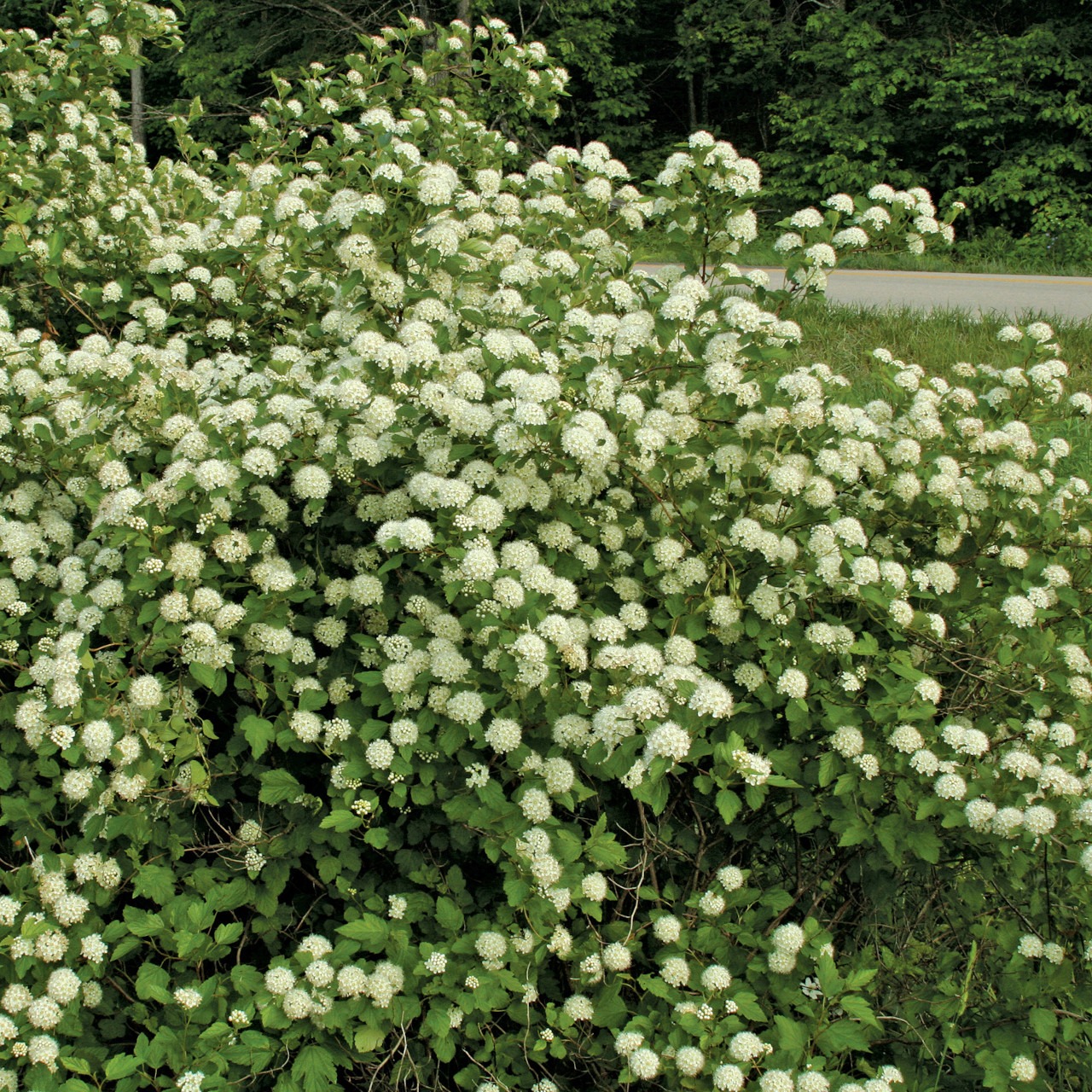
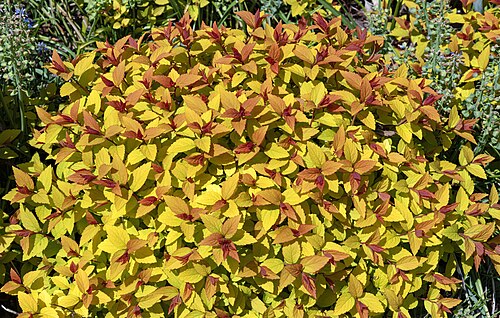
Short answer: neither shrub is truly deer-proof, but ninebark (Physocarpus spp.) generally holds up better than many spirea (Spiraea spp.) varieties under moderate to high deer pressure. Ninebark’s coarser, bitter-tasting foliage and tougher stems make it less appealing to deer than the softer, sweeter new growth on some spireas - however, hungry deer will browse either one, so expect variability by region and season.
🌱 Get Personalized Plant Picks
Answer a few quick questions and we’ll match plants to your exact yard conditions.
Find My Plants →How do ninebark and spirea compare in deer resistance?
- Deer preference: Spirea’s tender spring shoots and compact habit can be more attractive in late spring and early summer, especially to younger deer. Ninebark’s rougher leaves and multi-stemmed structure are less palatable on average.
- Damage pattern: When deer nibble spirea they often strip the tops or eat new growth, reducing flowering and creating ragged shapes. Deer browsing on ninebark is usually lighter and intermittent, but repeated browsing can still harm the shrub’s form and flowering.
- Hardiness and recovery: Both shrubs are resilient. Ninebark tends to resprout vigorously after pruning or browsing and can tolerate tougher pruning, which helps it recover faster. Many spireas also recover well but can lose bloom if new growth is eaten repeatedly.
- Varietal differences: There are many cultivars of both genera. Some spirea cultivars have tougher foliage or stronger fragrance that can deter deer; similarly, darker-leaved or heavily serrated ninebark cultivars can be slightly less appetizing. Local deer populations develop preferences, so what works in one neighborhood may fail in another.
Remember: no plant is truly deer-proof - hungry deer will eat what they need. Use plant choice as one layer in a multi-pronged strategy.
What factors influence whether deer will eat these shrubs?
- Deer density and hunger: In areas with high deer populations or scarce natural forage (late winter/early spring), deer will sample a wider range of plants.
- Seasonal palatability: Tender spring growth and flower buds are the most vulnerable. Spirea’s fresh spring shoots are often a target.
- Landscape context: Shrubs near woods or along deer travel corridors are at higher risk. Isolated specimens near cover are more likely to be browsed.
- Variety and size: Young, small plants are browsed more readily than larger, established shrubs. Some cultivars have scented foliage or tougher texture that deer avoid.
- Alternative food sources: If you provide deer-resistant perennials or allow native browse nearby, deer may ignore ornamental shrubs more often.
Practical takeaway: even if you plant the more deer-averse option (often ninebark), monitor your yard and add other deterrents if deer pressure is moderate to high.
Quick Reference: At-a-glance comparison
- Typical deer response:
- Ninebark: Moderate resistance; less attractive than many ornamentals.
- Spirea: Moderate resistance but more likely to be browsed in spring.
- Recovery after browsing:
- Ninebark: Good (vigorous resprouter).
- Spirea: Good but flowering may be reduced.
- Best uses:
- Ninebark: Hedging, massing, informal screens.
- Spirea: Formal borders, low hedges, mixed beds.
- Planting tip:
- Ninebark: Site in full sun to part shade; tolerates a wide range of soils.
- Spirea: Full sun for best bloom; well-drained soil preferred.
Quick companion-planting picks to reduce attention and add visual interest:
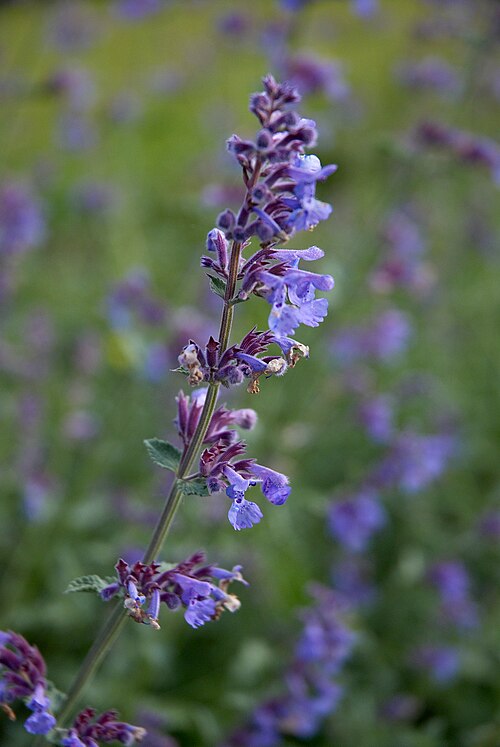
aromatic foliage that deer often avoid.
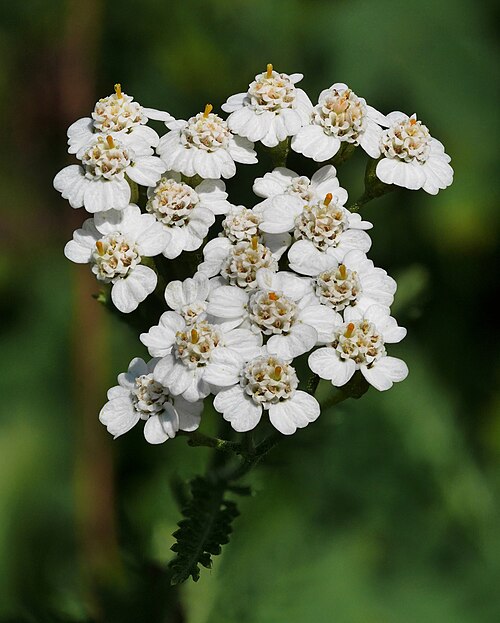
tough, aromatic perennial deer typically ignore.
sturdy, coarse textures help distract deer from shrubs.
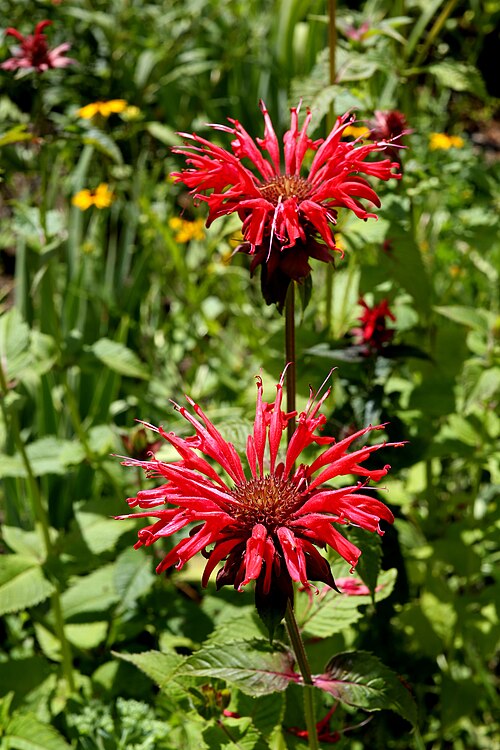
attracts pollinators; mixed results with deer, but useful in a layered planting.
How can I protect my ninebark or spirea from deer?
Use a layered approach - plants alone are rarely enough when deer pressure is high.
Choose the right plant and placement
- Prefer larger, established plants if possible; they tolerate browsing better.
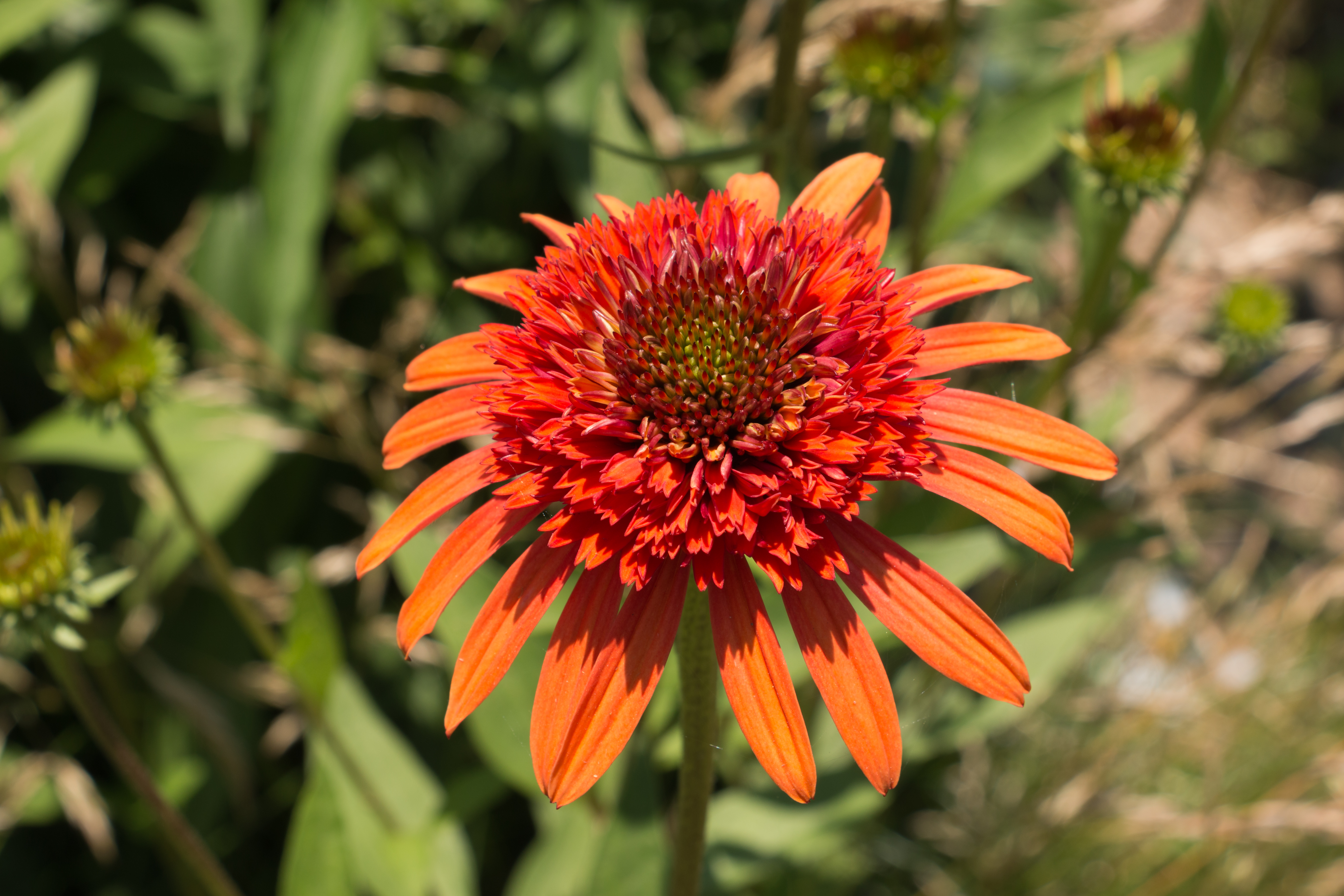
- Plant ninebark in groups or behind a barrier of tougher perennials (catmint, yarrow, coneflower) so deer encounter less-palatable plants first.
Physical barriers
- Fencing is the most reliable defense. A 7-8 foot tall fence (solid or woven) prevents deer jumps. For aesthetic options, consider buried bottom edges or angled top extensions.
- Temporary individual protectors (tree guards, cages, or netting) work well for new transplants through the first 2-3 seasons.
Repellents and deterrents
- Rotate commercially available taste/scent repellents regularly and apply according to label directions - deer can become accustomed to a single product.
- Motion-activated lights, sprinklers, or ultrasound devices can reduce nocturnal visits but effectiveness varies.
- Avoid feeding deer or leaving attractants (pet food, fruit on the ground) that encourage them into the yard.
Cultural practices
- Maintain strong, healthy plants: proper watering, mulching, and pruning improve recovery from browsing.
- Prune stray shoots and shape ninebark in late winter; this encourages denser regrowth that can better withstand nibbling.
- Create visual complexity with perennials and grasses to obscure shrub silhouettes and make your yard less inviting.
Community approaches
- If your neighborhood has heavy deer pressure, coordinate with neighbors on population-control measures and landscape strategies to reduce overall attraction.
Practical schedule for a new planting:
- Year 1-2: Use cages or repellents consistently. Mulch and water well to establish roots.
- Year 3+: Monitor for browsing; if occasional nibbling occurs, reassess deterrents. Many ninebark plants become self-supporting once established.
Which should you plant: ninebark or spirea?
Choose ninebark if:
- You need a tougher, multi-stemmed hedge or screen that tolerates harsher pruning and has a slightly better track record under deer pressure.
- You want stronger textural contrast (peeling bark, bold foliage) and faster recuperation.
Choose spirea if:
- You prefer a lower, more formal border shrub with abundant spring bloom and compact habit.
- Deer pressure is low to moderate and you can protect young plants during their first seasons.
And a final reminder: no plant is truly deer-proof. Even the most deer-averse shrubs can be browsed when food is scarce. Combine smart plant choices (like ninebark plus deer-averse perennials such as
and
) with barriers and deterrents for the best chance of success.
Ready to find the perfect plants for your yard? Try the PlantWise Plant Finder →