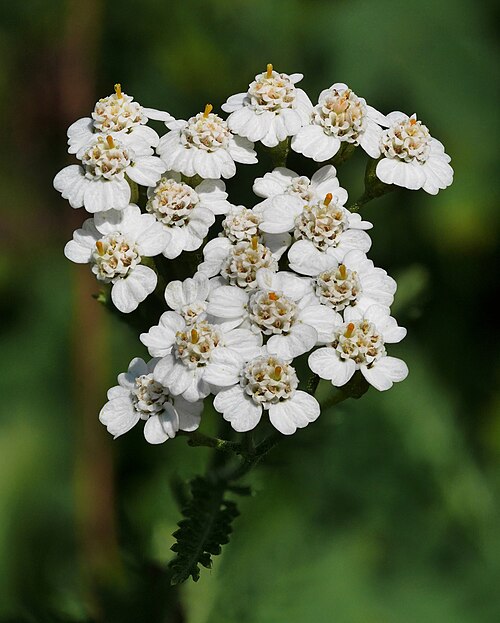
Yarrow vs. Achillea: Short answer
Yes - "yarrow" is the common name for plants in the genus Achillea, so in most contexts yarrow and Achillea refer to the same group of plants. Garden-wise, the important differences are between species and cultivars (flower color, height, hardiness, and compactness) rather than the name. As for deer, many Achillea (yarrow) varieties are generally considered moderately deer-resistant, but resistance varies by site, season, and local deer pressure.
🌱 Get Personalized Plant Picks
Answer a few quick questions and we’ll match plants to your exact yard conditions.
Find My Plants →Are yarrow and Achillea the same plant?
Botanically speaking, yarrow is Achillea. The genus Achillea contains multiple species (Achillea millefolium is the common yarrow gardeners know best) and many cultivated varieties bred for different flower colors, forms, and heights. When someone labels a plant "yarrow" they’re usually referring to a member of this genus. So there’s no mysterious difference in naming - the nuance you want to watch for is which species or cultivar you’re buying.
Practical takeaway: read the plant tag. An Achillea millefolium ‘Summer Pastels’ will behave differently from a compact Achillea ‘Terracotta’ in terms of height, bloom time, and how it fits into a border.
How do different Achillea (yarrow) types perform in the garden?
Achilleas are prized for their long bloom, tolerance of heat and drought, and bees-and-butterflies appeal. Key factors that vary by type:
- Growth habit: Some are tall (2-3 ft), others compact (6-12 in). Choose tall for a mixed border, compact for containers or front-of-border.
- Flower color and bloom season: Most bloom late spring through summer; cultivars broaden the palette from white and yellow to pinks, reds, and apricots.
- Soil and moisture: Most prefer well-drained soil and will suffer in heavy clay that stays wet. They tolerate poor soil; over-rich, moist soil encourages floppy growth.
- Maintenance: Deadheading or cutting back after a first flush encourages rebloom or a neater habit. Every 3-4 years divide clumps to refresh vigor.
Actionable tip: pick a cultivar labeled for your hardiness zone and one that matches desired height. If you want low maintenance, choose a compact, hardy cultivar and plant in full sun with excellent drainage.
Are yarrow and Achillea deer-resistant?
Short answer: generally yes - but with strong caveats. Many Achillea cultivars are considered moderately deer-resistant because their aromatic, slightly bitter foliage is less appealing to deer than tender, high-sugar plants. However, no plant is truly deer-proof. Hungry deer, especially in winter or in areas with high deer pressure, will browse plants they normally avoid.
Practical advice to improve deer resistance:
- Site choice: Plant Achillea near structures or in mixed beds with more strongly unpalatable plants (aromatic herbs and dense shrubs) to reduce visibility and accessibility.
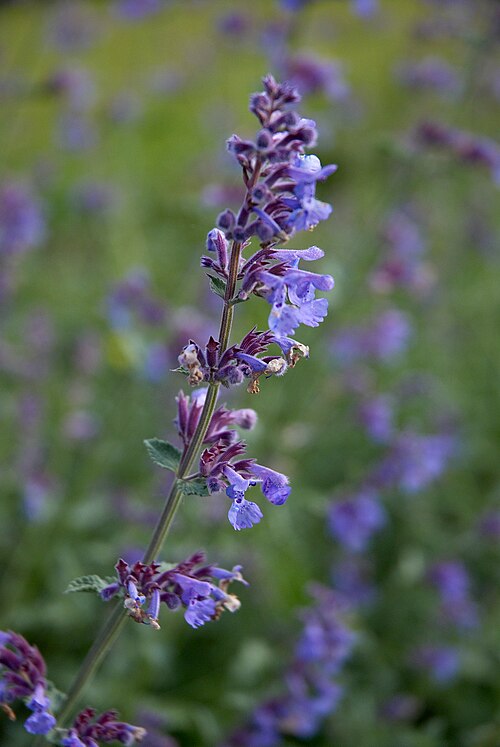
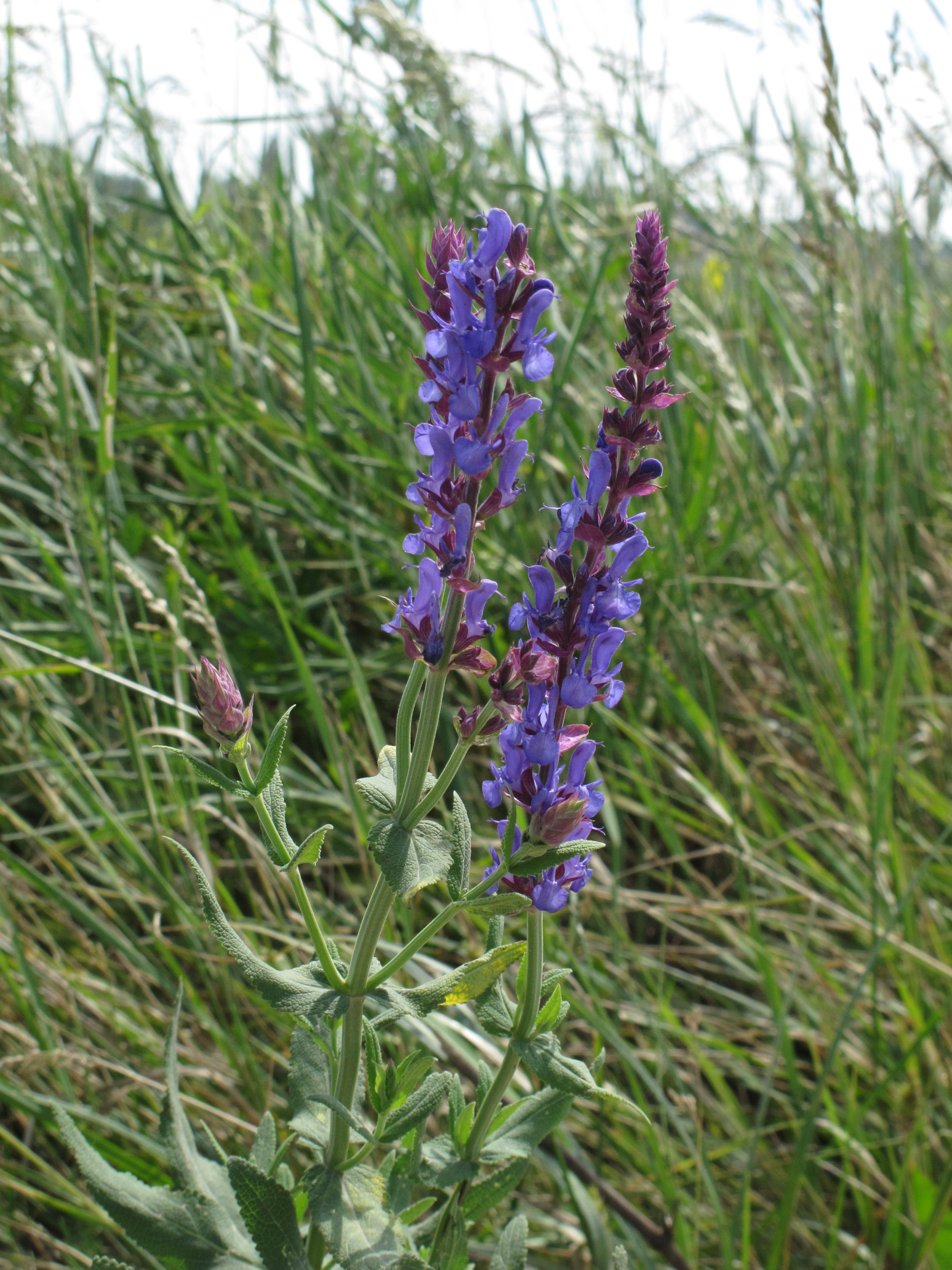
- Use companion plants that deer avoid - for example, try clusters of
or
to create a scent barrier and visual complexity.
- Physical protection: For new plantings, use temporary wire cages or repellents until the plants are established.
- Reduce attractants: Avoid planting young, tender plants as sacrificial browse near Achillea; keep fallen fruit and other deer-attracting food sources away.
Remember: in drought or food-scarce winters deer may sample nearly anything. If deer are a persistent problem, combine plant selection with fencing, repellents, and habitat modification for best results.
Quick Reference
- What it is: Yarrow = plants in the genus Achillea (most commonly Achillea millefolium).
- Deer resistance: Moderate - often avoided but not guaranteed. (No plant is truly deer-proof.)
- Best sites: Full sun, well-drained soil.
- Height range: Compact varieties 6-12 in; standard types 1-3 ft.
- Maintenance: Low - deadhead, divide every 3-4 years, avoid overwatering.
Similar or complementary perennials to consider:
sturdy pollinator magnet, tolerant of deer better than many but variable.
classic summer perennial; moderate deer resistance.
aromatic, often avoided by deer, good companion for yarrow.
Quick planting checklist:
- Plant in full sun with at least 6 hours of light.
- Improve drainage if soil is heavy (add grit or plant on a raised bed).
- Space according to cultivar to allow air circulation (reduces mildew).
- Mulch sparingly; too much moisture at the crown invites rot.
How should I manage yarrow to keep it looking its best?
- Watering: Water sparingly once established; Achillea prefers slightly dry conditions. Overwatering causes floppy stems and fungal issues.
- Feeding: Minimal feeding - a light thin application of balanced fertilizer in spring is enough. Rich soil leads to leggy growth.
- Pruning: Deadhead spent blooms to tidy appearance; cut back hard in late fall or early spring to encourage fresh growth. For tall varieties, a midseason shear after the first bloom can stimulate a second flush.
- Division: Divide clumps every 3-4 years to rejuvenate plants and control spread.
Actionable troubleshooting:
- Floppy plants: Improve drainage, move to sunnier site, cut back after first bloom to encourage bushier growth.
- Mildew: Improve air flow and avoid overhead watering; choose mildew-resistant cultivars if you’ve had issues.
Ready to find the perfect plants for your yard? Try the PlantWise Plant Finder →