Meta description: Catmint is generally more deer-resistant than most salvias, but both can be browsed in heavy pressure. Learn their differences and practical protection tips.
Which is more deer resistant: Salvia or Catmint?
Short answer: Catmint (Nepeta) is generally more deer-resistant than most salvias, but neither plant is guaranteed to be left alone - no plant is truly deer-proof. In light to moderate deer pressure catmint is usually ignored because of its aromatic foliage and coarse texture; many salvias (Salvia spp.) are moderately resistant but become attractive when food is scarce. Read on for a quick comparison and action steps to protect either plant in your yard.
🌱 Get Personalized Plant Picks
Answer a few quick questions and we’ll match plants to your exact yard conditions.
Find My Plants →How do Salvia and Catmint differ in deer resistance?
Deer resistance is not a simple on/off trait - it’s a spectrum influenced by species, growing conditions, and local deer appetite. Here’s how the two generally stack up:
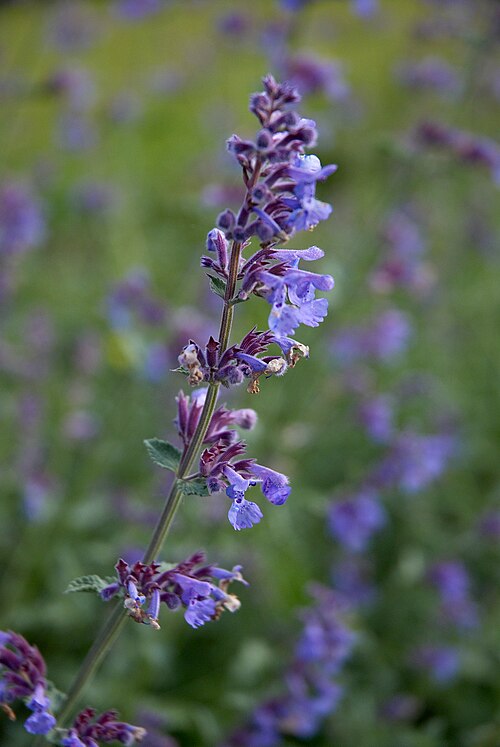
- Catmint (Nepeta spp.): Known for aromatic, fuzzy leaves that deer tend to avoid. Flowering is long and showy for bees and pollinators, but the foliage smell and texture make it less palatable. In most gardens catmint rates high on deer resistance, especially varieties like Nepeta x faassenii.
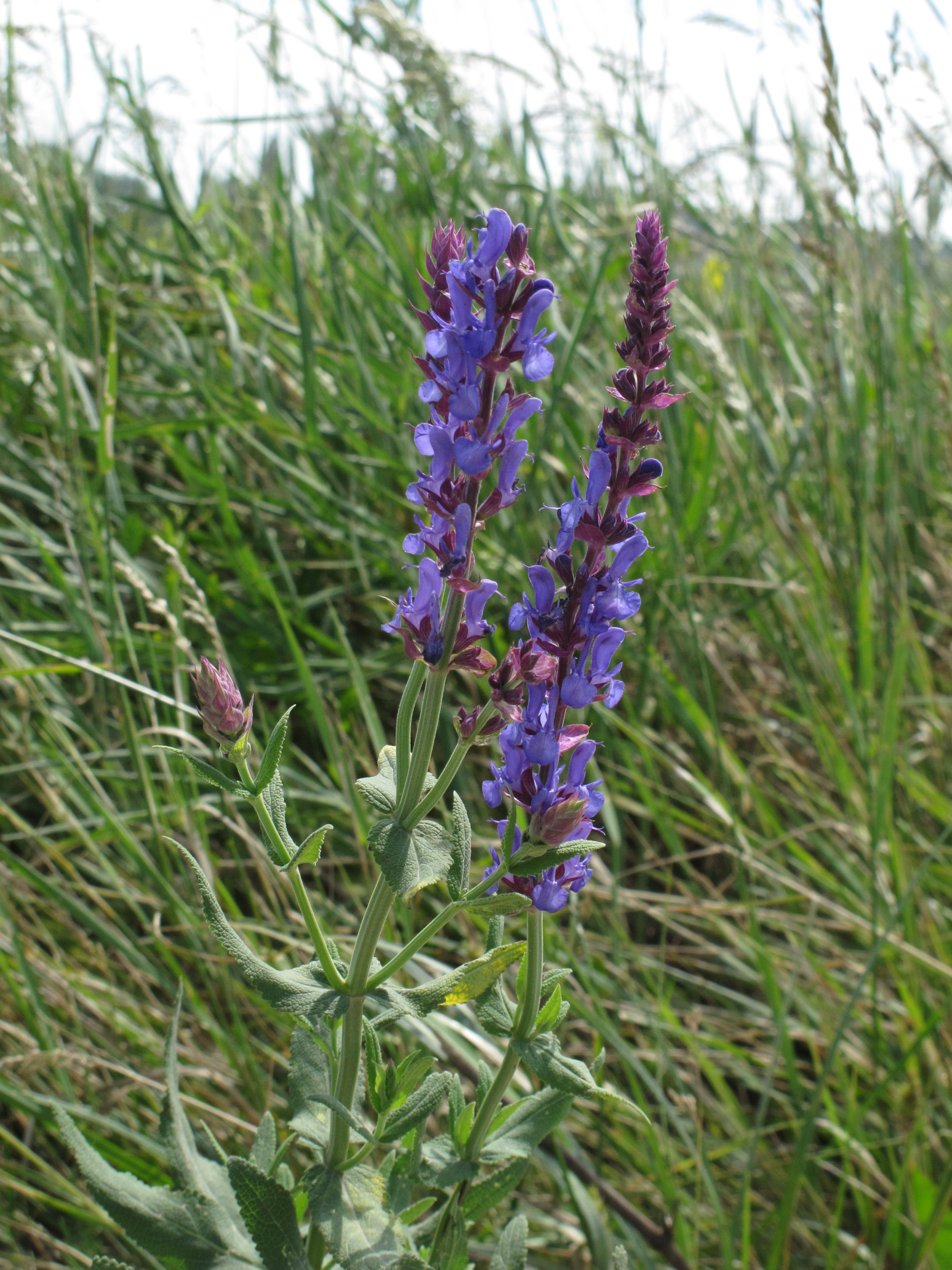
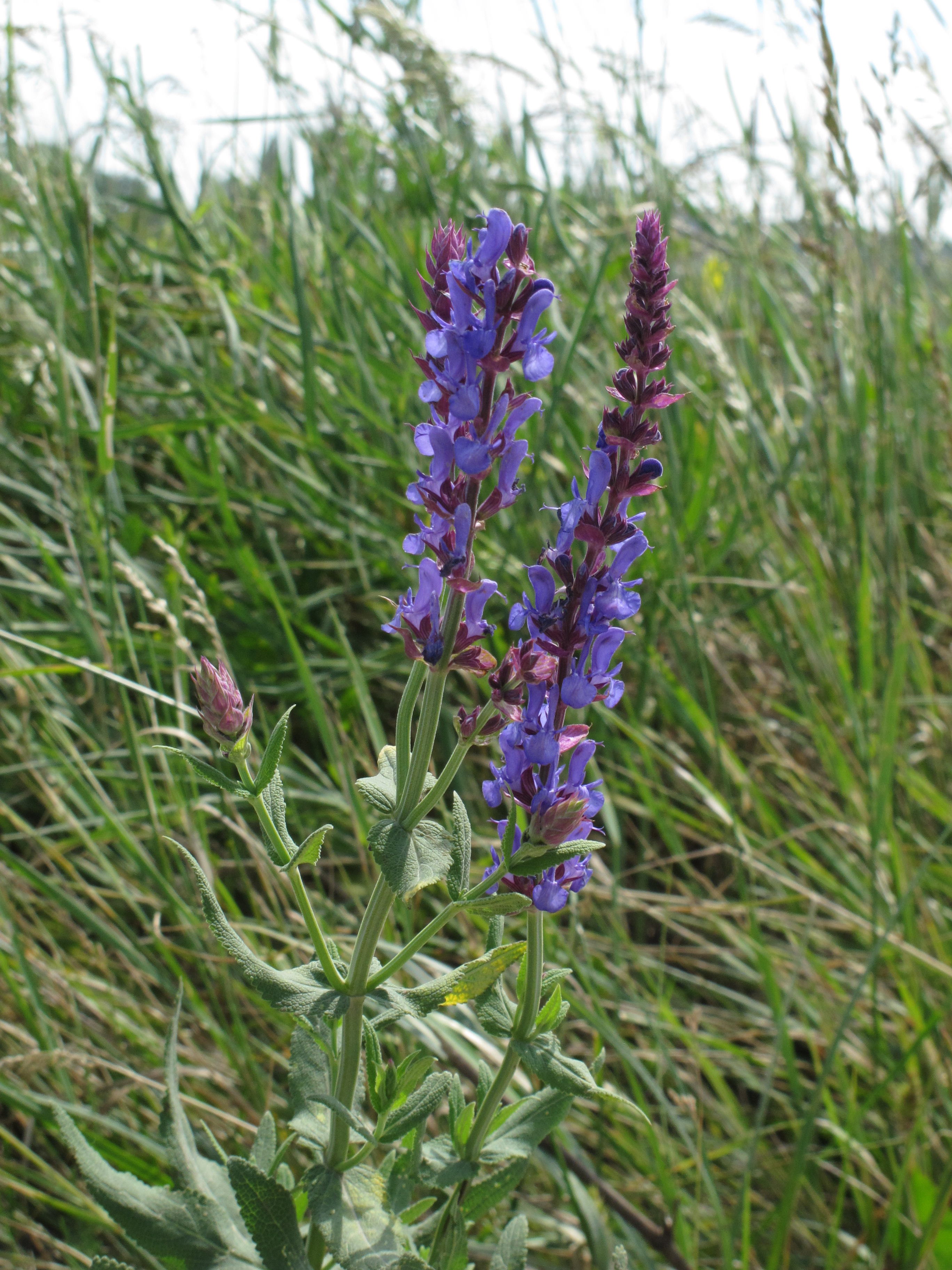
- Salvia (Salvia spp.): A large genus with big variation. Many salvias (e.g., Salvia nemorosa and Salvia 'Caradonna') have fragrant leaves and are moderately deer-resistant, but some salvias with softer foliage or tender new growth can be browsed. In heavy deer pressure, salvias are more likely than catmint to be nibbled.
Important nuance: If food is scarce, deer will try plants they normally avoid. So in a high-pressure area you may see both catmint and salvia browsed.
What makes a plant deer-resistant?
Deer choose food based on smell, texture, and ease of digesting. Common deer-deterring traits include:
- Strong aroma (minty, pungent, oily) that irritates deer senses.
- Coarse, fuzzy, or hairy foliage that’s unpleasant to chew.
- Tough, fibrous leaves or high levels of secondary compounds (e.g., essential oils).
- Low palatability when young or when competing forage is abundant.
Cultural factors also matter: mulched, watered, and tender young plants are more attractive than stressed, woody, or drought-hardy specimens. Planting design matters too - mixing less-preferred plants among favorites can reduce browsing on any one species.
Quick Reference
This short guide shows typical tendencies - local results vary.
- Deer preference:
- Catmint: High resistance (often ignored)
- Salvia: Moderate resistance (varies by species)
- Flower season:
- Catmint: Late spring to summer (long bloom period)
- Salvia: Late spring through fall (depends on species)
- Maintenance:
- Catmint: Low; trim after first bloom to encourage rebloom
- Salvia: Low to moderate; deadhead or shear for tidy growth
- Best use:
- Catmint: Edging, pollinator borders, mass plantings
- Salvia: Color accents, containers, mixed perennial beds
- If deer pressure is high:
- Catmint: Often survives, but protect young plants
- Salvia: More likely to be eaten; protective measures recommended
Embed cards for reference:
How should I protect Salvia and Catmint from deer?
Practical, low-effort defenses work best alongside smart plant choices.
Landscape strategies
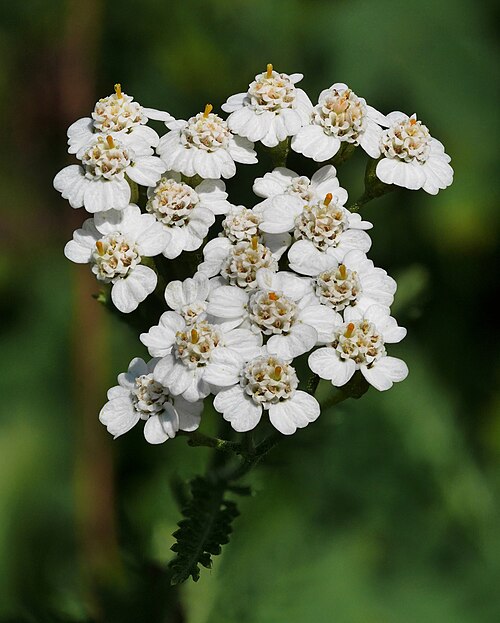
- Plant deer-disliked species (like catmint and yarrow) around more desirable plants to act as a natural buffer.
- Use mass plantings: large blocks of less-preferred plants discourage deer from lingering.
- Place tender, high-value plants closer to the house where deer are less likely to browse.
Physical barriers
- Fencing: A 7-8 foot tall fence is the most reliable solution for large deer. For smaller or part-time protection, a double-row electric wire or staggered lower fence can help.
- Individual cages: Temporary wire cages or tree guards protect young salvias and catmints while they establish.
Repellents and deterrents
- Rotate repellents (scent-based or taste-based) to avoid deer habituation; follow label directions.
- Motion-activated lights, sprinklers, or ultrasonic devices can provide periodic deterrence, especially at night.
Cultural care
- Keep plants healthy: well-established, vigorous plants tolerate occasional browsing better.
- Avoid planting a single valuable specimen; diversify species and bloom times so deer don’t have a single food source.
Sacrificial plants
- Plant sacrificial shrubs or grasses at field edges to give deer an alternative food source away from your garden beds.
Which one should you choose for a deer-prone yard?
If deer are a frequent problem and you want the best chance of minimal damage, start with catmint varieties known for strong fragrance and coarse foliage. Salvia still has a place: choose hardy, aromatic species and place them where they’re less accessible or protected. Combining both in a mixed pollinator border gives long-season blooms while reducing the chance that deer will strip the entire bed.
Remember: no plant is truly deer-proof. Monitor local deer behavior, and be ready to add protective measures in years when natural food is scarce.
Ready to find the perfect plants for your yard? Try the PlantWise Plant Finder →