Best Grass for Dog Urine Resistance in Zone 4
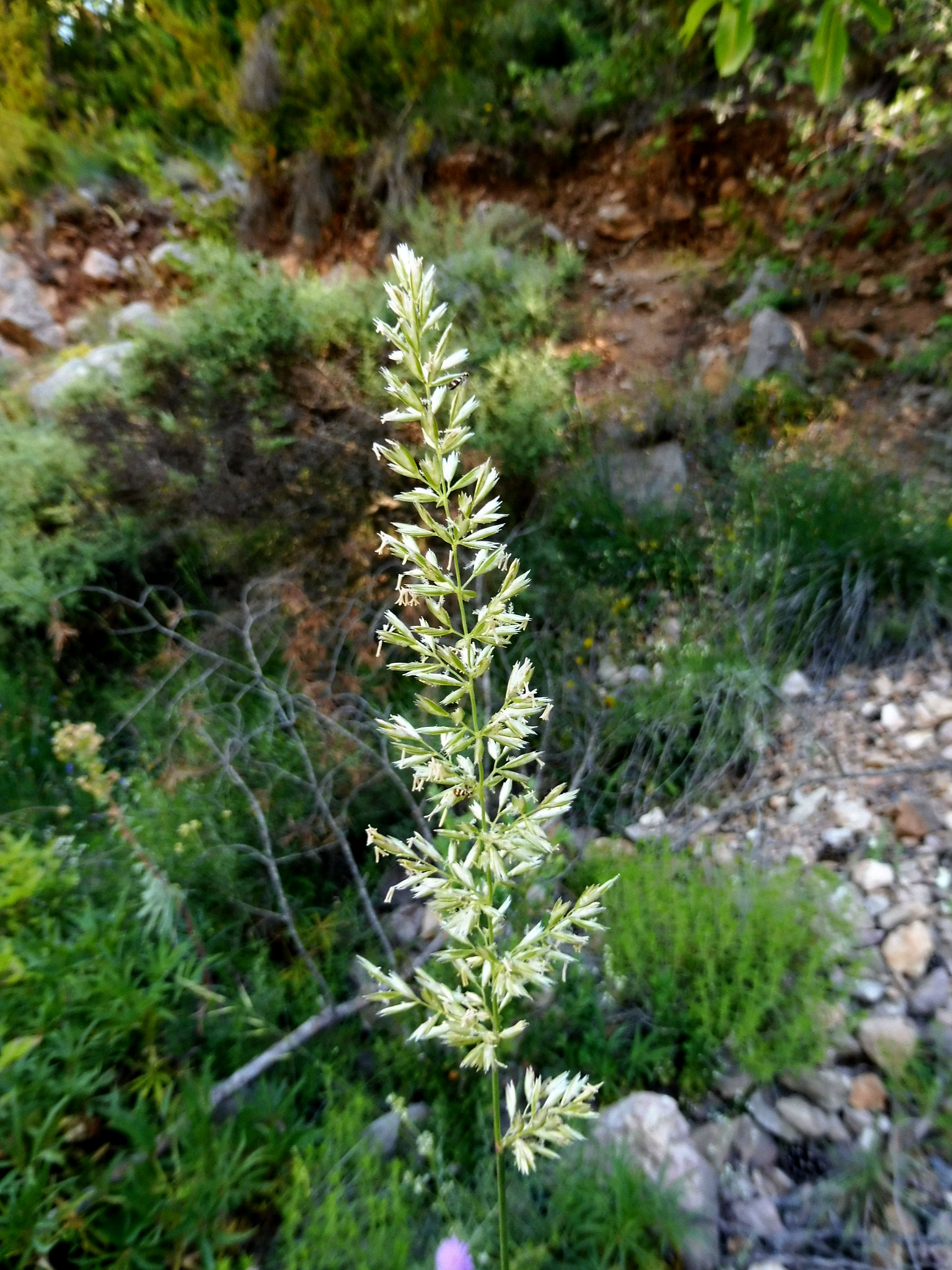
Finding the best grass for dog urine resistance in Zone 4 can be a challenge, but it's not impossible! The key is to choose cool-season grasses known for their durability and ability to recover from stress. Tall Fescue is often considered one of the top contenders due to its deep root system and tolerance for various conditions, including dog urine. Other good options include Perennial Ryegrass and Kentucky Bluegrass, especially when blended with Tall Fescue for a more resilient lawn.
Dealing with dog urine spots, often called "lawn burn," is a common frustration for pet owners. These unsightly yellow or brown patches are caused by the high nitrogen content and salts in dog urine, which can "burn" the grass. While no grass is completely immune to dog urine damage, some varieties are significantly more tolerant and quicker to recover than others. For those of us gardening in the chilly Zone 4, selecting the right cool-season grass is paramount to maintaining a lush, green lawn despite our furry friends.
🌱 Get Personalized Plant Picks
Answer a few quick questions and we’ll match plants to your exact yard conditions.
Find My Plants →Understanding Dog Urine and Your Lawn
Before diving into specific grass types, it's helpful to understand why dog urine causes damage. The primary culprit is the high concentration of nitrogen. While nitrogen is a vital nutrient for plant growth, too much of a good thing can be detrimental, acting like an overdose of fertilizer that "burns" the grass. Think of it like pouring a concentrated liquid fertilizer directly onto a small area - it will likely scorch the leaves. The salts in urine also contribute to dehydration of the grass roots.
Female dogs tend to cause more noticeable damage because they squat to urinate, depositing a concentrated amount in a smaller area. Male dogs, on the other hand, often lift their leg and spray, distributing the urine over a wider area, which can dilute the effect and cause less severe damage in any one spot. The size of your dog, their diet, and how hydrated they are can also influence the severity of the urine's impact.
Top Grass Choices for Zone 4 Dog Owners
When selecting grass for Zone 4, we're primarily looking at cool-season grasses, which thrive in cooler temperatures and can withstand harsh winters. Here are the top contenders for dog urine resistance:
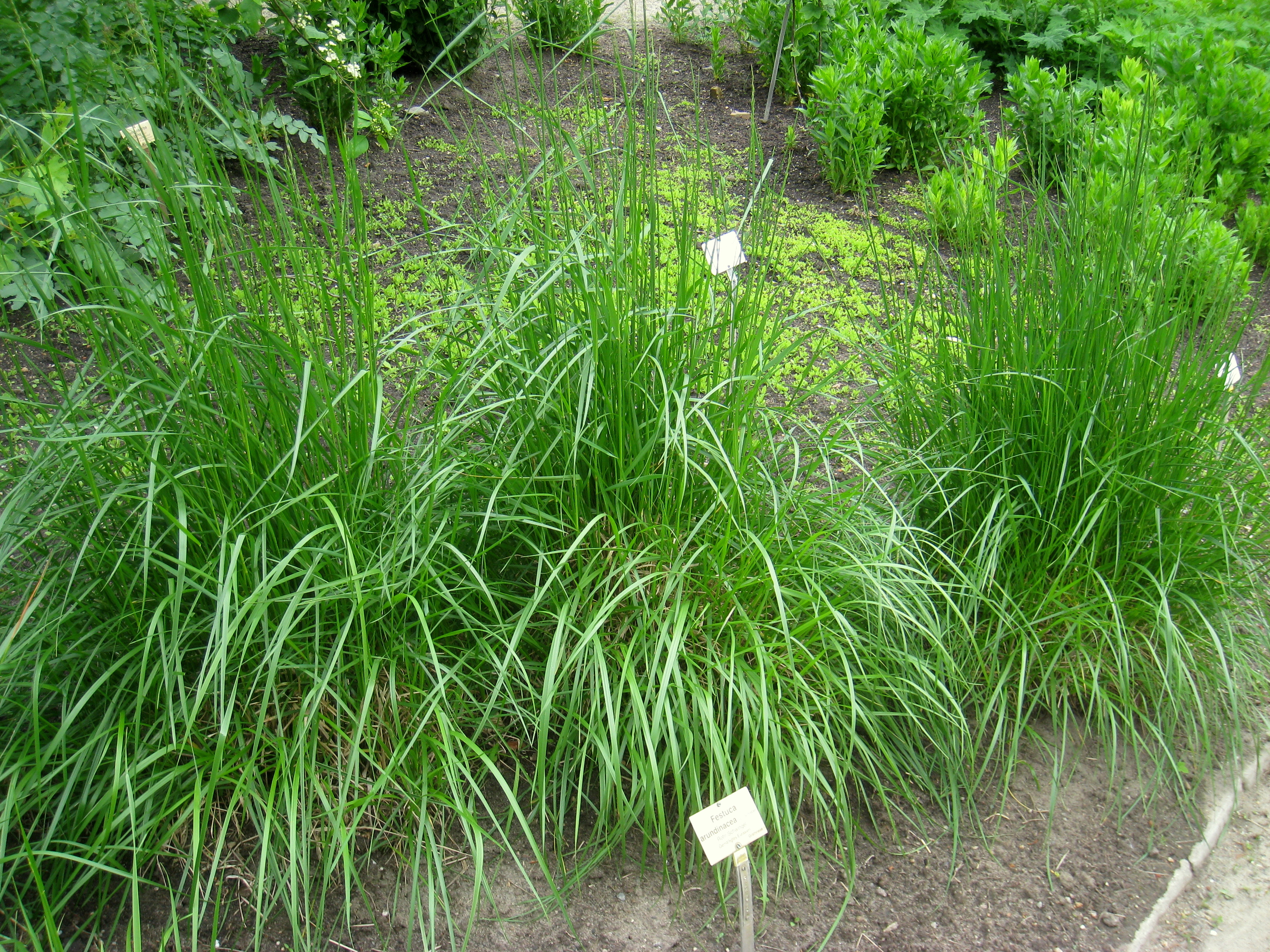
Tall Fescue (Festuca arundinacea)
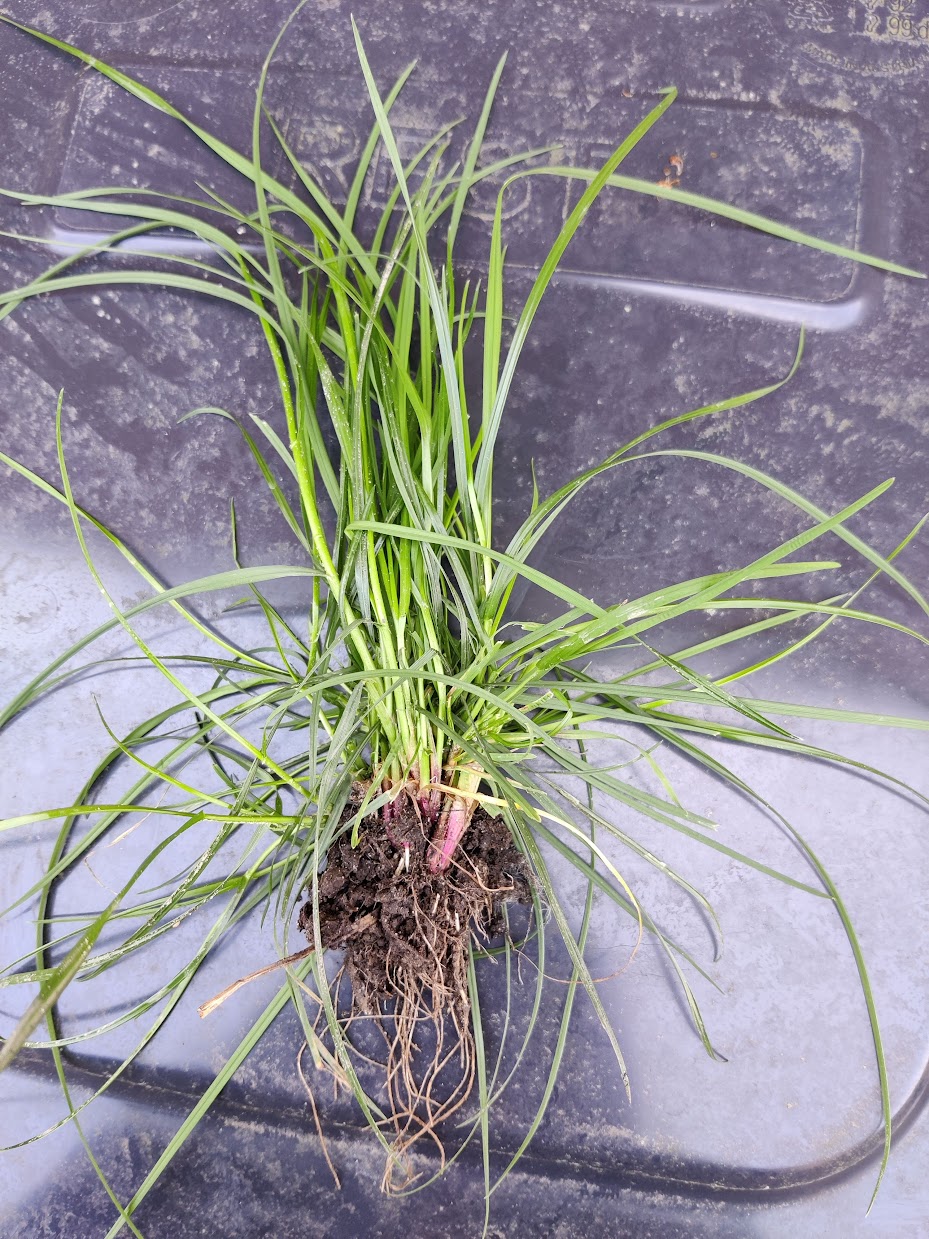
Tall Fescue is often hailed as the champion for dog owners, and for good reason. It boasts a deep root system, which allows it to access water and nutrients more efficiently, making it more resilient to drought and, crucially, to the concentrated salts and nitrogen in dog urine. Its coarse blades are also quite tough and can recover well from wear and tear.
- Pros: Excellent drought tolerance, good wear resistance, deep roots, recovers well from urine spots.
- Cons: Can be coarser in texture than other lawn grasses, may require more frequent mowing.
- Zone 4 Suitability: Very good.
Perennial Ryegrass (Lolium perenne)
Perennial Ryegrass is known for its rapid germination and establishment, making it a great choice for quick repairs or overseeding. It has a finer texture than Tall Fescue and offers good wear tolerance. While not as deep-rooted as Tall Fescue, it can still hold its own against dog urine, especially when part of a blend.
- Pros: Quick germination, fine texture, good wear resistance, recovers quickly.
- Cons: Less drought tolerant than Tall Fescue, may struggle in extreme heat.
- Zone 4 Suitability: Good, especially in blends.
Kentucky Bluegrass (Poa pratensis)
Kentucky Bluegrass is the quintessential lawn grass for many cool-season regions, prized for its beautiful blue-green color and dense, carpet-like growth. It has an impressive ability to spread via rhizomes, meaning it can self-repair damaged areas, including those caused by dog urine. However, it's more susceptible to urine burn initially than Tall Fescue.
- Pros: Beautiful color, dense growth, excellent self-repairing capabilities, good cold hardiness.
- Cons: Slower to establish, more prone to urine burn initially, requires more water and fertilization.
- Zone 4 Suitability: Good, but often best in a blend for urine resistance.
Blends for Enhanced Resilience
Often, the best solution for a dog-friendly lawn in Zone 4 is a blend of these cool-season grasses. A common and effective mix includes:
- Tall Fescue (50-70%): Provides the backbone of durability and urine tolerance.
- Kentucky Bluegrass (20-40%): Adds self-repairing capabilities and a desirable aesthetic.
- Perennial Ryegrass (10-20%): Ensures quick establishment and good wear resistance.
This combination leverages the strengths of each grass type, creating a more robust and resilient lawn that can better withstand the challenges posed by dog urine.
Quick Reference: Grass for Dog Urine in Zone 4
| Grass Type | Urine Tolerance | Wear Tolerance | Establishment Speed | Self-Repair | Texture |
|---|---|---|---|---|---|
| Tall Fescue | High | High | Medium | Medium | Coarse |
| Perennial Ryegrass | Medium-High | High | Fast | Low | Fine |
| Kentucky Bluegrass | Medium | Medium-High | Slow | High | Fine |
| Grass Blends | High | High | Medium | High | Mixed |
Strategies to Minimize Dog Urine Damage
Beyond choosing the right grass, there are several proactive steps you can take to further protect your lawn:
- Hydrate Your Dog: A well-hydrated dog's urine will be more diluted, reducing its potency. Ensure fresh water is always available.
- Train a "Potty Spot": Designate a specific area in your yard, perhaps with mulch or gravel, where your dog is encouraged to relieve themselves. This concentrates the damage to a non-grass area.
- Dilute Immediately: If you see your dog urinate on the lawn, immediately douse the spot with a generous amount of water from a hose. This dilutes the nitrogen and salts, significantly reducing the burning effect.
- Consider Dog Rocks or Supplements: Some products claim to neutralize urine. While results vary and should be discussed with your vet, they might be an option for some pet owners. Always consult your veterinarian before adding anything to your pet's diet.
- Regular Mowing and Fertilization: A healthy, well-maintained lawn is more resilient. Regular mowing at the correct height (typically 2.5-3 inches for cool-season grasses) and appropriate fertilization will keep your grass strong and better able to recover. Avoid over-fertilizing, especially with nitrogen, as this can exacerbate urine burn.
- Overseeding Damaged Areas: For persistent spots, consider overseeding with a urine-resistant grass blend in the spring or fall.
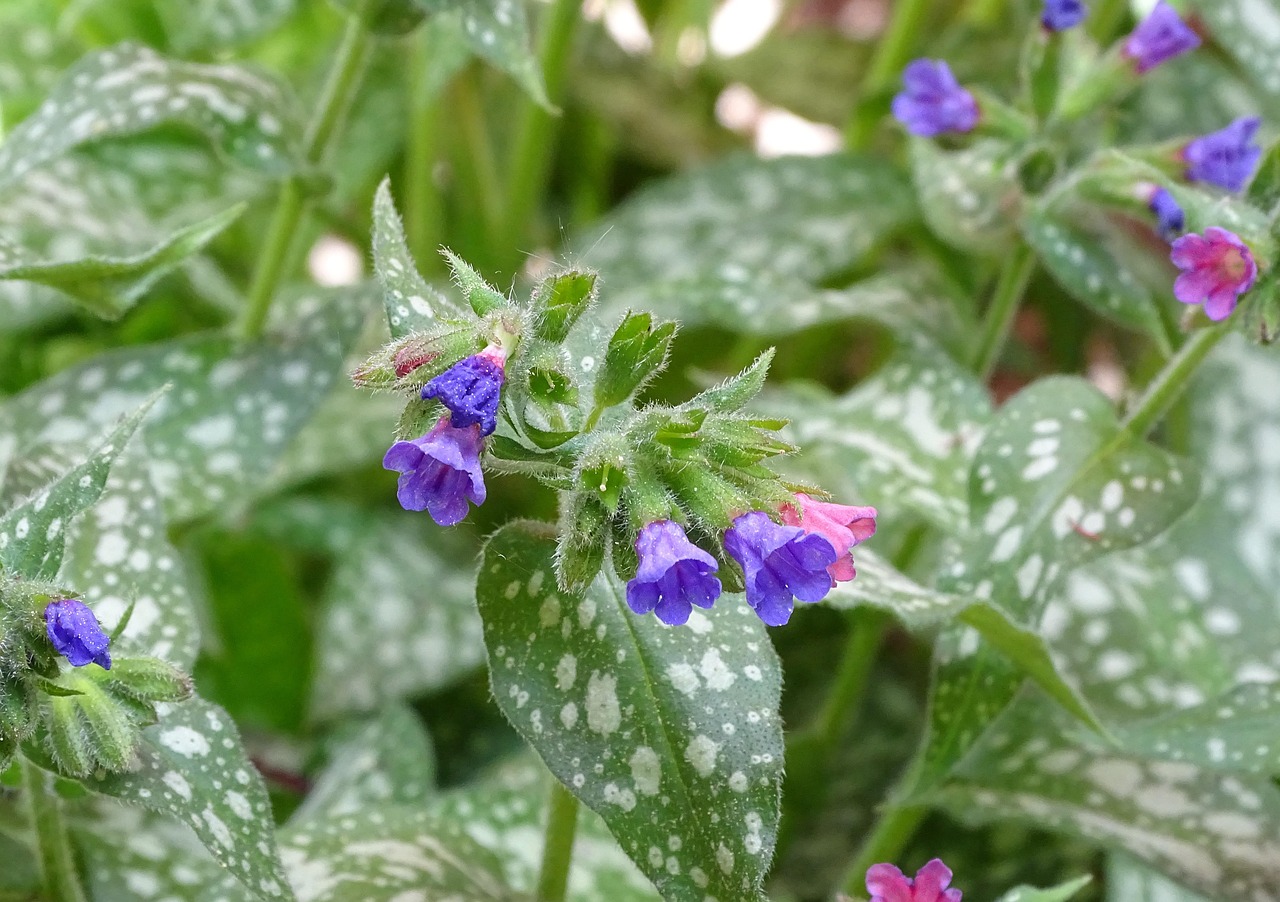
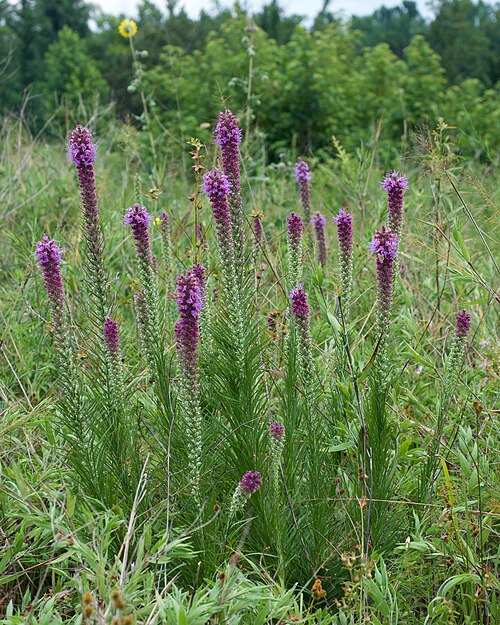
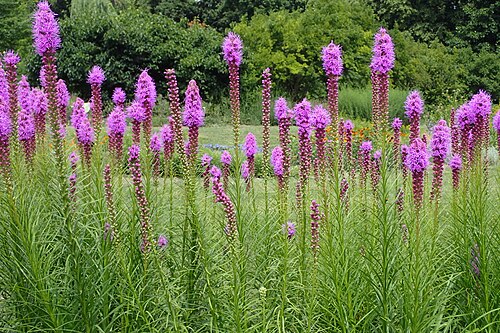
Lungwort Mock Orange Prairie Blazing Star
Lawn Care Tips for Zone 4
Maintaining a healthy lawn in Zone 4 requires attention to seasonal changes:
- Spring: As the snow melts, rake away debris and consider a light spring fertilization. Overseed bare spots with your chosen dog-resistant blend.
- Summer: Mow regularly, keeping the grass blades longer to help shade the soil and retain moisture. Water deeply and infrequently, aiming for about 1 inch of water per week, including rainfall.
- Fall: This is the ideal time for major lawn renovations, including aerating, dethatching, and overseeding. A final fertilization in late fall will help your lawn store nutrients for winter.
- Winter: Limit foot traffic on frozen grass to prevent damage.
Remember, no plant is truly deer-proof, and similarly, no grass is completely immune to dog urine. However, by selecting the right grass varieties and implementing good lawn care practices, you can significantly reduce the impact of pet urine and enjoy a beautiful, green lawn in Zone 4.
Ready to find the perfect plants for your yard? Try the PlantWise Plant Finder →