Best Grass for Dog Urine Resistance in Zone 5
For homeowners in USDA Zone 5 with furry friends, finding a lawn that can withstand the notorious "dog spots" is a common challenge. The best grass for dog urine resistance in Zone 5 is typically a hardy, cool-season grass with good drought tolerance and a robust root system, such as tall fescue, Kentucky bluegrass (with careful management), or certain fine fescues like hard fescue. These grasses tend to recover better from the high nitrogen content in dog urine and can maintain a more uniform appearance despite pet traffic.
Tall-fescue and perennial-rye blends for Zone 5–6 lawns and traffic. We may earn a commission at no extra cost to you.
Amazon · Turf-type tall fescue seed Amazon · Perennial rye seed Amazon · Cool-season grass mix
* Confirm the bag lists turf-type tall-fescue or perennial-rye lawn seed (not ornamental Festuca glauca or annual-rye-only bags).
🌱 Get Personalized Plant Picks
Answer a few quick questions and we’ll match plants to your exact yard conditions.
Find My Plants →Why Does Dog Urine Damage Lawns?
Before we dive into solutions, let's understand the problem. Dog urine is rich in nitrogen, a nutrient that in small amounts is beneficial for grass growth. However, in concentrated doses, like those found in a dog's urine, nitrogen acts like a potent fertilizer burn, essentially "over-fertilizing" and dehydrating the grass cells. This leads to the characteristic yellow or brown spots surrounded by a ring of unusually dark green, fast-growing grass. Female dogs and puppies often cause more noticeable damage because they tend to squat and empty their bladder in one concentrated spot, whereas male dogs often "mark" in smaller, more spread-out quantities.
Key Characteristics of Urine-Resistant Grasses
When selecting a grass type for a dog-friendly lawn in Zone 5, look for these characteristics:
- Drought Tolerance: Grasses that can handle periods of dryness are often more resilient to the dehydrating effects of concentrated urine.
- Deep Root Systems: A strong, deep root system helps the grass access more water and nutrients, making it more robust and better able to recover from stress.
- Traffic Tolerance: Dogs, especially playful ones, can be hard on a lawn. A grass that can withstand foot traffic (or paw traffic!) will hold up better.
- Good Recovery Rate: Even the most resistant grass might get a spot now and then. The key is how quickly it can recover and fill in.
- Cool-Season Varieties for Zone 5: Zone 5 experiences cold winters and warm summers, making cool-season grasses the primary choice. These grasses grow most actively in spring and fall.
Top Grass Choices for Dog Urine Resistance in Zone 5
Here are some of the best grass options for Zone 5 that can stand up to dog urine:
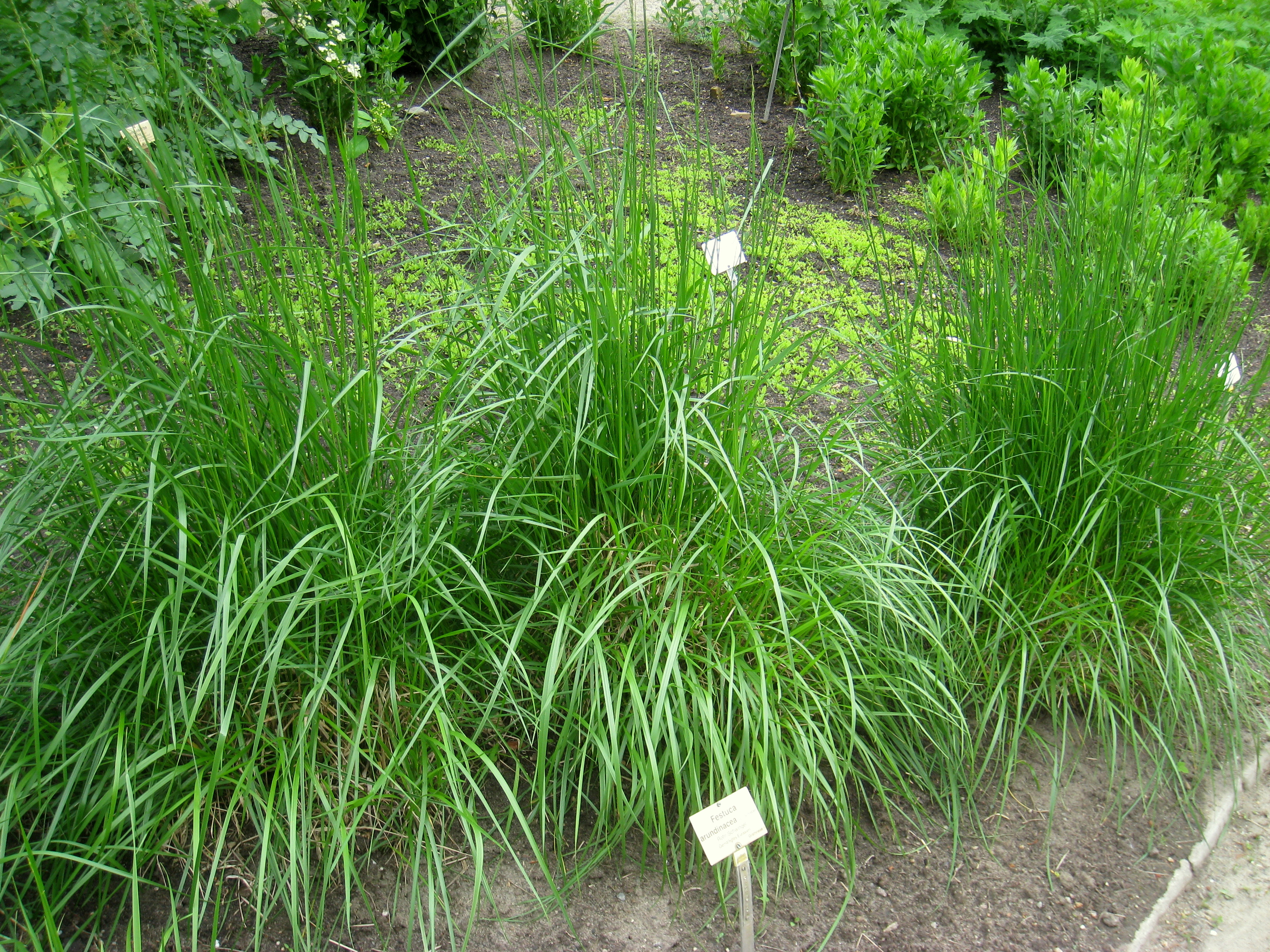
1. Tall Fescue (Festuca arundinacea)
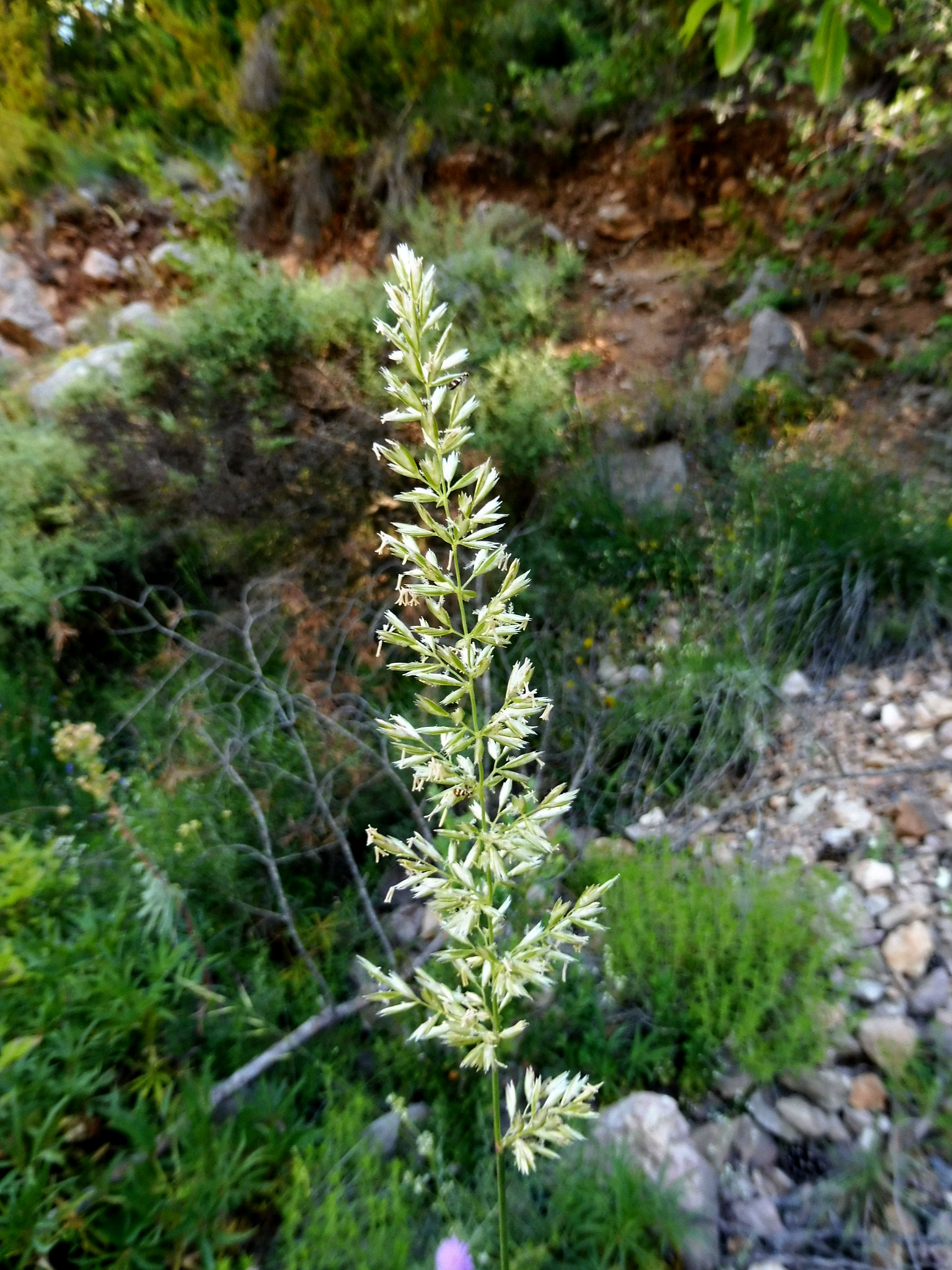
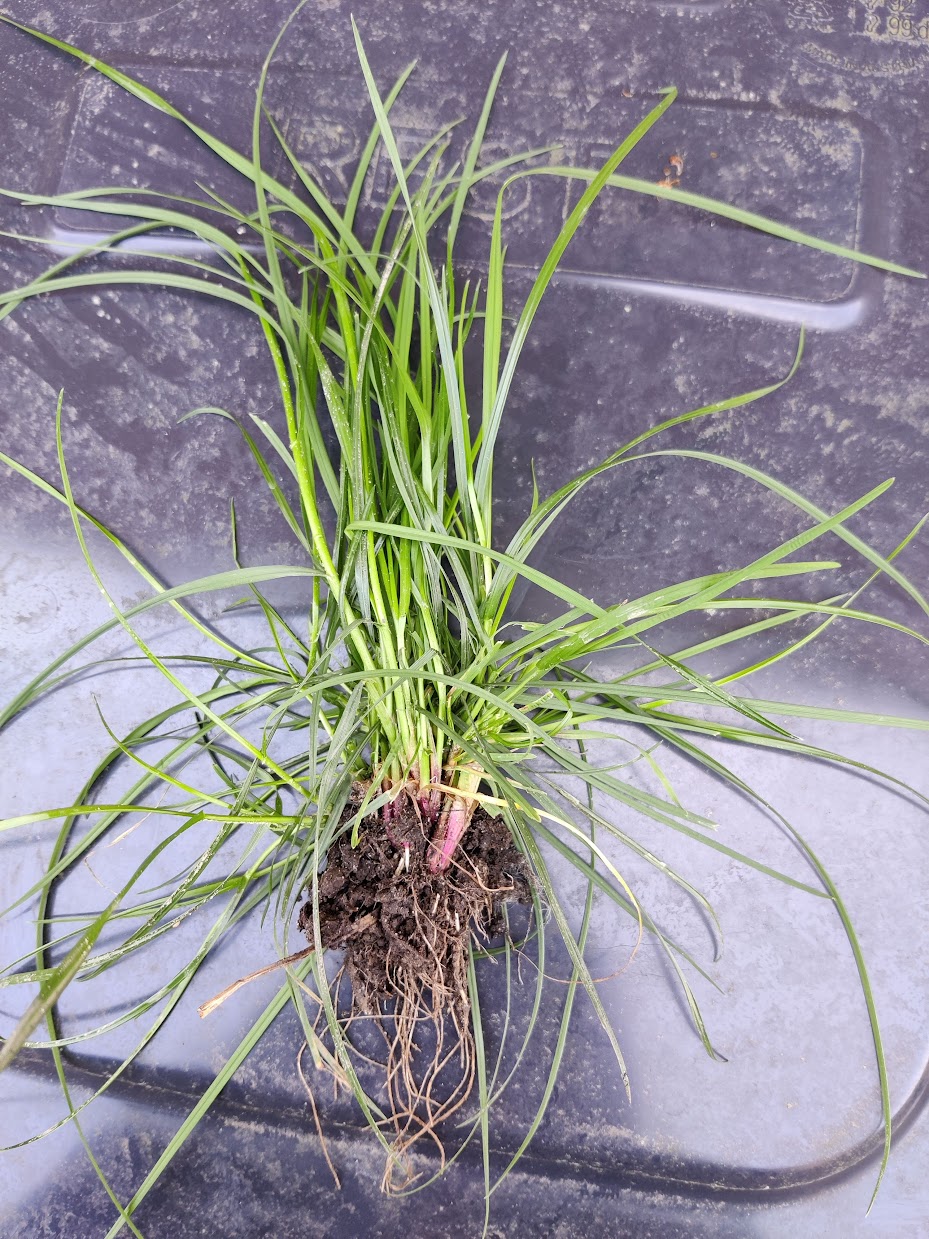
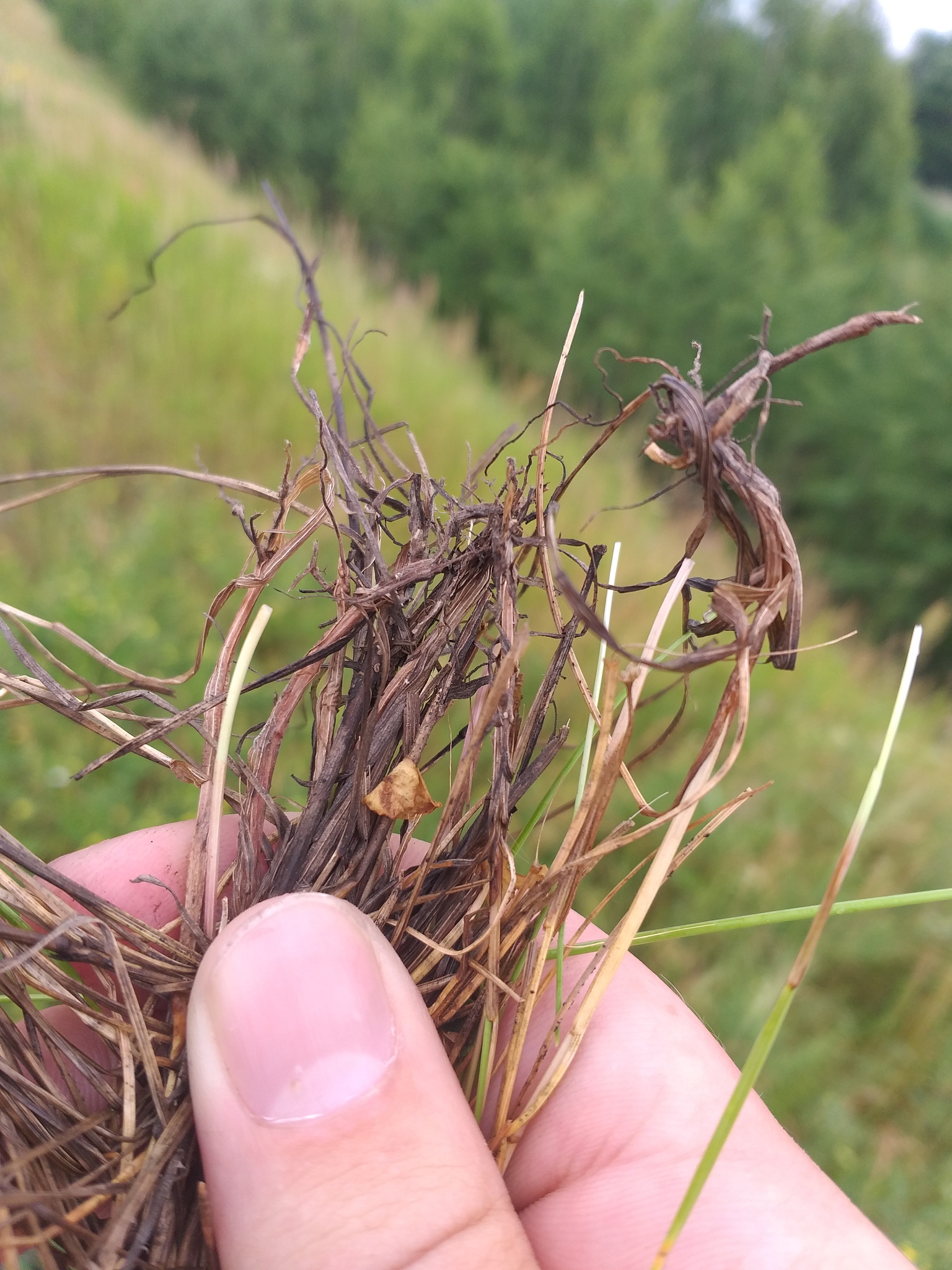
Tall fescue is often considered one of the best choices for dog owners in Zone 5. It's a cool-season grass known for its deep root system, which contributes to excellent drought tolerance and overall hardiness. This deep rooting allows it to better absorb and dilute the nitrogen from dog urine, reducing the severity of burn spots. It also has good traffic tolerance and a relatively quick recovery rate.
- Pros: Excellent drought tolerance, deep roots, good traffic tolerance, relatively good urine resistance.
- Cons: Can be coarser in texture than Kentucky bluegrass, may form clumps if not overseeded regularly.
- Maintenance: Benefits from regular watering, especially during dry spells, and moderate fertilization.
2. Kentucky Bluegrass (Poa pratensis)
Kentucky bluegrass is a classic choice for Zone 5 lawns due to its beautiful color, fine texture, and ability to spread via rhizomes, which helps it self-repair. While not as inherently urine-resistant as tall fescue, its aggressive spreading habit means it can fill in damaged spots relatively quickly. The key is proper management. If your lawn is primarily Kentucky bluegrass, you'll need to be diligent about watering urine spots immediately.
- Pros: Beautiful fine texture, self-repairing via rhizomes, good cold hardiness.
- Cons: Less drought tolerant than tall fescue, can be more susceptible to urine burn if not managed, requires more water.
- Maintenance: Needs consistent watering, especially during dry periods. Overseeding helps maintain density.
3. Fine Fescues (e.g., Hard Fescue, Creeping Red Fescue, Chewings Fescue)
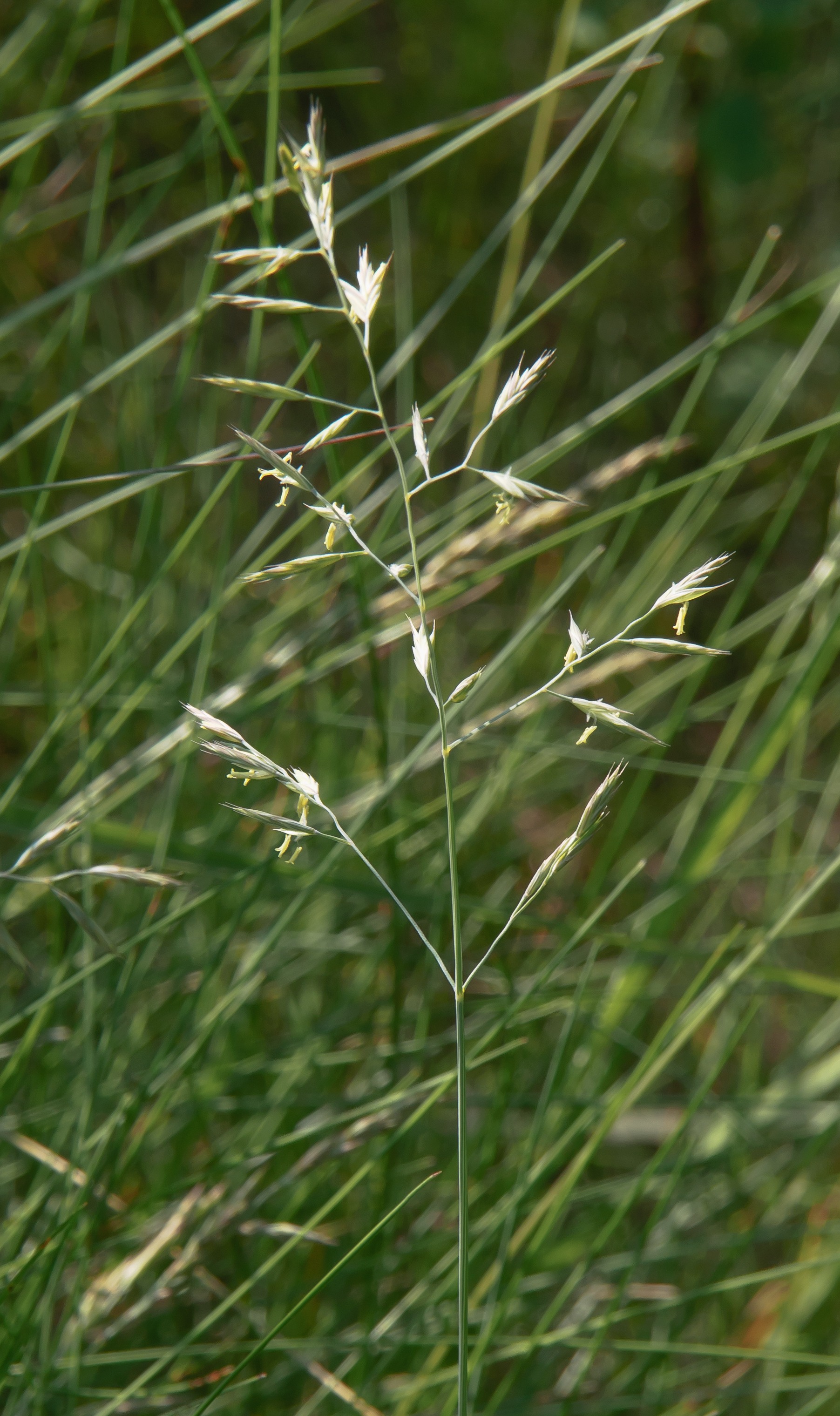
Fine fescues are known for their shade tolerance and low-maintenance requirements. Among them, hard fescue stands out for its excellent drought tolerance and ability to thrive in poor soil conditions, which can contribute to better urine resistance. They generally have a finer texture than tall fescue and can be a good component in a mixed lawn. While they don't have the spreading ability of Kentucky bluegrass, their hardiness can make them resilient.
- Pros: Excellent drought tolerance, good shade tolerance, low maintenance, fine texture.
- Cons: Slower to establish, less traffic tolerant than tall fescue or Kentucky bluegrass, can be less aggressive in filling in spots.
- Maintenance: Requires less water and fertilizer than other cool-season grasses.
4. Perennial Ryegrass (Lolium perenne)
Often used in mixes, perennial ryegrass establishes quickly and offers good wear tolerance. It has a medium texture and can help provide a quick green-up. While not the most urine-resistant on its own, its rapid germination and establishment can be beneficial in a blend, helping to fill in bare spots more quickly.
- Pros: Very quick to germinate, good wear tolerance, fine to medium texture.
- Cons: Less cold hardy than Kentucky bluegrass, less drought tolerant than fescues, can be susceptible to urine burn.
- Maintenance: Requires consistent watering and fertilization.
Quick Reference: Grass Types for Zone 5 & Dog Urine
| Grass Type | Dog Urine Resistance | Drought Tolerance | Traffic Tolerance | Recovery Rate | Texture | Notes |
|---|---|---|---|---|---|---|
| Tall Fescue | Good | Excellent | Good | Good | Coarse | Deep roots help dilute nitrogen; a top choice. |
| Kentucky Bluegrass | Moderate (with care) | Moderate | Good | Excellent | Fine | Spreads to self-repair; requires diligent watering of spots. |
| Hard Fescue | Good | Excellent | Moderate | Moderate | Fine | Very low maintenance, good for poor soils and shade; slower to establish. |
| Perennial Ryegrass | Moderate | Moderate | Good | Good | Medium-Fine | Quick to establish, often used in mixes for fast green-up. |
Strategies to Minimize Dog Urine Damage
Beyond choosing the right grass, these practices can significantly reduce dog urine spots:
- Hydrate the Spot Immediately: The most effective way to prevent a burn is to dilute the urine. As soon as your dog finishes, douse the area with a gallon or two of water. This washes the concentrated nitrogen away from the grass roots.
- Train Your Dog to "Go" in a Designated Area: If possible, train your dog to relieve themselves in a specific, less visible part of the yard, or even a mulched area.
- Increase Dog's Water Intake: A well-hydrated dog will have more diluted urine, which can lessen the impact on the lawn.
- Consider Dog Rocks or Supplements: Some products claim to neutralize urine. While anecdotal evidence varies, some owners find success with these. Always consult your vet before adding supplements to your dog's diet.
- Maintain a Healthy Lawn: A healthy, vigorous lawn is more resilient. Ensure proper fertilization (not over-fertilizing!), regular mowing at the correct height (typically 2.5-3 inches for cool-season grasses), and adequate watering.
- Overseed Regularly: If you do get spots, overseeding with a urine-resistant grass blend in the fall or early spring can help the lawn recover and maintain density.
Important Considerations
- No Grass is Truly "Dog-Proof": While some grasses are more resistant, no grass is completely immune to urine damage, especially with repeated exposure in the same spot.
- Soil Health: Healthy soil with good drainage and organic matter can also help dilute and process the nitrogen more effectively.
- Mixes are Your Friend: Many reputable seed brands offer "dog-friendly" or "high-traffic" lawn mixes that combine several cool-season grasses, often including tall fescue and Kentucky bluegrass, to leverage the strengths of each.
Choosing the right grass and implementing smart management strategies can help you maintain a beautiful, green lawn even with a beloved canine companion. A little effort goes a long way in keeping both your dog and your lawn happy!
Ready to find the perfect plants for your yard? Try the PlantWise Plant Finder →