Best Grass for Dog Urine Resistance in Zone 8
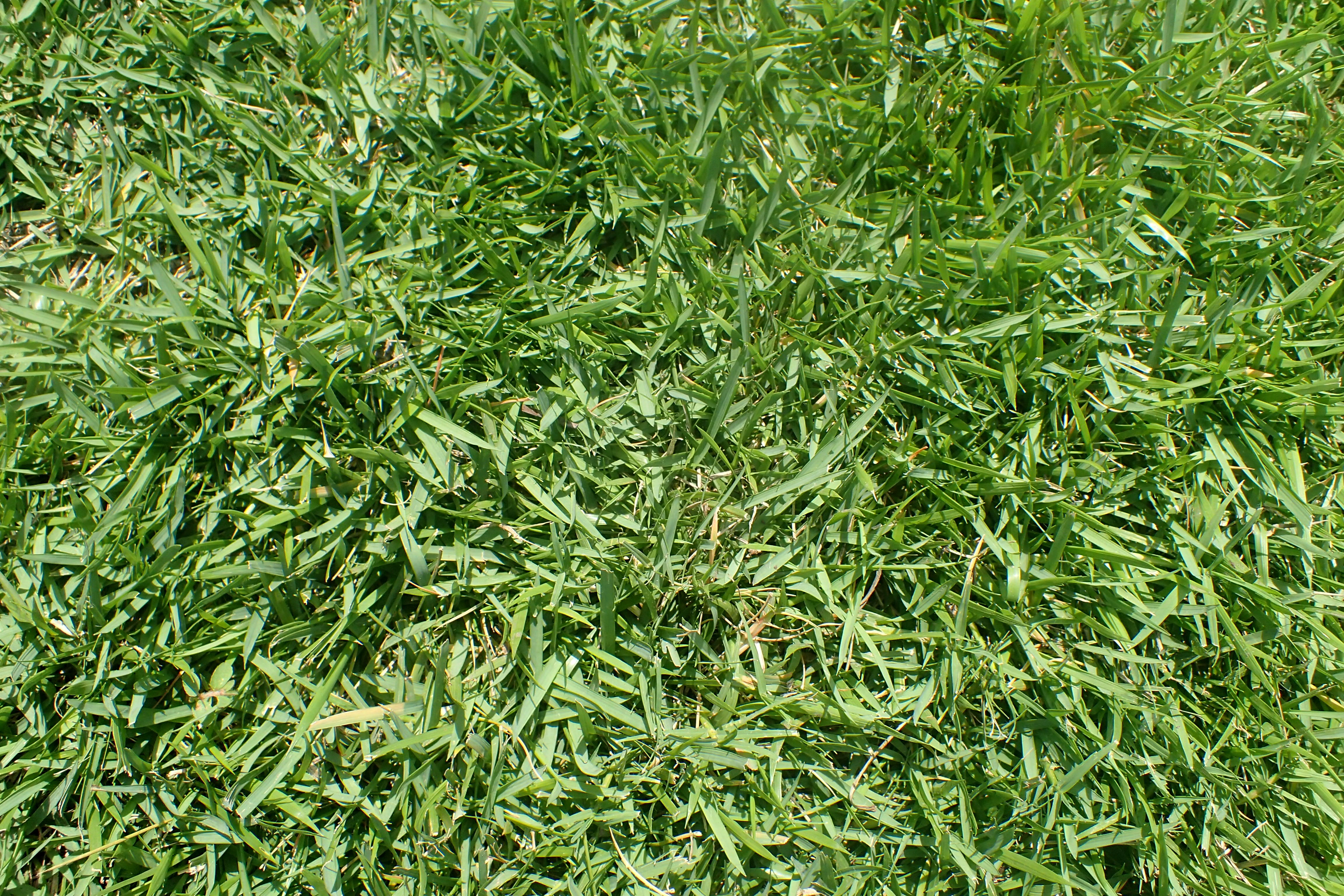
For homeowners in USDA Hardiness Zone 8 grappling with the tell-tale yellow and brown spots left by their beloved canine companions, selecting a urine-resistant grass is a game-changer. The best grass varieties for dog urine resistance in Zone 8 are typically robust, deep-rooted, and tolerant of higher nitrogen levels. Tall Fescue and Bermuda Grass stand out as excellent choices due to their resilience, ability to recover from damage, and tolerance to the nitrogen compounds found in dog urine. While no grass is completely immune to concentrated urine, these varieties offer the best chance for a healthy, green lawn even with active pets.
Zoysia and Bermudagrass seed for Zone 8 traffic and urine-prone yards. We may earn a commission at no extra cost to you.
Amazon · Zoysia turf seed Amazon · Bermudagrass seed
* Sponsored mix bags may appear above named Zoysia/Bermuda seed; open the product and confirm the species on the label before buying.
🌱 Get Personalized Plant Picks
Answer a few quick questions and we’ll match plants to your exact yard conditions.
Find My Plants →Understanding the Problem: Why Dog Urine Damages Lawns
Before diving into solutions, it's helpful to understand why dog urine causes those unsightly spots. The primary culprit isn't acidity, as commonly believed, but rather the high concentration of nitrogen salts and other compounds in the urine. While nitrogen is a vital nutrient for plants, too much of a good thing can be detrimental, acting like a concentrated fertilizer burn.
Imagine pouring a handful of fertilizer directly onto a small patch of grass - that's essentially what happens with dog urine. The high salt content can also draw moisture out of the plant cells, leading to dehydration and browning. Female dogs tend to cause more noticeable spots because they squat to urinate, depositing a higher concentration in a smaller area, whereas male dogs often lift a leg, distributing urine over a wider space.
Key Characteristics of Urine-Resistant Grasses
When evaluating grass types for their resistance to dog urine, we look for several key characteristics:
- Drought Tolerance: Grasses that can withstand periods of dryness often have more robust root systems, which can help them recover from urine damage more effectively.
- Deep Root Systems: A deeper root system allows the grass to access water and nutrients from a larger soil volume, diluting the effects of concentrated urine.
- High Nitrogen Tolerance: Some grass varieties are naturally more tolerant of higher nitrogen levels, making them less susceptible to fertilizer burn.
- Fast Recovery Rate: Even the most resistant grass might show some damage. The key is how quickly it can bounce back and fill in bare spots.
- Dense Growth Habit: A dense turf makes it harder for urine to penetrate directly to the soil and roots, offering some protection.
Top Grass Choices for Dog Urine Resistance in Zone 8
Here are the top contenders for Zone 8 homeowners dealing with dog urine:
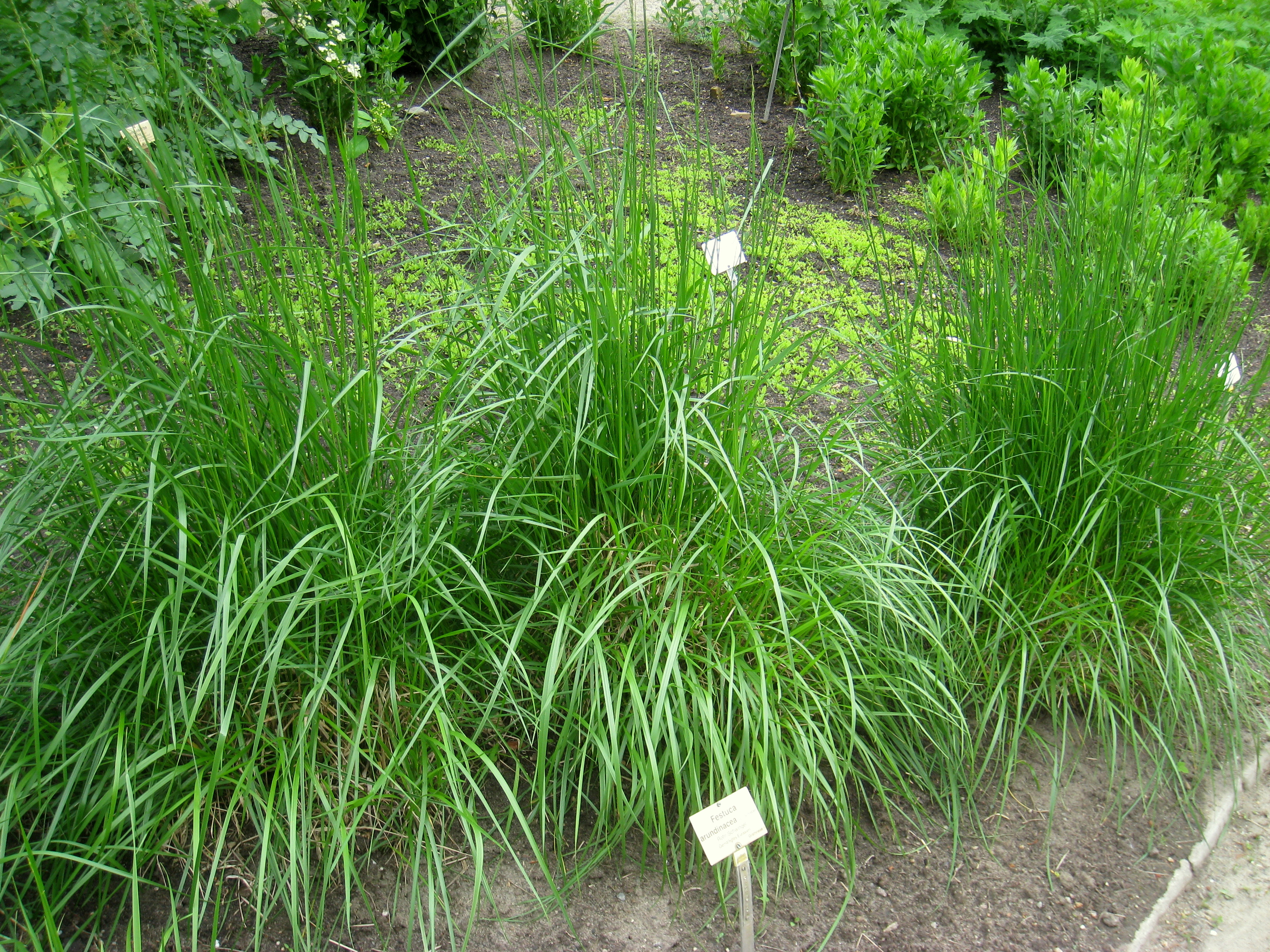
1. Tall Fescue (Festuca arundinacea)
Tall Fescue is a cool-season grass that performs exceptionally well in Zone 8, particularly in areas with some partial shade or during cooler months. It's renowned for its deep root system, which is a major advantage when it comes to dog urine. This deep root structure allows it to absorb and dilute the nitrogen more effectively than shallower-rooted grasses.
- Pros: Excellent drought tolerance, deep roots, good wear tolerance, relatively good nitrogen tolerance, maintains green color throughout much of the year in Zone 8.
- Cons: Can be clumpy if not properly maintained, may struggle in extreme summer heat without adequate water.
- Maintenance: Requires consistent watering, especially during establishment and dry periods. Fertilize moderately.
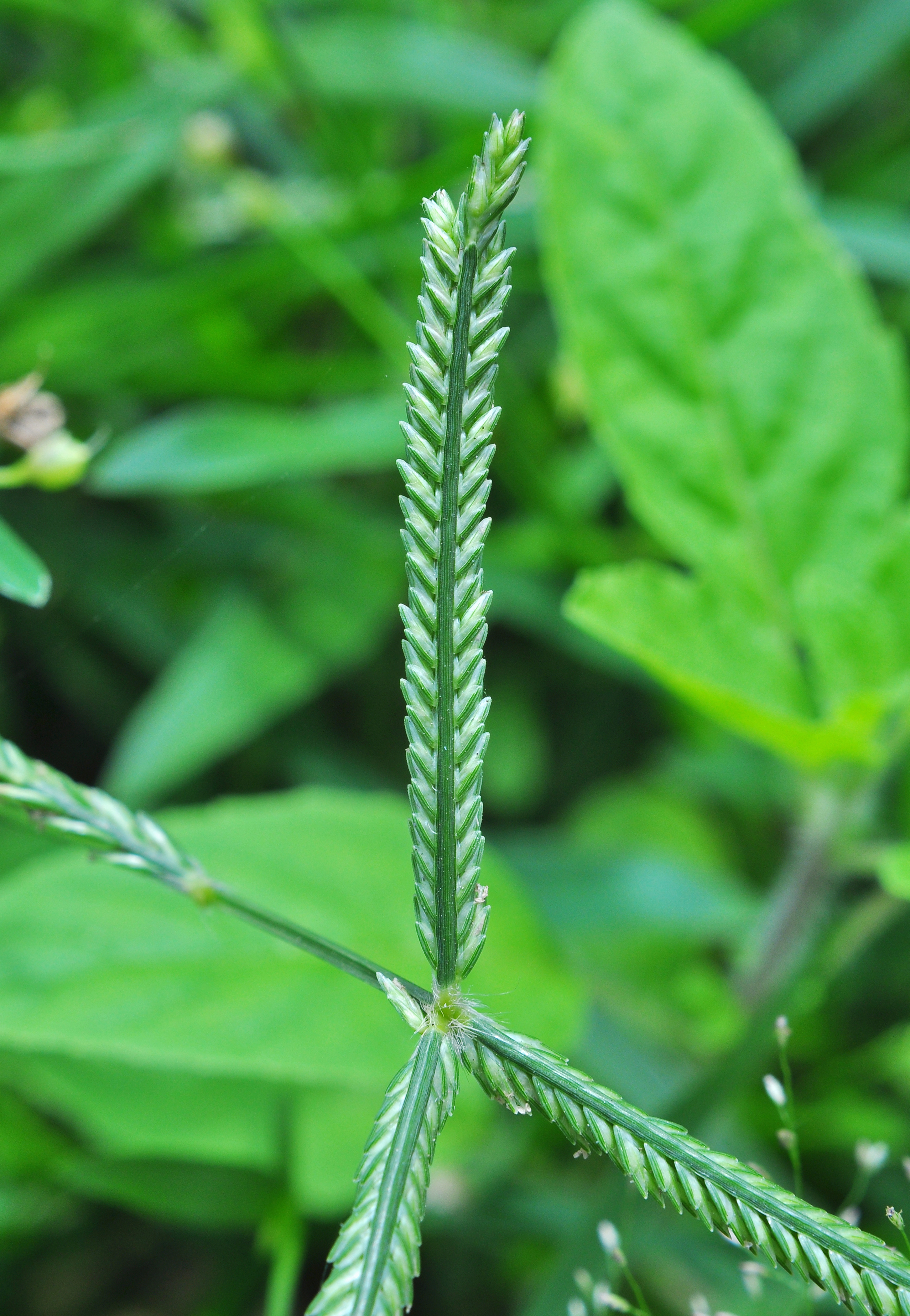
2. Bermuda Grass (Cynodon dactylon)
Bermuda grass is a warm-season grass that thrives in the heat and sun of Zone 8 summers. It's incredibly resilient, aggressive, and has a remarkable ability to recover from damage, including that caused by dog urine. Its vigorous growth habit means it can quickly fill in any brown spots.
- Pros: Extremely tolerant of heat and drought, very aggressive growth for quick recovery, excellent wear tolerance, good nitrogen tolerance.
- Cons: Goes dormant (turns brown) in winter, requires frequent mowing, can be invasive if not contained.
- Maintenance: Needs regular mowing (often weekly), thrives with regular fertilization during its growing season.
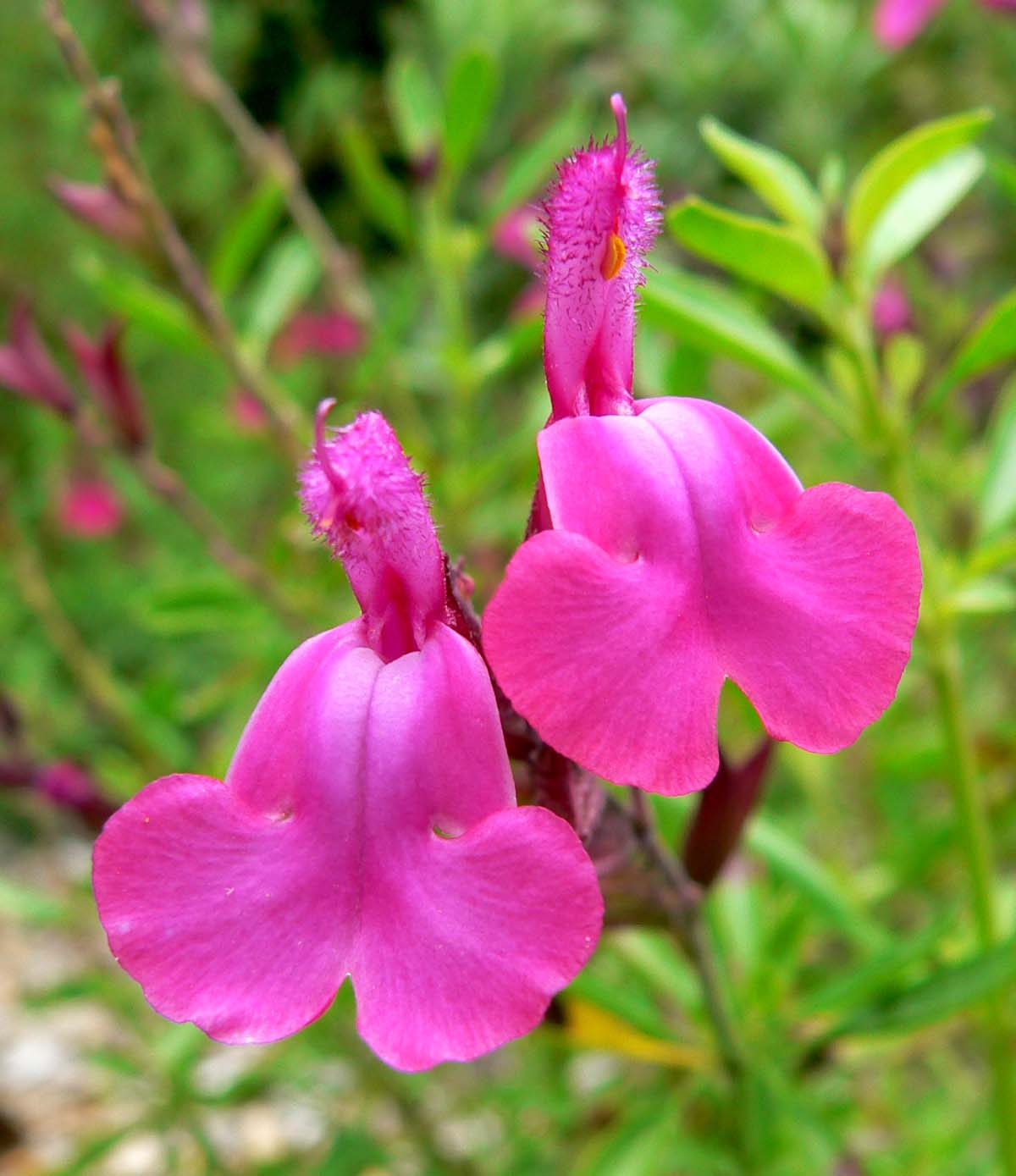
salvia-greggii" class="plant-link">Salvia greggii
3. Zoysia Grass (Zoysia japonica)
Another warm-season option, Zoysia grass forms a dense, beautiful turf that is quite tolerant of foot traffic and, to a good extent, dog urine. Its dense growth helps protect the soil, and its strong root system aids in recovery.
- Pros: Very dense turf, good drought tolerance once established, excellent wear tolerance, good recovery from damage.
- Cons: Slow to establish, goes dormant in winter, can be expensive to install.
- Maintenance: Requires less frequent mowing than Bermuda, but still needs regular fertilization during its growing season.
4. Kentucky Bluegrass (Poa pratensis) - Use with caution
While Kentucky Bluegrass is a beautiful cool-season grass, it's generally less urine-resistant than Tall Fescue due to its shallower root system and lower nitrogen tolerance. However, some newer varieties show improved resilience. If you're set on Kentucky Bluegrass, consider blending it with Tall Fescue for better overall urine resistance and resilience in Zone 8.
- Pros: Beautiful color, dense growth, excellent recuperative ability via rhizomes.
- Cons: Less urine tolerant, higher water and fertilizer needs, may struggle in Zone 8's summer heat.
- Maintenance: Requires consistent watering and fertilization.
Quick Reference: Grass for Dog Urine in Zone 8
| Grass Type | Season | Urine Resistance | Recovery Rate | Drought Tolerance | Mowing Needs | Winter Dormancy |
|---|---|---|---|---|---|---|
| Tall Fescue | Cool | Good | Moderate | Good | Moderate | No |
| Bermuda Grass | Warm | Very Good | Fast | Excellent | High | Yes |
| Zoysia Grass | Warm | Good | Moderate | Good | Moderate | Yes |
| Kentucky Bluegrass | Cool | Moderate | Good | Moderate | Moderate | No |
Beyond Grass Selection: Other Strategies for a Pet-Friendly Lawn
Choosing the right grass is a crucial first step, but a multi-faceted approach will yield the best results:
- Hydration is Key: Encourage your dog to drink plenty of water. This naturally dilutes their urine, making it less concentrated and less damaging to your lawn.
- Designated Potty Area: Train your dog to use a specific area of the yard for urination. You can lay down mulch, gravel, or even a patch of artificial turf in this spot.
- Immediate Dilution: As soon as your dog urinates, follow up by dousing the spot with a generous amount of water from a hose or watering can. This immediately dilutes the nitrogen, preventing burn.
- Supplements (Use with Caution): Some pet owners use dietary supplements designed to neutralize urine. Always consult your veterinarian before giving your dog any supplements.
- Repairing Spots: For existing spots, rake out the dead grass and reseed with your chosen urine-resistant variety or lay down a small patch of sod.
- Proper Fertilization: Avoid over-fertilizing your lawn, especially with high-nitrogen fertilizers. A healthy, well-nourished lawn is more resilient, but too much nitrogen can exacerbate urine burn.
- Regular Mowing: Keep your grass at an appropriate height for its type. Taller grass blades can sometimes offer a bit more protection.
Pet Safety Considerations
While we're discussing lawn care for pets, it's important to remember that some common lawn and garden products can be harmful to animals. Always read product labels carefully and choose pet-safe alternatives when possible for fertilizers, pesticides, and herbicides. If you suspect your pet has ingested something toxic, contact your veterinarian or the ASPCA Animal Poison Control Center immediately.
ASPCA Animal Poison Control: 888-426-4435
Final Thoughts
Creating a beautiful, green lawn that can withstand the rigors of pet ownership in Zone 8 is entirely achievable. By selecting robust, urine-resistant grass varieties like Tall Fescue or Bermuda Grass and implementing smart management strategies, you can enjoy both a vibrant yard and a happy, healthy dog. Remember, consistency in watering, dilution, and training will go a long way in maintaining your lawn's pristine appearance.
Ready to find the perfect plants for your yard? Try the PlantWise Plant Finder →